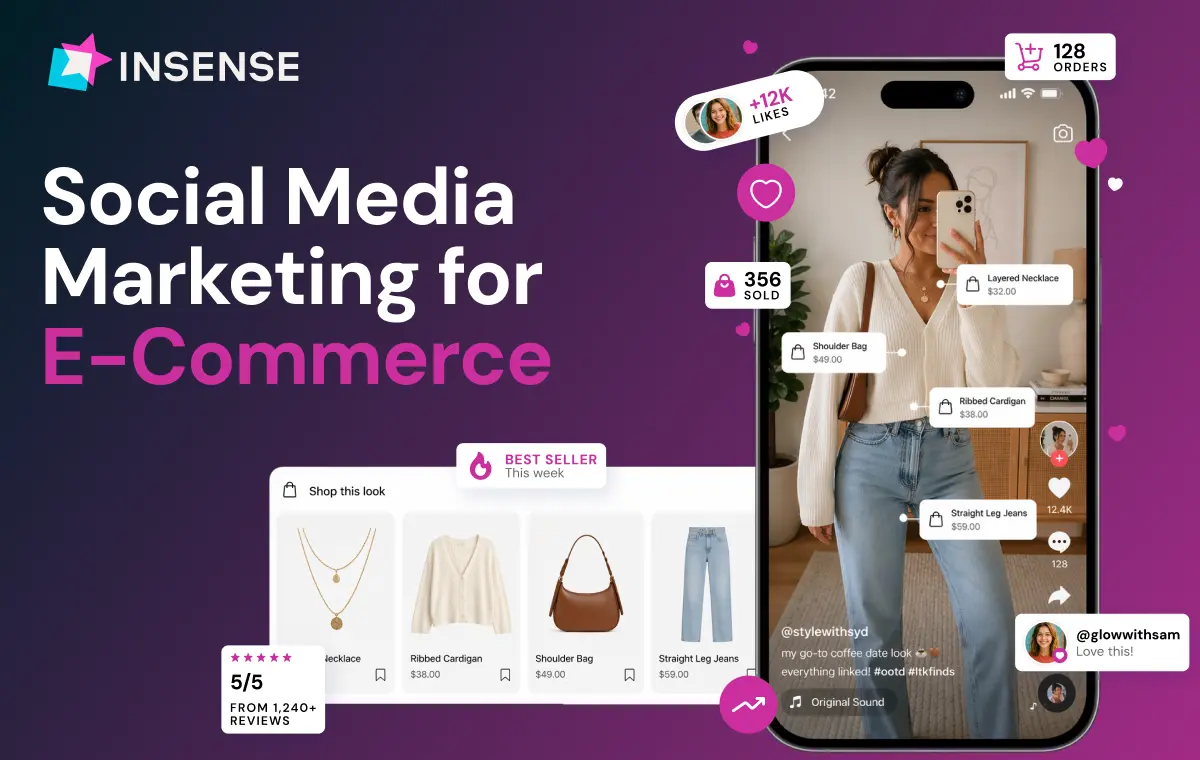
You are getting views. Your posts are receiving likes. Your videos are generating comments. Your social media followers are growing. And yet, when you look at your independent store’s sales dashboard, the numbers are disappointing. Visitors arrive from Instagram, TikTok, Facebook, Pinterest, YouTube, or other social platforms. Some browse your products. A few add items to their carts. But far too many leave without buying. This situation is frustrating, especially when you are investing significant time and money into content creation, influencer partnerships, paid social campaigns, and community management. The problem, however, may not be that your social media strategy is failing. The problem may be what happens after the click. Social media traffic and ecommerce traffic behave differently. Someone scrolling through a social feed is usually not actively looking for a product. They are discovering content, watching videos, comparing lifestyles, entertaining themselves, or interacting with friends. When that person clicks through to your independent store, you have only a short amount of time to turn casual interest into genuine purchase intent. If the transition feels confusing, slow, irrelevant, or untrustworthy, the visitor leaves. So why is your social media traffic not converting? In many cases, independent stores repeatedly make the same mistakes. This article examines the seven most common social media conversion mistakes, explains why they happen, and provides practical strategies for turning more social visitors into customers. 1. Mistake #1: Driving Traffic to the Wrong Page One of the most common problems is surprisingly simple: You are sending social media users to a page that was not designed for them. A brand may publish an Instagram Reel about a specific product and then place a generic link in […]

September 11, 2026

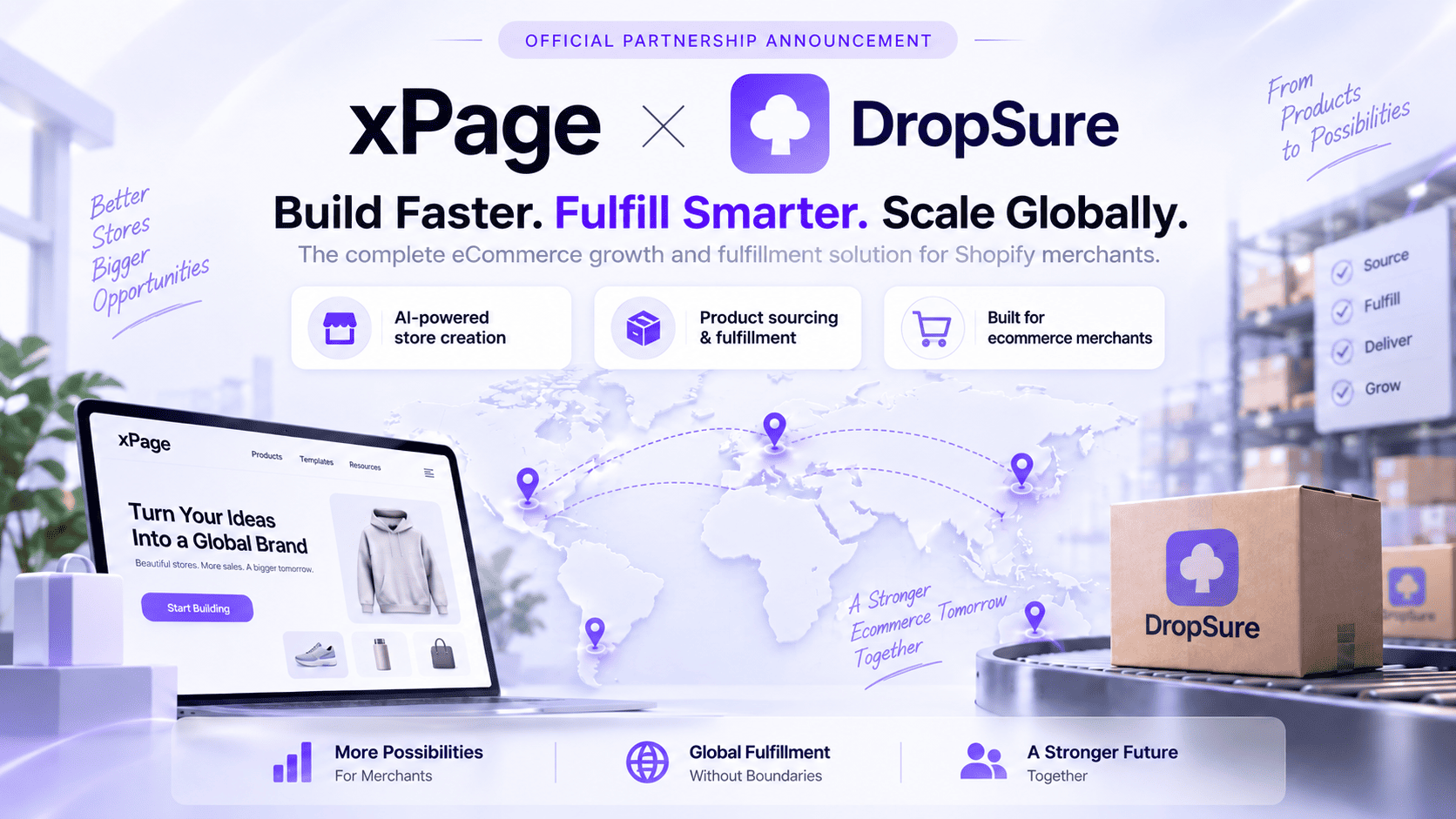
The modern e-commerce landscape is undergoing a massive transformation. As global supply chains grow more complex, consumer expectations shift toward instant fulfillment, and digital acquisition costs climb, independent brands and direct-to-consumer (DTC) operators face a brutal reality: surviving requires more than just a great product. It demands hyper-efficient operations, lightning-fast digital storefront deployment, and absolute precision in product research and market entry. Enter the powerhouse partnership between Xpage and Dropsure . By bridging the gap between cutting-edge AI-driven website creation and intelligent product selection and dropshipping logistics, this collaboration offers a blueprint for modern digital commerce. This comprehensive guide explores how the synergy between Xpage and Dropsure is reshaping how online businesses launch, scale, and sustain profitability. The E-Commerce Bottleneck: Why Traditional Operations Fall Short Before diving into the mechanics of the Xpage and Dropsure partnership, it is crucial to understand the pain points plaguing contemporary e-commerce operators. Historically, launching a viable online store required navigating a fragmented ecosystem of disparate tools: The Content and Design Lag: Building high-converting landing pages, optimized product descriptions, and localized storefronts traditionally takes weeks of design and copywriting work. The Product Research Trap: Finding winning, high-margin products without running into saturated markets or compliance traps is notoriously difficult. Many operators waste thousands of dollars testing dead-end inventory. The Logistics Disconnect: Even if a store looks incredible and features a stellar product, poor supplier reliability, slow shipping times, and cumbersome order management can ruin customer lifetime value (LTV). For years, merchants had to stitch together patchwork solutions—using one platform for site building, another for spy tools, and a third for fulfillment. The Xpage and Dropsure ecosystem changes the game by integrating these critical phases into […]

September 9, 2026

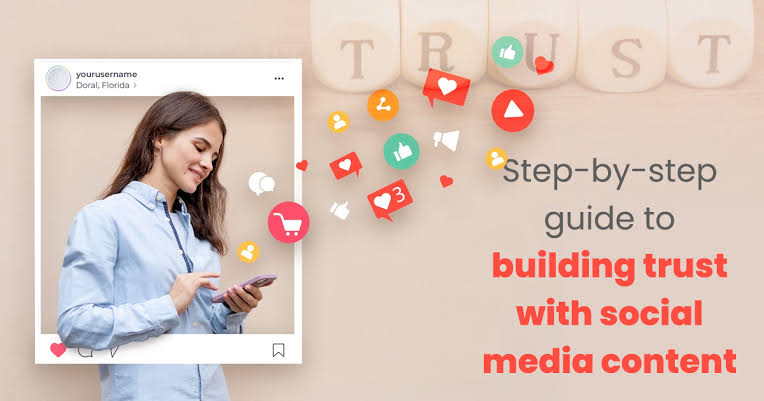
In today’s crowded online marketplace, getting people to notice your brand is only the first step. The harder challenge is convincing them to trust you enough to buy. Customers can discover hundreds of products within minutes. They can compare prices, read reviews, watch product demonstrations, check social media comments, visit competing websites, and search for alternative brands before making a decision. A polished product image may attract attention, but attention alone rarely creates a lasting customer relationship. Trust does. For independent e-commerce websites, building trust is especially important. Unlike major marketplaces and globally recognized retailers, independent brands may not have the advantage of instant recognition. Customers often arrive at an unfamiliar website with questions: Is this company legitimate? Will the product actually look like the pictures? Is the quality worth the price? Will customer service respond if something goes wrong? Can I trust the reviews? Is this brand going to disappear after I place my order? These questions are not necessarily signs that customers dislike your product. They are signs that customers need more information before they feel comfortable purchasing. This is where social media content and copywriting become powerful tools. A strong social media presence can introduce your brand, demonstrate your expertise, answer customer questions, and show the human side of your business. Meanwhile, effective website copy can turn that familiarity into confidence by clearly explaining what you offer, why it matters, and why customers should choose you. The goal is not simply to create more content. The goal is to create content that makes your brand feel credible, useful, transparent, and worth trusting. This guide explores practical strategies for building brand trust through social media content and copywriting […]

September 8, 2026

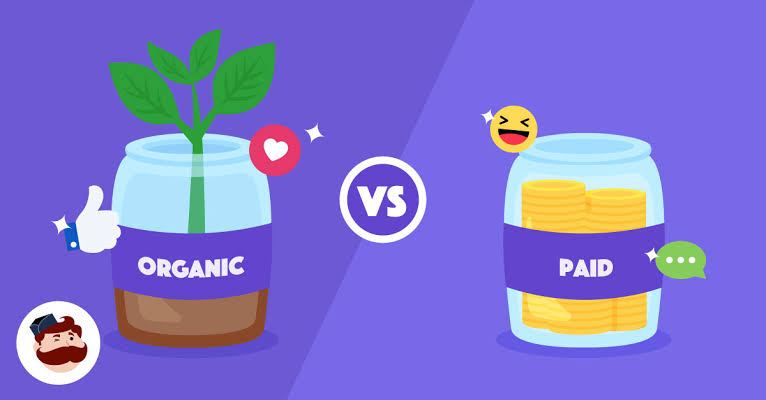
For many brands, social media marketing often feels like a choice between two very different strategies. On one side, there is organic traffic. You create content, publish posts, engage with followers, build a community, answer questions, share useful information, and gradually earn attention without directly paying for every impression. On the other side, there are paid ads. You invest money to put your products, services, videos, or offers in front of carefully selected audiences and attempt to generate clicks, leads, sales, or other measurable actions. Because these strategies operate differently, businesses sometimes treat them as competitors. They ask: Should we focus on organic social media or paid advertising? In many cases, that is the wrong question. The stronger question is: How can organic content and paid advertising work together to produce better results than either strategy could achieve alone? When properly integrated, organic traffic and paid ads can create a powerful growth loop. Organic content can attract attention, establish credibility, reveal what audiences care about, and generate valuable behavioral data. Paid advertising can then amplify the strongest messages, reach specific audiences, accelerate traffic, support product launches, and retarget people who have already interacted with the brand. At the same time, advertising data can reveal which products, messages, audiences, and creative concepts deserve more organic content. This creates a continuous cycle: Create → Test → Learn → Amplify → Retarget → Convert → Improve → Create Again The goal is not to choose between organic and paid social media. The goal is to make them work as one connected system. What Is Organic Social Media Traffic? Organic social media traffic refers to visits, engagement, followers, leads, or sales generated through unpaid […]


September 3, 2026

Launching an independent ecommerce website can feel like a race where established brands always seem to have a head start. Large companies can spend thousands of dollars on paid advertising every day. They can hire professional photographers, social media managers, video editors, public relations teams, and influencer agencies. They can sponsor major events, produce polished commercial campaigns, and constantly place their products in front of potential customers. For a new independent website, that level of spending may be impossible. But having a small marketing budget does not mean you have to remain invisible. In fact, independent brands have several advantages that large companies often struggle to replicate. They can respond quickly, communicate directly with customers, experiment with new content, develop authentic brand personalities, and build communities around very specific interests. Social media makes these advantages even more valuable. The key is not to spend money everywhere. It is to spend limited resources where they can generate the strongest combination of attention, trust, engagement, website traffic, and sales. A startup ecommerce business does not need millions of views to succeed. It needs the right people to discover the brand, understand the product, trust the business, and have a clear reason to purchase. This guide explains how a new independent ecommerce website can use low-cost social media strategies to build awareness, attract potential customers, generate content, establish credibility, and turn social traffic into sustainable sales. Why Social Media Is Especially Valuable for New Ecommerce Brands Traditional advertising often requires significant upfront investment. You pay for an advertisement, place it in front of an audience, and hope enough people respond to generate a positive return. Social media can work differently. A single useful, […]

September 1, 2026

Social media can bring thousands—or even millions—of visitors to an online store. But traffic alone does not guarantee revenue. A post can receive 100,000 views and generate almost no sales. A short video can attract thousands of likes while producing little measurable business value. On the other hand, a smaller account with a highly targeted audience can generate consistent sales, repeat purchases, referrals, and long-term customer relationships. The difference is not simply how much traffic a brand receives. It is whether the brand has built a complete system that turns attention into customers and customers into repeat buyers. For independent e-commerce websites, the most effective approach is to think beyond individual social media campaigns. Instead, build a continuous “attract → convert → retain” growth loop. Social media attracts attention and creates demand. The independent website turns that attention into purchases. Email, SMS, remarketing, loyalty programs, product experiences, and community engagement encourage customers to return. Those returning customers can then generate reviews, referrals, user-generated content, and new social exposure. This creates a cycle in which one customer can contribute value multiple times rather than making a single purchase and disappearing. In this guide, we will break down how social media traffic can be monetized, how to move followers from social platforms to an independent website, how to improve conversion rates, how to increase repeat purchases, and how to build a sustainable social commerce system. 1. Why Social Media Traffic Does Not Automatically Become Revenue One of the biggest mistakes independent e-commerce brands make is treating traffic as the final goal. Traffic is only the beginning. Imagine that a brand publishes a viral video that receives 500,000 views. That sounds impressive. But […]

August 27, 2026
1 2 3 4 54
DropSure is Your Best Partner
22 Years Experience
Affiliate Rebates
100% Quality Guarantee
Top-Up Rewards
10+ Global Warehouses
Custom Branding Support
Smart inventory System
24/7 Customer Support
Get a Quote in 24 Hours
Start Sourcing for Free