














 En

 47 min read
Introduction: Why the Future of E-Commerce Marketing Belongs to Content That Doesn’t Feel Like Advertising
Imagine scrolling through Instagram, TikTok, or Facebook after a long day. Within seconds, you encounter a familiar collection of promotional messages:
“50% OFF TODAY ONLY!”
“BUY NOW BEFORE IT’S GONE!”
“THE BEST PRODUCT YOU’LL EVER OWN!”
“LIMITED-TIME OFFER!”
These advertisements compete aggressively for attention, but many social media users have learned to scroll past them almost automatically.
For independent e-commerce store owners, this behavior creates a serious challenge.
Traditional hard-sell advertising can generate immediate purchases, particularly when customers already intend to buy. However, aggressive promotional messaging is not always the best way to introduce unfamiliar products, build trust, or develop lasting customer relationships.
Consumers increasingly have opportunities to research products through tutorials, creator recommendations, customer reviews, entertaining videos, and online communities.
They want to understand how a product works, why it matters, and whether it fits their lifestyle before committing to a purchase.
This is where soft-sell social media marketing becomes especially valuable.
Instead of immediately demanding a purchase, soft-sell content attracts attention by entertaining, educating, inspiring, or solving a problem. The product becomes part of the experience rather than the sole focus of the message.
A creator demonstrating how to organize a tiny apartment can naturally introduce storage products. A skincare educator explaining common routine mistakes can introduce a suitable skincare tool. A pet owner sharing a funny morning routine can feature a useful pet accessory without delivering a traditional sales pitch.
These approaches help independent online stores connect with customers in more natural ways.
More importantly, they can support measurable business outcomes when paired with effective product pages, relevant offers, and a well-designed customer journey.
In this guide, we explore five powerful soft-sell social media content formulas that small and medium-sized e-commerce businesses can adapt to their products.
You’ll learn how to structure engaging posts, create persuasive short-form videos, encourage product discovery, work with content creators, and convert social media attention into website traffic and purchases.
Whether you operate a Shopify store, WooCommerce website, niche dropshipping business, or independent direct-to-consumer brand, these strategies can help you build a more engaging and sustainable social media marketing system.

1. What Is Soft-Sell Social Media Marketing?
Soft-sell social media marketing is a promotional approach that encourages product interest through valuable, relatable, or entertaining content rather than relying primarily on direct sales messages.
The goal is not to hide commercial intent or deceive viewers.
Instead, soft-sell marketing places customer interests at the center of the content.
A brand might explain a common problem, demonstrate a practical solution, share a customer’s experience, or create an entertaining story in which its product appears naturally.
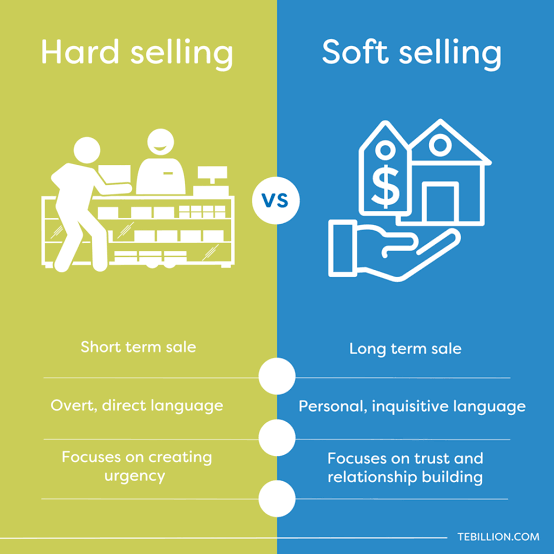
Hard-Sell vs. Soft-Sell Marketing
The difference is easiest to understand through examples.
| Element | Hard-Sell Marketing | Soft-Sell Marketing |
|---|---|---|
| Primary message | Buy the product now | Discover something useful or interesting |
| Content focus | Price, discount, features | Problems, experiences, benefits, stories |
| Typical opening | Shop our latest collection | Here’s how I solved this everyday problem |
| Customer interaction | Immediate purchase request | Engagement, learning, exploration |
| Emotional approach | Urgency and direct persuasion | Curiosity, relevance, trust |
| Common formats | Promotional graphics, direct-response ads | Tutorials, storytelling, reviews, lifestyle videos |
| Main advantage | Clear purchasing direction | Natural product discovery and relationship building |
Both approaches can play important roles in e-commerce.
A discount advertisement may work well when targeting someone who has already placed a product in their shopping cart.
However, a useful tutorial may be more effective at introducing that product to someone who has never heard of the brand.
Why Soft-Sell Content Is Particularly Suitable for Independent Stores
Large retail brands often benefit from substantial awareness, established reputations, and extensive advertising budgets.
Smaller independent stores must work harder to earn attention.
Soft-sell content allows these businesses to demonstrate expertise, personality, and product value without relying entirely on paid exposure.
An independent home organization store, for example, can publish dozens of useful storage ideas instead of repeatedly promoting the same organizer.
A fitness accessories business can create workout demonstrations rather than posting endless discount announcements.
A fashion accessories store can teach styling techniques while naturally featuring its own products.
The content becomes a reason for customers to follow the brand, even when they are not ready to purchase.
2. Why Traditional Hard-Sell Social Media Ads Often Struggle
Hard-sell advertising is not inherently ineffective.
Clear promotional messages remain useful for launches, retargeting, seasonal offers, and high-intent audiences.
The problem arises when every brand interaction becomes a sales demand.
Advertising Fatigue
Social media users encounter a large volume of commercial messages.
When advertisements repeatedly use similar visuals, discount announcements, and calls to action, viewers may become less responsive.
Even a strong promotion can lose effectiveness when its creative becomes overly familiar.
Limited Trust in Unknown Brands
Independent online stores often sell to customers who have never encountered the brand before.
A promotional claim alone may not provide enough reassurance.
Customers may want to see practical demonstrations, authentic experiences, clear specifications, and credible reviews.
Soft-sell content can help answer these questions before directing people to a product page.
Product Features Without Context
A conventional advertisement might say:
“Our portable blender features a rechargeable battery and compact design.”
Those details are useful, but they do not necessarily explain why a customer should care.
A softer content approach might show someone preparing a smoothie at work, explaining how the product fits into a busy routine.
The functional benefits become easier to understand because viewers see the product in context.
Overdependence on Discounts
Frequent price reductions may encourage customers to wait for promotions.
They can also reduce margins and make profitability harder to maintain.
Value-driven content offers another way to encourage purchasing decisions.
Instead of relying exclusively on lower prices, brands can demonstrate practical usefulness, design quality, convenience, and customer experience.
Limited Long-Term Value
A traditional discount announcement may become irrelevant after the promotion ends.
An educational tutorial, product care guide, or evergreen problem-solving video may remain useful for much longer.
This makes helpful content a potential long-term marketing asset.
Formula 1: The Problem–Agitation–Solution Formula
Turn Everyday Frustrations Into Natural Product Discovery
One of the most effective ways to introduce a product is to begin with a problem the audience already recognizes.
Instead of leading with the product, lead with the customer’s frustration.
The Problem–Agitation–Solution formula, commonly abbreviated as PAS, follows three stages:
Problem → Agitation → Solution
This structure creates relevance before introducing a commercial recommendation.
Stage 1: Identify a Specific Problem
Start with an everyday situation that your ideal customers experience.
For example, imagine an independent store selling closet organization accessories.
A conventional advertisement might begin:
“Shop our new adjustable closet organizer today!”
A problem-focused video might begin:
“Why does your closet look messy again just two days after cleaning it?”
The second opening invites viewers to think about their own experiences.
It creates curiosity without immediately asking for a purchase.
Stage 2: Explain Why the Problem Matters
The agitation stage highlights the inconvenience created by the problem.
For a closet organization video, the creator might demonstrate how stacked clothing collapses, accessories become difficult to find, or unused vertical space creates unnecessary clutter.
The purpose is not to exaggerate the problem.
It is to make the consequences understandable.
Avoid fear-based claims or unrealistic promises.
Stage 3: Introduce a Practical Solution
Once the problem is clear, demonstrate how the product may help.
For example:
“I started using adjustable shelf dividers to separate my clothes, and now I can find everything without rebuilding the entire stack.”
The product appears as part of a practical solution.
The video can then direct interested viewers to additional information.
Example: A 30-Second TikTok Video
Product: Adjustable drawer organizer
0–3 seconds: Hook
“Does your kitchen drawer look like this every morning?”
Show a drawer filled with tangled utensils.
4–10 seconds: Problem
Demonstrate how difficult it is to find a specific cooking tool.
11–22 seconds: Solution
Show the organizer being installed and the utensils being arranged.
23–27 seconds: Result
Reveal the organized drawer and demonstrate how easily an item can be retrieved.
28–30 seconds: Soft call to action
“I linked the organizer I used if you want to try this setup.”
Why This Formula Works
The content provides value even to viewers who do not purchase.
They learn an organization technique and see a possible solution.
For customers experiencing the same problem, the product becomes more relevant.
Best Product Categories
The PAS formula works particularly well for:
- Home organization products
- Kitchen accessories
- Cleaning tools
- Pet care accessories
- Travel equipment
- Personal care products
- Gardening tools
- Office accessories
- Consumer electronics
How to Improve Results
Focus on one specific problem per video.
A broad message such as “Improve your home” is less compelling than “Stop your cabinet lids from falling every time you open the door.”
Specific situations help viewers immediately recognize relevance.
Create several versions of the same product demonstration using different problems.
A storage container, for example, may solve challenges involving pantry organization, small apartment living, and seasonal item storage.
Each problem can become a separate piece of content.
Formula 2: The Authentic Storytelling Formula
Sell the Experience Before Selling the Product
People connect with stories because stories provide context, emotion, and memorable experiences.
For independent brands, storytelling can communicate product value without sounding like a conventional advertisement.
The basic structure is:
Relatable Situation → Personal Experience → Turning Point → Natural Product Integration → Outcome
Rather than listing product features, the brand shows how a product fits into a meaningful situation.
Why Stories Are Powerful for E-Commerce
Consider two ways to promote a travel backpack.
A conventional product advertisement might say:
“Lightweight travel backpack with multiple compartments and durable materials.”
A storytelling video might begin:
“I used to spend five minutes searching for my passport every time I reached airport security.”
The creator then explains how their packing routine changed and shows the backpack’s compartments.
Both approaches provide information, but the story makes the product features relevant to an actual experience.
Step 1: Choose a Relatable Situation
Identify a moment your audience understands.
Examples include:
- Packing for a weekend trip
- Preparing for the first day at a new job
- Decorating a first apartment
- Organizing a busy family kitchen
- Getting ready for a special occasion
- Managing pet accessories during travel
- Creating a comfortable home office
The more specific the situation, the easier it becomes to build an engaging narrative.
Step 2: Introduce a Genuine Challenge
A useful story has a reason to continue.
The challenge might involve inconvenience, uncertainty, wasted time, or an unmet need.
For example, a fashion accessory store could develop a story about choosing a versatile bag for everyday use.
Step 3: Introduce the Product Naturally
The product should appear at the moment when it becomes relevant.
Instead of interrupting the story with a promotional announcement, show how it contributes to the situation.
Step 4: Demonstrate the Outcome
Show the practical result without making exaggerated claims.
For a travel backpack, this might involve improved item organization and easier access to frequently used belongings.
Step 5: End With a Low-Pressure Invitation
A soft call to action might be:
“Here’s the packing setup I’ve been using lately. The full product details are linked in my profile.”
This provides a next step without making the entire story feel like a sales presentation.
Example: Storytelling for a Jewelry Store
Content title: “The Necklace I Keep Reaching for Before Every Trip”
The video opens with someone packing for a short vacation.
They lay out several outfits and explain how they try to travel light.
The creator then shows how one simple necklace works with casual and dressier clothing.
Instead of listing product specifications immediately, the video demonstrates styling flexibility.
The final shot shows the packed jewelry case.
The caption provides the product name, material information, and shopping link.
Using Founder Stories
Independent store owners can also create content about why they started their businesses.
Potential topics include:
- The problem that inspired the first product
- Challenges faced during product development
- How packaging decisions were made
- Improvements based on customer feedback
- Behind-the-scenes quality checks
- Lessons learned from an early launch
These stories help customers understand the people behind the business.
However, storytelling must remain truthful.
Do not invent customer experiences, manufacturing processes, founder histories, or personal results.
Best Product Categories
Storytelling is particularly suitable for fashion, accessories, gifts, home decor, travel products, handmade products, and lifestyle brands.
It can also work for technical products when the story centers on a practical application.
Formula 3: The Educational Value Formula
Teach Something Useful and Let the Product Become Part of the Lesson
Educational content is a strong way to attract people who are interested in a topic but may not yet be ready to buy.
Instead of beginning with a promotional claim, start by answering a question.
The formula is:
Useful Question → Clear Explanation → Practical Demonstration → Product Connection → Optional Next Step
This approach helps an independent store establish expertise in its niche.
Why Educational Content Attracts Potential Customers
Customers frequently research products before purchasing.
They want to understand how products work, how to choose between alternatives, and how to avoid common mistakes.
A brand that consistently answers these questions can become a useful resource.
For example, a store selling cellular shades could create educational content about:
- How to measure windows for inside-mount shades
- Differences between light-filtering and blackout fabrics
- Ways cellular shades can support window insulation
- How to clean honeycomb blinds safely
- Common mistakes when choosing window coverings
- How cordless operating systems work
These topics attract people with a genuine interest in window treatments.
Some viewers may eventually become customers.
Educational Content Should Not Be a Disguised Product Pitch
A useful tutorial should provide meaningful information even when the viewer does not buy anything.
If the entire lesson consists of repeated claims that one product is superior, the content may feel like a conventional advertisement.
Focus on accurate explanations and practical value.
Example: Educational Content for a Kitchen Accessories Store
Video title: “Three Mistakes That Make Small Kitchens Feel Cluttered”
Opening hook:
“If your kitchen feels crowded, these three storage mistakes might be making it worse.”
Lesson one:
Explain why storing rarely used items in frequently accessed cabinets can create inconvenience.
Lesson two:
Demonstrate how unused vertical space affects storage efficiency.
Lesson three:
Show how grouping tools by frequency of use can simplify organization.
During the third lesson, introduce a compatible storage accessory.
Closing:
“Save this video for your next kitchen organization project. I’ve also linked the organizer shown in the demonstration.”
The viewer receives useful advice, while the product is presented as an optional tool.
Five Educational Formats Worth Testing
1. Beginner’s Guides
Explain fundamental concepts in your product category.
Example:
“How to Choose the Right Yoga Mat Thickness for Your Practice.”
2. Common Mistakes
Identify mistakes and explain practical alternatives.
Example:
“Five Common Mistakes When Measuring Windows for Blinds.”
3. Product Comparisons
Compare features, materials, or use cases.
Example:
“Stainless Steel vs. Plastic Water Bottles: What Should You Consider?”
4. Maintenance Tutorials
Teach customers how to care for products.
Example:
“How to Clean and Maintain Your Reusable Kitchen Containers.”
5. Buying Guides
Help customers evaluate suitable options.
Example:
“How to Choose the Right Backpack Size for Weekend Travel.”
Turn One Educational Topic Into Multiple Posts
A single comprehensive guide can support several content formats.
For example, a detailed article about choosing window shades could become:
- A short video explaining fabric types
- A carousel showing measurement tips
- A frequently asked questions post
- A longer YouTube tutorial
- A comparison video
- An email guide
- A product category landing page
This process helps independent stores maintain a consistent publishing schedule without inventing entirely new topics every day.
Best Product Categories
Educational content is especially useful for products requiring explanation, comparison, installation, maintenance, or technical understanding.
Examples include home improvement, electronics, beauty tools, fitness accessories, gardening equipment, and specialized hobby products.
Formula 4: The Social Proof and User-Generated Content Formula
Let Real Customers Demonstrate Why Your Products Matter
Potential buyers often want reassurance before purchasing from an unfamiliar independent store.
They may wonder whether the product matches its description, whether the quality is acceptable, or whether it will work for their particular needs.
Social proof can help answer these questions.
The formula is:
Real Customer Experience → Authentic Product Demonstration → Specific Feedback → Visible Context → Easy Product Discovery
The central principle is credibility.
The content should show actual experiences and provide enough context for customers to make informed decisions.
What Is User-Generated Content?
User-generated content, often abbreviated as UGC, refers to content created by users rather than produced exclusively by the brand.
Examples include:
- Customer unboxing videos
- Real product demonstrations
- Customer photographs
- Written reviews
- Lifestyle videos
- Installation experiences
- Product styling posts
- Customer-submitted tutorials
Brands can also commission creator-style videos from paid content creators.
However, paid creator content should not be misrepresented as unsolicited customer feedback.
Material relationships must be disclosed where required.
Why Social Proof Works for Independent Stores
A brand can explain how a product functions, but a genuine customer may communicate different details.
They might show what the product looks like in a small apartment, how it fits into their routine, or what surprised them during use.
These experiences can help potential buyers imagine whether the product suits their own needs.
Example: A Pet Accessories Store
Suppose an independent store sells a washable pet feeding mat.
A traditional advertisement might say:
“Durable, washable, and easy to clean.”
A customer-created video might show the mat being used during an ordinary feeding routine, followed by a demonstration of how it is cleaned.
The caption could say:
“This is how we keep the feeding area easier to clean after breakfast.”
The video communicates the product’s practical role without relying on exaggerated advertising language.
How to Encourage Customer Content
Ask Customers to Share Their Experience
After a purchase, invite customers to share photographs, feedback, or short demonstrations.
Participation should remain voluntary.
Make Submission Easy
Provide clear instructions and simple ways to submit content.
Customers are less likely to participate if the process requires complicated forms or lengthy editing.
Offer Appropriate Incentives
Brands may offer loyalty points, discounts, or product rewards for participation.
However, incentives should not be conditioned on providing positive reviews.
Relevant incentive disclosures must be made.
Obtain Permission Before Reposting
A customer posting content publicly does not automatically give the brand unlimited commercial usage rights.
Obtain permission before using content in advertisements, product pages, or other marketing materials.
Feature Different Customer Perspectives
Show how people with different preferences and use cases interact with the product.
For example, a storage accessory might appear in kitchens, bathrooms, offices, and dorm rooms.
This gives potential buyers more ways to understand its usefulness.
Example: The Customer Transformation Format
For a home organization product, a compelling sequence might include:
Beginning: Show the original storage situation.
Middle: Demonstrate the organization process.
Result: Show the finished arrangement.
Customer insight: Explain what changed in daily use.
Call to action: Invite viewers to explore the product details.
Before-and-after content should reflect real outcomes rather than manipulated or misleading transformations.
Best Product Categories
Social proof content can be especially useful for home decor, clothing, pet accessories, personal care tools, kitchen products, furniture, and organization solutions.
Formula 5: The Entertainment and Lifestyle Integration Formula
Make People Enjoy the Content Before They Notice the Product
Social media is not only a place where people search for products.
It is also where they relax, laugh, follow trends, and discover interesting ideas.
Entertainment-focused content allows brands to participate in these experiences.
The formula is:
Entertaining Hook → Relatable Scenario → Natural Product Appearance → Memorable Moment → Subtle Brand Connection
Instead of making the product the entire subject, the product becomes a supporting element in content people already want to watch.
Why Entertainment Can Help Product Discovery
A funny or relatable video may reach people who were not actively shopping.
If the product fits naturally into the scene, some viewers may become curious.
For example, a pet accessories brand could create a humorous video about a dog’s enthusiastic reaction to breakfast.
A feeding accessory may appear naturally throughout the video.
The primary content is entertainment, while the product receives contextual exposure.
Example: A Home Decor Store
Video concept: “POV: You Said You Were Only Going to Rearrange One Shelf”
The creator begins by moving a small decorative object.
The next scene shows several shelves being reorganized.
The final scene reveals a fully restyled living room.
Products from the store appear as part of the transformation.
The caption might say:
“One tiny shelf update turned into an entire afternoon. Which arrangement looks better?”
Interested viewers can find product information through the profile or a clearly identified shopping link.
Lifestyle Integration
Lifestyle content focuses on how products fit into everyday activities.
Examples include:
- Morning routines
- Weekend preparation
- Home decorating
- Travel packing
- Meal preparation
- Workout sessions
- Pet care routines
- Office organization
- Seasonal celebrations
The product should support the activity rather than interrupt it.
Trend Participation
Brands can participate in relevant social media trends when the trend fits their product category and audience.
However, copying every viral format can weaken brand identity.
Before participating, ask whether the concept feels natural for your business.
A gardening brand, for example, may benefit from a seasonal planting challenge.
A technical industrial equipment supplier may find that educational demonstrations perform better than unrelated comedy trends.
Interactive Entertainment
Interactive posts can encourage viewers to participate.
Examples include:
“Which room layout would you choose?”
“Can you spot the organization mistake?”
“Which color fits this outfit best?”
“Guess how many travel essentials fit inside this bag.”
These formats can create useful conversations while showcasing products.
Best Product Categories
Entertainment and lifestyle integration are especially suitable for fashion, home decor, pet products, accessories, gifts, kitchen items, and visually engaging consumer goods.
8. Comparing the Five Soft-Sell Content Formulas
Each formula serves a slightly different marketing purpose.
| Formula | Main Audience Appeal | Typical Content | Primary Marketing Value |
|---|---|---|---|
| Problem–Agitation–Solution | Solving a recognizable frustration | Problem-solving videos | Product relevance and purchase consideration |
| Authentic Storytelling | Emotional connection and real experiences | Personal stories, founder videos | Brand familiarity and trust |
| Educational Value | Learning something useful | Tutorials, buying guides, tips | Expertise and qualified discovery |
| Social Proof and UGC | Reassurance from real experiences | Reviews, customer demonstrations | Credibility and purchase confidence |
| Entertainment and Lifestyle | Enjoyment, humor, and relatability | Routines, challenges, creative videos | Audience engagement and discovery |
A strong content strategy does not depend on a single formula.
Different customers may respond to different messages.
Some want a practical solution immediately.
Others prefer educational information or authentic reviews.
Combining the five approaches allows an independent store to communicate product value from multiple angles.
9. How to Choose the Right Formula for Your Product
The best formula depends on what customers need to understand before purchasing.
For Products That Solve Clear Problems
Start with Problem–Agitation–Solution content.
Examples include cable organizers, storage accessories, cleaning equipment, and travel convenience products.
For Emotional or Lifestyle Purchases
Use storytelling.
Fashion accessories, jewelry, personalized gifts, and decorative products often benefit from contextual presentation.
For Technical or Complex Products
Prioritize educational content.
Explain how the product works, how to choose the correct version, and what customers should consider.
For Products That Require Trust
Emphasize genuine customer experiences and product demonstrations.
This can be particularly helpful for unfamiliar brands.
For Visually Interesting or Fun Products
Experiment with entertainment and lifestyle formats.
Creative demonstrations can make products memorable without depending entirely on promotional claims.
Combine Formulas When Appropriate
A single video can incorporate more than one formula.
For example, a kitchen organization video might begin with a relatable problem, teach a storage technique, and conclude with a genuine customer-style demonstration.
The important consideration is clarity.
Avoid cramming too many unrelated messages into one short video.
10. The Anatomy of a High-Converting Soft-Sell Social Media Post
Regardless of which formula you use, successful content generally follows a recognizable structure.
Step 1: Capture Attention
The opening should communicate something interesting immediately.
Effective hooks often introduce a question, challenge, practical benefit, or relatable situation.
Examples include:
“Why does your desk always look messy by lunchtime?”
“I wish I knew this packing trick sooner.”
“Three things to check before buying blackout shades.”
“Here’s what changed when I reorganized my tiny kitchen.”
The hook should accurately represent the content.
Misleading openings may generate initial attention but weaken audience trust.
Step 2: Deliver the Promised Value
After attracting attention, follow through.
If the hook promises three tips, provide three useful tips.
If the video promises a demonstration, show the demonstration clearly.
Audience retention depends partly on whether the content fulfills expectations.
Step 3: Integrate the Product
Introduce the product where it naturally supports the content.
Avoid interrupting an educational explanation with repeated purchasing demands.
Step 4: Show Relevant Evidence
Demonstrate features, applications, or actual experiences.
For example, show a storage organizer holding the intended items rather than simply claiming that it improves organization.
Step 5: Provide a Clear Next Step
Soft-sell marketing does not mean eliminating calls to action.
It means choosing calls to action appropriate to the viewer’s stage of interest.
Examples include:
“Save this idea for later.”
“Which setup would you choose?”
“See the complete product details in our store.”
“Explore the different sizes through the link in our profile.”
“Have questions about compatibility? Leave a comment.”
The objective is to make the next step useful, not overly aggressive.
11. How to Create Soft-Sell Content for TikTok, Instagram, Facebook, Pinterest, and YouTube
Different platforms support different viewing behaviors.
Your content should be adapted rather than duplicated without consideration.
TikTok: Fast-Paced Demonstrations and Relatable Stories
TikTok is suitable for short-form storytelling, practical demonstrations, creative hooks, and trend-inspired content.
Consider showing the product in action early while keeping the message focused on the viewer’s interests.
Test different openings and video lengths.
Instagram Reels: Lifestyle and Visual Storytelling
Instagram Reels can support product styling, behind-the-scenes content, tutorials, and creator collaborations.
Use clear visuals and captions that provide helpful context.
Instagram Carousels: Educational Content
Carousels work well for step-by-step explanations and comparison content.
For example, a store selling window treatments could publish a carousel titled:
“Five Things to Know Before Choosing Cellular Shades.”
Each slide could address a single question, with the final slide directing interested readers to a buying guide.
Facebook: Community-Oriented Content
Facebook can support customer discussions, longer explanations, demonstrations, and posts relevant to specific interest groups.
Respect community rules and avoid excessive promotional posting.
Pinterest: Visual Ideas and Planning
Pinterest is particularly relevant for products associated with home projects, fashion, decorating, organizing, and celebrations.
Create content around specific ideas and practical inspiration.
YouTube Shorts: Quick Learning and Demonstrations
YouTube Shorts can introduce practical tips and interesting product applications.
Longer YouTube videos can provide detailed buying guides, comparisons, and tutorials.
Adapt the Message to the Platform
A single product concept can be transformed into multiple content formats.
For example, a portable desk organizer could appear in:
- A short TikTok problem-solving video
- An Instagram Reel showing a desk makeover
- A Pinterest organization idea
- A Facebook customer discussion
- A detailed YouTube tutorial
The subject remains consistent while the presentation changes.
12. How to Produce Soft-Sell Content on a Small Budget
One of the biggest advantages of these formulas is that they do not always require professional studios or expensive production teams.
Small independent stores can begin with simple equipment.
Use Natural Lighting
Good lighting improves product visibility.
A bright room with indirect natural light may be sufficient for many demonstrations.
Record With a Smartphone
A modern smartphone can produce usable social media video.
Prioritize stable footage, accurate colors, clear focus, and understandable audio.
Create a Simple Filming Area
Choose a clean background that fits the product category.
For home accessories, a real room may communicate usefulness better than a blank studio wall.
Film Multiple Videos in One Session
Batch production can improve efficiency.
For example, record five different demonstrations of the same organizer during one filming session.
Each demonstration can target a different customer problem.
Reuse Footage Strategically
One filming session may produce several clips.
A product unboxing can become a first-impression video.
A demonstration can become a short tutorial.
A final arrangement can become lifestyle content.
Reuse material where appropriate, but avoid publishing identical content so frequently that followers lose interest.
13. How Micro-Influencers Can Strengthen Soft-Sell Marketing
Micro-influencers can help independent stores create content that feels natural to specific communities.
Their value often comes from niche knowledge, recognizable personalities, and established audience relationships.
Choose Creators Based on Audience Relevance
A creator with 12,000 followers interested in small-space living may be more relevant to a storage accessory store than a general entertainment creator with a much larger audience.
Give Creators Creative Freedom
Provide clear product information and campaign goals, but avoid requiring scripts that sound unnatural.
Creators often understand the communication style their audiences prefer.
Encourage Demonstrations
Ask creators to show how products work rather than simply holding them in front of the camera.
Practical demonstrations provide more information to potential buyers.
Obtain Commercial Usage Rights
If you intend to reuse creator videos in advertising or on your website, negotiate the necessary permissions.
Disclose Sponsored Relationships
Paid collaborations, gifted products, and affiliate arrangements may require disclosure.
Honest sponsorship identification supports transparency.
Measure Purchases as Well as Engagement
Influencer content should be evaluated using relevant business outcomes.
Views and likes can indicate attention, but actual purchases, customer acquisition costs, and campaign profitability provide stronger evidence of commercial performance.
14. Turning Soft-Sell Social Media Traffic Into Online Store Purchases
Engaging content is only the beginning.
Your independent store must support customers when they decide to learn more.
Match the Landing Page to the Content
If a video explains how a drawer organizer solves a storage problem, direct viewers to that organizer’s product page.
Avoid sending all social traffic to a generic homepage.
Provide Clear Product Information
Include accurate dimensions, materials, compatibility details, pricing, and shipping information.
Customers should be able to evaluate the product without guessing.
Use Relevant Content on Product Pages
With proper permissions, include creator demonstrations, customer photographs, or educational videos.
This helps maintain consistency between the social media experience and the shopping experience.
Simplify Checkout
A complicated checkout process can reduce purchases.
Ensure that payment options, delivery charges, and return policies are easy to understand.
Build Customer Confidence
Display authentic reviews, provide accessible customer service, and maintain transparent store policies.
Soft-sell marketing creates interest, but a trustworthy shopping experience is necessary to convert that interest into sales.
15. How to Measure Whether Your Soft-Sell Content Is Actually Driving Sales
One of the most common mistakes in social media marketing is confusing popularity with profitability.
A video can generate thousands of views without producing meaningful revenue.
Successful independent stores should evaluate content at multiple levels.
Reach and Awareness
Track:
- Views
- Reach
- Impressions
- New followers
- Profile visits
These metrics indicate how widely the content is being discovered.
Engagement Quality
Monitor:
- Comments
- Shares
- Saves
- Average watch time
- Audience retention
- Product-related questions
Pay particular attention to comments indicating genuine interest.
Website Activity
Use relevant analytics to monitor:
- Social referral traffic
- Product page visits
- Engaged sessions
- Add-to-cart actions
- Checkout activity
These metrics help identify where visitors lose interest.
Purchase Performance
For commercial evaluation, prioritize:
Purchases: The number of completed orders attributable to the campaign under the chosen measurement method.
Purchase conversion rate: The percentage of relevant visitors who complete purchases.
Customer acquisition cost: The cost required to acquire a new customer.
Purchase ROAS: Attributable purchase revenue divided by advertising spend.
Contribution margin: Revenue remaining after applicable variable costs.
Avoid Mixing Purchase Revenue With Nonpurchase Events
Some advertising platforms allow stores to assign values to actions such as adding items to a cart or beginning checkout.
If those values are combined with purchase revenue, an aggregate conversion-value metric may exaggerate commercial results.
For accurate sales analysis, distinguish actual purchase revenue from the assigned values of earlier customer actions.
A campaign generating many cart additions but very few purchases should not automatically be considered profitable.
Example Performance Comparison
Consider two hypothetical social media campaigns:
| Metric | Campaign A: Hard-Sell Ad | Campaign B: Soft-Sell Tutorial |
|---|---|---|
| Advertising spend | $500 | $500 |
| Website visits | 1,000 | 1,400 |
| Purchases | 15 | 28 |
| Average order value | $50 | $50 |
| Purchase revenue | $750 | $1,400 |
| Purchase ROAS | 1.50 | 2.80 |
In this illustration, Campaign B generates more purchases and higher purchase ROAS.
However, these figures are hypothetical.
Actual performance depends on product category, creative quality, targeting, pricing, website experience, and many other factors.
The purpose of testing is to discover which content works for your own business.
16. A Practical 30-Day Soft-Sell Social Media Content Calendar
A consistent publishing schedule can help independent stores test multiple creative approaches.
The following example uses five main content themes across four weeks.
| Day | Content Idea | Formula |
|---|---|---|
| 1 | Show a common customer frustration | Problem–Agitation–Solution |
| 2 | Share a founder experience | Storytelling |
| 3 | Explain a product-related tip | Educational |
| 4 | Feature a genuine customer experience | Social Proof |
| 5 | Publish a lifestyle routine | Entertainment |
| 6 | Respond to a customer question | Educational |
| 7 | Review engagement and purchases | Analysis |
| 8 | Demonstrate a second customer problem | Problem–Agitation–Solution |
| 9 | Share a behind-the-scenes story | Storytelling |
| 10 | Publish a buying guide | Educational |
| 11 | Feature an approved customer photo | Social Proof |
| 12 | Create a relatable short video | Entertainment |
| 13 | Test an alternative opening hook | Creative Testing |
| 14 | Review purchase performance | Analysis |
| 15 | Demonstrate a product application | Problem–Agitation–Solution |
| 16 | Share a product development story | Storytelling |
| 17 | Explain common purchasing mistakes | Educational |
| 18 | Publish a customer demonstration | Social Proof |
| 19 | Create a seasonal lifestyle post | Entertainment |
| 20 | Answer common product questions | Educational |
| 21 | Evaluate traffic and sales | Analysis |
| 22 | Publish an improved problem-solving video | Problem–Agitation–Solution |
| 23 | Share an authentic brand milestone | Storytelling |
| 24 | Post a practical tutorial | Educational |
| 25 | Feature verified customer feedback | Social Proof |
| 26 | Create an interactive content challenge | Entertainment |
| 27 | Repurpose a successful tutorial | Content Repurposing |
| 28 | Compare content performance | Analysis |
| 29 | Publish a revised winning concept | Optimization |
| 30 | Plan next month’s content | Strategy |
This calendar is a starting framework, not a requirement to publish daily.
A small team may achieve better results with fewer high-quality posts than with rushed daily content.
Consistency matters, but relevance and quality are more important than volume alone.
17. How to Turn One Product Into 20 Soft-Sell Content Ideas
Independent stores often struggle to develop enough content ideas.
A useful solution is to approach a single product from several perspectives.
Consider a store selling a compact travel backpack.
Problem-Solving Ideas
- How to prevent small travel items from getting lost
- Three packing mistakes that waste bag space
- Organizing essentials for a weekend trip
- Keeping important travel documents accessible
Storytelling Ideas
- What I packed for my first weekend getaway
- How my packing routine changed over time
- The backpack features I didn’t appreciate until traveling
- A behind-the-scenes look at selecting travel accessories
Educational Ideas
- How to choose a backpack for short trips
- What different compartments are designed for
- How to clean and maintain a travel backpack
- How to distribute weight comfortably when packing
Social Proof Ideas
- A customer’s real weekend packing setup
- A creator’s honest first impressions
- How customers organize their everyday essentials
- Customer answers to common backpack questions
Entertainment Ideas
- Expectation vs. reality when packing for two days
- Five things everyone forgets before a trip
- A packing challenge with limited space
- A relatable morning-before-travel routine
Each concept creates a different reason for viewers to engage.
This approach helps independent stores develop a diverse content library without constantly introducing new products.
18. How to Write Soft-Sell Captions That Encourage Action
A good caption supports the content without overwhelming it.
Use a Relevant Opening
The first sentence should communicate a reason to read.
Examples:
“Small closet? This one organization habit can make a difference.”
“Here’s what I learned after reorganizing my workspace.”
“Three things to consider before choosing new window shades.”
Provide Additional Value
Use the caption to clarify steps, explain product details, or answer questions the video does not fully address.
Keep Product Information Accurate
If mentioning sizes, materials, pricing, or performance, verify those details.
Avoid unsupported superlatives.
Include a Natural Call to Action
Examples include:
“Save this checklist for your next home project.”
“Which option would work better in your space?”
“Explore the full collection through the link in our profile.”
“Have a question about sizing? Ask us below.”
Use Relevant Topic Keywords Naturally
Descriptions should clearly reflect the subject.
For example, a post about cellular shades might naturally include phrases such as “cordless cellular shades,” “honeycomb window blinds,” and “window insulation.”
Avoid repeating the same phrases excessively.
Write for clarity first.
19. Common Soft-Sell Marketing Mistakes Independent Stores Should Avoid
Mistake 1: Hiding Commercial Relationships
Soft-sell marketing should never depend on deceiving viewers.
Sponsored creator content and incentivized endorsements must be appropriately disclosed.
Authenticity requires transparency.
Mistake 2: Making Every Video Look Identical
Repeatedly using the same camera angle, opening line, and demonstration can create content fatigue.
Test different formats and perspectives.
Mistake 3: Focusing Only on Viral Views
A viral video may attract people who have little interest in your product category.
Evaluate audience relevance and purchase behavior, not just popularity.
Mistake 4: Forgetting the Product Connection
Some entertainment content generates engagement but provides no meaningful connection to the business.
The product does not need to dominate the content, but its relevance should be understandable.
Mistake 5: Overcomplicating the Message
Short-form content generally benefits from a focused concept.
Avoid trying to communicate every product feature at once.
Mistake 6: Using Fake Customer Testimonials
Fabricated reviews and misleading endorsements undermine trust and can create legal problems.
Use genuine experiences and disclose material relationships.
Mistake 7: Sending Traffic to Weak Product Pages
Even an excellent social media campaign can struggle if the website provides unclear information or a difficult checkout experience.
Review the entire purchasing process.
Mistake 8: Ignoring Campaign Costs
Content creation, creator compensation, product gifting, and paid distribution all create expenses.
Track total costs alongside purchase performance.
20. How to Combine Soft-Sell Content With Paid Social Media Advertising
Soft-sell content can also serve as advertising creative.
A brand may first test several video concepts organically, then use suitable content in paid campaigns.
However, organic popularity does not guarantee paid advertising success.
Test Different Creative Approaches
For the same product, consider testing:
- A problem-solving demonstration
- An educational tutorial
- A customer-style product experience
- A lifestyle story
- A short entertaining video
Use consistent measurement methods where possible.
Evaluate Purchase-Specific Results
Compare campaigns using completed purchases, actual purchase revenue, acquisition costs, and margins.
Do not select winners based entirely on low-cost views or engagement.
Use Creator Content With Permission
If a video was produced by an influencer or customer, confirm that your brand has the necessary advertising rights.
Organic reposting permission does not always include paid commercial usage.
Refresh Creative Periodically
Even successful advertisements may lose effectiveness after repeated exposure.
Maintain a pipeline of new hooks, demonstrations, and customer scenarios.
Connect Ads to Relevant Landing Pages
A video demonstrating a particular product should lead to a product page that directly supports the message.
This reduces the gap between discovery and purchase.
21. Building a Sustainable Soft-Sell Content System
A long-term content strategy requires more than occasional creative ideas.
Independent stores benefit from repeatable workflows.
Build a Content Idea Database
Record customer questions, product use cases, reviews, objections, and common problems.
These can become future posts.
Organize Ideas by Formula
Categorize each concept using the five content formulas.
This helps prevent the account from becoming overly promotional or repetitive.
Create Reusable Production Templates
Develop simple templates for educational videos, product demonstrations, customer stories, and captions.
Templates improve efficiency while still allowing creative variation.
Review Performance Weekly
Identify which content attracts relevant visitors and contributes to actual purchases.
Look for patterns rather than judging a strategy from one post.
Connect Content to Customer Feedback
Customer service conversations can reveal the questions that matter most to buyers.
For example, repeated questions about sizing may indicate an opportunity to publish measurement tutorials.
Scale Proven Concepts
When a particular content angle consistently performs well, create additional variations.
A successful home organization tutorial could become a longer guide, a product comparison, or a creator collaboration.
The goal is to develop a system that continuously learns from customer behavior.
22. Frequently Asked Questions About Soft-Sell Social Media Marketing
What Is Soft-Sell Content?
Soft-sell content promotes products through useful information, storytelling, entertainment, or authentic experiences rather than relying mainly on direct purchase demands.
Is Soft-Sell Marketing Better Than Hard-Sell Advertising?
Neither approach is universally superior.
Soft-sell content can be useful for discovery, education, and trust building.
Direct promotional advertising may work well for customers already considering a purchase.
Many successful e-commerce strategies use both.
Can Small E-Commerce Stores Use Soft-Sell Marketing?
Yes.
Independent online stores can create tutorials, demonstrations, founder stories, and practical videos using modest production resources.
A large audience or professional studio is not always necessary.
Which Social Media Platform Is Best?
The best platform depends on your products and customers.
TikTok and Instagram can support short-form storytelling and demonstrations.
Pinterest is relevant for many visual and planning-oriented categories.
YouTube can support both short tutorials and detailed educational content.
Facebook can help facilitate community conversations.
How Often Should an Independent Store Post?
There is no universal ideal frequency.
Choose a schedule your team can maintain without sacrificing quality.
Evaluate results and adjust based on audience behavior.
Do Soft-Sell Videos Need Professional Production?
Not necessarily.
Clear demonstrations, accurate product information, appropriate lighting, and understandable audio may matter more than elaborate production.
How Long Should a Soft-Sell Video Be?
The appropriate length depends on the platform, content, and audience.
A simple demonstration may take only 15–30 seconds.
A detailed tutorial may require substantially more time.
Focus on delivering the promised information efficiently.
Can I Use AI to Help Create Soft-Sell Content?
AI tools can assist with brainstorming, scripting, caption drafting, and content planning.
However, product claims, customer experiences, and demonstrations must remain accurate.
Do not present fabricated testimonials or artificial experiences as genuine customer endorsements.
How Do I Know Whether Soft-Sell Content Is Working?
Track meaningful engagement, relevant website visits, completed purchases, acquisition costs, and purchase revenue.
Evaluate performance over a suitable period instead of focusing on one viral post.
Should I Include Product Links?
Yes, when appropriate.
A clear link allows interested viewers to find additional information.
The link should support the content rather than replace useful information.
Does Soft-Sell Content Work for Dropshipping Stores?
It can.
Dropshipping stores may use practical demonstrations, educational content, and creator collaborations to explain product value.
However, accurate product descriptions, dependable fulfillment, transparent shipping policies, and customer service remain essential.
Can Soft-Sell Marketing Increase Repeat Purchases?
It may support repeat purchasing by keeping customers engaged and providing useful post-purchase information.
Tutorials, product care guides, and complementary product ideas can maintain customer relationships beyond the initial sale.
Actual retention results depend on product quality, customer experience, and business execution.
23. A 90-Day Roadmap for Scaling Soft-Sell Social Media Content
After completing an initial 30-day test, independent stores can develop a broader strategy.
Days 1–30: Discover What Resonates
Test all five formulas.
Experiment with opening hooks, content formats, and product applications.
Build a baseline of engagement, traffic, and purchase performance.
Avoid making large investment decisions from isolated results.
Days 31–60: Improve the Strongest Concepts
Identify content that attracts relevant viewers and generates product interest.
Create improved versions using clearer demonstrations, stronger explanations, and more appropriate calls to action.
Begin exploring creator collaborations if the budget supports them.
Repurpose useful content across suitable platforms.
Days 61–90: Build Repeatable Growth Processes
Develop a consistent publishing workflow.
Create reusable templates and maintain a library of content concepts.
Test paid distribution for promising creative assets.
Connect successful posts with relevant product pages and customer follow-up systems.
Monitor completed purchases, purchase revenue, total costs, and profitability.
At the end of the period, document the formats that deserve additional investment.
This approach helps a small business move from occasional social posting toward a structured marketing operation.
24. The Future of Soft-Sell Social Commerce
Social media shopping behavior continues to evolve, but several fundamental customer needs remain consistent.
People want to discover relevant products.
They want enough information to make confident decisions.
They want trustworthy recommendations and enjoyable experiences.
They also expect businesses to communicate honestly.
For independent e-commerce stores, these needs create opportunities to compete through creativity rather than advertising budgets alone.
Educational Content Will Remain Valuable
Customers will continue needing help with product selection, use, compatibility, and maintenance.
Brands that answer these questions clearly can provide lasting value.
Authentic Creator Partnerships Will Matter
Relevant creators can help products reach specialized communities.
Partnership quality, credibility, and audience fit are likely to remain more important than follower count alone.
Customer Experiences Will Influence Discovery
Real demonstrations and reviews help shoppers evaluate products.
Brands should encourage authentic feedback and maintain transparent endorsement practices.
Entertainment Will Support Brand Personality
Humor, relatable situations, and creative storytelling can make independent brands more memorable.
However, entertainment should remain relevant to the business and audience.
Measurement Will Separate Sustainable Growth From Temporary Attention
Views and engagement can support awareness, but commercial success requires purchases and profitability.
Stores that combine creative content with disciplined analysis will be better positioned to improve their marketing decisions.
Conclusion: Stop Interrupting Customers and Start Creating Content They Actually Want
For independent e-commerce businesses, successful social media marketing is no longer limited to publishing discount announcements and direct product advertisements.
Customers have many opportunities to discover products through educational videos, genuine experiences, entertaining stories, and recommendations from people they trust.
This creates an opportunity for smaller brands to compete through relevance, creativity, and useful information.
The five soft-sell content formulas provide a practical framework.
The Problem–Agitation–Solution formula helps customers recognize everyday challenges and discover useful products.
The Authentic Storytelling formula builds emotional connections by showing how products fit into real situations.
The Educational Value formula establishes credibility through tutorials, practical tips, and helpful explanations.
The Social Proof and User-Generated Content formula gives potential buyers genuine perspectives that can support purchasing confidence.
The Entertainment and Lifestyle Integration formula makes product discovery engaging by connecting merchandise with relatable and enjoyable experiences.
Together, these approaches can help independent stores move beyond repetitive promotional messaging.
However, content alone does not guarantee sales.
Successful execution also depends on accurate product information, relevant audiences, transparent marketing practices, effective landing pages, reliable fulfillment, and careful financial measurement.
Start by identifying the problems, interests, and questions that matter most to your customers.
Choose a few products with strong demonstration potential.
Create content that solves problems, shares useful knowledge, or tells an interesting story.
Test different approaches and evaluate results using completed purchases, actual purchase revenue, customer acquisition costs, and profitability.
Then invest more resources in the concepts that consistently deliver meaningful business outcomes.
The strongest brands do not need every social media post to sound like an advertisement.
They create content people genuinely want to watch, save, share, and learn from.
The goal of soft-sell marketing is not to hide the sale. It is to earn the customer’s interest before asking for it.
For small and medium-sized independent online stores, that shift can turn social media from a simple promotional channel into a long-term engine for product discovery, customer trust, and sustainable e-commerce growth.
Ready to transform your social media content into a more effective customer acquisition strategy? Start experimenting with these five formulas today, track what drives real purchases, and build a content system that helps your independent store grow.