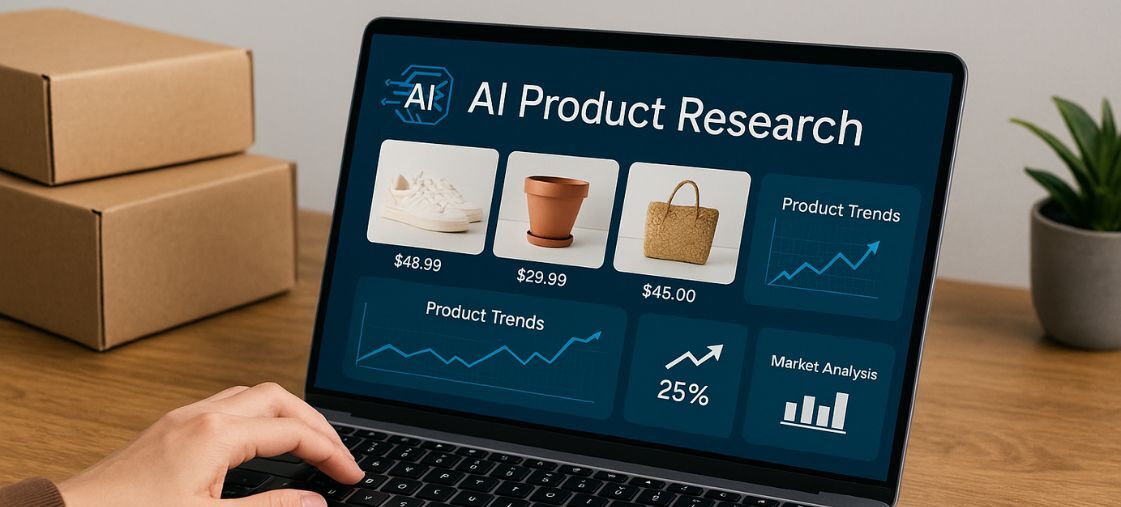

















You don’t need a $200-per-month product research tool to find winning products. You don’t need expensive AI dashboards. And you definitely don’t need a massive startup budget. What you do need is the ability to read data correctly. Most beginners assume that successful ecommerce sellers win because they have access to premium tools. In reality? They win because they know how to interpret signals. If you’re running a dropshipping store, Amazon shop, Shopify brand, or planning to launch one — this guide will show you how to: Use Google Trends for ecommerce effectively Leverage free product research tools Identify trending products early Validate demand without paid software Build a budget dropshipping strategy that actually works Let’s break down how to find winning products for free — step by step. The Myth: “You Need Expensive Tools to Find Winning Products” Premium tools are convenient. But they are not magical. Most paid product research platforms pull data from: Public marketplaces Search trends Ad libraries Keyword databases Much of this data is already available — free. The real difference isn’t access. It’s analysis. Low budget product research is about combining free tools intelligently. And when done properly, it can outperform expensive subscriptions. Step 1: Master Google Trends for Ecommerce If you only use one tool, make it Google Trends. It’s free. It’s powerful. And most people use it incorrectly. How to Use Google Trends Properly Go beyond single keyword checks. Instead: 1. Compare Multiple Keywords Example: “Portable blender” “Mini smoothie maker” “USB blender” Compare relative growth over 12 months. Look for: Upward long-term trajectory Seasonal spikes Emerging breakout searches Winning products often show steady upward curves — not sudden one-week spikes. 2. Switch […]

February 11, 2026

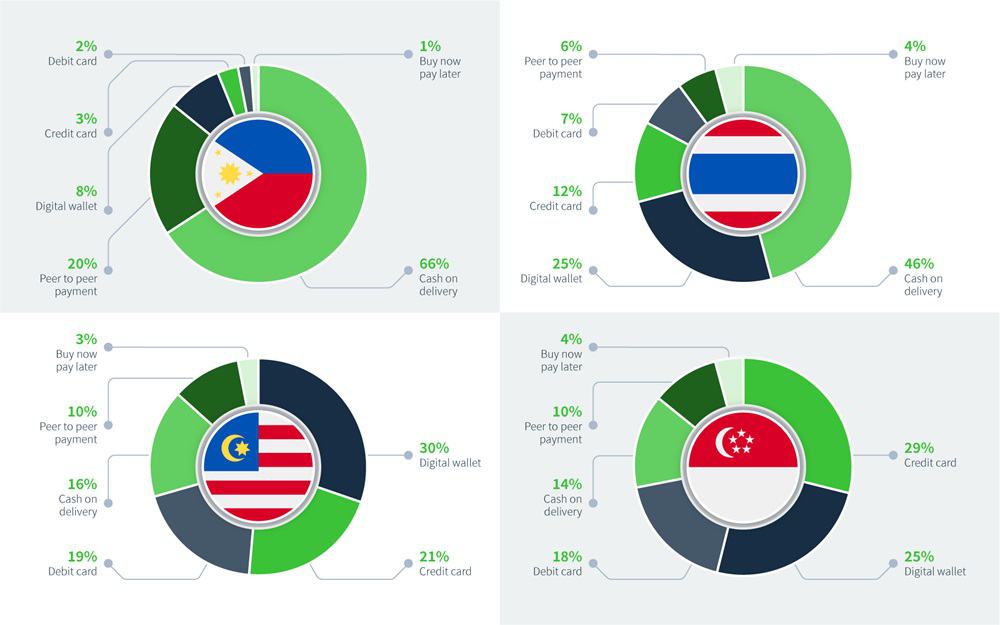
In the early days of ecommerce, most sellers focused on one market. Usually the U.S. Maybe Europe. But today? The real growth — and the real margins — are happening elsewhere. Southeast Asia and Latin America are no longer “emerging.”They are expanding at a pace that many Western markets simply can’t match. And yet, most sellers are still competing in overcrowded marketplaces while ignoring high-profit product opportunities abroad. Global product sourcing is no longer optional. It’s a competitive advantage. In this guide, you’ll learn how to: Identify profitable products in Southeast Asia Spot fast-growing ecommerce trends in Latin America Use international product research tools effectively Analyze consumer behavior differences Build a cross-border ecommerce strategy with high margins Let’s break it down. Why Southeast Asia and Latin America Are Goldmines for Ecommerce Sellers Before diving into tools and tactics, we need to understand why these regions matter. Southeast Asia Ecommerce Market Growth Countries like: Indonesia Vietnam Thailand Philippines Malaysia have seen explosive ecommerce adoption in the last five years. Key drivers include: Rapid smartphone penetration Young, digital-first population Expanding middle class Increased cross-border shopping In many of these countries, ecommerce growth rates exceed 15–20% annually. Competition?Still relatively fragmented. That means opportunity. Latin America Ecommerce Trends Latin America, especially: Brazil Mexico Colombia Chile is undergoing a digital commerce transformation. Mobile-first shopping behavior dominates. Social commerce is strong. Local payment solutions are expanding access. And importantly: Many product categories remain under-saturated compared to U.S. markets. That’s where high profit dropshipping products can emerge. The Biggest Mistake in Global Product Sourcing Most sellers make one critical mistake: They copy U.S. bestsellers and try to sell them internationally. That rarely works. Why? Because: Climate differs […]

February 11, 2026

For years, dropshipping was a game of speed. Whoever found the product first won.Whoever copied it faster made money.Whoever reacted slower lost. But that era is ending. Not because people got smarter.Because machines did. We are officially entering the AI product research era, where artificial intelligence is no longer a “nice-to-have tool,” but a core decision-making engine behind how winning dropshipping products are discovered, validated, and scaled. This isn’t hype.It’s already happening. And if you’re still researching products the same way you did three years ago, you’re already behind. The Old Way: Manual Guesswork Disguised as Research Let’s be honest about how product research used to work. You would: Scroll TikTok or Instagram for hours Check Amazon Best Sellers Spy on Facebook ads Search AliExpress trending pages Copy what looked popular On the surface, this felt like “research.” In reality, it was: Reactive Emotion-driven Late-stage By the time you found a product, hundreds—sometimes thousands—of other sellers had already seen it. The margin was gone before you even launched. Why Traditional Product Research No Longer Works The dropshipping landscape has changed in three fundamental ways: 1. Platforms Move Faster Than Humans Trends now rise and fall in days, not months. Human pattern recognition simply can’t keep up with: Millions of videos Billions of data points Real-time engagement signals 2. Competition Is No Longer Local—It’s Global A product that trends in one region is instantly copied worldwide. Manual research creates crowded markets, not opportunities. 3. Data Has Become Too Complex Winning products are no longer obvious. They sit at the intersection of: Consumer behavior Timing Pricing psychology Creative angles This is where AI enters the picture. What AI Actually Changes in Product […]

February 10, 2026

Most sellers don’t miss winning products because they lack skill. They miss them because they see them too late. By the time a product shows up on: Bestseller lists “Trending now” pages Social media feeds The opportunity window is already shrinking. Competition piles in.Ad costs rise.Margins compress. The real advantage doesn’t belong to the fastest fingers—it belongs to sellers who let systems watch the market for them. That’s where automated product research comes in. Why Manual Product Research Is Quietly Holding You Back Scrolling marketplaces, refreshing dashboards, checking rankings manually—it feels productive. But it has limits. Manual research is: Time-consuming Reactive Emotion-driven Easy to miss early signals Humans are good at judgment.They’re terrible at monitoring thousands of data points at once. Automation doesn’t replace decision-making.It replaces waiting. What “Automated Product Research” Actually Means Automated product research isn’t a magic button. It’s a system where: Tools monitor markets continuously Rules define what “interesting” looks like Alerts notify you when conditions are met Instead of asking: “What should I sell today?” You ask: “What signals tell me a product might be worth attention?” That shift changes everything. Why Timing Matters More Than Product Quality (At First) Many products aren’t “bad.” They’re just: Entered too late Launched after saturation Caught during price wars Early-stage products allow you to: Test with lower ad costs Build listing authority Establish pricing power Collect early reviews Automation helps you spot momentum, not popularity. Step 1: Define What a “Winning Signal” Looks Like Before setting any alert, you need clarity. Automated tools only work if you tell them what to look for. Common winning signals include: Sudden increase in sales velocity Rapid growth in search volume New listings […]

February 9, 2026

Low-ticket products are easy to sell. High-ticket products are hard to replace. That difference is why experienced sellers eventually shift their focus from chasing volume to building margin. If you’ve ever felt that: You’re selling more, but earning less Ad costs keep rising, but profit stays flat One bad week wipes out a month of gains You’re not alone. The solution isn’t always better ads or cheaper suppliers.Often, it’s better product selection—specifically, high-ticket products with real profit depth. This guide breaks down a practical, data-driven approach to finding products with $50+ profit per unit, using professional research tools instead of guesswork. Why High-Ticket Products Change the Game High-ticket doesn’t just mean “expensive.” It means: Higher perceived value Wider margin buffer Fewer units needed to hit revenue goals More room for ads, logistics, and service Selling a $20 product with $5 profit requires scale.Selling a $300 product with $80 profit requires precision. And precision starts with smarter product research. The Biggest Myth About High-Ticket Products Many sellers assume high-ticket products are: Too competitive Too risky Too complex to manage In reality, low-ticket categories are often more competitive because: Entry barriers are low Products are easy to copy Price wars happen fast High-ticket products usually: Require more explanation Demand trust Attract fewer but more serious buyers That creates opportunity—for sellers willing to do the research properly. What “$50+ Profit” Really Means Before using any tools, define profit correctly. True per-unit profit includes: Product cost Shipping and fulfillment Platform fees Payment processing Advertising Returns and support A product priced at $200 doesn’t matter if only $20 remains. When we say “$50+ profit,” we mean net profit, not markup. This mindset filters out 80% […]

February 9, 2026

In today’s hyper-competitive ecommerce landscape, success rarely comes from selling what everyone else is selling. The era of “general stores” and copy-paste winning products is over. Ad costs are rising, marketplaces are crowded, and consumers are more selective than ever. If you’re entering a market late—or without differentiation—you’re fighting an uphill battle from day one. That’s why the smartest sellers, brands, and product teams are shifting their focus to niche markets. But niche doesn’t mean small.And it definitely doesn’t mean guessing. This article breaks down how to use product research tools to systematically identify the five least competitive vertical markets, using data—not hype, not intuition, and not luck. What Is a Niche Market (Really)? Let’s clear up a common misconception. A niche market is not: A low-volume product A weird or novelty item A product with no competition A one-time trend A true niche market is: A specific group of users With a clearly defined problem Actively searching for solutions Underserved by existing products or brands Competition doesn’t disappear in niches—it becomes inefficient. And inefficiency is where opportunity lives. Why Most Sellers Fail at Niche Market Research Before we talk about tools, we need to talk about mistakes. Most sellers fail at niche research because they: Start with products instead of problems Rely on surface-level metrics (volume only) Confuse low competition with low demand Use tools passively instead of strategically Look for “proof” instead of probability Niche discovery is not about finding something perfect.It’s about finding something unbalanced—where demand outpaces supply quality. Why Product Research Tools Matter More Than Ever Manual research can only take you so far. Modern product research tools allow you to: Scan millions of data points […]

February 5, 2026
1 2 3 4 38
DropSure is Your Best Partner
22 Years Experience
Affiliate Rebates
100% Quality Guarantee
Top-Up Rewards
10+ Global Warehouses
Custom Branding Support
Smart inventory System
24/7 Customer Support
Get a Quote in 24 Hours
Start Sourcing for Free