En
En
 7 min read
For years, dropshipping was a game of speed.
Whoever found the product first won.
Whoever copied it faster made money.
Whoever reacted slower lost.
But that era is ending.
Not because people got smarter.
Because machines did.
We are officially entering the AI product research era, where artificial intelligence is no longer a “nice-to-have tool,” but a core decision-making engine behind how winning dropshipping products are discovered, validated, and scaled.
This isn’t hype.
It’s already happening.
And if you’re still researching products the same way you did three years ago, you’re already behind.
The Old Way: Manual Guesswork Disguised as Research
Let’s be honest about how product research used to work.
You would:
-
Scroll TikTok or Instagram for hours
-
Check Amazon Best Sellers
-
Spy on Facebook ads
-
Search AliExpress trending pages
-
Copy what looked popular
On the surface, this felt like “research.”
In reality, it was:
-
Reactive
-
Emotion-driven
-
Late-stage
By the time you found a product, hundreds—sometimes thousands—of other sellers had already seen it.
The margin was gone before you even launched.
Why Traditional Product Research No Longer Works
The dropshipping landscape has changed in three fundamental ways:
1. Platforms Move Faster Than Humans
Trends now rise and fall in days, not months.
Human pattern recognition simply can’t keep up with:
-
Millions of videos
-
Billions of data points
-
Real-time engagement signals
2. Competition Is No Longer Local—It’s Global
A product that trends in one region is instantly copied worldwide.
Manual research creates crowded markets, not opportunities.
3. Data Has Become Too Complex
Winning products are no longer obvious.
They sit at the intersection of:
-
Consumer behavior
-
Timing
-
Pricing psychology
-
Creative angles
This is where AI enters the picture.
What AI Actually Changes in Product Research
AI doesn’t just make research faster.
It makes it smarter.
Instead of asking:
“What’s popular right now?”
AI helps you ask:
“What is about to become popular—and why?”
That difference is everything.
From Observation to Prediction
Traditional tools observe the past.
AI models predict the future.
By analyzing:
-
Search behavior trends
-
Engagement velocity
-
Content consumption patterns
-
Purchase intent signals
AI can identify early momentum before a product explodes.
This is how sellers now enter markets before saturation.
Pattern Recognition at Scale
Humans are good at spotting patterns.
AI is good at spotting millions of patterns simultaneously.
AI-powered product research systems can:
-
Analyze thousands of product listings at once
-
Compare growth curves across categories
-
Detect abnormal spikes in demand
-
Identify anomalies humans would miss
This turns product research from a guessing game into a probability model.
The Shift From “Winning Products” to “Winning Signals”
In the AI era, the product itself matters less than the signals behind it.
AI focuses on:
-
Velocity, not volume
-
Consistency, not virality
-
Buyer intent, not views
A product with:
-
Moderate views
-
High conversion indicators
-
Strong retention
Is often a better business than a viral hit.
AI sees this instantly.
How AI Tools Discover Dropshipping Products Differently
Let’s break down what AI-powered product research tools actually do differently.
1. Cross-Platform Data Fusion
Humans usually research on one platform at a time.
AI combines data from:
-
Social platforms
-
Search engines
-
Marketplaces
-
Ad libraries
This creates a 360-degree view of demand.
If interest appears across multiple platforms at once, AI flags it as a strong opportunity.
2. Trend Acceleration Detection
AI doesn’t just track trends—it tracks how fast they’re accelerating.
This includes:
-
Engagement growth rate
-
Comment-to-view ratios
-
Share velocity
-
Repeat exposure patterns
Acceleration is often more important than raw numbers.
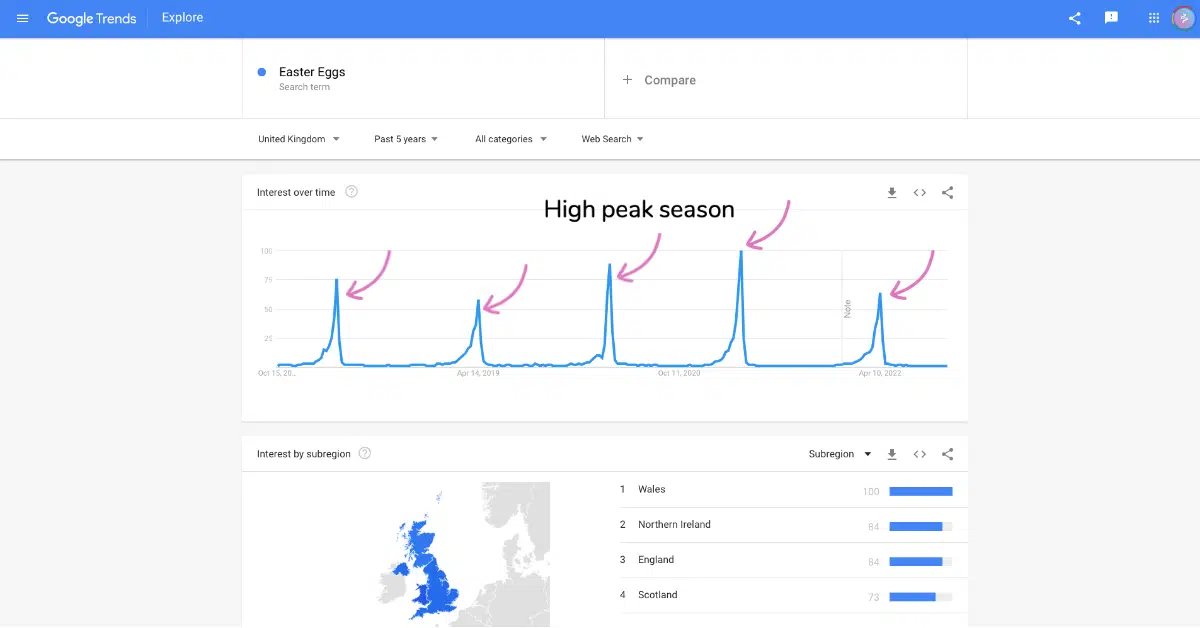
3. Seasonal & Cyclical Intelligence
AI recognizes patterns humans forget.
It can identify:
-
Seasonal demand cycles
-
Annual buying behavior
-
Cultural and regional spikes
This allows sellers to plan months ahead, not react last minute.
4. Consumer Intent Analysis
Not all engagement is equal.
AI distinguishes between:
-
Curiosity
-
Entertainment
-
Purchase intent
Comments like:
-
“Where can I buy this?”
-
“I need this now”
-
“Link?”
Are weighted far more heavily than likes.
AI and Competitive Saturation Analysis
One of the biggest advantages of AI is knowing when not to enter a market.
AI evaluates:
-
Seller density
-
Pricing compression
-
Creative similarity
-
Market fatigue signals
Instead of asking:
“Can I sell this?”
AI helps answer:
“Is it still worth selling this?”
That question saves thousands of dollars.
From Manual Filtering to Automated Scoring
In the AI era, products are no longer “found.”
They are ranked.
Each product receives a score based on:
-
Demand stability
-
Competitive intensity
-
Fulfillment feasibility
-
Profit potential
This removes emotion from decisions.
You stop chasing hype.
You start following data.
How AI Changes the Role of the Seller
AI does not replace dropshippers.
It upgrades them.
Instead of spending time:
-
Scrolling
-
Guessing
-
Copying
Sellers now focus on:
-
Brand positioning
-
Creative differentiation
-
Customer experience
-
Long-term strategy
AI handles the noise.
Humans handle the nuance.
AI Product Research vs Human Intuition
This isn’t an “AI vs human” battle.
The best results come from collaboration.
AI is excellent at:
-
Data processing
-
Pattern recognition
-
Trend prediction
Humans are excellent at:
-
Storytelling
-
Emotional resonance
-
Brand building
AI finds the opportunity.
Humans turn it into a business.
Why Early AI Adopters Are Winning
Sellers using AI-powered research tools consistently:
-
Enter markets earlier
-
Test fewer losing products
-
Scale faster
-
Waste less ad spend
They don’t work harder.
They work with better information.
The Risks of Ignoring AI in Product Research
Ignoring AI doesn’t make it go away.
It just means:
-
Your competitors move faster
-
Your research is slower
-
Your costs are higher
In a margin-based business like dropshipping, efficiency is survival.
The Future: Fully Automated Product Pipelines
We’re already seeing the next evolution.
AI systems that:
-
Discover products
-
Validate demand
-
Monitor competition
-
Trigger alerts
-
Recommend launch timing
Soon, product research will be:
-
Continuous
-
Automated
-
Predictive
The role of the seller will shift even further toward strategy and branding.
From Hustle Culture to Systems Thinking
The AI era marks the end of hustle-based dropshipping.
Scrolling all night is no longer a competitive advantage.
Systems are.
The sellers who win long-term will be:
-
Data-driven
-
Patient
-
Process-oriented
AI enables that shift.
Final Thoughts: Adapt or Be Replaced
AI is not a trend.
It’s a structural change.
Just like:
-
Facebook ads once changed marketing
-
Mobile changed e-commerce
-
Social media changed discovery
AI is now changing how products are found.
You don’t need to be a developer.
You don’t need to build models.
But you do need to adapt.
Because in the AI product research era, the question is no longer:
“What product should I sell?”
It’s:
“What signals should I trust?”
And AI is getting very good at answering that.