En
En
 8 min read
You don’t need a $200-per-month product research tool to find winning products.
You don’t need expensive AI dashboards.
And you definitely don’t need a massive startup budget.
What you do need is the ability to read data correctly.
Most beginners assume that successful ecommerce sellers win because they have access to premium tools.
In reality?
They win because they know how to interpret signals.
If you’re running a dropshipping store, Amazon shop, Shopify brand, or planning to launch one — this guide will show you how to:
-
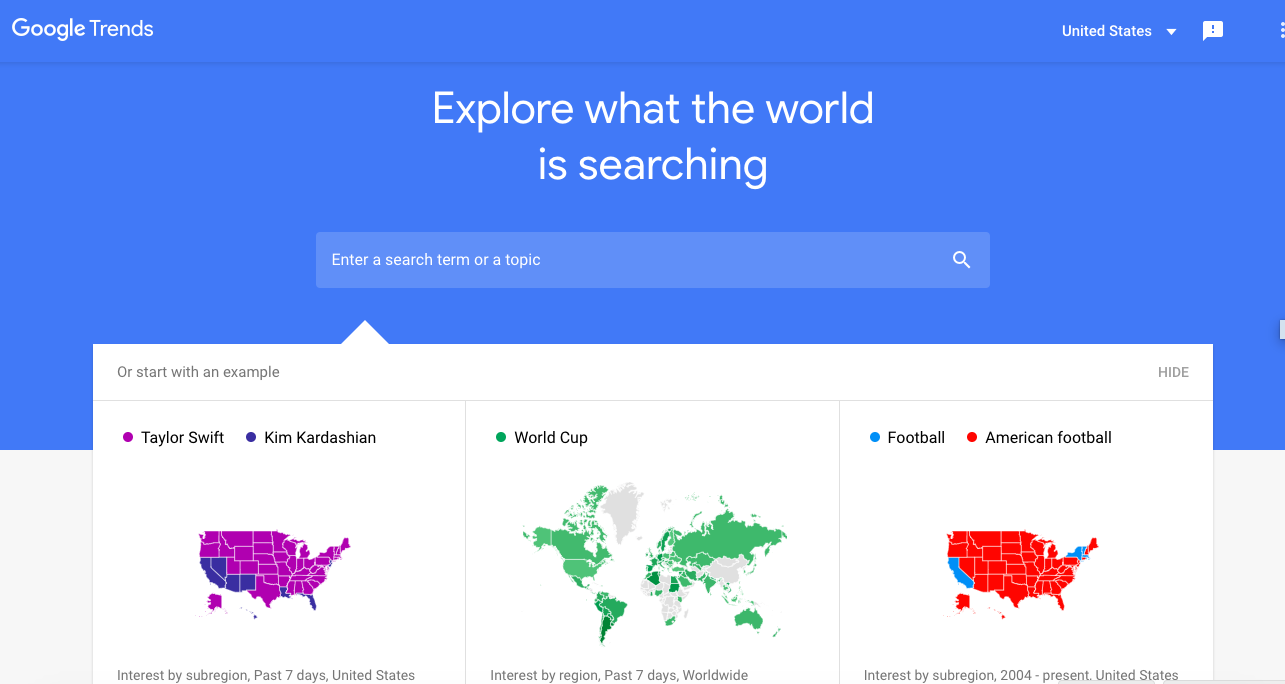
Use Google Trends for ecommerce effectively
-
Leverage free product research tools
-
Identify trending products early
-
Validate demand without paid software
-
Build a budget dropshipping strategy that actually works
Let’s break down how to find winning products for free — step by step.
The Myth: “You Need Expensive Tools to Find Winning Products”
Premium tools are convenient.
But they are not magical.
Most paid product research platforms pull data from:
-
Public marketplaces
-
Search trends
-
Ad libraries
-
Keyword databases
Much of this data is already available — free.
The real difference isn’t access.
It’s analysis.
Low budget product research is about combining free tools intelligently.
And when done properly, it can outperform expensive subscriptions.
Step 1: Master Google Trends for Ecommerce
If you only use one tool, make it Google Trends.
It’s free.
It’s powerful.
And most people use it incorrectly.
How to Use Google Trends Properly
Go beyond single keyword checks.
Instead:
1. Compare Multiple Keywords
Example:
-
“Portable blender”
-
“Mini smoothie maker”
-
“USB blender”
Compare relative growth over 12 months.
Look for:
-
Upward long-term trajectory
-
Seasonal spikes
-
Emerging breakout searches
Winning products often show steady upward curves — not sudden one-week spikes.
2. Switch to “Shopping” Search Filter
This is critical.
Instead of “Web Search,” choose:
Shopping
This shows buying intent rather than casual browsing.
If a product rises under Shopping search, it’s more likely to convert.
3. Check Geographic Demand
Use the region filter to:
-
Identify under-served states
-
Find emerging countries
-
Spot localized demand pockets
For example:
If “car seat gap filler” spikes in Texas and Florida, that signals targeted ad opportunities.
4. Analyze 5-Year Data
Short-term spikes can mislead.
Zoom out.
Look for:
-
Gradual year-over-year growth
-
Repeat seasonal patterns
-
Stability beyond trend hype
Sustainable products outperform viral fads long-term.
Step 2: Use Free Ecommerce Plugins
You don’t need expensive SaaS tools.
Several free Chrome extensions can provide powerful insights.
1. Amazon Best Sellers (Free Built-In Tool)
Amazon’s own Best Sellers pages reveal:
-
High-demand categories
-
Consistent ranking changes
-
Seasonal movement
Look for:
-
Products ranked consistently under #5,000
-
High review counts (indicates sustained demand)
-
Moderate price points ($20–$60 sweet spot)
This helps identify high-volume categories.
2. Free Shopify Store Inspector Plugins
Some free browser extensions allow you to:
-
Identify best-selling Shopify stores
-
Analyze product catalog sizes
-
See pricing structures
Even without premium features, you can observe:
-
How many products are pushed heavily
-
Which SKUs appear repeatedly in ads
-
Pricing psychology patterns
Patterns reveal winners.
3. Meta Ad Library (100% Free)
Go to Facebook Ad Library.
Search by product keywords.
Look for:
-
Ads running for 30+ days
-
Multiple creative variations
-
High engagement
If a brand is scaling ads consistently, the product is likely profitable.
Long-running ads = validated demand.
Step 3: Validate With Marketplace Cross-Checking
One mistake beginners make:
They see a product trending in one place and immediately launch it.
Instead, cross-validate.
If a product appears in:
-
Google Trends growth
-
Amazon Best Sellers
-
Facebook Ad Library
-
TikTok product mentions
That convergence signals real demand.
The more platforms confirming it, the lower the risk.
Step 4: Evaluate Profit Potential Without Paid Calculators
You don’t need a premium margin calculator.
Use basic math.
Target formula:
Retail Price ≥ 3x Product Cost
Example:
Product cost: $8
Shipping: $5
Total landed cost: $13
Retail target: $39–$45
Aim for:
50–65% gross margin.
Avoid products where:
Shipping > 30% of selling price.
Lightweight, compact items win in low budget strategies.
Step 5: Use TikTok and Instagram as Early Trend Sensors
Social media is a free product research goldmine.
Search hashtags:
-
#TikTokMadeMeBuyIt
-
#AmazonFinds
-
#KitchenGadgets
-
#CarAccessories
Watch for:
-
Repeated product appearances
-
Multiple creators reviewing same item
-
Comments asking “Where can I buy this?”
Demand often appears on TikTok before Google search spikes.
If you combine TikTok signals with Google Trends confirmation, you gain timing advantage.
Step 6: Identify Evergreen vs Viral Products
Low budget sellers should prioritize evergreen products.
Why?
Viral products require:
-
Aggressive ad spend
-
Fast scaling
-
High creative production
Evergreen products allow:
-
Slower testing
-
SEO traffic building
-
Lower marketing pressure
Examples of evergreen niches:
-
Home organization
-
Pet accessories
-
Car interior tools
-
Fitness accessories
-
Beauty tools
These categories generate consistent demand year-round.
Step 7: Analyze Reviews to Find Improvement Angles
Go to Amazon reviews.
Filter by:
3-star reviews.
These often reveal:
-
Minor frustrations
-
Improvement opportunities
-
Missing features
If you can source a slightly improved version, you differentiate without inventing a new product.
That’s smart product research — not guesswork.
Step 8: Avoid Oversaturated Red Flags
Low budget sellers must avoid heavy competition.
Watch for:
-
Massive influencer sponsorship saturation
-
Extremely low pricing wars
-
Thousands of identical Shopify stores
-
Ad fatigue (same creatives everywhere)
If every store is selling the same product with identical photos, margins will shrink quickly.
5 Winning Product Characteristics for Budget Sellers
Look for products that are:
-
Problem-solving
-
Visually demonstrable
-
Lightweight
-
Under $60 retail
-
Not easily found in local retail stores
Examples:
-
Under-desk cable organizers
-
Pet hair remover rollers
-
Adjustable posture correctors
-
Compact kitchen tools
-
Car scratch repair kits
These products are:
Affordable to test.
Easy to advertise.
Simple to ship.
Budget Testing Strategy
Instead of spending $1,000 testing one product:
Test 5 products at $100 each.
Focus on:
-
Click-through rate
-
Add-to-cart rate
-
Conversion rate
Kill fast.
Scale cautiously.
Low budget product research requires disciplined testing.
SEO Strategy for Free Product Research
If building organic traffic:
Create content around:
-
“Best [product] for small apartments”
-
“Affordable [product] under $50”
-
“Trending [product] in 2026”
Use long-tail keywords discovered via:
Google autocomplete
People Also Ask
Related searches
This builds free traffic over time.
Common Beginner Mistakes
-
Chasing viral spikes only
-
Ignoring shipping costs
-
Testing one product at a time
-
Copying competitors blindly
-
Skipping validation
Remember:
Data first.
Emotion second.
Can You Really Compete Without Paid Tools?
Yes.
Because tools don’t replace strategy.
Paid platforms automate convenience.
But free tools combined intelligently provide:
-
Demand insights
-
Competitive validation
-
Trend forecasting
-
Geographic targeting
-
Profit calculation
And for beginners, lean strategies often outperform overfunded chaos.
Frequently Asked Questions (SEO Optimized)
Can I find winning products without paid tools?
Yes. Using Google Trends, Meta Ad Library, Amazon Best Sellers, and TikTok research together can effectively validate demand for free.
Is Google Trends reliable for ecommerce?
When filtered by Shopping search and analyzed over 12 months or more, Google Trends provides powerful demand signals.
What is the best free product research tool?
Google Trends combined with Facebook Ad Library offers the strongest free validation framework.
How much budget do I need to test products?
You can begin testing with as little as $300–$500 if you manage risk carefully and test multiple products.
Final Thoughts: Strategy Beats Subscription
Low budget product research is not about having less.
It’s about being sharper.
When you combine:
-
Google Trends analysis
-
Free ecommerce plugins
-
Social media monitoring
-
Marketplace cross-validation
-
Basic margin math
You build a powerful system — without monthly fees.
Many successful sellers started with zero subscriptions.
They won because they:
Watched trends early.
Validated carefully.
Tested strategically.
Scaled patiently.
The truth?
Winning products aren’t hidden behind paywalls.
They’re hidden in plain sight.
You just need to know where — and how — to look.