< Blogs

Must-Have Dropshipping Tools and Software in 2025: Grow Your Business

Vivan Z.
Created on November 21, 2024 – Last updated on February 6, 20255 min read
Written by: Vivan Z.

Hey there! Starting or scaling your dropshipping business? Finding the right tools can make all the difference. The right ones save you time, help you make more money, and simplify your workflow. Let me show you some must-have tools for 2025 to help you crush your goals.


The Challenges of Dropshipping

First, let’s get real about the challenges. Dropshipping can be exciting, but it’s not all smooth sailing. You’ll face:

  • Too many manual tasks that slow you down.
  • The need to lower costs, expand products, and keep customers happy.
  • Fierce competition, so you need to stand out.

Sounds familiar? Don’t worry. That’s where these tools come in. They’ll help you automate tasks, improve profits, and grow faster.


Why Use Tools?

Here’s why you need them:

  • They reduce manual work. Say goodbye to time-consuming tasks.
  • They help you save money and boost your earnings.
  • They prepare you to grow your business without headaches.

Let’s dive into the tools, grouped by what they do.


Tool Categories and Recommendations

1. Multi-Account Management

GoLogin:
Run multiple seller accounts safely, like on Amazon or eBay.

  • Why you’ll love it: Manage accounts in bulk and share access with your team.
  • Great for: Splitting risk across multiple accounts.
  • Pricing: Free for up to 3 accounts. Paid plans start at $49/month.gologin

2. All-in-One Dropshipping Tools

Convictional:
Handle suppliers and automate orders easily.

  • Why you’ll love it: Smooth supplier management and data insights.
  • Great for: Managing many suppliers without headaches.
  • Pricing: Starts at $2,000/month.convictional

Sell The Trend:
Use AI to find winning products and make better ads.

  • Why you’ll love it: Find trending products quickly and measure ad success.
  • Great for: Expanding product choices and boosting sales.
  • Pricing: Starts at $39.97/month.sell the trend

CJ Dropshipping:
Perfect for budget-friendly sellers.

  • Why youll love it: Global warehouses, automated orders, and affordable prices.
  • Great for: Expanding product variety and optimizing shipping.
  • Pricing: Free plan available

    CJ dropshipping

Yakkyofy:
AI-powered tool for smooth dropshipping.

  • Why you’ll love it: Automates orders and supports custom branding.
  • Great for: Budget-conscious sellers looking to streamline buying.
  • Pricing: Starts at $39/month. Yakkyofy

3. Product Research and Competitive Analysis

BigSpy:
Track competitors’ ads and trends.

  • Why you’ll love it: Find what’s working for others and adapt it.
  • Great for: Spotting trends and improving your strategy.
  • Pricing: Starts at $9/month.big spy

Syncee:
Connect with reliable suppliers and automate product updates.

  • Why you’ll love it: No more manual updates or sketchy suppliers.
  • Great for: Bulk product management.
  • Pricing: Free plan available, paid plans start at $29/month.Syncee

4. Customer Service Tools

Lyro AI Agent:
AI that answers your customers’ questions.

  • Why you’ll love it: Saves time on FAQs and builds trust.
  • Great for: Fast customer responses.
  • Pricing: Free for up to 50 conversations.lyro

5. Marketing and Visual Tools

Claid.ai:
Edit product images with AI.

  • Why you’ll love it: Create professional images fast.
  • Great for: Making products stand out.
  • Pricing: Starts at $19/month.

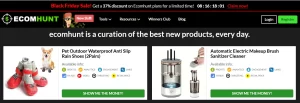
Ecomhunt:
Find trending products with ease.

  • Why you’ll love it: Stay ahead of the curve.
  • Great for: Spotting what customers want.Ecomhunt

6. Inventory and Logistics Management

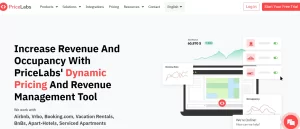
PriceLabs:
Automatically adjust prices to stay competitive.

  • Why you’ll love it: Beat the competition with smart pricing.
  • Great for: Maintaining profit margins.PriceLabs

Stock Sync:
Sync inventory across platforms.

  • Why you’ll love it: Avoid running out of stock.
  • Great for: Keeping inventory updated.stock sync

ShippingSavvy:
Find the cheapest and fastest shipping options.

  • Why you’ll love it: Save money on delivery.
  • Great for: Keeping customers happy with fast shipping.ShippingSavvy

Final Words

Which tool should you pick? Start with the ones that match your current needs. Don’t overspend—test free plans or trials first. This way, you’ll know what works before investing more.

Have you used any of these tools? Which one helped you the most? Drop your thoughts in the comments and share your experience with fellow sellers. Let’s grow together!

Buttom

DropSure is Your Best Partner
22 Years Experience
Affiliate Rebates
100% Quality Guarantee
Top-Up Rewards
10+ Global Warehouses
Custom Branding Support
Smart inventory System
24/7 Customer Support
Get a Quote in 24 Hours
Start Sourcing for Free

Keep Learning

Choosing the right fulfillment partner is crucial for your e-commerce success. A great partner streamlines operations, enhances customer satisfaction, and supports business growth. Here’s a quick guide to help you find the perfect match. Why It’s Important A fulfillment partner manages logistics like warehousing, shipping, and inventory management. Choosing the wrong partner can lead to delays and lost customers, while the right one drives efficiency, reduces costs, and enhances your customer experience. 1. Understand the Types of Logistics Service Providers 1PL: Direct logistics management between manufacturer and customer, ideal for smaller businesses. 2PL: Asset-based carriers (e.g., shipping companies) handling transportation. 3PL: Outsources parts of the supply chain, offering warehousing, distribution, and services like inventory management. 4PL: Manages the entire supply chain with strategic and IT support for comprehensive logistics. What to Look for in a Fulfillment Partner   Services and Capabilities Look for partners that offer value-added services like kitting, assembly, and custom branding (e.g., packaging and marketing inserts).     Communication Frequent and transparent communication is crucial. Ensure your partner provides regular updates on inventory and order statuses to keep things running smoothly.   Scalability and Flexibility Your fulfillment partner must adapt to demand fluctuations, especially during peak seasons, without sacrificing service quality.     Technology Integration Ensure your partner’s systems (WMS, OMS) integrate seamlessly with your platform, enabling smooth operations and real-time data sharing.     References Ask for case studies or references to evaluate the partner’s reliability and effectiveness.   The Payoff: Unpacking the Benefits of the Perfect Fulfillment Match Cost Efficiency An ideal partner optimizes shipping costs, reduces transit times, and helps you cut shipping expenses while improving delivery times. This gives you a competitive edge.   […]

Every year produces a handful of breakout products — items that seem to appear everywhere at once, dominate online conversations, and outperform expectations across marketplaces. At first glance, these successes may look unpredictable, driven by luck, viral trends, or sudden consumer obsession. But when examined closely, product winners are rarely accidents. Behind nearly every breakout product lies a repeatable selection logic: identifiable patterns in consumer behavior, supply chain evolution, pricing psychology, material innovation, and platform dynamics. The brands and sellers who consistently win are not chasing trends randomly — they are recognizing structural signals early. This article reviews ten of the most successful product categories of 2025 and analyzes the deeper logic behind their rise. More importantly, it translates those lessons into actionable frameworks that can guide smarter product decisions in 2026. Why Reviewing Winning Products Matters More Than Predicting Trends Many sellers focus on forecasting the future, but experienced operators spend equal time studying the past. Why? Because consumer behavior evolves gradually, not randomly. Winning products often share invisible similarities long before they become obvious successes. A proper review helps answer key questions: What problems were consumers actually trying to solve? What emotional triggers drove purchases? Which supply-side advantages enabled scale? What product attributes reduced buying hesitation? Which features increased repeat purchases? Understanding these patterns turns hindsight into forward strategy. The 2025 Market Environment: What Changed Before analyzing individual winners, it’s important to understand the broader environment shaping product success in 2025. Three macro shifts defined consumer purchasing: 1. Practical Innovation Over Novelty Consumers moved away from gimmicks. Instead, they favored products that improved daily routines in measurable ways. Functionality began outperforming pure aesthetics. 2. Modular and Replaceable Design […]

Have you ever dreamed of starting your own successful business without a lot of start-up capital? Building a high-growth, profitable e-commerce company from the ground up while minimizing the risks and costs associated with inventory and fulfillment is easier to achieve than you think. Direct sales is a business model that has allowed countless entrepreneurs to open online stores without any upfront inventory investment. By acting as a middleman between suppliers and consumers, direct selling allows you to test product-market fit, run marketing campaigns to drive sales, and scale your operations – all without having to physically touch the product. In this article, we’ll share the step-by-step blueprint developed over the past few years to create and grow multiple six-figure direct sales businesses. You’ll learn everything from choosing profitable product segments and finding reliable vendors to optimizing your website, placing ads and managing operations. How to Find Profitable Dropship Blueprint with Minimal Investment  Researching profitable product niches  Choosing a profitable niche is the key to building a successful direct sales business. First, you need to thoroughly research market trends and identify product categories that are currently in high demand and have relatively low competition. For example, areas such as pet supplies, home décor and baby products have shown steady growth in recent years. After identifying potential niches, it is crucial to assess market demand and the level of competition. Use tools such as Google Trends and Keyword Planner to analyze the search volume and level of competition for relevant products. Keywords with high search volume and moderate competition may point to a potential niche. Understanding your target audience is also key to success. Analyzing the demographics of potential customers, such […]

Recommended for you