En
En
 16 min read
Introduction: Turning Lost Carts Into Second Chances
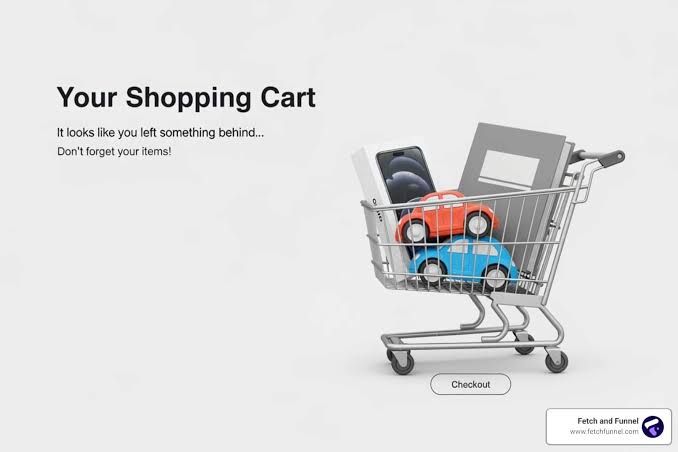
Every online store owner has experienced the same frustrating moment: a customer visits the website, browses products, adds items to the shopping cart, enters the checkout page, and then disappears without completing the purchase.
This situation happens every day across the world of e-commerce.
A potential buyer was already interested. They had enough motivation to select a product. They may have even imagined owning it. Yet something stopped them before they clicked the final payment button.
This is known as cart abandonment, and it represents one of the biggest challenges faced by independent online stores.
Many business owners mistakenly assume that once visitors leave the website, the opportunity is gone. However, a customer who abandons a cart is not the same as a customer who never showed interest.
They already interacted with your brand.
They already viewed your products.
They already demonstrated purchase intention.
This means they are often much easier to reconnect with compared with completely new visitors.
This is where social media remarketing becomes a powerful tool.
Instead of waiting for customers to return on their own, brands can strategically reconnect with previous visitors through platforms where they spend their daily time. By showing personalized messages, reminding customers about products they considered, and reducing purchase hesitation, businesses can recover lost sales and build stronger customer relationships.
In this article, we will explore four practical social media remarketing strategies that independent online stores can use to bring back abandoned cart users.
These strategies focus on:
- Creating personalized product reminders
- Using emotional triggers to rebuild purchase motivation
- Offering smart incentives without damaging brand value
- Building trust through social proof and customer confidence
Let’s explore how these approaches can transform abandoned carts into completed orders.
Understanding Why Customers Abandon Their Shopping Carts
Before creating an effective remarketing strategy, it is important to understand why customers leave without purchasing.
Not every abandoned cart happens because customers changed their minds.
Often, the reasons are more complicated.
1. Unexpected Costs Create Hesitation
One of the most common reasons customers abandon checkout is discovering additional costs.
Examples include:
- High shipping fees
- Unexpected taxes
- Extra service charges
- Long delivery times
A customer may love a product but suddenly question whether the total price is worth it.
A remarketing campaign can address this concern by highlighting:
- Free shipping opportunities
- Fast delivery advantages
- Product value
- Long-term benefits
2. Customers Need More Time Before Buying
Many online purchases are not instant decisions.
Customers often compare:
- Different brands
- Product features
- Prices
- Reviews
A visitor may leave simply because they need time to think.
Remarketing helps your brand stay visible during this decision-making process.
When customers repeatedly see the product in a positive context, they are more likely to return.
3. Lack of Trust Stops the Final Purchase
For independent stores, trust is especially important.
Customers may hesitate because they wonder:
- Is this website reliable?
- Will the product match the description?
- Is customer service available?
- What happens if I need a return?
Social media remarketing allows brands to answer these concerns by showing:
- Customer reviews
- Real product photos
- User experiences
- Brand stories
4. Distractions Are Everywhere Online
Modern consumers are surrounded by information.
A customer may leave checkout because:
- They received a message
- They opened another app
- They became busy
- They forgot about the purchase
Sometimes, abandoned carts are not lost sales. They are simply unfinished decisions.
A well-designed reminder can bring customers back at the right moment.
The Role of Social Media Remarketing in Customer Recovery
Social media has changed the way brands communicate with shoppers.
Traditional advertising focuses on reaching new audiences.
Remarketing focuses on reconnecting with people who already know your brand.
This difference is extremely valuable.
A person who has visited your product page is not a cold audience. They already have some level of interest.
Social media platforms allow businesses to show relevant messages based on previous actions, such as:
- Visiting a product page
- Adding an item to a cart
- Viewing specific categories
- Engaging with brand content
- Watching product videos
Instead of showing the same advertisement to everyone, brands can create more meaningful customer journeys.
For example:
A customer visits a website and adds a pair of running shoes to their cart.
Two days later, they see a social media advertisement featuring:
- The same running shoes
- Customer reviews
- A message about comfortable design
- A reminder that the product is still available
This feels more personal than a random advertisement.
The customer does not feel like they are being introduced to something new.
They feel like the brand remembers their interest.
Secret Weapon 1: Create Personalized Product Reminder Campaigns
The first and most important strategy is personalization.
Generic advertisements often fail because they do not connect with customer behavior.
A customer who abandoned a leather backpack should not receive the same message as someone who only viewed a product category.
The more relevant the message, the stronger the chance of recovery.
1. Show Customers the Exact Products They Considered
Product reminders work because they reconnect customers with their original interest.
Instead of saying:
“Check out our store today.”
A stronger message is:
“Still thinking about this backpack?”
or:
“Your favorite jacket is waiting for you.”
This type of communication feels natural because it reflects the customer’s previous action.
Effective reminder advertisements usually include:
- Product image
- Product name
- Key benefits
- Clear action button
The goal is not to pressure customers.
The goal is to refresh their memory.
2. Use Different Messages Based on Customer Behavior
Not every abandoned cart customer is at the same buying stage.
A visitor who viewed a product once is different from someone who added it to checkout.
A simple customer journey might look like this:
Stage One: Product Viewer
The customer viewed a product but did not add it to the cart.
Message focus:
- Product benefits
- Brand introduction
- Customer reviews
Example:
“Discover why thousands of customers love this everyday essential.”
Stage Two: Cart User
The customer added products but left before payment.
Message focus:
- Reminder
- Convenience
- Purchase confidence
Example:
“Your selected items are still available. Complete your order whenever you’re ready.”
Stage Three: Previous Buyer
The customer purchased before.
Message focus:
- Repeat purchase
- New arrivals
- Related products
Example:
“Your favorite collection just got a new addition.”
3. Match Content With the Customer’s Interest
Personalization is not only about showing products.
It is also about understanding customer motivation.
For example:
A customer shopping for outdoor equipment may care about:
- Durability
- Weather resistance
- Performance
A customer shopping for fashion products may care about:
- Style
- Comfort
- Appearance
A customer shopping for home products may care about:
- Convenience
- Design
- Quality
The advertisement should speak the customer’s language.
4. Control Remarketing Frequency
One common mistake is showing the same advertisement too many times.
Repeated exposure can become annoying.
Customers may feel:
- The brand is following them too aggressively
- The advertisement lacks creativity
- The company only cares about selling
A better approach is frequency control.
Create a sequence:
Day 1-3:
Product reminder
Day 4-7:
Customer review or benefit-focused content
Day 8-14:
Special offer or final reminder
This creates a natural conversation instead of constant promotion.
Secret Weapon 2: Use Emotional Marketing to Rebuild Purchase Motivation
Many online store owners believe that abandoned carts happen because customers need a discount.
However, price is not always the real problem.
In many cases, customers leave because they lose emotional motivation.
A shopper may initially feel excited about a product, but after leaving the website, that excitement fades. They start thinking:
- “Do I really need this?”
- “Should I wait?”
- “Is there a better option?”
- “Is this worth the money?”
This is where emotional remarketing becomes powerful.
The purpose of emotional marketing is not to manipulate customers. It is to reconnect them with the original reason they were interested in the product.
A successful purchase is usually a combination of logic and emotion.
Customers use logic to justify a purchase, but emotion often creates the desire to buy.
1. Remind Customers About the Problem Your Product Solves
One of the strongest remarketing techniques is focusing on the customer’s original need.
Do not simply remind them:
“Your cart is waiting.”
Instead, remind them why they considered the product.
For example:
A customer abandoned a posture-support office chair.
A weak message:
“Complete your purchase now.”
A stronger message:
“Still looking for a more comfortable way to work from home? Your ergonomic chair is ready whenever you are.”
The second message reconnects the product with the customer’s daily life.
It reminds them of the problem they wanted to solve.
2. Use Lifestyle Images Instead of Only Product Photos
Product images are important, but lifestyle content often creates stronger emotional connections.
Customers do not only buy products.
They buy experiences.
They imagine:
- How the product will improve their life
- How they will feel using it
- How it fits into their identity
For example:
A coffee machine advertisement is not only about the machine.
It can show:
- A peaceful morning routine
- Fresh coffee before work
- A relaxing home environment
A fitness product advertisement is not only about equipment.
It can show:
- Confidence
- Energy
- Personal progress
Social media is highly visual, so lifestyle storytelling can be especially effective.
3. Create a Sense of Ownership Before Purchase
One interesting psychological effect in shopping is that customers often feel connected to items they have already selected.
When someone adds a product to their cart, they begin mentally owning it.
Remarketing can strengthen this feeling.
Examples:
“Your selected style is still waiting.”
“Your outdoor setup is almost complete.”
“Your skincare routine is missing one final step.”
These messages make the product feel personally relevant.
4. Use Storytelling to Strengthen Brand Connection
Independent stores have an advantage that large marketplaces often lack: personality.
Customers increasingly want to support brands with stories.
Remarketing campaigns can include:
- Founder stories
- Product creation process
- Behind-the-scenes content
- Customer experiences
For example:
Instead of simply showing a handmade leather bag, a brand can share:
“How this bag is carefully crafted using traditional techniques.”
This creates emotional value beyond the product itself.
Secret Weapon 3: Use Smart Incentives Without Destroying Your Brand Value
Discounts can recover abandoned carts, but careless discounting can create long-term problems.
If customers learn that leaving their cart always leads to a discount, they may intentionally abandon purchases.
A better approach is strategic incentives.
The goal is not to train customers to wait for lower prices.
The goal is to remove the final barrier preventing purchase.
1. Offer Value-Based Incentives
A discount is only one type of incentive.
Other options include:
Free Shipping
Shipping costs are one of the biggest purchase barriers.
A free shipping reminder can be highly effective.
Example:
“Enjoy free shipping on your selected items today.”
Free Gifts
Small gifts can create excitement without reducing product value.
Examples:
- Accessories
- Samples
- Bonus items
- Limited packaging
Customers often perceive added value more positively than price reduction.
Extended Warranty or Support
For higher-priced products, customers may hesitate because of risk.
Offering:
- Longer warranty
- Free consultation
- Priority customer support
can increase confidence.
2. Create Limited-Time Offers Carefully
Urgency can encourage customers to complete purchases.
However, fake urgency can damage trust.
Avoid messages that constantly claim:
“Only today!”
“Last chance!”
when nothing changes.
Instead, use real reasons:
- Seasonal promotion
- Limited inventory
- Special campaign period
- Holiday event
Authentic urgency feels more trustworthy.
3. Segment Incentives Based on Customer Value
Not every customer needs the same offer.
A first-time visitor may need more encouragement.
A loyal customer may respond better to:
- Early access
- Exclusive benefits
- VIP rewards
Examples:
New customer:
“Enjoy 10% off your first order.”
Returning customer:
“Welcome back. Enjoy early access to our newest collection.”
Personalized incentives feel more premium.
4. Avoid Overusing Discounts
Constant discounts create several problems:
Problem One: Lower Brand Perception
Customers may start thinking:
“The product is only valuable when discounted.”
Problem Two: Reduced Profit Margin
Frequent promotions can hurt business growth.
Problem Three: Lower Customer Loyalty
Customers attracted only by discounts may not become long-term buyers.
A stronger strategy combines:
- Product value
- Customer trust
- Emotional connection
- Occasional incentives
Secret Weapon 4: Build Trust Through Social Proof and Customer Confidence
For independent online stores, trust is one of the most important factors influencing purchase decisions.
A customer who abandons a cart may not dislike your product.
They may simply need more confidence.
Social media provides the perfect environment to build that confidence.
1. Show Real Customer Reviews
Customer reviews reduce uncertainty.
When shoppers see real people enjoying a product, they feel safer making a decision.
Effective review-based remarketing content includes:
- Customer photos
- Video testimonials
- Star ratings
- Before-and-after results
- Detailed experiences
For example:
A skincare brand can show customer transformation stories.
A clothing brand can show real customers wearing products.
A home brand can show customer spaces using their products.
Real experiences feel more trustworthy than promotional claims.
2. Use User-Generated Content
User-generated content is powerful because it feels authentic.
Customers trust other customers.
Examples include:
- Instagram posts from buyers
- Customer videos
- Product demonstrations
- Home setup photos
A remarketing advertisement featuring real users can feel like a recommendation from a friend.
3. Answer Common Purchase Concerns
Many abandoned carts happen because customers still have unanswered questions.
Social media content can directly address concerns.
Examples:
Question:
“Is the product easy to use?”
Content:
Short demonstration video.
Question:
“How does the product look in real life?”
Content:
Customer photos.
Question:
“What if I need help?”
Content:
Clear customer support information.
The more uncertainty you remove, the easier the purchase decision becomes.
4. Create Consistent Brand Credibility
Trust is built through repeated positive experiences.
Your social media presence should communicate:
- Professionalism
- Reliability
- Product knowledge
- Customer care
Important trust signals include:
- Clear product information
- Active social accounts
- Fast responses
- Customer interaction
- Transparent policies
Customers are more likely to complete purchases when they feel the brand is dependable.
Building a Complete Social Media Remarketing Funnel
The strongest remarketing strategy does not rely on one advertisement.
It creates a complete customer journey.
Here is an example:
Step 1: First Reminder (1–3 Days After Abandonment)
Goal:
Bring the product back into the customer’s attention.
Content:
- Product image
- Friendly reminder
- Key benefit
Example:
“Still thinking about your favorite item?”
Step 2: Value Reinforcement (3–7 Days After Abandonment)
Goal:
Increase confidence.
Content:
- Reviews
- Product benefits
- Customer stories
Example:
“See why customers love this product.”
Step 3: Purchase Motivation (7–14 Days After Abandonment)
Goal:
Encourage final action.
Content:
- Limited offer
- Free shipping
- Bonus gift
Example:
“Complete your order and enjoy a special customer reward.”
Measuring the Success of Remarketing Campaigns
A successful campaign requires continuous improvement.
Important indicators include:
Return Rate
How many previous visitors come back?
Conversion Rate
How many returning visitors complete purchases?
Cost Efficiency
Is the campaign generating profitable sales?
Customer Engagement
Are people clicking, viewing, and interacting?
Testing different messages, images, and offers helps identify what customers respond to best.
Common Mistakes Independent Stores Should Avoid
Mistake 1: Treating All Customers the Same
Different customers have different motivations.
Personalization creates better results.
Mistake 2: Only Advertising Discounts
Discounts alone cannot build long-term relationships.
Value and trust matter more.
Mistake 3: Ignoring Mobile Users
Most social media activity happens on mobile devices.
Make sure:
- Images are clear
- Text is easy to read
- Landing pages load quickly
Mistake 4: Giving Up Too Quickly
Some customers need multiple interactions before purchasing.
Remarketing is about staying connected, not forcing immediate decisions.
Final Thoughts: Turn Abandoned Carts Into Valuable Opportunities
Abandoned carts are not simply lost revenue.
They represent customers who already showed interest but need additional encouragement.
Social media remarketing gives independent online stores the ability to reconnect with these potential buyers in a more personal and meaningful way.
The four most effective strategies are:
- Create personalized product reminders
- Use emotional storytelling to rebuild purchase desire
- Provide smart incentives that protect brand value
- Build trust through reviews and social proof
The future of online retail is not only about attracting more visitors.
It is about understanding existing customers, creating better connections, and helping interested shoppers complete their decisions.
With a thoughtful remarketing strategy, every abandoned cart becomes a second chance to create a successful customer relationship.