














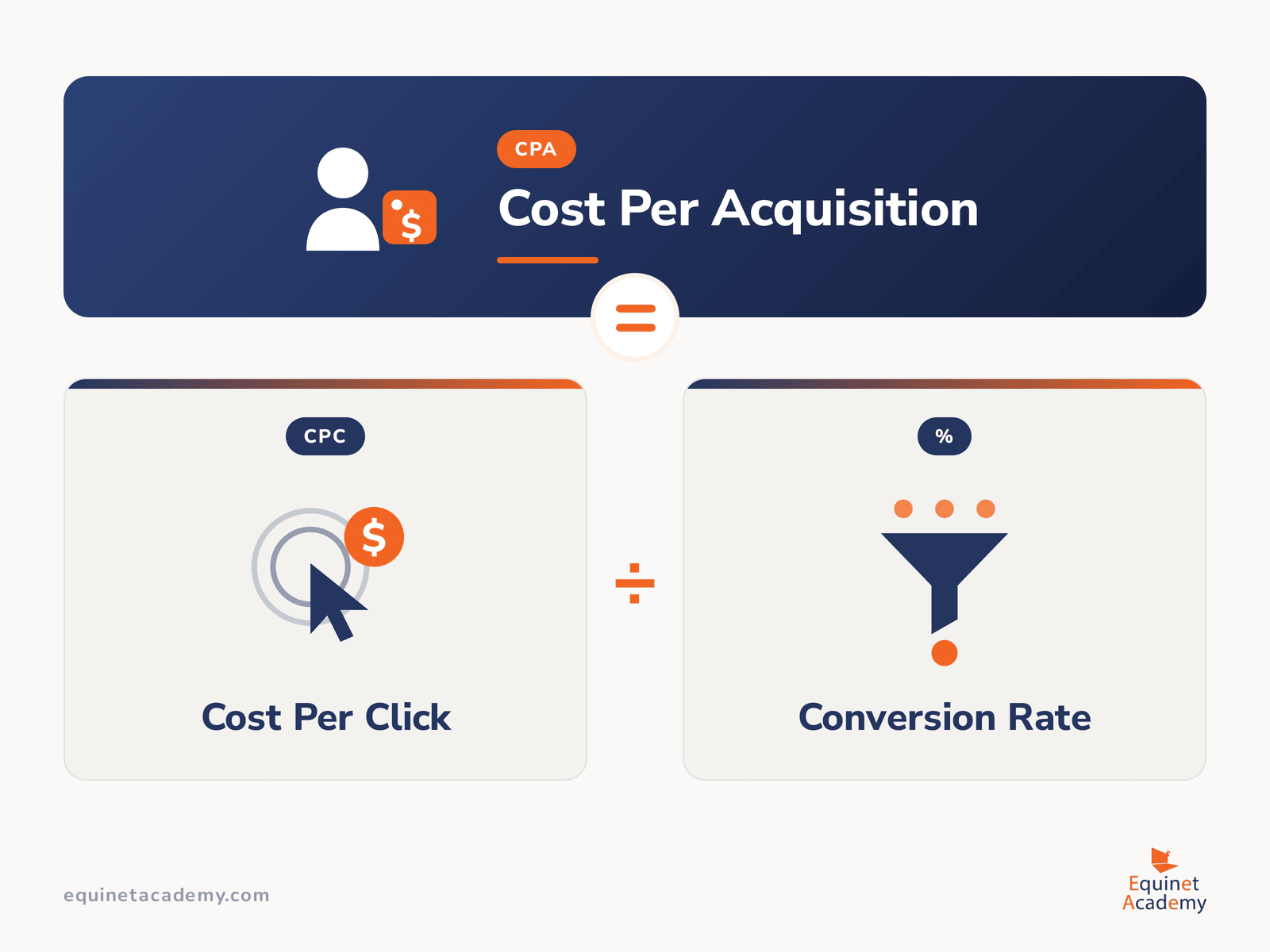
Every ecommerce business wants advertising campaigns that generate more customers without constantly increasing the budget. Yet many brands struggle with the same problem: their advertisements attract attention but fail to turn enough prospects into paying customers. A product image may look attractive. A promotional headline may receive clicks. A short video may generate thousands of views. But if the advertisement does not connect with a real customer need, those interactions may never become purchases. One of the most effective ways to improve advertising performance is to build ad copy around customer pain points. Instead of simply describing what a product is or listing its features, pain-point-driven advertising explains why the product matters in the customer’s everyday life. It identifies a problem, reflects the customer’s experience, and presents a relevant solution. This approach can help businesses attract more qualified prospects, reduce unnecessary clicks, and improve the likelihood that visitors will complete a purchase. However, not all pain points are the same. Customers may be motivated by wasted time, unexpected expenses, inconvenience, uncertainty, or frustration with existing alternatives. Each motivation requires a different message. In this guide, we will explore four practical pain-point advertising formulas that ecommerce brands can use to write more persuasive ad copy, improve conversion rates, and work toward a lower cost per acquisition (CPA). You will also learn how to research customer problems, adapt the formulas to different advertising platforms, test copy variations, and measure whether your messaging is producing real business results. 1. Why Pain-Point-Driven Ad Copy Can Improve Advertising Performance Many advertisements begin with the product. They might say: “Discover Our New Window Shades.” “Shop Premium Skincare Products.” “Explore Our Latest Home Accessories.” “Upgrade Your Everyday […]

November 26, 2026

You launch a new advertising campaign, and everything looks promising. Your ads attract attention, click-through rates are strong, purchases are coming in, and your return on ad spend (ROAS) is moving in the right direction. For a while, the campaign seems to run almost effortlessly. Then performance begins to change. Impressions continue to grow, but fewer people click. Cost per click increases. Conversion rates weaken. The same audience that previously responded enthusiastically to your ads starts scrolling past them. Your campaign may still generate sales, but the cost of acquiring each customer becomes increasingly difficult to justify. This is a common challenge for ecommerce brands, direct-to-consumer businesses, and independent online stores: ad creative fatigue. Creative fatigue occurs when an audience repeatedly encounters similar advertising content and gradually becomes less responsive to it. The message may still be relevant, the product may still be attractive, and the offer may still be competitive. However, the creative no longer captures enough attention or motivates enough action. When this happens, ROAS can decline quickly. The solution is not simply to produce more advertisements or replace every image whenever performance drops. A more sustainable approach is to build a structured creative testing system that identifies what works, explains why it works, and turns those insights into new advertising concepts. This guide explains how to recognize creative fatigue, understand its impact on ROAS, test advertising concepts systematically, and develop a repeatable creative optimization process that supports long-term growth. 1. What Is Ad Creative Fatigue? Ad creative fatigue happens when an advertising audience becomes less responsive to a particular creative or group of similar creatives after repeated exposure. It can affect almost any advertising format, including: Static […]

November 26, 2026

Introduction: Why Advertising Becomes More Challenging During the Off-Season For many e-commerce businesses, the off-season is one of the most frustrating periods of the year. Website traffic becomes more expensive, conversion rates decline, customer purchasing decisions take longer, and advertising campaigns that performed well during peak shopping periods suddenly become less profitable. A campaign that previously generated consistent purchases may begin consuming its daily budget without delivering the same number of orders. Cost per click (CPC) increases, return on ad spend (ROAS) becomes unstable, and marketing teams may struggle to determine whether the problem comes from audience quality, creative fatigue, seasonal demand, pricing, or campaign settings. The natural reaction is often to reduce advertising budgets across the board. However, cutting spending too aggressively can create another problem: losing valuable audience data, weakening campaign momentum, and missing opportunities to build demand before the next peak season. The better approach is to adjust advertising schedules, budget allocation, audience targeting, and creative strategies according to changes in consumer demand. The off-season does not necessarily mean that customers have stopped buying. In many cases, they are simply purchasing less frequently, comparing more options, waiting for better prices, or prioritizing different products. Businesses that understand these behavioral changes can continue generating sales without wasting their advertising budgets. This guide explores practical ways to manage advertising during slower sales periods, control acquisition costs, improve conversion efficiency, and maintain a healthier ROAS throughout the year. 1. Understand Why Traffic Costs Rise While Conversion Rates Fall Before changing advertising campaigns, businesses need to understand why performance deteriorates during the off-season. Higher advertising costs and weaker conversions are not always caused by poor campaign management. Seasonal demand, competition, customer […]

November 25, 2026

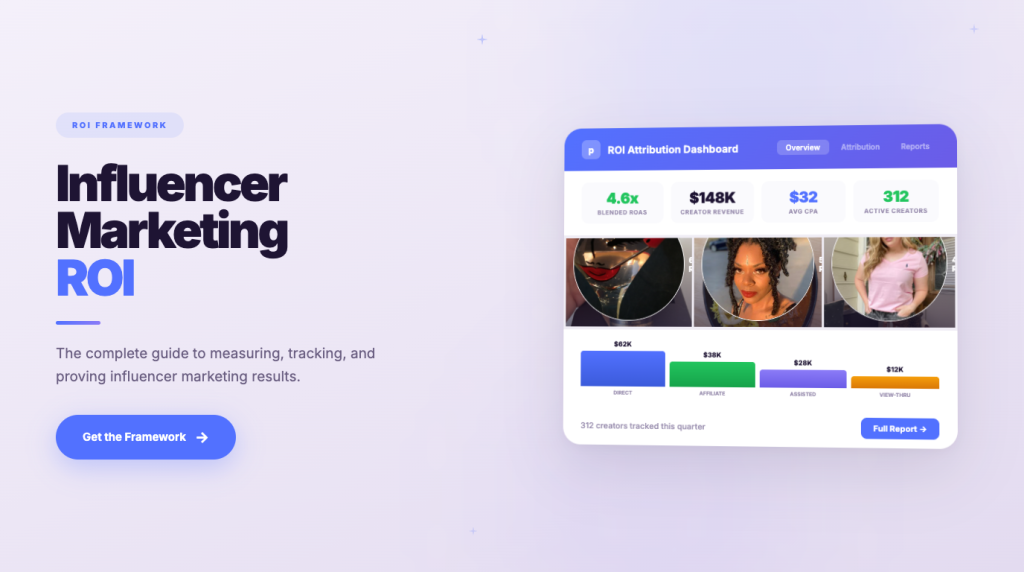
Introduction: Is Your Influencer Marketing Actually Making Money? Influencer marketing has become an important growth strategy for brands across industries. From small independent online stores to established direct-to-consumer (DTC) businesses, companies are investing in content creators to increase brand awareness, build trust, generate website traffic, and drive sales. However, there is one question that every marketer eventually needs to answer: Is influencer marketing actually delivering a profitable return on investment? A creator may generate thousands of likes, hundreds of comments, and impressive video views. A campaign may even attract a noticeable increase in website traffic. But these numbers do not automatically mean that the business is making money. A campaign with high engagement can still lose money if the audience does not purchase. A creator with a relatively small following may generate substantial revenue if their audience has strong buying intent. Meanwhile, a collaboration that produces modest immediate sales may still create value through repeat purchases, customer referrals, and increased brand recognition. This is why accurately calculating influencer marketing ROI requires more than comparing campaign spending with reported sales. Businesses need to understand all relevant costs, track measurable outcomes, distinguish attributed revenue from incremental revenue, and evaluate profitability over an appropriate period. This guide explains how to calculate influencer marketing ROI step by step, including the formulas, metrics, tracking methods, attribution models, practical examples, and common mistakes that can lead to misleading results. Whether you are working with Instagram creators, TikTok influencers, YouTube reviewers, bloggers, or industry experts, the same fundamental principle applies: measure what the campaign contributes to business results, not just what it generates in social media activity. 1. What Is Influencer Marketing ROI? Influencer marketing ROI measures […]

November 25, 2026

Introduction: Are Your Advertising Numbers Telling the Whole Story? You are running advertising campaigns across Google, Meta, TikTok, Pinterest, and perhaps several other platforms. Every channel reports impressive numbers. Google Ads shows conversions. Meta Ads claims to have generated purchases. TikTok reports strong engagement and attributed sales. Your analytics platform displays another set of figures, while your e-commerce store records a completely different number of orders. So, which numbers should you trust? This is one of the most frustrating challenges in digital advertising. A campaign may report a high return on ad spend (ROAS), but your actual business revenue barely changes. Another channel may appear to generate very few conversions, even though customers regularly mention discovering your brand through it. Some campaigns receive credit for purchases that would probably have happened anyway, while others influence customers without receiving any measurable attribution. When advertising attribution is inaccurate, businesses risk making expensive decisions based on incomplete information. You might increase the budget of a channel that looks profitable but generates low-quality customers. Meanwhile, a channel that contributes significantly to the purchasing journey could lose its budget because its influence is difficult to measure. The solution is not simply to install more tracking tools or create a dashboard filled with charts. You need a reliable measurement framework that connects advertising interactions, customer behavior, purchases, and actual business profitability. This guide explains how to build an advertising tracking system from the ground up, organize your data, create a practical performance dashboard, and identify the channels that genuinely contribute to business growth. Whether you operate a Shopify store, a direct-to-consumer brand, a lead-generation business, or a multi-channel e-commerce operation, the principles are the same: better […]

November 25, 2026

Introduction: Why Your Influencer Pitch Matters More Than You Think Influencer marketing has become one of the most effective ways for brands to connect with potential customers, build trust, and increase product awareness. From small independent businesses to established e-commerce companies, brands are increasingly partnering with Key Opinion Leaders (KOLs), content creators, and social media influencers to introduce their products to highly engaged audiences. However, there is one challenge that almost every brand faces: getting influencers to respond to collaboration invitations. You may have a great product, an attractive budget, and an exciting campaign idea. Yet, after sending dozens of emails or direct messages, you receive little more than silence. Why? The problem may not be your product or your offer. It may be the way you communicate your proposal. Influencers receive countless collaboration requests every week. Many of these messages are generic, overly promotional, poorly researched, or focused entirely on what the brand wants to achieve. When creators see another message beginning with “We love your content and would like to collaborate,” they may immediately recognize it as a mass-produced pitch. A successful influencer collaboration pitch needs to do much more than introduce a company and ask someone to promote a product. It should demonstrate that you understand the creator, respect their audience, recognize the value of their work, and have a partnership opportunity worth considering. The goal is not simply to persuade an influencer to accept your invitation. It is to make the creator feel that working with your brand could be valuable for both sides. Whether you are approaching a TikTok creator, Instagram influencer, YouTube reviewer, lifestyle blogger, or industry expert, this guide will walk you through […]

November 25, 2026
1 2 3 4 … 59
DropSure is Your Best Partner
22 Years Experience
Affiliate Rebates
100% Quality Guarantee
Top-Up Rewards
10+ Global Warehouses
Custom Branding Support
Smart inventory System
24/7 Customer Support
Get a Quote in 24 Hours
Start Sourcing for Free