















 En

 39 min read
Every ecommerce business wants advertising campaigns that generate more customers without constantly increasing the budget. Yet many brands struggle with the same problem: their advertisements attract attention but fail to turn enough prospects into paying customers.
A product image may look attractive. A promotional headline may receive clicks. A short video may generate thousands of views. But if the advertisement does not connect with a real customer need, those interactions may never become purchases.
One of the most effective ways to improve advertising performance is to build ad copy around customer pain points.
Instead of simply describing what a product is or listing its features, pain-point-driven advertising explains why the product matters in the customer’s everyday life. It identifies a problem, reflects the customer’s experience, and presents a relevant solution.
This approach can help businesses attract more qualified prospects, reduce unnecessary clicks, and improve the likelihood that visitors will complete a purchase.
However, not all pain points are the same. Customers may be motivated by wasted time, unexpected expenses, inconvenience, uncertainty, or frustration with existing alternatives. Each motivation requires a different message.
In this guide, we will explore four practical pain-point advertising formulas that ecommerce brands can use to write more persuasive ad copy, improve conversion rates, and work toward a lower cost per acquisition (CPA).
You will also learn how to research customer problems, adapt the formulas to different advertising platforms, test copy variations, and measure whether your messaging is producing real business results.
1. Why Pain-Point-Driven Ad Copy Can Improve Advertising Performance
Many advertisements begin with the product.
They might say:
- “Discover Our New Window Shades.”
- “Shop Premium Skincare Products.”
- “Explore Our Latest Home Accessories.”
- “Upgrade Your Everyday Essentials.”
These statements are not necessarily wrong. They communicate what the business sells, but they do not always explain why someone should care.
A customer scrolling through social media is unlikely to stop simply because a brand has a new product.
People are more likely to pay attention when an advertisement reflects something they already want to solve.
For example, someone shopping for window coverings may not be actively searching for a particular shade design. Instead, they may be frustrated by uncomfortable rooms, excessive sunlight, insufficient privacy, or difficulty finding a product that fits their windows.
An advertisement that addresses one of these problems immediately becomes more relevant.
Customers Buy Solutions, Not Just Features
Product features explain what an item has.
Customer benefits explain what those features help people achieve.
Consider the difference:
Feature-focused copy:
“Our cellular shades feature a honeycomb structure.”
Pain-point-focused copy:
“Struggling to keep your rooms comfortable throughout the changing seasons? Explore cellular shades designed to provide an additional insulating layer at your windows.”
The second version connects a product feature to a recognizable customer concern.
This does not mean every advertisement should use dramatic language. In fact, exaggerated claims can damage trust.
The most effective pain-point copy is specific, relatable, and supported by the actual capabilities of the product.
How Pain-Point Copy Can Lower CPA
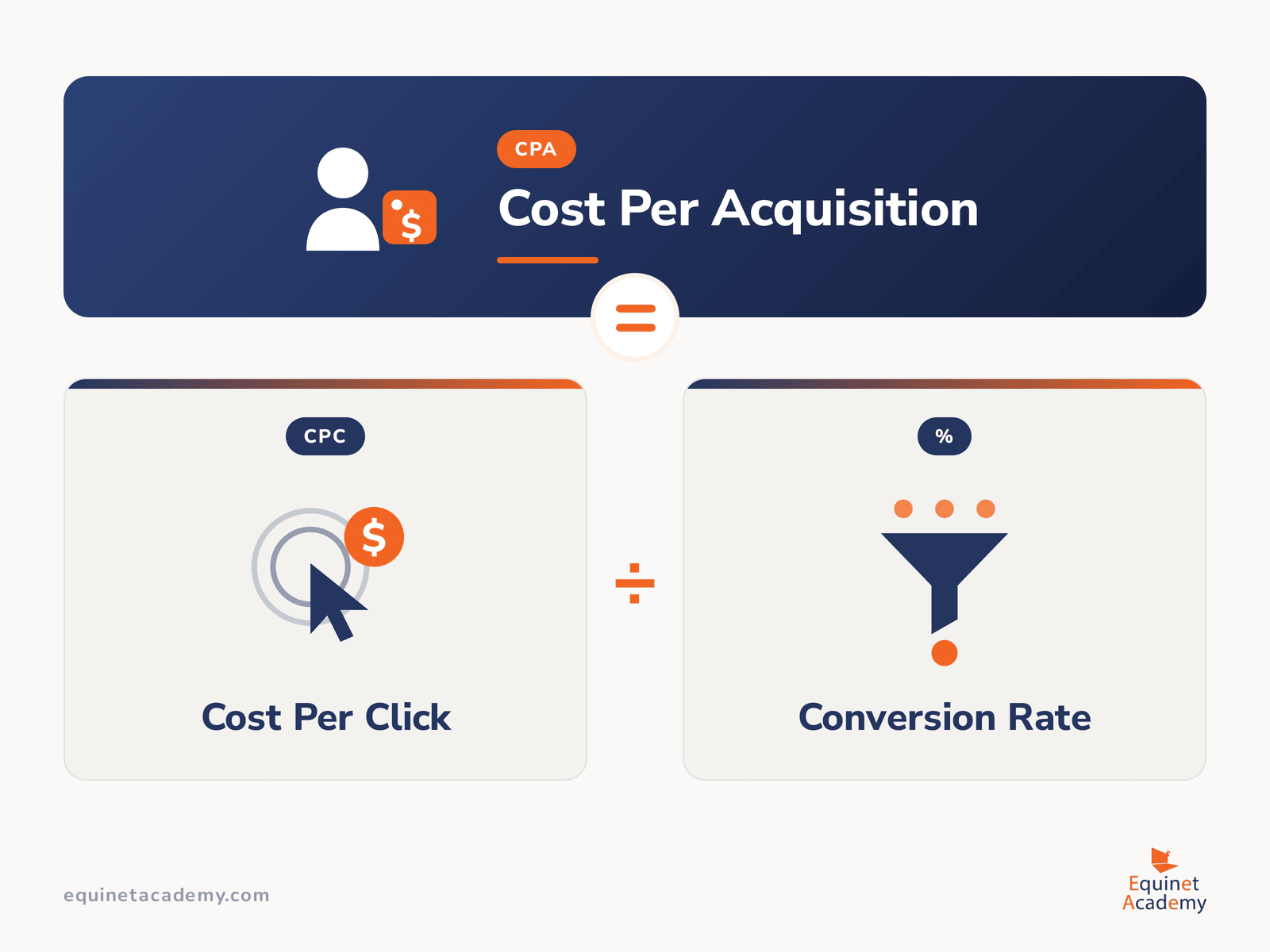
CPA measures the advertising cost required to acquire a customer.
The basic formula is:
CPA = Advertising Spend ÷ Number of Acquired Customers
For example, if a business spends $2,000 and generates 40 completed purchases, its CPA is $50.
If the same budget generates 50 purchases, CPA falls to $40.
Pain-point-driven copy can contribute to this improvement through several mechanisms.
1. More relevant attention
When an advertisement addresses a problem customers recognize, it has a stronger reason to capture their attention.
2. Better-qualified clicks
Clear messaging helps prospects understand what the product offers before visiting the website.
This can reduce clicks from people who are interested in a headline but have no genuine purchase intent.
3. Stronger purchase motivation
A relevant message helps customers understand why they may need the product now rather than postponing the decision.
4. Less uncertainty
Copy that addresses common concerns can help prospects feel more confident about product selection.
5. Better message consistency
When the advertisement, product page, and offer communicate the same value proposition, customers are less likely to feel confused after clicking.
However, pain-point copy does not guarantee a lower CPA. Product quality, pricing, targeting, competition, landing page experience, and checkout performance also matter.
The goal is to improve the advertising message as part of a complete customer acquisition system.
2. Understand the Four Main Pain-Point Categories Before Writing
Before applying the formulas, it helps to understand the different ways customers experience problems.
For ecommerce advertising, four especially useful categories are:
- Time and efficiency pain points.
- Financial and value-related pain points.
- Functional and everyday frustration pain points.
- Emotional and confidence-related pain points.
These categories are broad enough to work across many industries but specific enough to inspire different advertising angles.
Pain Point 1: Time and Efficiency
Customers often want to complete tasks faster, simplify routines, or avoid unnecessary effort.
Examples include:
- Spending too much time cleaning.
- Struggling with complicated installation.
- Repeating the same maintenance tasks.
- Searching through too many product options.
- Managing inefficient household routines.
- Spending hours comparing products without finding a suitable choice.
This category is especially useful for products that simplify everyday activities.
Pain Point 2: Financial Loss and Poor Value
Customers do not necessarily want the cheapest product. They want to feel that their money is being spent wisely.
Examples include:
- Paying repeatedly for low-quality products.
- Replacing items too frequently.
- Unexpected maintenance expenses.
- Buying products that do not meet expectations.
- Paying for features they rarely use.
- Discovering hidden costs after checkout.
This angle is effective when the product offers demonstrable durability, practical value, or a clear cost advantage.
Pain Point 3: Functional Problems and Everyday Frustration
These are practical problems that customers experience directly.
Examples include:
- Products that do not fit properly.
- Equipment that is difficult to operate.
- Poor organization.
- Uncomfortable living environments.
- Unreliable performance.
- Lack of customization.
- Products that fail to solve the original problem.
This category works particularly well for products with visible demonstrations and clear functional benefits.
Pain Point 4: Emotional Frustration and Lack of Confidence
Some purchasing decisions are influenced by feelings that are harder to measure.
Customers may feel overwhelmed, disappointed, uncertain, or dissatisfied with their current situation.
Examples include:
- Feeling embarrassed by an outdated room.
- Worrying about choosing the wrong product.
- Feeling overwhelmed by too many options.
- Being disappointed by previous purchases.
- Wanting a more comfortable or attractive home.
- Lacking confidence in a complicated purchasing decision.
This category can create strong advertising connections when handled respectfully.
Avoid making people feel ashamed or exploiting personal insecurities. The goal is to show understanding and offer a helpful solution, not to pressure or manipulate the audience.
3. Formula One: Problem → Agitation → Solution (PAS)
<The Problem–Agitation–Solution formula, commonly known as PAS, is one of the most widely used structures for pain-point advertising.
It works by identifying a problem, explaining why it matters, and introducing a product as a possible solution.
The structure is simple:
Problem → Agitation → Solution
Step 1: Identify a Specific Problem
Start with a problem that your target customers genuinely experience.
Avoid vague statements such as:
“Are you tired of everyday problems?”
This could describe almost anything.
Instead, be specific:
“Does your home office become uncomfortable when sunlight streams through the windows?”
This question identifies a recognizable situation for a particular audience.
A strong problem statement should be:
- Easy to understand.
- Relevant to the product.
- Familiar to the target customer.
- Specific enough to create recognition.
- Accurate and supportable.
Step 2: Explain Why the Problem Matters
The agitation stage develops the problem by describing its practical consequences.
For example:
“Harsh sunlight can create glare on screens, make it harder to concentrate, and interfere with your daily work routine.”
This gives the customer a reason to care about the issue.
Agitation should not become exaggeration.
Do not invent serious consequences or imply that an ordinary inconvenience will inevitably lead to a major problem.
The objective is to clarify the cost of leaving a genuine problem unresolved.
Step 3: Introduce the Solution
Now connect the product to the problem.
For example:
“Explore adjustable window shades that help you manage incoming daylight and create a more comfortable workspace.”
The solution should explain what the product does and how it relates to the customer’s original concern.
Do not introduce unrelated features simply because they sound impressive.
PAS Example: Home Improvement Products
Headline:
“Struggling With Glare in Your Home Office?”
Primary Text:
“Bright sunlight can make it difficult to enjoy a comfortable workspace, especially when it reflects off your screens. Explore window shades designed to help you control incoming light and create a more practical environment for working from home.”
Call to Action:
“Explore Your Options”
PAS Example: Cleaning Products
Headline:
“Spending Too Much Time on Everyday Cleaning?”
Primary Text:
“Cleaning can become frustrating when your routine involves too many steps and products. Discover a practical cleaning solution designed to make everyday maintenance easier.”
Call to Action:
“Shop Now”
PAS Example: Aquarium Equipment
Headline:
“Struggling to Maintain Clear Aquarium Water?”
Primary Text:
“Cloudy water can make aquarium maintenance frustrating. Explore suitable filtration and UV treatment equipment to help support your aquarium care routine. Choose equipment based on your tank size, water flow, and actual maintenance needs.”
Call to Action:
“Find the Right Equipment”
When Should You Use PAS?
PAS is particularly useful when:
- Customers clearly understand the problem.
- The product directly addresses that problem.
- The benefit can be explained quickly.
- The audience is already aware of the inconvenience.
- The advertisement needs a straightforward persuasive structure.
It works well for short-form social advertisements, search ad descriptions, product landing pages, and promotional emails.
How PAS Can Support Lower CPA
PAS helps prevent advertisements from focusing too heavily on product features that customers may not immediately understand.
By connecting the problem to the solution, it gives prospects a clearer reason to click.
More importantly, it helps filter out irrelevant interest.
A person who recognizes the problem is more likely to be a suitable prospect than someone who clicks only because an advertisement looks attractive.
4. Formula Two: Pain Point → Hidden Cost → Better Alternative
Some customers recognize a problem but do not realize how much it costs them over time.
This formula focuses on the consequences of continuing with an inefficient or unsuitable solution.
The structure is:
Pain Point → Hidden Cost → Better Alternative
It is particularly useful for products that improve efficiency, reduce maintenance, offer greater durability, or solve recurring problems.
Step 1: Describe the Existing Problem
Start with a situation customers may already accept as normal.
For example:
“Replacing low-quality household products every few months?”
This communicates a specific frustration.
Step 2: Reveal the Hidden Cost
Explain what the problem may cost in money, time, effort, or convenience.
For example:
“Frequent replacements can add up, especially when the same issue keeps returning.”
The hidden cost does not always need to be financial.
It may include:
- Time spent repeating tasks.
- Frustration from unreliable performance.
- Additional maintenance.
- Missed opportunities.
- Unnecessary complexity.
- Repeated purchasing decisions.
Use realistic claims. If you cannot prove a specific amount of savings, do not invent one.
Step 3: Present a Better Alternative
Introduce the product as an option that may address the underlying issue.
For example:
“Explore products designed with durable materials and practical everyday use in mind.”
The message should focus on verifiable product advantages.
Example: Reusable Household Products
Headline:
“Still Replacing the Same Household Essentials?”
Primary Text:
“Repeated purchases of low-quality products can become frustrating and expensive over time. Consider a more durable option designed for regular use, so you can focus less on replacing essentials and more on getting the job done.”
Call to Action:
“Explore Durable Options”
Example: Industrial Equipment
Headline:
“Is Frequent Equipment Maintenance Slowing Down Your Production?”
Primary Text:
“Repeated maintenance interruptions can affect production schedules and operating costs. Explore industrial equipment designed around your process requirements, operating conditions, and maintenance expectations.”
Call to Action:
“Request Product Information”
Example: Ecommerce Packaging
Headline:
“Are Packaging Problems Creating Extra Work for Your Team?”
Primary Text:
“Damaged shipments, inefficient packing routines, and unsuitable materials can create unnecessary expenses. Explore packaging solutions designed to match your product dimensions and shipping requirements.”
Call to Action:
“Find a Better Fit”
Why This Formula Works
Customers often evaluate purchases based on immediate price.
However, the cheapest initial option is not always the most economical over time.
By explaining the hidden cost of an existing problem, the advertisement encourages prospects to consider the broader value of a purchase.
This can be especially effective for products with a higher initial price but meaningful advantages in durability, maintenance, convenience, or performance.
When Should You Use This Formula?
Use this structure when your product offers:
- Longer expected service life.
- Lower maintenance requirements.
- Better operational efficiency.
- More practical everyday use.
- Improved product reliability.
- Reduced waste.
- A more suitable long-term solution.
Make sure every comparative or savings-related claim can be supported.
5. Formula Three: Customer Frustration → Empathy → Simple Solution
Not every customer is motivated by financial savings or functional performance.
Sometimes, people simply want to stop dealing with something frustrating.
This formula begins with an everyday experience and shows that the brand understands the customer’s situation.
Its structure is:
Customer Frustration → Empathy → Simple Solution
Unlike PAS, this formula does not emphasize the consequences of the problem as strongly.
Instead, it focuses on recognition, reassurance, and simplicity.
Step 1: Describe a Familiar Frustration
Use language that sounds like something a real customer might say.
For example:
“Why is finding the right window covering more complicated than it should be?”
This communicates frustration without exaggerating it.
Step 2: Show Empathy
Acknowledge that the problem is understandable.
For example:
“Choosing between sizes, materials, light control, and installation options can quickly become overwhelming.”
This makes the message feel more human.
Step 3: Present a Simpler Path Forward
Introduce a solution that helps reduce complexity.
For example:
“Explore a range of customizable window shades with clear product information to help you find an option that suits your space.”
The emphasis is on making the decision easier.
Example: Personalized Accessories
Headline:
“Can’t Find an Accessory That Feels Right for You?”
Primary Text:
“Choosing something that matches your style and everyday needs can take time. Explore a collection of versatile designs and find an option that feels like a natural fit for your routine.”
Call to Action:
“Discover the Collection”
Example: Furniture
Headline:
“Finding Furniture for a Small Space Shouldn’t Be So Difficult.”
Primary Text:
“Limited room does not mean you have to compromise on function or appearance. Explore practical furniture options designed to help you make better use of your available space.”
Call to Action:
“Shop Space-Saving Designs”
Example: Dropshipping Services
Headline:
“Managing Multiple Suppliers Taking Too Much Time?”
Primary Text:
“Keeping track of sourcing, order processing, and fulfillment can become complicated as your store grows. Explore solutions that help organize key dropshipping operations and simplify your workflow.”
Call to Action:
“Explore the Platform”
Why This Formula Works
Empathy can make advertising feel more relevant and less aggressive.
Instead of telling customers that they have a problem, the advertisement acknowledges an experience they may already recognize.
This is especially useful for products and services that involve research, customization, setup, or multiple purchasing decisions.
It can also help brands differentiate themselves from competitors that rely heavily on discounts and aggressive promotional language.
When Should You Use This Formula?
This approach works well when:
- The purchase decision feels complicated.
- Customers need help choosing the right option.
- The product simplifies an existing routine.
- The brand offers customization or guidance.
- Trust and customer support influence purchasing decisions.
- The audience has previously experienced disappointing alternatives.
6. Formula Four: Desired Result → Current Obstacle → Product as the Bridge
The fourth formula starts with what customers want to achieve rather than what is going wrong.
It is useful because many customers are motivated by positive goals.
They may want a more comfortable home, a more organized workspace, a better-looking room, or a more efficient business.
The structure is:
Desired Result → Current Obstacle → Product as the Bridge
Step 1: Describe the Desired Result
Begin with a positive outcome that matters to the target audience.
For example:
“Create a more comfortable and inviting home this winter.”
This immediately presents a desirable goal.
Step 2: Identify What Makes the Goal Difficult
Explain the obstacle that prevents customers from achieving that result.
For example:
“Poor light control, limited privacy, and uncomfortable areas near windows can make it harder to enjoy your living space.”
The obstacle should connect naturally to the product.
Step 3: Position the Product as a Bridge
Show how the product can help customers move toward their desired outcome.
For example:
“Explore cellular shades that combine a distinctive honeycomb structure with practical light-control options.”
The product is presented as a useful step toward the goal, not as a magical solution.
Example: Home Organization
Headline:
“Ready for a More Organized Home?”
Primary Text:
“Cluttered spaces can make everyday routines feel more complicated. Explore practical storage solutions designed to help you organize your belongings and make better use of your available space.”
Call to Action:
“Organize Your Space”
Example: Skincare
Headline:
“Build a Skincare Routine That Fits Your Everyday Life.”
Primary Text:
“Finding products that work with your routine can feel overwhelming. Explore clearly explained skincare options and choose products based on your individual needs and preferences.”
Call to Action:
“Explore the Collection”
Example: Business Software
Headline:
“Want a More Organized Business Workflow?”
Primary Text:
“Managing scattered tasks and disconnected processes can make daily operations harder than necessary. Explore tools designed to help bring important workflows together and support a more organized way of working.”
Call to Action:
“See How It Works”
Why This Formula Works
Some advertisements focus so heavily on negative experiences that they forget to communicate the positive value of the product.
This formula creates a more balanced message.
It starts with an outcome the customer wants, identifies the barrier, and explains how the product may help.
It is especially useful for lifestyle products, home improvement, beauty, wellness-related consumer goods, productivity tools, and services.
When Should You Use This Formula?
Use it when:
- Customers are motivated by aspirations.
- The product improves an everyday experience.
- Visual storytelling can demonstrate the desired result.
- The brand wants to communicate benefits without aggressive language.
- The audience may not actively recognize its problem yet.
7. How to Choose the Right Formula for Your Product
The four formulas can all support advertising performance, but they are not equally suitable for every product.
Choosing the right structure depends on the customer, purchase motivation, and complexity of the buying decision.
| Product or Business Type | Recommended Formula | Main Messaging Focus |
|---|---|---|
| Household cleaning products | PAS | Reduce everyday frustration |
| Durable household goods | Hidden Cost → Better Alternative | Long-term value |
| Custom window coverings | Frustration → Empathy → Solution | Easier product selection |
| Lifestyle accessories | Desired Result → Obstacle → Bridge | Personal style and convenience |
| Industrial equipment | Hidden Cost → Better Alternative | Operational efficiency |
| Ecommerce software | Frustration → Empathy → Solution | Simplified workflows |
| Aquarium equipment | PAS | Solve a practical maintenance problem |
| Furniture | Desired Result → Obstacle → Bridge | Better use of living space |
These are starting points rather than fixed rules.
A product may have several valuable customer motivations.
For example, a premium vacuum cleaner could be advertised through:
- PAS: Frustration with difficult cleaning.
- Hidden cost: Replacing inexpensive equipment repeatedly.
- Empathy: A cleaning routine that takes too much effort.
- Desired result: A cleaner, more comfortable home.
The best approach is to test multiple angles and evaluate their actual purchase performance.
8. How to Research Customer Pain Points Before Writing Ad Copy
The quality of an advertisement depends heavily on the quality of the customer insight behind it.
If the pain point is invented by the marketing team rather than supported by customer behavior, the resulting copy may sound unnatural.
Fortunately, ecommerce brands have access to many useful research sources.
1. Customer Reviews
Reviews reveal what customers appreciate, dislike, and wish had been different.
Read both positive and negative feedback.
Positive reviews often reveal the benefits that matter most.
Negative reviews may reveal:
- Installation difficulties.
- Product sizing problems.
- Confusing instructions.
- Durability concerns.
- Shipping expectations.
- Missing features.
- Differences between product descriptions and actual experiences.
Look for recurring themes rather than relying on a single comment.
2. Customer Service Conversations
Support conversations can reveal questions customers repeatedly ask before purchasing.
For example:
- Will this product fit my window?
- How long does installation take?
- Which version should I choose?
- What happens if I need to return it?
- Does this product work with my existing equipment?
These questions can become educational advertising angles.
3. Social Media Comments
Comments on your own advertisements and product posts can reveal what attracts attention and what creates hesitation.
Pay attention to repeated questions and misunderstandings.
If customers consistently ask about one product feature, consider creating an advertisement that explains it visually.
4. Competitor Reviews
Competitor feedback can reveal unmet market expectations.
For example, customers may complain about complicated installation, limited customization, unclear instructions, or poor communication.
These observations can help identify opportunities for differentiation.
However, avoid making unsupported claims about competitors.
Use the information to understand customer expectations and improve your own messaging.
5. Search Queries and Product Questions
Search behavior can reveal what customers are trying to solve.
Someone searching for “how to reduce glare in a home office” may be researching a problem before choosing a product.
Someone searching for “best cellular shades for winter” may already understand the product category and be comparing options.
These differences can guide the messaging used for awareness, consideration, and purchase-focused campaigns.
Create a Pain-Point Research Document
Organize your research into a simple table.
| Customer Feedback | Underlying Pain Point | Advertising Opportunity |
|---|---|---|
| “Installation was confusing.” | Setup difficulty | Demonstration or installation guide |
| “I couldn’t find the right size.” | Product selection uncertainty | Sizing guidance |
| “The old product wore out quickly.” | Durability concerns | Material and construction explanation |
| “There were too many options.” | Decision fatigue | Simplified product comparison |
| “I wanted more control over sunlight.” | Functional inconvenience | Light-control demonstration |
This document becomes a practical source of future advertising ideas.
9. How to Turn One Pain Point Into Multiple Ad Copy Variations
A common mistake is to write one advertisement for each customer problem and stop there.
A more effective process is to develop multiple variations around the same underlying insight.
Suppose your research shows that customers are frustrated by complicated product selection.
You could create several versions.
Version A: Direct Question
“Not Sure Which Window Shades Are Right for Your Home?”
This version immediately identifies the problem.
Version B: Empathy-Based
“Choosing the Right Window Coverings Can Feel Overwhelming. Let’s Make It Easier.”
This version emphasizes understanding.
Version C: Educational
“Compare Light Control, Privacy, and Materials Before Choosing Your Next Window Shades.”
This version provides a practical next step.
Version D: Benefit-Oriented
“Find Window Shades That Fit Your Space, Style, and Everyday Needs.”
This version focuses on the desired outcome.
All four advertisements address the same broad customer concern, but they communicate it differently.
This creates an opportunity to test whether customers respond more strongly to direct problem recognition, empathy, education, or a positive benefit.
Test One Major Variable at a Time
When comparing copy variations, try to keep other factors reasonably consistent.
For example, use the same image and audience while testing different headlines.
Then test the primary text separately.
If you change the image, offer, headline, audience, and landing page simultaneously, it becomes difficult to determine why performance changed.
For larger concept tests, multiple elements can change together, but the purpose should be to compare complete creative directions rather than isolate one variable.
10. How to Write Pain-Point Headlines That Encourage Clicks
The headline is often the first part of the advertisement that communicates the customer problem.
A strong headline should be easy to understand and closely connected to the product.
Here are several practical headline structures.
Question-Based Headlines
- “Tired of Spending Too Much Time on Everyday Cleaning?”
- “Struggling to Find the Right Fit for Your Space?”
- “Need a Simpler Way to Organize Your Workflow?”
- “Looking for Better Control Over Incoming Sunlight?”
Questions work well when they describe situations the audience can recognize.
Cost-Based Headlines
- “Still Replacing Products That Don’t Last?”
- “Are Repeated Maintenance Tasks Taking Up Your Budget?”
- “Paying for Features You Rarely Use?”
These headlines are useful when customers care about long-term value.
Convenience-Based Headlines
- “Make Everyday Maintenance Less Complicated.”
- “Find a More Practical Way to Organize Your Space.”
- “Simplify Your Product Selection Process.”
These headlines work well for products and services that reduce effort.
Result-Based Headlines
- “Create a More Comfortable Living Space.”
- “Build a Better Daily Routine.”
- “Make More Room for the Things That Matter.”
Result-based headlines are useful for lifestyle and home-related products.
Avoid Overly Dramatic Headlines
Statements such as “This One Product Will Change Your Life Forever” may attract attention, but they can reduce credibility.
A strong headline does not need to exaggerate.
It needs to connect the customer’s problem with a relevant solution.
11. How to Match Pain-Point Copy With Images and Videos
Even excellent copy can underperform if the visual content communicates something different.
The advertisement should feel like one consistent message.
Use Images That Show the Problem
A problem-focused advertisement can show a recognizable situation.
For example:
- A cluttered desk.
- A poorly organized storage area.
- Glare on a computer screen.
- A difficult product installation.
- An inefficient workspace.
The image should make the problem understandable without requiring a long explanation.
Demonstrate the Solution
After showing the problem, demonstrate how the product helps.
This is especially effective for practical products.
A short video can show:
- The original situation.
- The product being introduced.
- The main feature in action.
- The improved result.
- A clear call to action.
Do not use misleading before-and-after images or imply results that the product cannot reasonably deliver.
Use Authentic Customer Content
Real customer demonstrations can help potential buyers understand how products work in everyday settings.
A useful UGC video may include:
- The customer’s original challenge.
- Why they considered the product.
- A real demonstration.
- Their experience using it.
- A straightforward recommendation based on their actual experience.
Obtain permission before using customer content in advertisements.
Keep the Visual Message Focused
Do not attempt to communicate every product benefit in one image.
Choose one primary pain point and make sure the visual supports it.
For example, an advertisement about installation convenience should show the installation process rather than focusing entirely on the product’s appearance.
12. How to Adapt Pain-Point Copy to Different Advertising Platforms
Different platforms create different advertising environments.
A message that works in a search advertisement may need a different structure for a short-form social video.
Meta Ads: Facebook and Instagram
Meta advertising often reaches users who are browsing social content rather than actively searching for a product.
The opening line needs to establish relevance quickly.
Useful approaches include:
- Direct questions.
- Short problem statements.
- Customer testimonials.
- Product demonstrations.
- Lifestyle situations.
- Educational videos.
A practical structure is:
Hook → Pain Point → Product Benefit → Proof → Call to Action
Example:
“Finding the right window coverings can be frustrating when every room has different needs. Explore customizable shades with options for light control, privacy, and style. Find a solution that works for your space.”
The visual should communicate the same benefit.
Google Search Ads
Search advertising reaches people who are actively looking for information or products.
Your copy should reflect the user’s search intent.
For example, someone searching for “cellular shades for winter” may respond to a headline about insulation and window comfort.
A person searching for “custom window shades” may be more interested in sizing, material choices, and customization.
Useful elements include:
- Relevant product keywords.
- Specific product benefits.
- Clear offers.
- Shipping or service information when accurate.
- Strong calls to action.
Do not use a generic pain-point message when the search query already reveals a specific customer need.
TikTok Ads
TikTok users often respond to content that feels natural and visually engaging.
Pain-point copy can be introduced through a short hook or relatable situation.
Example video opening:
“Three things that make choosing window shades harder than it needs to be.”
The video can then explain common problems and demonstrate how the product helps.
Keep the language conversational and avoid making the advertisement feel like a traditional sales presentation.
Pinterest Ads
Pinterest users frequently explore ideas, compare options, and plan future purchases.
Educational and aspiration-based pain-point messages can be useful.
Examples include:
- “How to Make a Small Bedroom Feel More Organized.”
- “Window Covering Ideas for Better Light Control.”
- “Practical Home Upgrades for Winter Comfort.”
The landing page should provide useful information that matches the original promise.
13. How to Measure Whether Pain-Point Copy Is Actually Lowering CPA
A persuasive advertisement is only valuable if it contributes to business results.
It is important to evaluate copy using the right metrics.
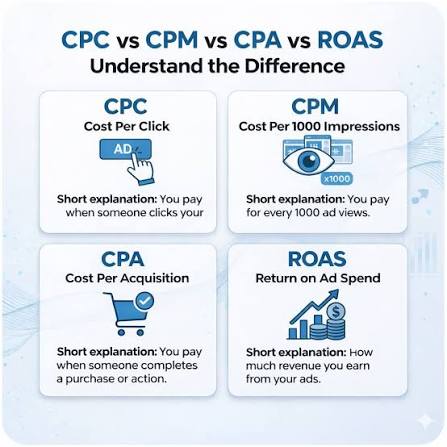
CPA: Cost Per Acquisition
CPA measures how much advertising spend is required to generate a completed purchase.
Formula:
CPA = Ad Spend ÷ Completed Purchases
For example:
- Advertising spend: $1,500.
- Completed purchases: 30.
- CPA: $50.
If a new copy variation generates 40 purchases from the same $1,500 budget, CPA falls to $37.50.
This indicates improved acquisition efficiency, assuming tracking and attribution are comparable.
ROAS: Return on Ad Spend
ROAS measures purchase revenue relative to advertising spend.
Formula:
ROAS = Attributed Purchase Revenue ÷ Ad Spend
For example:
- Advertising spend: $1,500.
- Attributed purchase revenue: $6,000.
- ROAS: 4.0.
Do not confuse purchases with intermediate conversion events.
Add-to-cart and checkout initiation events can help explain funnel behavior, but they are not completed sales.
For a purchase-focused ecommerce campaign, use completed purchases and purchase revenue as the primary commercial measurements.
CTR: Click-Through Rate
CTR helps show whether the message attracts attention.
A higher CTR can indicate that a headline or creative resonates with the audience.
However, a high CTR does not guarantee a lower CPA.
An advertisement may generate many clicks from people who are not ready or suitable to purchase.
Conversion Rate
Conversion rate shows how effectively website visitors become customers.
If CTR improves but conversion rate declines, investigate whether the advertisement is attracting poorly qualified traffic or creating expectations that the landing page does not meet.
CPC: Cost Per Click
CPC helps measure the cost of attracting website visitors.
It is useful for understanding traffic efficiency, but it should not replace purchase-focused evaluation.
A Practical Evaluation Table
| Metric | Main Question |
|---|---|
| CTR | Does the copy attract attention? |
| CPC | How much does each click cost? |
| Landing page conversion rate | Are visitors purchasing? |
| Purchases | How many completed orders are generated? |
| CPA | What does each purchase cost? |
| Purchase revenue | How much revenue is attributed to the campaign? |
| ROAS | How efficiently does advertising generate purchase revenue? |
The strongest advertising variation is not necessarily the one with the highest CTR.
It is the one that attracts relevant customers and contributes to profitable purchases.
14. A Practical A/B Testing Framework for the Four Pain-Point Formulas
A/B testing helps determine which messaging approach performs better under comparable conditions.
Rather than relying on personal preferences, use campaign results to guide creative decisions.
Step 1: Choose One Product
Select a product with sufficient demand and a clear customer value proposition.
Avoid testing several unrelated products simultaneously if the goal is to understand copy performance.
Step 2: Identify Four Customer Pain Points
For example, a home organization product might address:
- Wasted time.
- Limited storage space.
- Repeated clutter.
- Frustration with complicated organization systems.
Step 3: Write One Version Using Each Formula
Develop four advertisements:
Version A: PAS
“Struggling to Keep Your Home Organized? Clutter can make everyday routines harder. Explore practical storage solutions designed to help you make better use of your space.”
Version B: Hidden Cost
“Still Buying Storage Products That Don’t Solve the Problem? Repeated purchases can add unnecessary expense. Explore a more practical option for your home.”
Version C: Empathy
“Organizing a Small Space Can Feel Overwhelming. Finding the right storage approach takes planning. Explore options designed to help simplify the process.”
Version D: Desired Result
“Create a More Organized Home. Make better use of your available space with practical storage solutions designed for everyday living.”
Step 4: Keep the Testing Conditions Comparable
Where possible, use:
- The same product.
- Similar audience conditions.
- The same landing page.
- Comparable budget allocation.
- The same optimization objective.
- A consistent testing period.
Avoid making major campaign changes during the test unless necessary.
Step 5: Evaluate Purchase Performance
Compare:
- Spend.
- Purchases.
- CPA.
- Purchase revenue.
- ROAS.
- CTR.
- Conversion rate.
Allow enough time and data for the results to become meaningful.
A variation with only one or two purchases should not automatically be considered the winner.
Step 6: Develop New Variations Around the Winner
If the PAS advertisement performs best, do not simply continue running the same text indefinitely.
Identify which element may have contributed to its success.
Was it the specific problem? The headline? The product benefit? The demonstration?
Create new variations around that insight.
15. Common Mistakes When Using Pain Points in Advertising
Pain-point advertising can be effective, but poorly executed messaging may damage trust and reduce conversion quality.
Avoid these mistakes.
Mistake 1: Inventing Problems Customers Do Not Have
A marketing team may assume that customers care about a certain feature without verifying it.
Before writing copy, examine reviews, questions, search behavior, and customer feedback.
Use genuine customer motivations rather than assumptions.
Mistake 2: Making the Problem Sound Too Serious
Exaggerated statements may create temporary attention but can make the brand appear unreliable.
Describe problems accurately and avoid unsupported claims.
Mistake 3: Focusing on Pain Without Presenting a Solution
An advertisement that only describes frustration can leave customers feeling that the brand is trying to create anxiety.
Always connect the problem to a relevant product benefit or useful next step.
Mistake 4: Using the Same Pain Point for Every Audience
Different customer groups may purchase the same product for different reasons.
For example, one customer may care about price, another about durability, and another about appearance.
Segment your messaging according to actual customer motivations.
Mistake 5: Making Unsupported Savings Claims
Statements such as “Save 50% every year” or “Cut your costs in half” require reliable evidence.
If you cannot substantiate a specific result, use more careful language.
For example:
“Designed to help reduce repeated maintenance tasks.”
Mistake 6: Ignoring Advertising Policies
Advertising platforms have rules about misleading claims, personal attributes, sensitive topics, and prohibited content.
Avoid wording that implies knowledge of a viewer’s private characteristics or makes unsupported claims about personal conditions.
For example, instead of saying:
“Your home is uncomfortable because you made the wrong choices.”
Use:
“Looking for practical ways to make your living space more comfortable?”
This keeps the message focused on the product and the desired benefit.
Mistake 7: Evaluating Success Based Only on Engagement
Likes, comments, video views, and clicks can provide useful feedback, but they do not necessarily represent business growth.
Track completed purchases, CPA, and ROAS.
16. A 30-Day Plan for Improving Ad Copy and Reducing CPA
Businesses that want to improve their advertising messages can use a structured 30-day plan.
Week 1: Research Customer Pain Points
Collect customer reviews, support questions, social media comments, and competitor feedback.
Identify the four most common customer motivations.
Group them into:
- Time and efficiency.
- Financial value.
- Functional frustration.
- Emotional and confidence-related concerns.
Goal: Understand what customers actually care about.
Week 2: Develop the Four Copy Formulas
Choose one product and create several copy variations using PAS, hidden cost, empathy, and desired-result messaging.
Prepare matching headlines, visuals, and calls to action.
Goal: Build a clear set of testable advertising concepts.
Week 3: Launch Controlled Tests
Run the advertisements with comparable conditions.
Monitor early indicators, but avoid declaring winners prematurely.
Check whether the landing page delivers the information promised in the advertisement.
Goal: Identify promising messages based on purchase performance.
Week 4: Refine and Expand
Develop new versions of the strongest concepts.
Pause weak variations when there is sufficient evidence.
Record what worked, what failed, and why.
Use these findings to guide the next round of creative production.
Goal: Turn advertising copy testing into a repeatable process.
17. Advanced Tip: Build a Pain-Point-to-Benefit Message Library
One of the easiest ways to improve advertising efficiency over time is to organize customer insights into a reusable message library.
Instead of writing every advertisement from scratch, record the relationship between customer problems and product benefits.
For example:
| Customer Pain Point | Product Benefit | Possible Advertising Angle |
|---|---|---|
| Too much glare | Light control | Make screen time more comfortable |
| Repeated product replacement | Durability | Consider long-term product value |
| Complicated installation | Easier setup | Simplify the installation process |
| Limited storage space | Space efficiency | Make better use of available room |
| Unclear product choices | Customization and guidance | Find an option that suits your needs |
| Time-consuming maintenance | Easier upkeep | Make everyday care more manageable |
This library can support future campaigns, product launches, email marketing, landing pages, and short-form video scripts.
It also helps maintain consistent messaging across different advertising channels.
Turn Customer Language Into Advertising Language
Whenever possible, use the words customers naturally use to describe their problems.
If customers repeatedly say:
“I just want something that is easy to install.”
That phrase may be more relatable than a technical statement such as:
“Features an optimized installation configuration.”
Customer language is usually easier to understand and can make advertising sound more natural.
However, customer quotations should be used accurately and with permission when presented as testimonials.
Conclusion: Better Ad Copy Starts With Understanding the Customer
Lowering CPA is not simply a matter of writing more persuasive headlines or adding stronger promotional language.
It requires a clear understanding of why customers buy, what problems they want to solve, and which product benefits matter most to them.
The four pain-point advertising formulas provide a practical framework for turning customer motivations into stronger advertising messages:
- Problem → Agitation → Solution: Show customers that you understand a specific problem and offer a relevant solution.
- Pain Point → Hidden Cost → Better Alternative: Explain the time, money, or effort associated with an unresolved problem.
- Customer Frustration → Empathy → Simple Solution: Build trust by acknowledging everyday frustrations and making the next step easier.
- Desired Result → Current Obstacle → Product as the Bridge: Connect the product to an outcome customers want to achieve.
No single formula will work equally well for every product, audience, or platform. The most effective approach is to research customer feedback, develop several messaging directions, test them under comparable conditions, and evaluate the results using completed purchases, CPA, and ROAS.
Remember that a high click-through rate does not automatically mean a successful advertisement. The ultimate goal is to attract customers who are genuinely interested in the product and more likely to complete a purchase.
When customer insights guide your copywriting, advertising becomes more relevant, testing becomes more meaningful, and every campaign can contribute to a growing understanding of what motivates your audience.
Want to create more effective advertising copy and lower your customer acquisition costs? Leave us a message to discuss your requirements and request a customized quote.