














 En

 34 min read
Introduction: Why Your Influencer Pitch Matters More Than You Think
Influencer marketing has become one of the most effective ways for brands to connect with potential customers, build trust, and increase product awareness. From small independent businesses to established e-commerce companies, brands are increasingly partnering with Key Opinion Leaders (KOLs), content creators, and social media influencers to introduce their products to highly engaged audiences.
However, there is one challenge that almost every brand faces: getting influencers to respond to collaboration invitations.
You may have a great product, an attractive budget, and an exciting campaign idea. Yet, after sending dozens of emails or direct messages, you receive little more than silence.
Why?
The problem may not be your product or your offer. It may be the way you communicate your proposal.
Influencers receive countless collaboration requests every week. Many of these messages are generic, overly promotional, poorly researched, or focused entirely on what the brand wants to achieve. When creators see another message beginning with “We love your content and would like to collaborate,” they may immediately recognize it as a mass-produced pitch.
A successful influencer collaboration pitch needs to do much more than introduce a company and ask someone to promote a product.
It should demonstrate that you understand the creator, respect their audience, recognize the value of their work, and have a partnership opportunity worth considering.
The goal is not simply to persuade an influencer to accept your invitation. It is to make the creator feel that working with your brand could be valuable for both sides.
Whether you are approaching a TikTok creator, Instagram influencer, YouTube reviewer, lifestyle blogger, or industry expert, this guide will walk you through the entire process of creating an effective influencer outreach pitch from scratch.
1. Understand What Influencers Actually Want From a Collaboration
Before writing your first collaboration invitation, you need to understand the person receiving it.
Many brands make the mistake of assuming that influencers care primarily about receiving free products or earning money.
While compensation is certainly important, professional creators often evaluate collaboration opportunities from several perspectives.
1.1 Financial Compensation
Influencers invest significant time and resources in producing content.
Their work may involve:
- Researching products and brands.
- Planning content concepts.
- Recording videos or taking photographs.
- Editing and post-production.
- Writing captions and descriptions.
- Responding to audience comments.
- Reviewing campaign requirements.
- Managing deadlines and communication.
For creators who treat content production as a business, compensation should reflect the work involved.
A collaboration pitch that expects extensive content production in exchange for a free product may not be attractive to experienced influencers.
If you have a limited budget, be transparent about it and propose a collaboration format that matches your available resources.
1.2 Audience Relevance
Influencers are protective of their audiences.
Their followers trust them because they provide content, recommendations, entertainment, or expertise that aligns with their interests.
A creator who focuses on sustainable fashion may hesitate to promote a product that has little connection to their content.
Likewise, a technology reviewer may not want to introduce an unrelated beauty product simply because a brand is offering payment.
Your pitch should explain why your product makes sense for the creator’s audience.
Instead of saying:
“We think your followers would love our product.”
Explain:
“Your recent content about creating a more organized home inspired us to reach out. Our compact storage solution could be a natural fit for the practical home-improvement ideas your audience already enjoys.”
The second approach demonstrates that you understand the creator’s content and have a reason for contacting them.
1.3 Creative Freedom
Many creators do not want to become unpaid advertising departments for brands.
They have developed recognizable styles, communication methods, and relationships with their followers.
If a company demands a rigid script, excessive product claims, or unnatural promotional language, the collaboration may damage the creator’s credibility.
A good pitch should communicate the campaign’s essential requirements while allowing room for authentic storytelling.
For example, rather than demanding a specific sentence in every video, explain the product benefits that must be communicated and invite the creator to present them in their own voice.
1.4 Long-Term Partnership Opportunities
Many influencers prefer meaningful brand relationships over isolated promotional transactions.
A one-time campaign can provide immediate income, but a long-term relationship may offer more predictable opportunities and greater creative collaboration.
If your brand is interested in ongoing partnerships, mention that possibility.
However, avoid promising future campaigns before your company has the budget or internal approval to support them.
Honest expectations create stronger relationships than exaggerated promises.
2. Define Your Campaign Goals Before Contacting Anyone
A persuasive influencer pitch starts with a clear campaign objective.
Without a defined goal, your invitation may sound vague and difficult to evaluate.
Ask yourself what you want the collaboration to accomplish.
Common influencer marketing objectives include:
- Increasing brand awareness.
- Introducing a new product.
- Generating website traffic.
- Increasing product sales.
- Collecting authentic product demonstrations.
- Creating user-generated content.
- Building credibility in a specific market.
- Expanding into a new customer segment.
- Increasing engagement on social platforms.
Different objectives require different types of influencers and content.
2.1 Brand Awareness Campaigns
If your main goal is brand awareness, prioritize creators whose audiences match your target market.
Reach, audience demographics, content consistency, and brand relevance may be more important than immediate sales performance.
Your pitch should emphasize why the product or brand would be interesting to their followers.
2.2 Product Launch Campaigns
A product launch often requires creators who can explain new features, demonstrate product usage, and generate excitement.
Your invitation should provide enough information for influencers to understand what makes the product different.
Consider offering early product access, demonstration materials, or a clear campaign timeline.
2.3 Sales-Oriented Campaigns
If your goal is to generate purchases, consider creators who regularly produce product recommendations, comparisons, tutorials, or shopping-related content.
A sales-focused proposal may include:
- A unique discount code.
- An affiliate commission.
- A campaign-specific landing page.
- A limited-time promotion.
- Performance-based incentives.
- Clear tracking arrangements.
Explain the compensation model before asking the influencer to commit.
2.4 User-Generated Content Campaigns
Sometimes, the most valuable result of an influencer collaboration is the content itself.
Brands may want authentic product photographs, short videos, tutorials, or customer-style testimonials that can be used in their own marketing.
If this is your objective, clearly distinguish between a creator partnership and a content-production agreement.
The right to publish content on an influencer’s social channels does not automatically give your company permission to use that content in advertisements, websites, or other marketing materials.
Discuss usage rights, licensing periods, platforms, paid advertising permissions, and additional compensation separately.
3. Research the Right KOLs Before Writing Your Pitch
One of the biggest reasons influencer outreach fails is poor targeting.
A creator may have hundreds of thousands of followers, but that does not necessarily mean they are a good partner for your business.
The best influencer is not always the person with the largest audience.
It is the creator whose audience, content, reputation, and communication style align with your brand.
3.1 Identify Your Ideal Customer First
Start by defining your target customer.
Consider:
- Age range.
- Geographic location.
- Interests and lifestyle.
- Shopping habits.
- Budget.
- Product preferences.
- Common purchasing concerns.
- Social platforms they use.
For example, an independent store selling home organization products may target homeowners, renters, busy parents, and people interested in practical interior design.
This audience profile helps identify creators whose followers are likely to care about the products.
3.2 Evaluate Influencer Content
Review the creator’s recent posts rather than judging their profile based on follower count alone.
Look at:
- Content topics.
- Posting frequency.
- Video quality.
- Audience engagement.
- Comment quality.
- Previous brand collaborations.
- Communication style.
- Product categories they regularly feature.
Pay particular attention to whether followers ask questions, share personal experiences, and engage in meaningful discussions.
A creator with a smaller but highly relevant audience may be more valuable than an account with impressive follower numbers but little genuine interaction.
3.3 Examine Audience Quality
Follower count is only one measurement.
Consider whether the creator’s audience is relevant to your target market.
For example, a brand targeting American consumers may not benefit much from partnering with an influencer whose audience is primarily located in countries where the product cannot be shipped.
When available, review audience location, age distribution, engagement patterns, and historical campaign performance.
Ask creators for relevant media kit information when appropriate.
3.4 Check Brand Compatibility
Review the creator’s previous partnerships.
Have they worked with competing brands?
Do they frequently promote unrelated products?
Does their communication style match your company’s positioning?
Are there any reputational concerns that could create unnecessary risk?
A careful evaluation helps prevent partnerships that look attractive on paper but feel unnatural in practice.
3.5 Create an Influencer Shortlist
Instead of contacting hundreds of creators randomly, build a focused list.
A simple spreadsheet can include:
| Information | What to Record |
|---|---|
| Creator name | Public account or professional name |
| Platform | Instagram, TikTok, YouTube, etc. |
| Profile link | Official creator profile |
| Content niche | Fashion, fitness, beauty, technology, etc. |
| Audience location | Primary geographic market |
| Engagement | Relevant engagement indicators |
| Collaboration history | Previous brand partnerships |
| Contact information | Public business email or approved contact method |
| Personalization detail | A recent post or specific content reference |
| Outreach status | Not contacted, contacted, replied, negotiated |
This system makes your outreach more organized and helps you avoid sending duplicate messages.
4. Choose the Right Communication Channel
Even a well-written pitch can fail if it reaches the wrong inbox.
Different creators prefer different communication methods.
4.1 Email: Best for Professional Collaboration Proposals
Email is often the strongest option for detailed partnership invitations.
It allows you to include:
- A personalized introduction.
- Company information.
- Product details.
- Campaign objectives.
- Compensation structure.
- Timeline.
- Contact information.
Many professional creators list business inquiry emails in their social media biographies or on their websites.
Use those channels whenever possible.
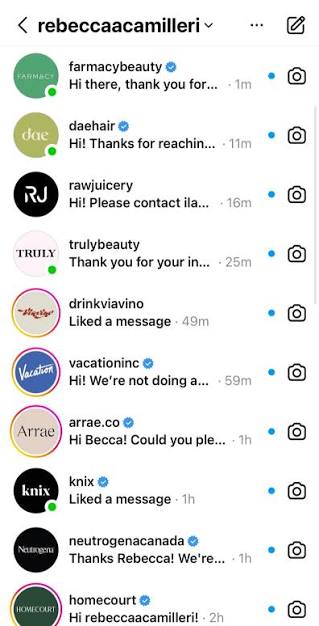
4.2 Instagram Direct Messages
Instagram DMs can work well for smaller creators and brands with an existing social connection.
However, keep the first message short.
Do not send a long proposal with multiple attachments immediately.
Instead, introduce yourself, explain why you are reaching out, and ask whether they are open to receiving a collaboration proposal.
4.3 TikTok
TikTok creators may receive business inquiries through their profile contact information, creator marketplace tools, or other professional channels.
If the creator has a preferred business contact method, use it.
A brief social message can be useful for initiating contact, but detailed campaign requirements are usually better handled through an appropriate professional communication channel.
4.4 YouTube
YouTube creators often include business inquiry information in their channel descriptions or professional media kits.
For product reviews, demonstrations, and educational collaborations, email is generally a practical starting point.
The key principle is simple: respect the creator’s preferred contact method.
5. The Essential Structure of an Influencer Collaboration Pitch
Now comes the most important part: writing the actual invitation.
A strong pitch should be easy to understand, personalized, concise, and commercially clear.
You do not need complicated marketing language.
You need a message that answers the questions an influencer is likely to ask:
- Who are you?
- Why are you contacting me?
- What makes your brand or product interesting?
- Why is this collaboration relevant to my audience?
- What exactly do you want me to create?
- What will I receive in return?
- What should I do next?
The following structure works well for many influencer outreach campaigns.
5.1 Write a Personalized Subject Line
Your email subject line determines whether the recipient has a reason to open your message.
Avoid vague subjects such as:
- Collaboration Opportunity.
- Business Proposal.
- Partnership Request.
- Hello, Influencer.
- We Want to Work With You.
These subjects provide little information and can resemble generic mass outreach.
Instead, use a subject line that is specific without sounding overly promotional.
Examples:
- Collaboration Idea for Your Home Organization Content
- Product Partnership Opportunity With [Brand Name]
- Loved Your Recent Skincare Routine Video
- Let’s Create Something Together: [Brand Name] x [Creator Name]
- A Potential Partnership for Your Fitness Community
Personalization should feel natural.
Do not force the creator’s name into every phrase or use exaggerated praise.
5.2 Introduce Yourself and Your Brand
Your first paragraph should quickly establish who you are.
Mention your name, company, and what your brand does.
For example:
“Hi Sarah,
I’m Alex from BrightNest, a home organization brand focused on creating practical storage solutions for modern households.”
This is enough to establish context.
Avoid writing a long company history.
Influencers are interested in understanding the opportunity, not reading your entire corporate introduction.
5.3 Explain Why You Chose This Influencer
This is one of the most important parts of your pitch.
Demonstrate that you have actually reviewed their content.
Reference a specific video, post, campaign, or recurring content theme.
For example:
“I especially enjoyed your recent video about organizing small apartment spaces. Your practical approach to solving everyday storage problems is exactly the kind of content that inspired us to reach out.”
This shows that your message is intentional.
Avoid generic statements such as “We love your amazing content” unless you provide a specific reason.
5.4 Introduce Your Product Naturally
Explain what your product does and why it may be relevant to the creator’s audience.
Focus on benefits rather than listing every technical feature.
For example:
“Our new modular storage system is designed to help people maximize limited living spaces without sacrificing appearance. We thought it could be a natural fit for your audience, especially those looking for practical apartment organization ideas.”
A good product introduction answers one question:
Why should this creator care about your product?
5.5 Explain the Collaboration Opportunity
Be specific about what you are proposing.
Possible collaboration formats include:
- Instagram Reels.
- Instagram Stories.
- TikTok product demonstrations.
- YouTube product reviews.
- Sponsored blog posts.
- Product tutorials.
- Unboxing videos.
- Livestream presentations.
- Affiliate partnerships.
- Long-term ambassador programs.
Do not simply write “We would love to collaborate.”
Explain what the partnership might look like.
For example:
“We would love to explore a short-form video collaboration featuring a real-life demonstration of the product, showing how it can make everyday organization easier.”
You can also mention that the creator is welcome to suggest a format that better fits their content.
5.6 Present the Compensation Clearly
Compensation is an important part of the decision.
Possible arrangements include:
- Paid sponsored content.
- Free product samples.
- Affiliate commissions.
- Performance bonuses.
- Discount codes.
- Long-term ambassador fees.
- Hybrid payment arrangements.
If you have a fixed budget, communicate the proposed amount or ask for the creator’s media kit and rates.
If you are offering a product-only collaboration, make that clear from the beginning.
Avoid presenting a free product as if it automatically covers the value of professional content production.
5.7 End With a Simple Call to Action
Your final paragraph should make responding easy.
For example:
“If this sounds interesting, we’d be happy to share the product details and campaign information. Would you be open to discussing the opportunity?”
This is much more effective than asking the creator to complete several complicated steps immediately.
Keep the next action simple.
6. A Complete Influencer Collaboration Pitch Template
The following example can be adapted for an e-commerce brand approaching a lifestyle influencer.
Subject: Collaboration Opportunity With [Brand Name]
Hi [Creator Name],
I’m [Your Name] from [Brand Name], a brand specializing in [product category or main business focus].
I’ve been following your content for a while, and I particularly enjoyed your recent post about [specific topic or content]. Your approach to [specific detail] really stood out to us.
We believe your content and audience would be a great fit for our brand.
At [Brand Name], we offer [brief product introduction], designed to help customers [main customer benefit].
We’d love to explore a potential collaboration with you, featuring [proposed product or campaign idea]. We think this could be a natural addition to your content and provide your audience with something genuinely useful.
For this partnership, we’re considering [compensation structure, such as a paid sponsored post, product gifting, affiliate commission, or a combination].
We’re also happy to discuss creative direction and find a format that works with your usual content style.
If you’re interested, we’d love to share more details and learn about your collaboration rates and availability.
Looking forward to hearing from you!
Best,
[Your Name]
[Your Position]
[Brand Name]
[Business Email]
This template provides a professional starting point, but it should never be sent unchanged to every influencer.
The most effective version is the one adapted to the individual creator.
7. How to Make Your Pitch Feel Personal Instead of Automated
Personalization is one of the strongest ways to improve influencer outreach.
However, simply adding a creator’s name to a standard email is not enough.
A personalized message should reflect something specific about the creator’s work.
7.1 Mention a Recent Post
Reference a recent piece of content and explain why it caught your attention.
For example:
“Your recent comparison of everyday running shoes was especially helpful. We appreciated how you explained the differences in cushioning and comfort rather than focusing only on appearance.”
This type of introduction demonstrates genuine attention.
7.2 Recognize the Creator’s Expertise
Some influencers build their reputations around specialized knowledge.
A technology reviewer may be known for detailed product testing.
A beauty creator may specialize in ingredient education.
A fitness influencer may focus on practical training advice.
Acknowledge the expertise that makes their content distinctive.
7.3 Connect the Product to Their Existing Content
The strongest collaborations often feel like a natural extension of what the creator already publishes.
If a creator regularly shares sustainable living tips, explain how your reusable household product supports that topic.
If they create beginner fitness content, explain how your product addresses a specific beginner concern.
The more naturally the product fits the creator’s existing content, the easier it may be for them to imagine the collaboration.
7.4 Avoid Excessive Flattery
Creators can recognize exaggerated compliments.
Statements such as “You are the greatest influencer in the world” or “Your content is absolutely perfect” do not establish credibility.
Specific, honest observations are more persuasive.
One thoughtful sentence is better than an entire paragraph of generic praise.
8. How to Make Your Collaboration Offer More Attractive
A great message cannot compensate for an unappealing offer.
If you want an influencer to seriously consider your proposal, think about what makes the opportunity valuable.
8.1 Offer Fair Compensation
Research the creator’s typical collaboration rates.
Pricing varies significantly based on:
- Platform.
- Audience size.
- Engagement.
- Content format.
- Production complexity.
- Industry.
- Usage rights.
- Exclusivity.
- Campaign duration.
- Deliverable requirements.
Do not assume that two creators with similar follower counts should charge the same amount.
A detailed YouTube review, for example, requires a different level of production effort from a short Instagram Story.
8.2 Provide a Product Worth Talking About
If you are offering free products, make sure they are genuinely relevant and useful.
A creator should be able to understand the product’s value without needing to invent reasons to recommend it.
Provide useful information, including:
- Product specifications.
- Key benefits.
- Target customer.
- Demonstration instructions.
- Product limitations.
- Shipping details.
- Relevant safety information.
A quality product makes authentic content easier to create.
8.3 Provide Creative Freedom
Instead of writing a rigid script, share the essential campaign requirements.
For example, you may need the creator to:
- Show the product clearly.
- Demonstrate two main features.
- Mention a unique discount code.
- Include a campaign disclosure.
- Publish within an agreed timeframe.
Beyond those requirements, allow the influencer to decide how to present the product.
Creative freedom can improve the authenticity and quality of sponsored content.
8.4 Offer Exclusive Opportunities
Depending on your business model, you may offer:
- Early product access.
- Limited-edition products.
- Personalized discount codes.
- Exclusive product bundles.
- Long-term ambassador opportunities.
- Invitations to product launches.
- Opportunities to provide product feedback.
These benefits can make a partnership more interesting than a standard promotional transaction.
8.5 Demonstrate That You Are Easy to Work With
Influencers often evaluate brands based on the quality of communication.
A company that responds quickly, provides clear instructions, pays on time, and respects deadlines can become a preferred long-term partner.
Your pitch should communicate professionalism.
Avoid unnecessary complexity during the initial outreach process.
9. How to Pitch Different Types of Influencers
Not every creator should receive the same invitation.
Different content categories require different approaches.
9.1 Micro-Influencers
Micro-influencers typically have smaller audiences than major celebrities, but they may offer strong niche relevance and closer audience relationships.
When approaching them:
- Keep your message friendly.
- Explain why their specific content interests you.
- Introduce the product clearly.
- Make the compensation structure transparent.
- Offer a straightforward collaboration format.
Do not assume that smaller creators will automatically accept product gifting.
Their content still requires time and effort.
9.2 Macro-Influencers
Macro-influencers often work with professional management teams and receive substantial brand outreach.
Your proposal should be structured and commercially clear.
Include:
- Campaign objectives.
- Proposed deliverables.
- Budget range when appropriate.
- Campaign timeline.
- Usage rights.
- Contact information.
A professional media kit or campaign brief may be useful after initial interest is established.
9.3 Industry Experts and KOLs
Key Opinion Leaders may be valued for their expertise rather than entertainment or lifestyle content.
For example, a professional photographer, fitness coach, technology specialist, or industry consultant may influence purchasing decisions through knowledge and credibility.
When approaching these individuals, focus on:
- Product functionality.
- Technical specifications.
- Relevant industry problems.
- Evidence supporting product claims.
- The value of the collaboration to their professional audience.
Avoid using exaggerated promotional language.
An expert is more likely to respond positively to a proposal that respects their knowledge and reputation.
9.4 YouTube Reviewers
YouTube reviewers often need time to test products before publishing.
Your pitch should explain:
- What product will be provided.
- Whether a sample can be kept.
- Whether additional testing is required.
- What content format you are proposing.
- Whether compensation is available.
- Whether the review must follow any disclosure requirements.
Do not demand a positive review.
Creators should retain the freedom to express their honest opinions.
9.5 TikTok Creators
TikTok collaborations often focus on short-form video, product demonstrations, trends, and storytelling.
Your pitch should be concise and emphasize the visual or practical appeal of the product.
Explain what makes the product interesting in a short video.
For example, a kitchen gadget might demonstrate a useful before-and-after result, while a beauty product might fit naturally into a creator’s existing routine.
Avoid forcing creators to copy a trend that does not match their style.
9.6 Instagram Lifestyle Influencers
Instagram creators may offer several collaboration formats, including Reels, Stories, carousels, and photographs.
Consider whether your product is visually appealing and suitable for their usual content themes.
Your pitch should explain the desired deliverables without unnecessarily restricting the creative presentation.
10. Common Influencer Pitch Mistakes That Reduce Response Rates
Even experienced marketers sometimes make avoidable mistakes.
Understanding these problems can help you improve your outreach.
Mistake 1: Sending the Same Email to Everyone
Generic mass emails are easy to recognize.
They fail to explain why a specific creator was selected.
Personalization does not need to take hours, but every pitch should include at least one meaningful creator-specific detail.
Mistake 2: Making the Message Too Long
A collaboration pitch is not a complete company presentation.
Avoid including every product feature, brand milestone, and marketing objective.
The first message should introduce the opportunity.
Additional information can be shared once the creator expresses interest.
Mistake 3: Focusing Only on Your Brand
A pitch that repeatedly says “we need,” “we want,” and “our company hopes” can sound one-sided.
Explain the benefits for the creator and their audience.
A successful partnership should create value for all participants.
Mistake 4: Hiding the Compensation Details
Creators need to understand whether an offer is paid, product-only, commission-based, or negotiable.
Unclear compensation creates unnecessary friction.
Be transparent from the beginning.
Mistake 5: Demanding Free Content
Sending a product and expecting several videos, photographs, and promotional posts in return is not automatically a fair arrangement.
If you want professional deliverables, establish a clear agreement.
Mistake 6: Overloading the Creator With Requirements
Long lists of mandatory phrases, hashtags, scripts, and approval steps can make a collaboration feel restrictive.
Distinguish between essential brand requirements and optional creative suggestions.
Mistake 7: Making Unrealistic Product Claims
Do not promise results that your product cannot reliably deliver.
Misleading claims can damage the creator’s credibility and create legal or regulatory risks for your brand.
Provide accurate product information and supporting evidence.
Mistake 8: Following Up Too Aggressively
Sending several messages within a few days can make your brand appear unprofessional.
Give creators sufficient time to review the invitation.
A respectful follow-up schedule is generally more effective.
11. How to Follow Up When an Influencer Does Not Reply
No response does not always mean rejection.
Influencers receive numerous messages, travel, produce content, manage businesses, and handle existing partnerships.
Your email may simply have been overlooked.
A thoughtful follow-up can bring your proposal back to their attention.
11.1 The First Follow-Up
Wait approximately four to seven business days before sending a polite reminder.
Keep it short.
Example:
Subject: Following Up on Our Collaboration Invitation
Hi [Creator Name],
I wanted to follow up on my previous message about a potential collaboration with [Brand Name].
We still think your content would be a great fit for our product, and we’d love to explore the opportunity if you’re interested.
Please let me know if you’d like me to share more details.
Thanks again for your time!
Best,
[Your Name]
11.2 The Second Follow-Up
If there is still no response, consider one final message after another five to seven business days.
Example:
Hi [Creator Name],
Just reaching out one last time regarding our potential partnership.
We understand you have a busy schedule, so no worries if the timing isn’t right.
If you’re interested in future collaborations, we’d be happy to stay in touch.
Wishing you continued success with your content!
Best,
[Your Name]
11.3 Know When to Stop
If the creator does not respond after reasonable follow-ups, move on.
Repeated messages can damage your brand’s reputation.
Respecting someone’s decision not to engage is part of professional influencer outreach.
12. What to Do When an Influencer Responds Positively
Getting a response is an important milestone, but the work does not stop there.
You now need to turn initial interest into a clearly defined collaboration.
12.1 Ask About Their Rates and Availability
If the creator has not provided pricing information, request their current media kit or rate card.
You can also ask about their availability during your preferred campaign period.
12.2 Send a Clear Campaign Brief
Once both sides are interested, prepare a campaign brief covering:
- Brand background.
- Product information.
- Campaign objective.
- Target audience.
- Deliverables.
- Publication dates.
- Compensation.
- Payment schedule.
- Content approval process.
- Disclosure requirements.
- Usage rights.
- Exclusivity, if applicable.
The brief should be clear without dictating every creative decision.
12.3 Agree on Deliverables
Be precise about the content being purchased.
For example:
- One TikTok video.
- Two Instagram Stories.
- One Instagram Reel.
- One YouTube product integration.
Specify whether revisions are included and what happens if deadlines change.
12.4 Clarify Content Usage Rights
This is especially important for e-commerce brands.
There is a difference between paying for an influencer to publish content and paying for permission to reuse that content.
Discuss:
- Organic reposting.
- Website usage.
- Email marketing.
- Paid social advertising.
- Whitelisting or creator-authorized advertising.
- Licensing duration.
- Geographic restrictions.
- Editing permissions.
Do not assume that a sponsored post gives your company unlimited ownership or advertising rights.
12.5 Use a Written Agreement
For paid collaborations, a written agreement helps protect both parties.
It should explain compensation, deliverables, deadlines, disclosures, cancellation terms, intellectual property, usage permissions, and any exclusivity obligations.
For larger campaigns, consider having the agreement reviewed by a qualified legal professional.
13. How to Measure the Success of Your Influencer Collaboration
An influencer pitch should connect to measurable campaign objectives.
Otherwise, you may spend money on partnerships without understanding whether they contribute to your business.
Different objectives require different performance indicators.
13.1 Brand Awareness Metrics
For awareness campaigns, monitor:
- Reach.
- Impressions.
- Video views.
- Audience growth.
- Brand mentions.
- Share of voice.
- Branded search activity.
These metrics help you understand how effectively the partnership introduced your brand to new audiences.
13.2 Engagement Metrics
Engagement provides insight into how audiences interact with sponsored content.
Useful indicators include:
- Likes.
- Comments.
- Shares.
- Saves.
- Story interactions.
- Video completion rates.
- Meaningful audience questions.
Look beyond total engagement numbers.
The quality and relevance of audience interactions also matter.
13.3 Website Traffic Metrics
If your objective is to attract visitors, use campaign-specific tracking links or properly configured analytics.
Monitor:
- Sessions.
- New visitors.
- Landing-page engagement.
- Product-page visits.
- Add-to-cart activity.
- Checkout activity.
These measurements can help identify which creators bring relevant visitors to your store.
13.4 Sales Metrics
For sales-focused campaigns, track:
- Purchases.
- Revenue.
- Discount-code redemptions.
- Affiliate conversions.
- Cost per acquisition.
- Return on advertising spend where applicable.
Do not rely on a single metric to evaluate every creator.
A creator who generates strong awareness may not produce immediate purchases, while another may generate fewer views but attract customers with stronger buying intent.
13.5 Build Long-Term Relationships With High-Performing Creators
After identifying successful partnerships, consider developing ongoing relationships.
Potential opportunities include:
- Seasonal campaigns.
- Product launches.
- Ambassador programs.
- Affiliate partnerships.
- Product testing.
- Exclusive collections.
- Recurring content series.
Long-term collaborations can help brands build familiarity and trust with audiences over time.
14. Important Legal and Ethical Considerations for Influencer Pitches
A persuasive invitation should never encourage misleading advertising or unclear sponsorship arrangements.
Influencer marketing requires transparency.
For brands targeting the United States, the Federal Trade Commission’s endorsement and advertising disclosure principles are particularly relevant.
14.1 Make Sponsored Relationships Clear
If an influencer receives payment, free products, discounts, commissions, or other material benefits in exchange for promotional content, appropriate disclosure may be required.
The disclosure should be clear and easy for audiences to notice.
Do not assume that a platform’s built-in paid partnership label is always sufficient for every situation.
Brands should provide creators with accurate disclosure guidance.
14.2 Do Not Require Positive Reviews
A brand may provide product information and explain its desired messaging.
However, it should not require an influencer to claim that a product is excellent if that does not reflect their genuine experience.
Authentic opinions help protect consumer trust.
14.3 Avoid Unsupported Product Claims
All product claims should be accurate and supported by appropriate evidence.
This is particularly important for health, beauty, financial, and performance-related products.
Do not encourage creators to make promises that the brand itself cannot substantiate.
14.4 Respect Privacy and Communication Preferences
Use legitimate public business contact channels.
Avoid collecting unnecessary personal information or repeatedly contacting creators through private accounts after they have declined.
Professional communication should be respectful and transparent.
15. An Advanced Strategy: Build an Influencer Pitch System Instead of Sending Individual Emails Randomly
Once your business begins contacting multiple creators, a repeatable outreach process becomes valuable.
Instead of writing every message from scratch, develop a system that combines structured information with meaningful personalization.
15.1 Segment Influencers Into Different Groups
Organize your creator list by:
- Industry.
- Platform.
- Audience size.
- Geographic market.
- Content format.
- Campaign objective.
- Budget range.
- Partnership history.
This allows you to adapt your message to each group.
For example, a YouTube technology reviewer may need detailed product specifications, while a TikTok lifestyle creator may respond better to a short visual campaign concept.
15.2 Create Several Pitch Templates
Prepare separate templates for:
- Paid sponsorships.
- Product gifting.
- Affiliate partnerships.
- Product reviews.
- Long-term ambassador programs.
- Event invitations.
- User-generated content production.
Templates save time, but they should never eliminate personalization.
15.3 Track Outreach Performance
Monitor the performance of your communication process.
Useful measurements include:
- Emails sent.
- Successfully delivered emails.
- Positive reply rate.
- Negotiation rate.
- Partnership acceptance rate.
- Average collaboration cost.
- Campaign completion rate.
- Sales or engagement generated.
Comparing these results can reveal which types of creators, messages, and offers work best.
15.4 Improve the Pitch Through Testing
Experiment with different subject lines, opening paragraphs, product introductions, and calls to action.
For example, compare a message emphasizing product relevance with one emphasizing a paid campaign opportunity.
Change one major element at a time whenever possible.
This makes it easier to identify which adjustments improve response quality.
15.5 Focus on Quality Rather Than Volume
Sending 500 generic messages may look productive, but it does not necessarily create 500 meaningful opportunities.
A smaller list of carefully selected creators can produce stronger partnerships.
The objective is not to maximize the number of invitations sent.
It is to connect with people who genuinely have a reason to work with your brand.
16. Final Checklist: Is Your Influencer Pitch Ready to Send?
Before sending your next collaboration invitation, review the following checklist.
Research and targeting
- Have you reviewed the creator’s recent content?
- Is their audience relevant to your product?
- Have you checked previous brand partnerships?
- Do you have a genuine reason for choosing this creator?
Message quality
- Is the subject line specific?
- Have you introduced yourself clearly?
- Have you included a personalized observation?
- Is the product introduction concise?
- Have you explained the collaboration idea?
- Is the call to action easy to understand?
Commercial details
- Is compensation transparent?
- Are the deliverables realistic?
- Have you considered content usage rights?
- Is the campaign timeline reasonable?
- Are product and shipping details clear?
Professional standards
- Are all product claims accurate?
- Are sponsorship disclosures addressed?
- Does the creator have creative freedom?
- Is the communication respectful?
- Do you have a plan for following up?
If you can answer yes to these questions, your invitation is much more likely to make a professional impression.
Conclusion: The Best Influencer Pitch Starts With Understanding the Creator
Writing an influencer collaboration pitch that stands out is not about using impressive vocabulary, making unrealistic promises, or sending hundreds of messages.
It is about understanding the creator’s work, identifying a genuine connection between their audience and your product, and presenting a partnership that creates value for both sides.
Start with research.
Choose creators whose content and audiences align with your brand.
Write personalized invitations that demonstrate genuine interest.
Explain your product clearly, outline the proposed collaboration, and make compensation transparent.
Most importantly, respect the creator’s expertise and creative independence.
Remember that influencers are not simply advertising channels. They are content professionals who have invested time and effort into building relationships with their audiences.
When your pitch recognizes that value, it becomes more than another promotional email.
It becomes the beginning of a potentially valuable business relationship.
Whether you are a new e-commerce store reaching out to your first micro-influencer or an established brand building a large-scale creator program, a thoughtful and well-structured pitch can help you open doors, start meaningful conversations, and turn influencer outreach into lasting partnerships.