DropSure vs AutoDS: A Detailed Comparison of Two Dropshipping Platforms Starting and growing a dropshipping business requires more than finding popular products and uploading them to an online store. Merchants need dependable suppliers, accurate product information, efficient fulfillment, competitive shipping options, reliable inventory management, and a customer experience that encourages repeat purchases. That is why choosing the right dropshipping platform matters. DropSure and AutoDS take different approaches to helping merchants operate an online store. AutoDS emphasizes automation, product research, store management, and tools designed to simplify e-commerce operations. DropSure focuses prominently on product sourcing, fulfillment, warehousing, logistics, quality control, and customized branding. For merchants who want to build a more distinctive online business rather than simply test products quickly, DropSure’s advertised sourcing and fulfillment services deserve particular attention. This article examines DropSure vs. AutoDS, compares their main features, explains the potential advantages of each platform, and explores why DropSure may be worth considering for merchants who prioritize product quality, fulfillment support, shipping operations, and long-term brand development. The comparison is based on the companies’ official websites and their publicly presented services. Features, pricing, integrations, and service conditions may change, so merchants should verify current details before making a business decision. 1. Understanding the Dropshipping Business Model Before comparing DropSure and AutoDS, it is important to understand what a dropshipping platform actually contributes to an online business. In a traditional retail model, a merchant purchases inventory, stores products, manages stock, and ships orders to customers. Dropshipping changes this process. Instead of holding all products in advance, the merchant promotes products through an online store and places orders with a supplier when customers make purchases. The supplier or fulfillment partner then prepares […]

September 16, 2026

A Practical Guide to International Influencer Partnerships, Brand Alignment, and Higher-Converting Creator Collaborations Building an independent e-commerce store is about more than attracting visitors. It is about creating a recognizable brand that customers trust, remember, and feel comfortable buying from. For many independent brands, overseas KOCs and KOLs can play an important role in building that trust. A well-chosen creator can introduce your products to the right audience, demonstrate how they fit into everyday life, and communicate your brand’s value in a way that feels more authentic than traditional advertising. However, finding overseas creators is not simply a matter of searching for accounts with large follower counts. A creator may have hundreds of thousands of followers but still be a poor fit for your brand. Another creator with only a few thousand highly engaged followers may generate more meaningful conversations, better product feedback, and stronger sales. The real challenge is finding creators whose audience, content style, personal image, and values align with your independent store—and then building a partnership that feels natural to both sides. This guide explains how to identify suitable overseas KOCs and KOLs, evaluate their influence, establish contact, negotiate collaboration terms, and develop long-term partnerships that support your brand’s growth. From defining your ideal creator profile to writing an effective outreach message, every step matters. 1. Understand the Difference Between KOCs and KOLs Before searching for creators, it is important to understand what KOCs and KOLs actually contribute to an independent store. Although the two terms are often used interchangeably, they generally describe different types of influence. What Is a KOC? KOC stands for Key Opinion Consumer. A KOC is typically an everyday consumer, enthusiast, niche content […]

September 15, 2026

You are getting views. Your posts are receiving likes. Your videos are generating comments. Your social media followers are growing. And yet, when you look at your independent store’s sales dashboard, the numbers are disappointing. Visitors arrive from Instagram, TikTok, Facebook, Pinterest, YouTube, or other social platforms. Some browse your products. A few add items to their carts. But far too many leave without buying. This situation is frustrating, especially when you are investing significant time and money into content creation, influencer partnerships, paid social campaigns, and community management. The problem, however, may not be that your social media strategy is failing. The problem may be what happens after the click. Social media traffic and ecommerce traffic behave differently. Someone scrolling through a social feed is usually not actively looking for a product. They are discovering content, watching videos, comparing lifestyles, entertaining themselves, or interacting with friends. When that person clicks through to your independent store, you have only a short amount of time to turn casual interest into genuine purchase intent. If the transition feels confusing, slow, irrelevant, or untrustworthy, the visitor leaves. So why is your social media traffic not converting? In many cases, independent stores repeatedly make the same mistakes. This article examines the seven most common social media conversion mistakes, explains why they happen, and provides practical strategies for turning more social visitors into customers. 1. Mistake #1: Driving Traffic to the Wrong Page One of the most common problems is surprisingly simple: You are sending social media users to a page that was not designed for them. A brand may publish an Instagram Reel about a specific product and then place a generic link in […]

September 11, 2026

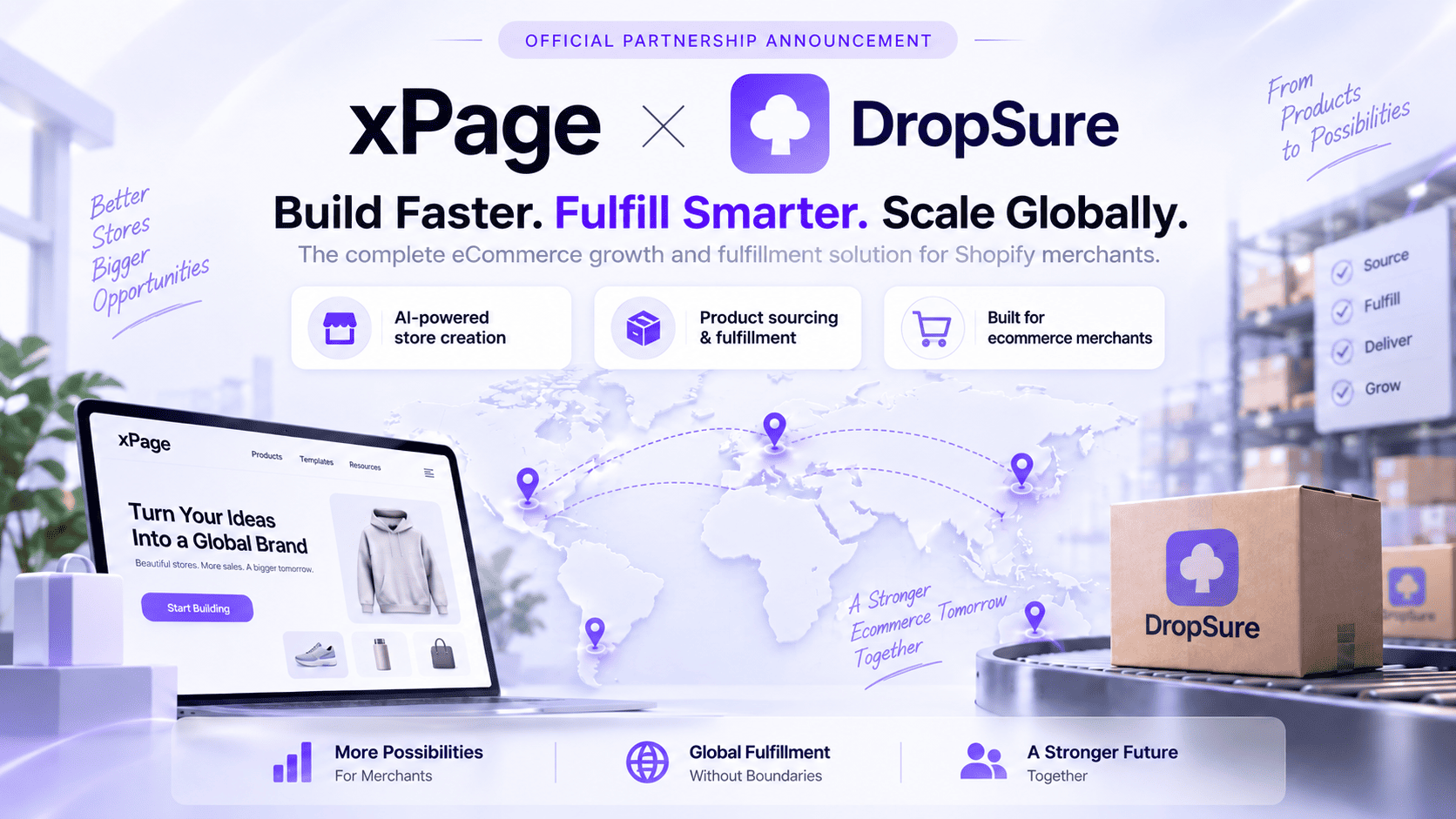
The modern e-commerce landscape is undergoing a massive transformation. As global supply chains grow more complex, consumer expectations shift toward instant fulfillment, and digital acquisition costs climb, independent brands and direct-to-consumer (DTC) operators face a brutal reality: surviving requires more than just a great product. It demands hyper-efficient operations, lightning-fast digital storefront deployment, and absolute precision in product research and market entry. Enter the powerhouse partnership between Xpage and Dropsure . By bridging the gap between cutting-edge AI-driven website creation and intelligent product selection and dropshipping logistics, this collaboration offers a blueprint for modern digital commerce. This comprehensive guide explores how the synergy between Xpage and Dropsure is reshaping how online businesses launch, scale, and sustain profitability. The E-Commerce Bottleneck: Why Traditional Operations Fall Short Before diving into the mechanics of the Xpage and Dropsure partnership, it is crucial to understand the pain points plaguing contemporary e-commerce operators. Historically, launching a viable online store required navigating a fragmented ecosystem of disparate tools: The Content and Design Lag: Building high-converting landing pages, optimized product descriptions, and localized storefronts traditionally takes weeks of design and copywriting work. The Product Research Trap: Finding winning, high-margin products without running into saturated markets or compliance traps is notoriously difficult. Many operators waste thousands of dollars testing dead-end inventory. The Logistics Disconnect: Even if a store looks incredible and features a stellar product, poor supplier reliability, slow shipping times, and cumbersome order management can ruin customer lifetime value (LTV). For years, merchants had to stitch together patchwork solutions—using one platform for site building, another for spy tools, and a third for fulfillment. The Xpage and Dropsure ecosystem changes the game by integrating these critical phases into […]

September 9, 2026

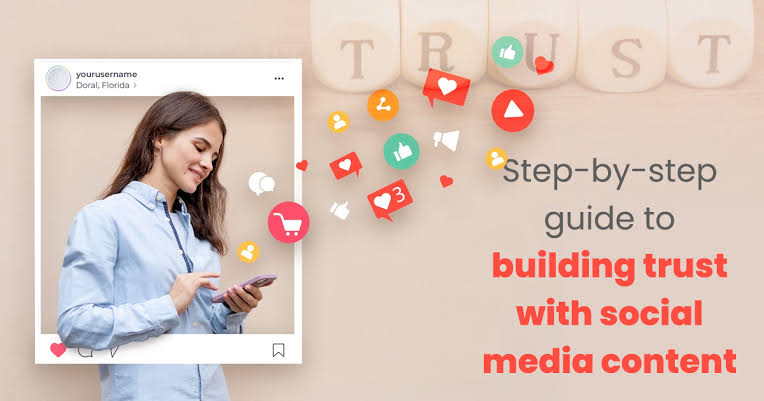
In today’s crowded online marketplace, getting people to notice your brand is only the first step. The harder challenge is convincing them to trust you enough to buy. Customers can discover hundreds of products within minutes. They can compare prices, read reviews, watch product demonstrations, check social media comments, visit competing websites, and search for alternative brands before making a decision. A polished product image may attract attention, but attention alone rarely creates a lasting customer relationship. Trust does. For independent e-commerce websites, building trust is especially important. Unlike major marketplaces and globally recognized retailers, independent brands may not have the advantage of instant recognition. Customers often arrive at an unfamiliar website with questions: Is this company legitimate? Will the product actually look like the pictures? Is the quality worth the price? Will customer service respond if something goes wrong? Can I trust the reviews? Is this brand going to disappear after I place my order? These questions are not necessarily signs that customers dislike your product. They are signs that customers need more information before they feel comfortable purchasing. This is where social media content and copywriting become powerful tools. A strong social media presence can introduce your brand, demonstrate your expertise, answer customer questions, and show the human side of your business. Meanwhile, effective website copy can turn that familiarity into confidence by clearly explaining what you offer, why it matters, and why customers should choose you. The goal is not simply to create more content. The goal is to create content that makes your brand feel credible, useful, transparent, and worth trusting. This guide explores practical strategies for building brand trust through social media content and copywriting […]

September 8, 2026

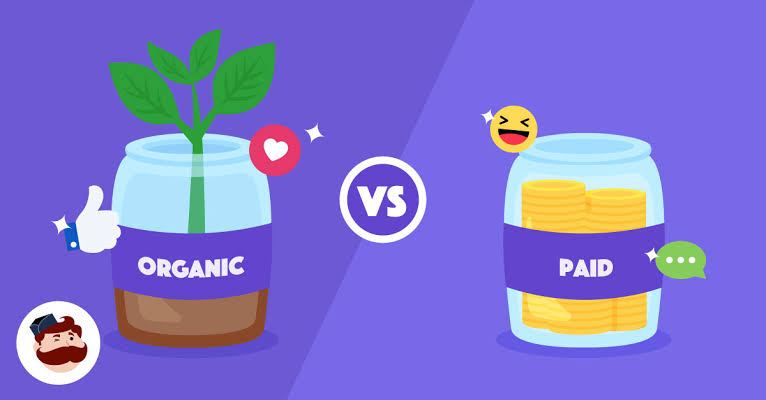
For many brands, social media marketing often feels like a choice between two very different strategies. On one side, there is organic traffic. You create content, publish posts, engage with followers, build a community, answer questions, share useful information, and gradually earn attention without directly paying for every impression. On the other side, there are paid ads. You invest money to put your products, services, videos, or offers in front of carefully selected audiences and attempt to generate clicks, leads, sales, or other measurable actions. Because these strategies operate differently, businesses sometimes treat them as competitors. They ask: Should we focus on organic social media or paid advertising? In many cases, that is the wrong question. The stronger question is: How can organic content and paid advertising work together to produce better results than either strategy could achieve alone? When properly integrated, organic traffic and paid ads can create a powerful growth loop. Organic content can attract attention, establish credibility, reveal what audiences care about, and generate valuable behavioral data. Paid advertising can then amplify the strongest messages, reach specific audiences, accelerate traffic, support product launches, and retarget people who have already interacted with the brand. At the same time, advertising data can reveal which products, messages, audiences, and creative concepts deserve more organic content. This creates a continuous cycle: Create → Test → Learn → Amplify → Retarget → Convert → Improve → Create Again The goal is not to choose between organic and paid social media. The goal is to make them work as one connected system. What Is Organic Social Media Traffic? Organic social media traffic refers to visits, engagement, followers, leads, or sales generated through unpaid […]


September 3, 2026
1 2 3 4 55
DropSure is Your Best Partner
22 Years Experience
Affiliate Rebates
100% Quality Guarantee
Top-Up Rewards
10+ Global Warehouses
Custom Branding Support
Smart inventory System
24/7 Customer Support
Get a Quote in 24 Hours
Start Sourcing for Free