














 En
En
 60 min read
A Practical Guide to International Influencer Partnerships, Brand Alignment, and Higher-Converting Creator Collaborations
Building an independent e-commerce store is about more than attracting visitors. It is about creating a recognizable brand that customers trust, remember, and feel comfortable buying from.
For many independent brands, overseas KOCs and KOLs can play an important role in building that trust. A well-chosen creator can introduce your products to the right audience, demonstrate how they fit into everyday life, and communicate your brand’s value in a way that feels more authentic than traditional advertising.
However, finding overseas creators is not simply a matter of searching for accounts with large follower counts. A creator may have hundreds of thousands of followers but still be a poor fit for your brand. Another creator with only a few thousand highly engaged followers may generate more meaningful conversations, better product feedback, and stronger sales.
The real challenge is finding creators whose audience, content style, personal image, and values align with your independent store—and then building a partnership that feels natural to both sides.
This guide explains how to identify suitable overseas KOCs and KOLs, evaluate their influence, establish contact, negotiate collaboration terms, and develop long-term partnerships that support your brand’s growth.
From defining your ideal creator profile to writing an effective outreach message, every step matters.
1. Understand the Difference Between KOCs and KOLs
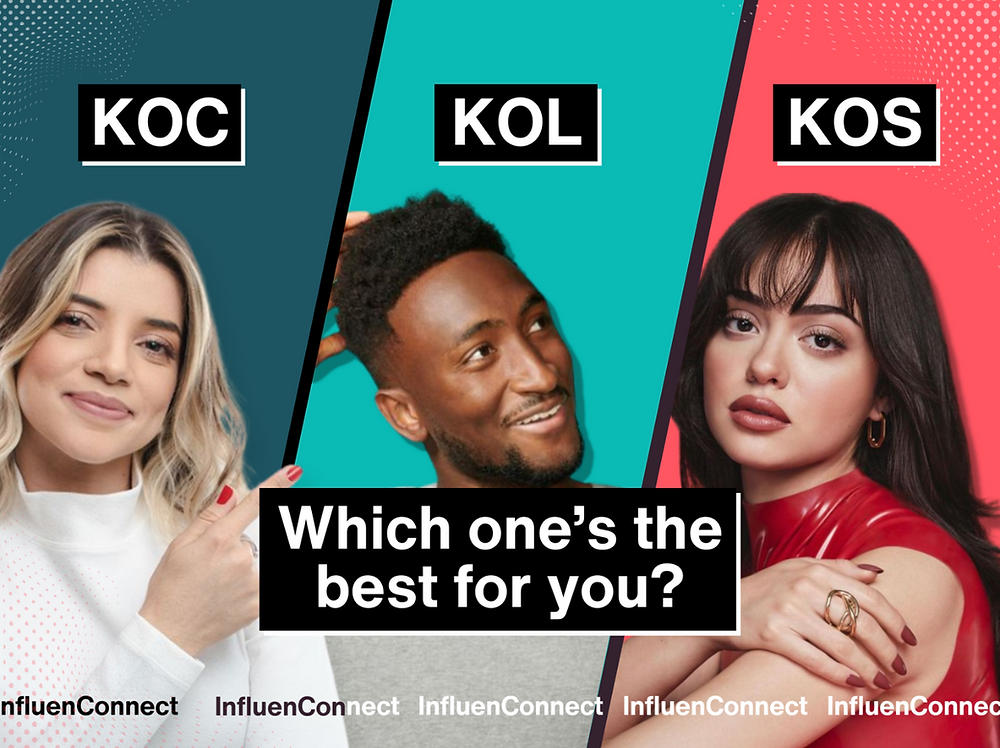
Before searching for creators, it is important to understand what KOCs and KOLs actually contribute to an independent store.
Although the two terms are often used interchangeably, they generally describe different types of influence.
What Is a KOC?
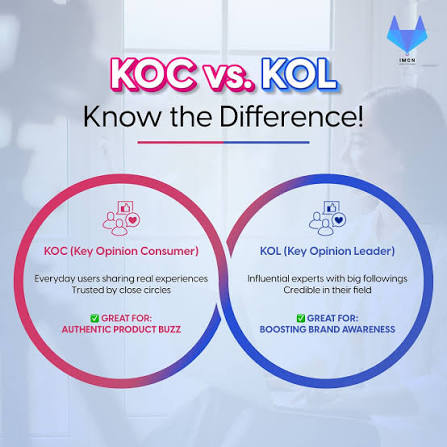
KOC stands for Key Opinion Consumer.
A KOC is typically an everyday consumer, enthusiast, niche content creator, or product user whose influence comes from personal experience and close relationships with a relatively focused audience.
KOCs may have smaller followings than major influencers, but their recommendations can feel personal and relatable. Their content often includes:
- Product reviews and first impressions.
- Unboxing videos.
- Everyday product demonstrations.
- Personal recommendations.
- Before-and-after experiences where appropriate.
- Lifestyle content featuring products naturally.
- Honest comparisons and shopping advice.
- Responses to questions from followers.
For example, suppose your independent store sells minimalist outdoor furniture.
A KOC might be someone who regularly shares balcony makeovers, small-space living ideas, outdoor entertaining, or practical home improvement tips. They may not be a famous interior designer, but their audience may trust their recommendations because they actually use and discuss products in everyday situations.
For an independent brand, this type of creator can be valuable because the content often feels less like a formal advertisement and more like a recommendation from someone with similar interests.
What Is a KOL?
KOL stands for Key Opinion Leader.
A KOL generally has established authority, recognition, or influence within a particular field or community. This influence may come from expertise, professional experience, a strong public profile, or a large and loyal audience.
Depending on the industry, KOLs may include:
- Professional reviewers.
- Industry specialists.
- Designers and stylists.
- Fitness coaches.
- Beauty educators.
- Technology commentators.
- Fashion creators.
- Travel personalities.
- Food and lifestyle experts.
- Recognized niche authorities.
A KOL can help an independent store establish credibility and reach a broader audience.
For instance, a premium outdoor lighting brand might collaborate with a landscape designer who regularly discusses garden planning and architectural lighting. The creator’s professional perspective could help potential customers understand why the product is worth considering.
However, authority alone does not guarantee a successful partnership. A creator can be highly respected in a particular field and still be unsuitable for your brand’s visual identity, pricing strategy, target market, or customer expectations.
KOC vs. KOL: Which One Should Your Store Choose?
There is no universal answer. The best choice depends on your campaign objective.
| Consideration | KOC | KOL |
|---|---|---|
| Typical influence | Personal trust and niche relevance | Recognized authority and broader influence |
| Audience size | Often smaller or more specialized | Often larger or more established |
| Content style | Personal, practical, conversational | Educational, editorial, professional, or personality-driven |
| Main strength | Relatability and community interaction | Reach, credibility, and category authority |
| Suitable campaign role | Product seeding, reviews, UGC, niche discovery | Brand awareness, expert endorsement, product education |
| Collaboration approach | Often more flexible and relationship-oriented | May involve formal negotiation or management |
| Potential limitation | Limited reach or inconsistent content quality | Higher fees or less flexibility |
| Best selection principle | Audience and lifestyle relevance | Authority and strategic brand fit |
These are general patterns rather than fixed rules. A small creator can have considerable authority, while a major creator may have a highly personal relationship with their audience.
For many independent stores, a combination of KOCs and KOLs can be more effective than relying exclusively on one category.
A few relevant KOLs can help establish a brand story. A carefully selected group of KOCs can then demonstrate how the products work in real-life situations.
The goal is not simply to collect influencer mentions. It is to build a network of creators who communicate different aspects of the same brand.
2. Define Your Independent Store’s Brand Style Before Searching
One of the biggest mistakes brands make is searching for creators before deciding what their own brand represents.
If you do not know what your store should look and sound like, it becomes difficult to determine whether a creator is a good match.
You may end up choosing creators based on popularity, attractive photography, or impressive follower numbers. Yet their content may communicate a completely different lifestyle from the one your store wants to establish.
Before opening TikTok, Instagram, YouTube, or a creator marketplace, create a clear brand-fit profile.
Clarify Your Brand Positioning
Start by answering several fundamental questions.
What does your store sell?
Define your main product category and the specific problem your products solve.
For example:
- Premium outdoor furniture for modern homes.
- Functional eyewear for everyday professionals.
- Sustainable household products.
- Contemporary lighting for residential spaces.
- Travel accessories for frequent travelers.
- Specialized fitness equipment.
- Minimalist home organization products.
The more clearly you define your product category, the easier it becomes to identify relevant creator communities.
Who is your ideal customer?
Consider more than age and gender.
Think about:
- Country or region.
- Language.
- Lifestyle.
- Household situation.
- Spending habits.
- Design preferences.
- Common purchasing concerns.
- Product knowledge.
- Reasons for choosing your store instead of a competitor.
For example, a brand selling premium patio furniture may target homeowners who care about durability, aesthetics, entertaining, and long-term value.
That audience may be very different from consumers looking for inexpensive seasonal furniture.
What should customers feel when they encounter your brand?
Your desired emotional impression could include:
- Sophisticated.
- Warm and welcoming.
- Practical.
- Innovative.
- Sustainable.
- Relaxed.
- Energetic.
- Professional.
- Artistic.
- Trustworthy.
- Family-friendly.
- Adventurous.
These characteristics help you assess whether a creator’s personality and presentation support your positioning.
Build a Brand Style Guide for Creator Partnerships
A creator does not need to reproduce every element of your website. However, their content should be compatible with the overall impression you want to create.
Your internal guide can include the following elements.
Visual Style
Describe the visual world associated with your brand.
For example:
Our brand combines contemporary design, natural materials, understated colors, and practical outdoor living. We prefer authentic residential environments, natural lighting, and uncluttered compositions.
This gives creators a useful direction without forcing every collaboration to look identical.
Communication Style
Decide how your brand should sound.
Possible characteristics include:
- Clear and informative.
- Friendly and conversational.
- Elegant but approachable.
- Energetic and optimistic.
- Expert-led and educational.
- Honest and practical.
- Creative and playful.
A luxury-oriented brand may not want an overly aggressive sales pitch. A youthful sports brand may not want a formal, corporate presentation.
Content Boundaries
Identify what creators should avoid.
These boundaries might include:
- Exaggerated product claims.
- Misleading comparisons.
- Offensive humor.
- Inaccurate technical information.
- Unapproved health or performance claims.
- Excessive use of promotional language.
- Visual settings that conflict with brand positioning.
- Unclear disclosure of paid partnerships.
The purpose of these guidelines is to protect the brand while allowing creators to remain themselves.
Reference Content
Collect examples of content that represent your preferred direction.
You might include:
- Three examples of suitable creator videos.
- Two examples of preferred photography.
- A few sample captions.
- Examples of natural product demonstrations.
- References for lighting, composition, and editing.
- Examples of content that feels too commercial or unsuitable.
A visual reference is often more effective than a long written explanation.
Create a “Perfect Creator” Description
Write a short description of the kind of person who would naturally fit your store.
For example:
We are looking for U.S.-based home and outdoor-lifestyle creators who share practical design ideas, appreciate quality materials, and produce warm, visually appealing content. Their audience should include homeowners and consumers interested in improving their living spaces. Their communication style should feel genuine, helpful, and approachable rather than overly promotional.
This description becomes the foundation for your creator search, screening process, and outreach messages.
3. Choose Overseas Markets and Platforms Strategically
“Overseas creators” is a broad category. A creator in the United States may be completely different from one in Germany, Australia, Canada, or the United Kingdom.
Each market has its own language preferences, cultural expectations, platform habits, purchasing behavior, and creator ecosystem.
Instead of searching everywhere at once, begin with a small number of markets that are commercially meaningful to your store.
Start with Your Target Customer, Not the Creator’s Nationality
A creator’s location is useful, but it is not enough.
A creator living in the United States may have followers across several continents. A creator based in France may have an audience that includes English-speaking consumers in multiple countries.
The more important question is:
Does this creator reach the people your independent store wants to serve?
Consider:
- Where their audience lives.
- Which languages their audience understands.
- Whether their audience can purchase your products.
- Whether your store ships to that market.
- Whether your pricing is appropriate for that market.
- Whether the creator’s content reflects local customer needs.
- Whether your customer service can support the resulting traffic.
Audience geography should be verified through available platform analytics or creator-provided data whenever it materially affects your decision. Do not assume that a creator’s location or language proves where their audience lives. (Encore Influence)
Match Platforms to Your Product Category
Different platforms support different kinds of creator content.
Instagram can be useful for brands that depend on visual presentation, lifestyle inspiration, and a recognizable aesthetic.
It may be particularly relevant for:
- Fashion.
- Jewelry.
- Beauty.
- Home decor.
- Outdoor furniture.
- Interior design.
- Travel accessories.
- Food presentation.
- Premium lifestyle products.
Creators may produce Reels, Stories, carousels, product photography, or shopping-oriented content.
For a visually driven independent store, Instagram can help communicate not only what a product does but also how it fits into a desirable lifestyle.
TikTok
TikTok is useful for short-form discovery, demonstrations, storytelling, and personality-driven content.
Potentially effective formats include:
- Product demonstrations.
- Quick problem-and-solution videos.
- “Things I wish I knew before buying…” content.
- Product comparisons.
- Everyday routines.
- Before-and-after transformations.
- Unboxing and first impressions.
- Behind-the-scenes videos.
- Creator responses to common customer questions.
TikTok creators often have distinctive ways of presenting information. A product that seems difficult to explain through static images may become easier to understand through a short demonstration.
However, a creator who performs well with entertainment content may not necessarily be effective at explaining a technical product.
YouTube
YouTube may be especially valuable when customers need detailed information before purchasing.
Potential creator categories include:
- Product reviewers.
- DIY educators.
- Technology specialists.
- Home improvement channels.
- Outdoor enthusiasts.
- Fitness educators.
- Beauty professionals.
- Travel experts.
- Industry commentators.
Longer videos can provide room for product testing, detailed comparisons, setup instructions, and explanations of product limitations.
For a higher-priced independent-store product, this type of content may help customers evaluate whether the purchase is worthwhile.
Pinterest can be relevant to products that benefit from visual planning and inspiration.
Potential categories include:
- Home styling.
- Garden design.
- Weddings.
- Fashion.
- Crafting.
- Organization.
- Interior decoration.
- DIY projects.
Creators who produce useful visual ideas may help consumers discover products while planning future purchases.
Blogs, Newsletters, and Niche Communities
Do not limit your search to video platforms.
A specialist blogger, newsletter writer, or community contributor may have a smaller audience but a strong relationship with people who actively research a category.
For example, a technical outdoor gear reviewer may be more useful to a premium equipment brand than a general lifestyle creator with a much larger audience.
Build a Platform Priority List
For each target market, select one or two primary platforms instead of attempting to manage every channel simultaneously.
Your decision should consider:
- Where your target customers discover products.
- Which formats communicate your product most effectively.
- Whether your team can provide local-language support.
- Whether creators on that platform can produce usable content.
- Whether your store can measure meaningful outcomes.
- Whether your budget supports the required level of collaboration.
A focused strategy is usually easier to execute and evaluate than a campaign spread across too many channels.
4. Find Suitable Overseas KOCs and KOLs
Once your brand style, target market, and platform priorities are clear, you can begin building a creator list.
The best approach combines manual discovery, platform tools, creator databases, customer research, and referrals.
No single discovery method will uncover every suitable creator.
Method 1: Search Relevant Keywords and Hashtags
Start with keywords related to your products, customer needs, and lifestyle applications.
Do not search only for broad terms such as “fashion influencer” or “home influencer.”
Use more specific combinations.
For example, a brand selling outdoor furniture might search for:
- Small backyard makeover.
- Balcony design ideas.
- Modern patio styling.
- Outdoor entertaining.
- Backyard renovation.
- Garden furniture review.
- Apartment outdoor space.
- Sustainable home design.
- Contemporary garden inspiration.
- Outdoor living ideas.
A brand selling specialty eyewear might search for:
- Everyday glasses styling.
- Eyewear reviews.
- Workwear accessories.
- Minimalist fashion.
- Glasses for small faces.
- Prescription eyewear experience.
- Office outfit inspiration.
- Sustainable fashion accessories.
A brand selling travel accessories might search for:
- Carry-on packing tips.
- Travel gear review.
- Digital nomad essentials.
- Family travel organization.
- Long-haul flight accessories.
- Minimalist packing.
- Business travel setup.
These searches help you discover creators through their actual content rather than through generic labels.
Method 2: Explore Competitor Collaborations
Study the creators who have worked with brands in your category.
Look at:
- Competitor social media accounts.
- Sponsored posts.
- Product review videos.
- Creator tags.
- Campaign hashtags.
- Brand ambassador pages.
- Creator testimonials.
- Customer-generated content.
The purpose is not to copy competitors blindly.
Instead, identify patterns.
Which types of creators appear repeatedly in your industry? What content formats do they use? Are they experts, lifestyle creators, reviewers, or everyday consumers? Does their audience seem relevant to your target market?
A creator who has worked with a competing brand may be unsuitable because of exclusivity or category conflicts. Nevertheless, their content can help you understand the creator ecosystem in your niche.
Method 3: Search Through Platform Creator Tools
Many major platforms provide tools or programs that help brands discover and collaborate with creators.
Depending on the platform and market, these may include creator marketplaces, brand collaboration tools, or business-oriented discovery features.
Such tools may help you review information such as:
- Creator category.
- Audience characteristics.
- Content performance.
- Location.
- Collaboration interests.
- Available formats.
- Previous brand partnerships.
Availability varies by platform, account, and region. Treat platform data as a useful input rather than an automatic guarantee of campaign success.
Method 4: Use Creator Discovery Platforms
Specialized creator databases can make the search process more efficient, especially when you need to review hundreds of potential partners.
Depending on your target market and budget, you may investigate tools such as:
- HypeAuditor.
- Upfluence.
- Modash.
- Heepsy.
- Aspire.
- GRIN.
- CreatorIQ.
The right tool depends on your market, platform coverage, data access, budget, and workflow requirements.
Some tools focus heavily on audience analytics. Others support campaign management, creator communication, payments, or content rights.
Before purchasing a subscription, determine whether the tool actually covers the countries, platforms, and creator categories relevant to your independent store.
Method 5: Look at Your Existing Customers
Your existing customers may already be some of your best potential KOCs.
Review:
- Customers who tag your store.
- People who post product photos.
- Customers who leave detailed reviews.
- Repeat buyers.
- Users who answer questions in your community.
- Customers who mention your products organically.
- People who share your content without being asked.
These individuals have an important advantage: they may already understand your product and have a genuine reason to discuss it.
However, not every satisfied customer wants to become a creator. Approach them respectfully, and never assume that an organic mention automatically grants permission to reuse their content commercially.
Method 6: Search Through Niche Communities
Some of the most relevant creators are active in communities rather than building large public profiles.
Consider:
- Reddit communities.
- Facebook groups.
- Specialized forums.
- Local hobby communities.
- Industry newsletters.
- Product-specific discussion groups.
- Online clubs.
- Professional networks.
For example, a premium camping equipment store may discover knowledgeable product users through outdoor communities. A garden design brand may find valuable voices in local landscaping groups.
Community participation should be handled carefully. Do not enter a group solely to distribute promotional messages. First understand its rules, culture, and expectations.
Method 7: Ask for Recommendations
A strong creator can often introduce you to other relevant creators.
You may discover potential partners through:
- Existing creator relationships.
- Industry professionals.
- Marketing agencies.
- Local distributors.
- Customer referrals.
- Event organizers.
- Trade associations.
- Professional communities.
A recommendation can provide useful context about a creator’s reliability, communication style, and ability to meet deadlines.
Still, evaluate every recommended creator independently.
A creator who is excellent for one brand may not match your product, audience, or visual identity.
5. Build a Creator Shortlist Instead of Contacting Everyone
Finding creators is only the first stage. The next step is deciding which candidates deserve your time and budget.
A practical shortlist might contain 30 to 100 candidates during the initial research phase. After screening, you may narrow it to 10 to 20 strong prospects for outreach.
The exact number depends on your category, market, campaign size, and available resources.
Create a Creator Evaluation Spreadsheet
Your spreadsheet should make it easy to compare candidates objectively.
Useful columns include:
| Field | Purpose |
|---|---|
| Creator name | Identify the candidate |
| Profile URL | Access the creator’s content |
| Country or region | Check market relevance |
| Main language | Evaluate communication needs |
| Platform | Determine content distribution |
| Follower count | Provide scale context |
| Average recent views | Understand typical reach |
| Audience geography | Check market fit |
| Main content category | Assess relevance |
| Content style | Compare with brand identity |
| Engagement quality | Review audience interaction |
| Previous partnerships | Identify experience and conflicts |
| Estimated fee | Assess commercial feasibility |
| Product fit | Determine natural product integration |
| Brand safety concerns | Identify potential risks |
| Contact status | Track outreach |
| Notes | Record evidence and decisions |
Do not rely on follower count alone.
A useful screening process considers audience relevance, content history, credibility, cultural fit, and practical collaboration requirements together. (Encore Influence)
Separate “Interesting” from “Suitable”
Some creators may be visually impressive but commercially unsuitable.
For example:
- A creator may have excellent photography but an audience in countries you cannot ship to.
- A creator may have strong reach but primarily produce content unrelated to your product.
- A creator may have a suitable audience but an incompatible communication style.
- A creator may fit your brand perfectly but have an existing exclusive agreement with a competitor.
- A creator may be interested in your category but charge more than your campaign can justify.
Your shortlist should include creators who are not only attractive on paper but also workable in practice.
Use a Weighted Evaluation Model
A weighted model can help your team compare candidates more consistently.
For example, you might assign the following weights:
| Evaluation factor | Suggested weight |
|---|---|
| Audience relevance | 25% |
| Brand and content fit | 25% |
| Content quality | 15% |
| Engagement quality | 15% |
| Commercial feasibility | 10% |
| Reliability and professionalism | 10% |
These percentages are examples, not industry standards. Adjust them according to your campaign.
If your main goal is product education, content quality and expertise may deserve more weight.
If your goal is reaching a very specific customer group, audience relevance may become the most important factor.
If your budget is limited, commercial feasibility may need to play a larger role.
Evaluate Content Fit Across Multiple Posts
Do not judge a creator from one attractive video.
Review several recent posts and ask:
- Does the creator regularly produce content related to your category?
- Is their visual style consistent?
- Do they communicate clearly?
- Do they respond to audience questions?
- Do they explain products naturally?
- Are sponsored posts integrated smoothly?
- Do they appear comfortable discussing the subjects relevant to your store?
- Would your product feel natural in their usual content?
A creator’s ability to repeat a suitable content approach is more valuable than one unusually successful post.
Review the Comments
Comments can reveal how audiences perceive a creator.
Look for signs of meaningful interaction:
- Questions about the product.
- Requests for recommendations.
- Discussions about personal experiences.
- Follow-up questions about product features.
- Audience members sharing their own relevant experiences.
- Specific responses to the creator’s advice.
Be cautious about drawing conclusions from superficial interaction alone. A high number of generic comments does not necessarily indicate strong audience interest.
The objective is to understand whether the creator has a relevant relationship with the audience you want to reach.
6. Evaluate Whether a Creator Truly Matches Your Brand’s Aesthetic
Brand alignment is one of the most important factors in creator selection, yet it is often the most difficult to measure.
A creator may produce beautiful content, but beauty alone does not establish compatibility.
Your independent store needs creators who can communicate the same underlying values while maintaining their own recognizable style.
Compare Visual Identity
Pay attention to the following elements.
Color and Lighting
Does the creator generally use:
- Natural daylight?
- Warm, cozy lighting?
- Bright, high-contrast colors?
- Neutral tones?
- Dramatic shadows?
- Highly edited commercial imagery?
Imagine that your store sells premium minimalist furniture. A creator whose content is dominated by chaotic backgrounds, intense color effects, and fast-paced editing may not communicate the sense of calm and sophistication your brand wants.
This does not mean that the creator is ineffective. It simply means the visual relationship may not be right.
Background and Environment
Where does the creator usually present products?
Possible environments include:
- Modern apartments.
- Family homes.
- Professional studios.
- Outdoor gardens.
- Busy urban streets.
- Fitness facilities.
- Offices.
- Travel destinations.
- Workshops.
The environment should make sense for your product.
For example, a premium garden furniture brand may benefit from a creator who can demonstrate products in a genuine outdoor living environment. A creator who only works in a small indoor studio may struggle to communicate the product’s actual use.
Editing and Presentation
Consider:
- Video pacing.
- Camera movement.
- Use of text overlays.
- Music choices.
- Voice-over style.
- Product close-ups.
- Demonstration techniques.
- Caption length.
- Use of humor.
A creator does not need to copy your website’s visual style exactly. Instead, their content should be capable of presenting your products in a way that feels compatible with your brand.
Compare Personality and Tone
Visual compatibility is only half the equation.
The creator’s personality should also support your brand positioning.
Consider the difference between these approaches:
Premium and understated:
“I wanted something that would make this space feel more comfortable without overwhelming the design.”
Energetic and casual:
“I finally found something that makes my tiny backyard so much more usable!”
Expert and educational:
“When choosing outdoor furniture, the material and construction matter just as much as the appearance.”
All three approaches can be effective. The right choice depends on the product and the audience.
A premium brand should not automatically reject casual language. Likewise, a youthful brand should not assume that professional expertise is unsuitable.
The question is whether the creator’s natural voice can communicate your product’s value without making the collaboration feel forced.
Compare Audience Expectations
A creator’s audience develops expectations over time.
Some followers expect detailed reviews. Others prefer lifestyle inspiration. Some enjoy entertainment, while others follow a creator for practical advice.
Ask yourself:
If this creator suddenly introduced our product, would the audience understand why it belongs in their content?
If the answer is no, the partnership may require too much explanation.
A good collaboration usually has a believable connection between the creator, the product, and the audience.
Use a Brand-Fit Scorecard
You can use a simple five-point rating system.
| Category | Score: 1–5 |
|---|---|
| Visual style compatibility | |
| Personality and communication style | |
| Product relevance | |
| Audience lifestyle compatibility | |
| Content quality | |
| Brand values compatibility | |
| Natural product integration |
A high score does not guarantee sales. It simply helps your team make more consistent decisions.
The most important question is:
Can this creator make our product feel like a natural part of their world?
7. Check Audience Quality and Engagement Before Making an Offer
A creator’s audience is the foundation of their influence.
Even if the creator’s content looks perfect, the partnership may not produce meaningful results if the audience is irrelevant, inactive, or poorly matched to your target market.
Examine Audience Geography
If your independent store primarily sells to customers in the United States, a creator whose audience is concentrated in unrelated markets may not be a good investment.
Ask for information such as:
- Top audience countries.
- Main audience cities or regions, when available.
- Audience age ranges.
- Relevant interests.
- Language distribution.
- Audience gender distribution, when relevant to the product.
- Historical audience changes.
You should not assume that every creator will share detailed analytics before an initial conversation. However, serious candidates should be able to provide appropriate evidence when the campaign requires it.
Consider Audience Purchasing Relevance
A large audience is not necessarily a buying audience.
For example, a creator may attract many viewers who enjoy entertaining home makeover videos. That does not automatically mean those viewers are interested in purchasing premium furniture.
Look for signs that the audience is relevant to your product category:
- Questions about product features.
- Requests for shopping recommendations.
- Discussions of price and quality.
- Interest in similar products.
- Comments about solving a specific problem.
- Responses to previous product reviews.
These signals can help you understand whether the audience is likely to appreciate your product.
Analyze Engagement in Context
Engagement can include:
- Likes.
- Comments.
- Shares.
- Saves.
- Video views.
- Replies.
- Clicks.
- Direct messages.
- Other platform-specific interactions.
However, engagement rates should not be treated as universal benchmarks.
A short entertainment video may receive many likes but generate little interest in a high-priced product. A detailed review may receive fewer likes while producing valuable questions and purchase consideration.
The appropriate evaluation depends on the campaign objective.
For example:
- For awareness, reach and relevant views may matter.
- For product education, watch time and meaningful questions may matter.
- For consideration, saves, shares, and detailed discussions may be useful.
- For sales, tracked clicks, conversions, and revenue may be important.
- For content creation, the quality and usability of the finished material may matter more than immediate engagement.
Review Sponsored Content
Look at the creator’s previous collaborations.
Ask:
- Have they worked with similar brands?
- Do they disclose paid partnerships clearly?
- Do sponsored posts retain their normal voice?
- Does the creator explain products accurately?
- Do audiences respond positively to sponsored content?
- Have they promoted too many unrelated products?
- Are they currently working with a competitor?
- Does the creator appear to genuinely understand the products they recommend?
A creator who can communicate commercial content naturally may be more useful than one who has only produced highly polished but impersonal advertisements.
Watch for Warning Signs
No single signal proves that a creator has an inauthentic audience. However, certain patterns deserve additional investigation.
Potential warning signs include:
- Large follower growth without a clear explanation.
- Repeated generic comments.
- Audience geography that does not match the campaign.
- Major inconsistencies between reported and visible performance.
- Unusually high engagement on unrelated posts.
- Incomplete or outdated analytics.
- A history of misleading claims.
- Poor communication during the initial contact.
Do not automatically reject a creator based on one unusual metric. Ask questions, compare several posts, and request additional information where necessary.
8. Decide Whether to Work with Micro-Creators, Mid-Tier Creators, or Major KOLs
The size of a creator’s audience affects reach, cost, management, and potential campaign outcomes.
However, follower count should not be the only factor determining your choice.
Micro-Creators
Micro-creators generally have smaller but often more focused audiences.
They may be useful for:
- Niche product discovery.
- Community-oriented campaigns.
- Product reviews.
- Local market testing.
- Lifestyle content.
- Product seeding.
- Customer-generated content.
- Testing different creative approaches.
For an independent store, micro-creators can provide an opportunity to work with several different audience segments rather than depending on one large account.
Mid-Tier Creators
Mid-tier creators may offer a balance between audience scale, content quality, and category specialization.
They can be useful when you want:
- Broader market visibility.
- More established production capabilities.
- Consistent content delivery.
- Product education.
- A stronger content portfolio.
- A recognizable creator partnership.
The right candidate depends on whether their audience and content fit your store.
Major KOLs
Major KOLs can provide substantial exposure and established authority.
They may be appropriate for:
- Brand launches.
- Major product introductions.
- Large-scale awareness campaigns.
- Industry education.
- Premium product positioning.
- Important seasonal campaigns.
- Collaborations requiring broad recognition.
However, larger partnerships often involve more complex negotiations, higher costs, formal management, and stricter requirements.
A major KOL is not automatically the best choice for a small independent store.
Consider a Mixed Creator Strategy
A practical campaign may include different creator roles.
For example:
One specialist KOL
Introduces the product category and explains the product’s major advantages.
Several relevant micro-creators
Show how the product fits into different lifestyles and customer situations.
A group of KOCs
Provide authentic product experiences, practical demonstrations, and everyday content.
This structure can help a brand combine broader awareness with more specific customer perspectives.
The most important principle is to give each creator a clear purpose.
Do not hire multiple creators simply because their follower counts look impressive. Choose them because they contribute something different to the campaign.
9. Create a Professional Overseas Creator Outreach Strategy
Once you have identified suitable creators, the next challenge is contacting them.
Many brands spend considerable time finding creators but lose opportunities because their initial outreach messages are too generic, too long, or too focused on the brand.
A successful outreach message should communicate three things quickly:
- Why you selected this creator.
- Why the collaboration could be valuable.
- What you would like to discuss next.
Research Before Contacting a Creator
Before sending a message, review the creator’s recent work.
Look for:
- Their current content themes.
- Recent product collaborations.
- Their preferred communication style.
- Their business email.
- Their management information.
- Their location.
- Their audience focus.
- Their recent activity.
Mentioning a specific piece of content can make your message more personal.
For example:
I really enjoyed your recent balcony makeover video. Your approach to combining practical furniture with a clean, contemporary design is very close to the style we are developing for our outdoor-living collection.
This is more effective than:
Hello, we love your profile. Would you like to collaborate with our brand?
The first message shows that you have a genuine reason for contacting the creator.
Choose the Right Contact Channel
Depending on the creator, appropriate channels may include:
- Business email.
- Instagram direct message.
- TikTok business contact.
- YouTube business email.
- Creator management agency.
- Professional website contact form.
- LinkedIn, where relevant.
If a creator clearly requests business inquiries through email, respect that preference.
If a creator works with a manager, communicate through the designated business contact.
Write a Clear and Concise First Message
Your initial message does not need to contain every campaign detail.
Include:
- Your name.
- Your store or brand name.
- Your product category.
- A specific reason for choosing the creator.
- A brief collaboration idea.
- The target market, if relevant.
- An invitation to discuss details.
Here is an example.
Overseas Creator Outreach Email Template
Subject: Collaboration Opportunity with [Brand Name]
Hi [Creator Name],
I’m [Your Name], and I work with [Brand Name], an independent brand specializing in [product category].
I recently came across your content about [specific topic or video], and I really liked the way you [specific compliment about their content style, expertise, or presentation].
Our brand focuses on [brief description of brand positioning], and we believe your content could be a natural fit for our products and your audience.
We would love to explore a potential collaboration involving [product review, product demonstration, lifestyle content, or another specific idea].
We are currently looking for creators who can help us introduce our products to [target market or audience].
Would you be open to discussing a potential partnership? If so, I would be happy to share more information about our products, campaign objectives, and collaboration options.
Thank you for your time, and I look forward to hearing from you.
Best regards,
[Your Name]
[Brand Name]
[Website]
[Business Email]
Make the Message Relevant to the Creator
Different creators require different outreach approaches.
For a professional reviewer, emphasize:
- Product specifications.
- Testing opportunities.
- Technical information.
- Review independence.
- Access to product samples.
For a lifestyle creator, emphasize:
- Product use in everyday life.
- Creative flexibility.
- Visual compatibility.
- Audience relevance.
- Content concepts.
For a KOC, emphasize:
- Product experience.
- Honest feedback.
- Community relevance.
- Simple collaboration arrangements.
- The opportunity to share a genuine opinion.
The message should reflect the creator’s role rather than using the same template for everyone.
Avoid These Common Outreach Mistakes
Mistake 1: Sending a Generic Mass Message
Creators receive many partnership requests. A message that could have been sent to anyone is unlikely to attract attention.
Mistake 2: Focusing Only on Your Brand
Do not spend the entire message describing your company’s history.
The creator needs to understand why the collaboration makes sense for their audience.
Mistake 3: Being Vague About the Product
“Would you like to promote our products?” is too broad.
Explain what kind of product you want to introduce and what type of content you have in mind.
Mistake 4: Hiding Important Commercial Information
You do not need to provide a complete contract in the first email. However, avoid misleading creators about the campaign’s scope, compensation, or expectations.
Mistake 5: Demanding Immediate Results
Creators may need time to review your proposal, assess the product, or discuss the opportunity with their manager.
Give them a reasonable response window.
10. Build Trust During the First Conversation
The first response from a creator is an opportunity to determine whether the relationship is worth developing.
At this stage, you should not only evaluate the creator. The creator is also evaluating your brand.
A professional and respectful process can significantly improve the quality of your partnerships.
Share the Right Information
Once a creator expresses interest, provide a more detailed introduction.
Useful information includes:
- Brand background.
- Product category.
- Product website.
- Product benefits.
- Target audience.
- Campaign objectives.
- Expected content format.
- Approximate timeline.
- Compensation structure.
- Product sample information.
- Shipping arrangements.
- Content rights requirements.
If the creator needs technical information, prepare a clear product document.
If the product requires assembly, installation, or special handling, explain those requirements early.
Ask Relevant Questions
A productive first conversation should also help you understand the creator.
You may ask:
- What types of brand collaborations do you usually accept?
- Which content formats perform best for your audience?
- Have you worked with similar products?
- What is your preferred creative process?
- Are you currently working with competing brands?
- What is your typical production timeline?
- Do you offer paid usage rights?
- Are you comfortable providing performance reports?
- Do you have any product or category restrictions?
These questions help establish whether the partnership is operationally realistic.
Respect Creative Independence
One of the main reasons brands work with KOCs and KOLs is that they already know how to communicate with their audiences.
If you provide an overly restrictive script, require dozens of revisions, or insist that every creator produce identical content, you may eliminate the very qualities that made the creator valuable.
A better approach is to provide:
- Clear campaign objectives.
- Accurate product information.
- Required disclosures.
- Essential talking points.
- Product limitations.
- Visual restrictions where necessary.
- Examples of suitable content.
- A clear approval process.
Then allow the creator to determine how to present the product naturally.
The creator should understand the brand, but the content should still sound like them.
11. Design a Creator Brief That Balances Control and Creativity
A creator brief is the document that turns a general partnership idea into an actionable collaboration.
For an overseas campaign, the brief should be clear enough to prevent misunderstandings while flexible enough to accommodate cultural and creative differences.
Essential Elements of a Creator Brief
1. Campaign Background
Explain why the campaign is being conducted.
For example:
We are introducing our new outdoor-living collection to customers in the United States. The campaign aims to show how thoughtfully designed outdoor furniture can improve everyday residential spaces.
2. Product Information
Include:
- Product name.
- Main features.
- Materials.
- Dimensions.
- Available colors.
- Intended use.
- Maintenance requirements.
- Product limitations.
- Pricing information, where appropriate.
Avoid giving creators unsupported claims.
3. Campaign Objective
State what you want the content to accomplish.
Possible objectives include:
- Introduce a new product.
- Explain a product feature.
- Demonstrate how the product works.
- Encourage product consideration.
- Generate qualified traffic.
- Collect customer feedback.
- Produce reusable content.
- Increase brand familiarity.
A campaign cannot be evaluated effectively if its objective is unclear.
4. Target Audience
Describe the audience in practical terms.
For example:
Our target customers include U.S. homeowners and renters interested in creating comfortable, attractive outdoor spaces. They value quality, functionality, durability, and thoughtful design.
5. Key Messages
Choose a few important messages.
For example:
- The product is designed for everyday outdoor use.
- Its design supports comfortable residential living.
- It offers a practical solution for limited outdoor space.
- Its materials and construction should be explained accurately.
- The product is available through our independent online store.
Do not overload the brief with ten or twenty mandatory talking points.
6. Creative Direction
Explain the desired content style.
For example:
We would love to see the product used in a genuine residential setting. Please show how it fits into your normal routine and explain the features you find most useful. We prefer natural, practical content rather than a heavily scripted advertisement.
7. Required Deliverables
Be specific.
For example:
- One short-form video.
- Three product photographs.
- One caption.
- One story mention.
- One link placement, if available.
- One round of reasonable revisions.
The exact deliverables should be negotiated before the agreement is finalized.
8. Timeline
Include:
- Product shipping date.
- Expected delivery date.
- Content production period.
- Draft submission date.
- Review period.
- Publication date.
- Reporting deadline.
International shipping and customs can create unexpected delays, so allow sufficient time.
9. Disclosure and Compliance
Creators should understand how to identify sponsored content or other material relationships.
For U.S.-facing campaigns, paid partnerships and other material connections should be disclosed clearly and conspicuously in accordance with applicable requirements. Brands should not ask creators to hide the commercial nature of a partnership. (Business Insider)
10. Usage Rights
Clarify whether your brand may:
- Repost the content organically.
- Use the content on its website.
- Include it in email marketing.
- Use it in paid advertisements.
- Edit the content.
- Use the creator’s name or likeness.
- Use the content internationally.
- Use the content for a specific period.
Usage rights can materially affect the value and cost of a collaboration.
12. Negotiate Collaboration Terms Professionally
Once a creator is interested, the next step is discussing compensation and commercial terms.
This stage should be handled carefully. A successful collaboration depends not only on the creator’s content but also on whether both parties understand their obligations.
Common Collaboration Models
Product Seeding
The brand sends products to a creator without necessarily requiring a paid post.
This may be suitable when:
- The product is relevant to the creator.
- The creator is genuinely interested.
- The product has a reasonable value.
- There is no expectation of guaranteed coverage unless agreed otherwise.
Do not assume that sending a free product automatically entitles your store to content.
Gifted Collaboration
The creator receives a product in exchange for an agreed deliverable.
The arrangement should clearly state:
- What the creator receives.
- What content is expected.
- Whether publication is guaranteed.
- Whether the creator can express an honest opinion.
- Whether revisions are included.
- What rights the brand receives.
Paid Sponsorship
The brand pays the creator for specified content or services.
Compensation may depend on:
- Creator experience.
- Audience relevance.
- Content format.
- Production complexity.
- Number of deliverables.
- Exclusivity.
- Usage rights.
- Paid advertising permissions.
- Timeline.
- Market.
- Management involvement.
There is no single universal price for a creator partnership.
Affiliate Collaboration
The creator receives a commission based on tracked sales or another agreed action.
This model can be useful when the brand wants to connect creator activity with measurable purchases.
However, affiliate compensation should not be confused with guaranteed sales. A creator may generate valuable awareness and content even when immediate conversions are limited.
Long-Term Ambassador Partnership
A creator works with the brand over an extended period.
This may involve:
- Multiple product launches.
- Recurring content.
- Seasonal campaigns.
- Product feedback.
- Event participation.
- Exclusive discount codes.
- Affiliate arrangements.
- Community engagement.
Long-term partnerships can help establish a consistent brand presence and reduce the need to repeatedly search for new creators.
Discuss Usage Rights Early
One of the most common sources of misunderstanding is the difference between creating content and granting permission to use content.
For example, a creator may agree to produce one Instagram Reel. That does not necessarily mean your store can automatically use the video in paid advertising for twelve months.
Clarify:
- Where the content may appear.
- How long the rights last.
- Which countries are included.
- Whether paid advertising is permitted.
- Whether editing is allowed.
- Whether the creator’s image or voice may be reused.
- Whether third-party music creates additional restrictions.
If your independent store plans to use creator content in advertisements, discuss this before agreeing on the fee.
Be Honest About Budget
You do not need to reveal your maximum budget immediately, but transparency is valuable.
A professional approach might be:
We are currently planning a small pilot campaign and would like to understand your rates for one short-form video, including the possibility of organic reposting on our brand channels.
This gives the creator enough information to respond appropriately.
Avoid asking for extensive creative proposals before establishing whether the budget and campaign scope are realistic.
Use a Written Agreement
Even a small creator collaboration should have clear written terms.
The agreement should cover:
- Parties involved.
- Product or payment.
- Deliverables.
- Deadlines.
- Publication requirements.
- Disclosure obligations.
- Content approval.
- Revisions.
- Usage rights.
- Exclusivity.
- Cancellation.
- Payment terms.
- Product returns, if relevant.
- Confidentiality, where needed.
- Applicable law and dispute procedures.
For international campaigns, consider currency, taxes, payment methods, cross-border transfer costs, and local legal requirements.
For higher-value campaigns, professional legal advice may be appropriate.
13. Make Product Sampling Work for Your Brand
Product sampling can be one of the most effective ways to introduce an independent store to overseas creators.
However, sending products without a clear process can lead to wasted inventory, poor experiences, and disappointing results.
Select Products Carefully
Choose products that:
- Represent your brand well.
- Are suitable for the creator’s audience.
- Can be shipped reliably.
- Are easy to understand.
- Have clear benefits.
- Can be demonstrated naturally.
- Are appropriate for the creator’s environment.
If your store sells several product categories, consider starting with one flagship product rather than sending an entire catalog.
Provide a Useful Product Experience
A creator should receive more than a package.
Include:
- A clear product introduction.
- Setup instructions.
- Care information.
- Relevant technical specifications.
- Contact information for questions.
- Important limitations.
- A brief explanation of the brand’s story.
If the product is complicated, offer a product demonstration or online briefing.
Allow Time for Genuine Use
Creators need time to understand the product.
This is especially important for products that require:
- Assembly.
- Installation.
- Testing.
- Multiple uses.
- Outdoor exposure.
- Product comparisons.
- Learning a new process.
Do not expect a thoughtful review immediately after delivery.
Avoid Trying to Control the Review
If the collaboration involves an honest review, the creator should be able to communicate their genuine experience.
You can request factual accuracy and correction of demonstrably incorrect information. However, requiring only positive opinions can damage credibility.
A creator’s audience may trust the content more when the creator is allowed to explain both strengths and limitations.
14. Localize Your Collaboration for Overseas Audiences
A creator may be fluent in English and still not understand the cultural expectations of your target market.
Localization involves more than translating a product description.
Adapt Language Naturally
Avoid sending a translated script that sounds unnatural.
Instead:
- Use clear, conversational language.
- Avoid overly formal expressions.
- Explain technical terms.
- Consider local vocabulary.
- Allow creators to rewrite messages in their own voice.
- Ask native speakers to review important copy.
For example, a phrase that sounds natural in one English-speaking market may feel unusual in another.
Understand Local Lifestyle Context
A product’s appeal can vary between markets.
Consider:
- Home sizes.
- Climate.
- Weather conditions.
- Housing styles.
- Transportation habits.
- Shopping preferences.
- Local design trends.
- Seasonal behavior.
- Common customer concerns.
An outdoor furniture product may be presented differently in a rainy climate than in a warm, dry region.
A travel accessory may need different demonstrations for business travelers, families, and backpackers.
Consider Local Price Expectations
A product that appears affordable in one market may be perceived as expensive in another.
Creators should have accurate information about:
- Local pricing.
- Shipping costs.
- Delivery timelines.
- Import fees, where relevant.
- Available discounts.
- Return policies.
- Warranty terms.
If a creator tells their audience that a product is “affordable,” the statement should be appropriate for the actual market.
Avoid Cultural Stereotypes
Do not assume that every consumer in a country shares the same preferences.
The United States, for example, contains many different communities, lifestyles, income levels, and design preferences.
Your creator selection should reflect the actual audience you want to reach rather than a simplified image of a market.
15. Track Campaign Performance Beyond Likes and Views
A creator partnership should produce measurable learning.
The most useful measurement framework depends on the campaign’s purpose.
Define Your Primary Objective
Before the content is published, decide what success means.
Possible objectives include:
- Increasing brand awareness.
- Reaching a specific audience.
- Introducing a new product.
- Generating website traffic.
- Improving product understanding.
- Collecting customer feedback.
- Creating reusable marketing assets.
- Increasing sales.
- Building a long-term creator network.
A campaign designed to introduce a new product should not necessarily be judged by the same standards as a direct-response sales campaign.
Track Relevant Metrics
Reach and Awareness
Useful indicators may include:
- Reach.
- Impressions.
- Relevant video views.
- Audience geography.
- Brand mentions.
- New profile visits.
Engagement
Depending on the platform, consider:
- Comments.
- Shares.
- Saves.
- Replies.
- Watch time.
- Completion rate.
- Meaningful questions.
Website Activity
Track:
- Link clicks.
- Landing-page visits.
- Product-page visits.
- Add-to-cart actions.
- Checkout starts.
- New customer sessions.
Sales
Where reliable tracking is available, review:
- Purchases.
- Revenue.
- Conversion rate.
- Average order value.
- New customer acquisition.
- Affiliate sales.
- Discount-code usage.
Do not assume that every purchase can be attributed perfectly to one creator. Customers may encounter several pieces of content before buying.
Content Value
If your goal is to create reusable content, evaluate:
- Visual quality.
- Product clarity.
- Brand compatibility.
- Editing flexibility.
- Reusability.
- Audience response.
- Suitability for your website or advertisements.
A video may have modest organic reach but still be valuable as a product demonstration on your store’s product page.
Use Tracking Links and Creator Codes
For direct-response campaigns, consider providing each creator with:
- A unique tracking link.
- A creator-specific discount code.
- A dedicated landing page.
- A unique affiliate identifier.
Make sure the tracking system works across devices and markets where possible.
Explain clearly how commissions, attribution, and returns will be handled.
Evaluate the Campaign in Context
Suppose a creator produces a video that generates:
- 40,000 views.
- 1,500 interactions.
- 400 website visits.
- 12 purchases.
Those numbers may be useful, but they do not tell the whole story.
You should also consider:
- Product price.
- Profit margin.
- Campaign cost.
- Customer lifetime value.
- Content rights.
- Brand awareness.
- Product category.
- Audience relevance.
- Long-term content performance.
A creator campaign may be valuable even if it does not generate immediate sales, particularly when the campaign’s primary goal is awareness or content creation.
However, the brand should still learn from the results and avoid spending repeatedly without evidence of value.
16. Build a Long-Term Overseas Creator Network
A single creator collaboration can introduce your store to a new audience. A well-managed creator network can support your brand over time.
Instead of treating every creator as a one-time advertising channel, consider developing ongoing relationships with the strongest partners.
Identify High-Potential Partners
After a campaign, review:
- Content quality.
- Audience relevance.
- Communication.
- Reliability.
- Product understanding.
- Audience response.
- Traffic quality.
- Sales performance, where measurable.
- Willingness to collaborate again.
A creator who delivered exactly what was promised and communicated professionally may be more valuable than a creator who generated impressive but unpredictable results.
Offer Repeat Collaboration Opportunities
Long-term partnerships may include:
- Early product access.
- New product testing.
- Seasonal campaigns.
- Product feedback sessions.
- Exclusive creator collections.
- Brand events.
- Affiliate partnerships.
- Product education.
- Community campaigns.
The arrangement should benefit both parties.
Creators may appreciate:
- Predictable collaboration opportunities.
- Faster communication.
- Better product access.
- Clearer expectations.
- More creative input.
- A relationship with a reliable brand.
Your store may benefit from:
- More consistent content.
- Greater creator familiarity with the product.
- Stronger audience recognition.
- Lower research costs.
- More efficient campaign management.
- Better long-term brand consistency.
Create a Creator CRM
A creator relationship management system does not need to be complicated.
A spreadsheet or simple database can record:
- Creator name.
- Country.
- Platform.
- Contact details.
- Audience profile.
- Content categories.
- Previous collaborations.
- Rates.
- Contract terms.
- Product history.
- Performance results.
- Communication notes.
- Next contact date.
This helps prevent your team from repeatedly contacting the same creators without context.
Treat Creators as Partners
Creators are not merely distribution channels.
They understand their audiences, content formats, and communities.
Ask for their feedback:
- What questions do followers ask about the product?
- Which product features attract the most interest?
- What objections do customers express?
- What content formats perform best?
- What could make the product easier to explain?
- What would make the collaboration more natural?
Their insights may help improve not only your campaigns but also your product pages, customer service, and product development.
17. Common Mistakes Independent Stores Should Avoid
Overseas creator marketing can be highly useful, but several common mistakes can waste time and money.
Mistake 1: Choosing Creators Only by Follower Count
Large audiences do not automatically mean relevant audiences.
Better approach: Evaluate audience geography, content relevance, credibility, and campaign purpose together.
Mistake 2: Ignoring Brand Style
A creator may have excellent performance metrics but communicate a completely different brand identity.
Better approach: Define your visual and communication style before building a creator list.
Mistake 3: Contacting Too Many Creators Without Research
Mass outreach often produces low response rates and weak partnerships.
Better approach: Build a focused shortlist and personalize your initial messages.
Mistake 4: Sending Products Without Clear Expectations
A free product does not automatically guarantee a post, review, or advertisement.
Better approach: Agree on deliverables and rights in writing.
Mistake 5: Over-Controlling Creative Content
A rigid script can make a creator’s content feel unnatural.
Better approach: Provide clear product information and campaign objectives while preserving creative flexibility.
Mistake 6: Forgetting Cultural Differences
A translated message may not sound natural or address local customer concerns.
Better approach: Adapt language, examples, product explanations, and content formats to the target market.
Mistake 7: Ignoring Usage Rights
A brand may receive permission to publish a post but not necessarily permission to use it in paid advertisements.
Better approach: Discuss organic usage, paid usage, duration, territory, and editing rights before signing the agreement.
Mistake 8: Expecting Immediate Sales from Every Creator
Some creators are better at awareness, education, or content creation than direct conversion.
Better approach: Match creator roles to campaign objectives and evaluate results accordingly.
Mistake 9: Failing to Follow Up Professionally
Creators may be interested but busy. Poor communication can damage a promising relationship.
Better approach: Follow up politely, provide clear information, and respect their decision.
Mistake 10: Treating Every Partnership as a One-Time Transaction
Repeatedly starting from zero makes creator marketing inefficient.
Better approach: Build long-term relationships with creators who consistently match your brand and deliver reliable work.
18. A Practical 30-Day Plan for Finding and Connecting with Overseas KOCs and KOLs
If your independent store is new to international creator marketing, a structured 30-day plan can help you move from research to action.
Days 1–5: Define Your Strategy
During the first five days:
- Select your priority market.
- Define your ideal customer.
- Identify your primary product.
- Clarify your campaign objective.
- Describe your brand style.
- Choose one or two priority platforms.
- Establish an initial budget.
- Prepare a basic product information document.
At the end of this stage, you should know what kind of creator you are looking for and why.
Days 6–10: Build Your Candidate Pool
Search across:
- Relevant hashtags.
- Competitor collaborations.
- Platform creator tools.
- Creator databases.
- Existing customers.
- Niche communities.
- Professional recommendations.
Create a list of potential creators and record the reason each one seems relevant.
Do not contact everyone immediately.
Days 11–15: Screen and Shortlist
Review:
- Audience relevance.
- Content history.
- Brand compatibility.
- Engagement quality.
- Previous partnerships.
- Product relevance.
- Commercial feasibility.
- Potential risks.
Select a manageable group of strong candidates.
For a first campaign, a smaller number of carefully screened creators may be easier to manage than a large, poorly evaluated group.
Days 16–20: Begin Outreach
Send personalized messages to your shortlisted creators.
Track:
- Date contacted.
- Contact method.
- Response status.
- Questions received.
- Estimated fees.
- Product interest.
- Follow-up date.
Be professional and patient.
Some creators may respond quickly, while others may need time to review the proposal.
Days 21–25: Discuss Terms and Products
For interested creators:
- Share the campaign brief.
- Explain the product.
- Discuss deliverables.
- Negotiate compensation.
- Clarify usage rights.
- Confirm the timeline.
- Review disclosure requirements.
- Arrange product shipping.
- Sign an agreement.
Do not send products for a paid campaign until the main terms are clear.
Days 26–30: Prepare for Launch
Before content production begins:
- Confirm product delivery.
- Answer creator questions.
- Provide accurate product information.
- Review the proposed creative direction.
- Confirm publication dates.
- Prepare tracking links.
- Set up discount codes if needed.
- Establish a reporting process.
At the end of the first month, you should have a workable creator partnership process rather than simply a list of influencer contacts.
19. How to Improve Your Creator Strategy Over Time
The first campaign is not only a marketing activity. It is also a learning opportunity.
Your goal should be to improve the quality of your creator decisions with every new collaboration.
Compare Different Creator Types
After several campaigns, compare:
- KOCs versus KOLs.
- Different audience sizes.
- Different content formats.
- Different countries.
- Different product categories.
- Different compensation models.
- Different campaign objectives.
Look for patterns rather than isolated results.
Identify Your Most Effective Content Formats
You may discover that:
- Product demonstrations generate more useful traffic than polished product photography.
- Detailed reviews attract more qualified visitors.
- Short videos create strong awareness.
- Lifestyle content improves product understanding.
- Creator tutorials help reduce customer questions.
- Customer-generated content performs well on product pages.
Use these findings to improve future briefs.
Improve Your Product Pages
Creator campaigns can reveal what customers want to know before purchasing.
For example, audiences may ask:
- How durable is the product?
- How does it fit into a small space?
- How difficult is installation?
- What materials are used?
- How should it be maintained?
- Is the product suitable for a particular climate?
- How does the product compare with alternatives?
These questions can help you improve your independent store’s product descriptions, images, FAQs, and customer support.
Develop a Repeatable System
As your creator program grows, standardize the parts that benefit from consistency:
- Creator screening.
- Outreach templates.
- Brief preparation.
- Contract review.
- Product shipping.
- Tracking links.
- Performance reporting.
- Payment procedures.
- Content rights management.
At the same time, preserve flexibility in the creative process.
A repeatable system should make collaboration easier—not make every creator produce identical content.
20. Frequently Asked Questions About Overseas KOC and KOL Partnerships
How many followers should an overseas KOC or KOL have?
There is no universal follower requirement.
The right creator depends on your product, target audience, platform, campaign objective, and budget.
A smaller creator with a highly relevant audience may be more useful than a large creator with little connection to your product category.
Should an independent store work with KOCs or KOLs first?
Many independent stores may benefit from starting with a small group of carefully selected KOCs or niche creators.
This can help the brand learn:
- Which content formats work.
- How audiences respond to the product.
- What questions customers ask.
- How much creator management is required.
- Whether the product is easy to explain.
Once the process becomes more predictable, the brand can consider larger KOL partnerships.
However, if your main objective is broad awareness or professional product education, a suitable KOL may be the better starting point.
How can I find creators in a specific country?
Begin by searching for creators who produce content in the relevant language and category.
Then verify their audience geography, product relevance, and ability to reach your target customers.
Use platform search, creator discovery tools, niche communities, and recommendations to build your list.
Should I choose creators who already use similar products?
Often, yes.
A creator who already discusses your category may be able to explain your product more naturally.
However, check for competitor relationships and exclusivity restrictions before making an offer.
How do I know whether a creator is genuinely interested in my product?
Look for evidence that the creator understands your product and has a natural reason to discuss it.
You can ask:
- What do you think of the product?
- How would you introduce it to your audience?
- Which features interest you most?
- Have you worked with similar products?
- What content format would you recommend?
A creator who asks thoughtful questions may be more promising than one who immediately accepts without understanding the collaboration.
Should I send free products to creators?
Product seeding can be useful, but you should not assume that a free product guarantees content.
If you require a specific deliverable, agree on the arrangement in advance.
How much should I pay an overseas creator?
Rates vary widely according to creator experience, audience relevance, content format, production effort, usage rights, exclusivity, and market.
Request a clear proposal and compare the total value of the collaboration rather than focusing only on the headline fee.
Can I reuse a creator’s content on my website?
Only if your agreement grants the necessary permission.
Confirm whether you can repost, edit, advertise, or distribute the content across different channels and markets.
How long should I work with a creator?
There is no fixed ideal duration.
A one-time collaboration may be suitable for testing a product. A longer partnership may be more appropriate when the creator strongly matches your brand and audience.
Review performance, communication, content quality, and commercial value before extending the relationship.
Conclusion: Find the Right Creator, Not Just the Biggest Creator
Finding overseas KOCs and KOLs for your independent store requires more than searching for popular social media accounts.
The most valuable creator partnerships begin with a clear understanding of your own brand.
You need to know:
- Who your customers are.
- What your store represents.
- Which markets you want to reach.
- Which platforms matter.
- What kind of content communicates your product.
- What role the creator should play.
- How the partnership will be evaluated.
From there, the process becomes much more focused.
Search through relevant content and communities. Build a carefully documented shortlist. Review audience quality and brand compatibility. Contact creators with personalized messages. Negotiate clear terms. Provide useful product information. Respect creative independence. Track meaningful results. Then build long-term relationships with the creators who consistently deliver value.
The best overseas KOC or KOL partnership should not feel like an unrelated advertisement placed in front of an audience.
It should feel like a natural meeting point between your product, the creator’s identity, and the needs of their community.
For independent stores, that alignment can help create more credible brand exposure, stronger customer relationships, and a more sustainable international growth strategy.
If you are looking for suitable overseas KOCs or KOLs to promote your independent store, feel free to leave us a message for a personalized collaboration proposal and quotation.