En
En
 7 min read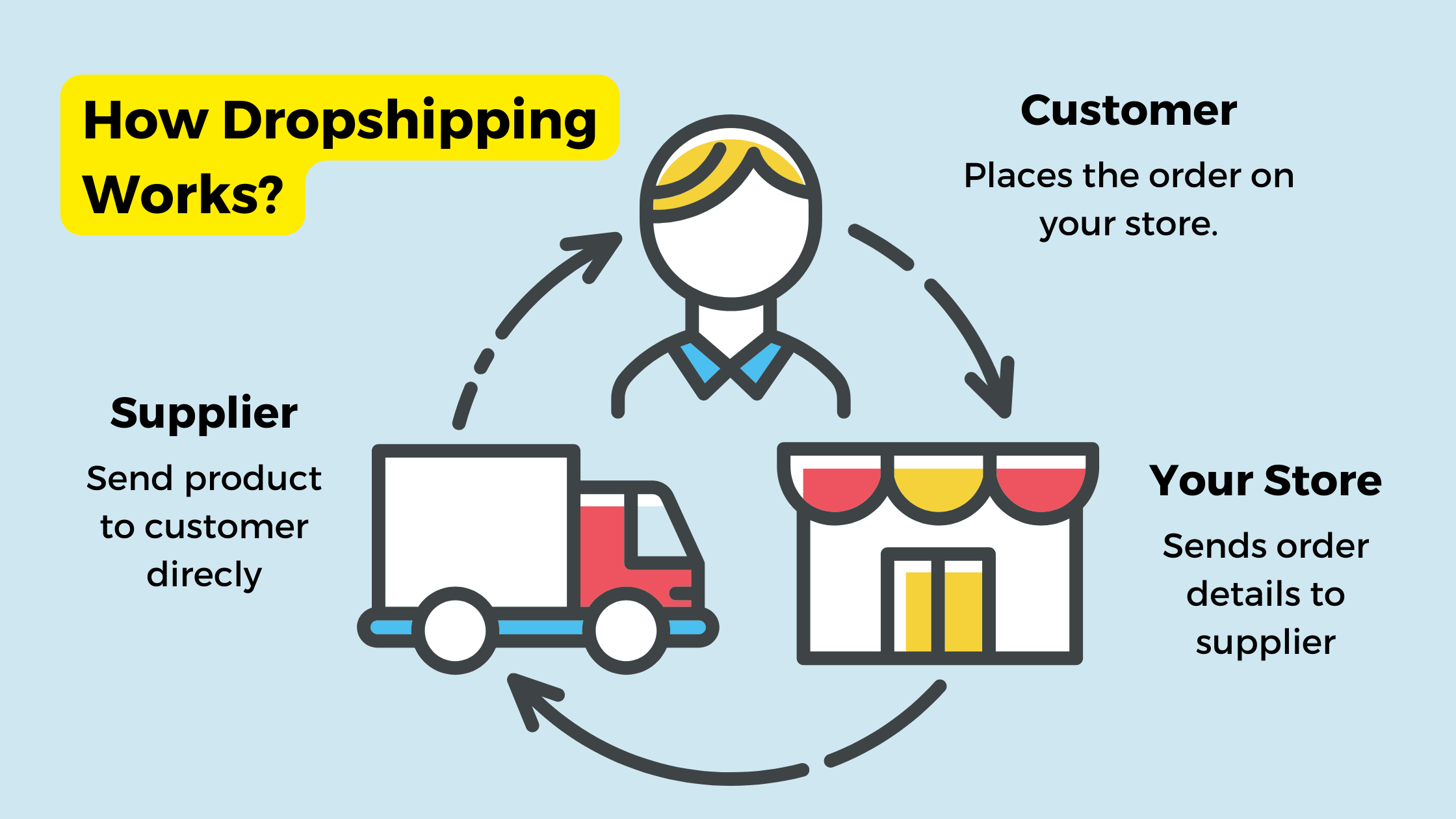
In dropshipping, product selection often gets the spotlight. Sellers obsess over trending items, ad creatives, and profit margins. But behind every successful product is a far less glamorous—and far more critical—factor: the supplier.
A weak supplier can destroy a winning product. Late shipments, inconsistent quality, poor communication, and unstable inventory can turn strong demand into refunds, chargebacks, and negative reviews. On the other hand, a reliable supplier can elevate an average product into a sustainable, scalable business.
In the world of dropshipping, you don’t control inventory, packaging, or fulfillment. What you do control is who you partner with. That makes supplier evaluation one of the most important skills any dropshipper can develop.
This article provides a deep, practical framework for judging supplier strength—before you invest time, money, and traffic into a product.
1. Why Supplier Strength Is the Real Barrier to Scaling
1.1 Dropshipping Is a Trust-Based Model
Unlike traditional e-commerce, dropshipping relies on:
-
Third-party inventory
-
Remote fulfillment
-
Limited direct oversight
Your supplier becomes an extension of your brand—whether you like it or not.
1.2 Common Supplier-Related Failures in Dropshipping
Many dropshipping stores fail not because of:
-
Bad ads
-
Poor websites
-
Lack of demand
But because of:
-
Shipping delays
-
Quality inconsistencies
-
Inventory shortages
-
Unresponsive suppliers
Evaluating supplier strength early prevents these problems later.
2. Understanding What “Supplier Strength” Really Means
Supplier strength is not just about price. It’s a combination of multiple capabilities working together.
Key dimensions include:
-
Manufacturing or sourcing capacity
-
Quality control systems
-
Inventory stability
-
Fulfillment speed
-
Communication efficiency
-
Business reliability
A cheap supplier without operational strength is a liability, not an asset.
3. Factory vs. Trading Company: Know Who You’re Dealing With
3.1 Factories
Advantages:
-
Better pricing at scale
-
More control over customization
-
Stable production capacity
Disadvantages:
-
Higher MOQs
-
Slower response for small sellers
-
Less dropshipping experience
Factories are ideal for long-term scaling but not always beginner-friendly.
3.2 Trading Companies
Advantages:
-
Lower MOQs
-
Faster communication
-
Familiar with dropshipping workflows
Disadvantages:
-
Higher unit costs
-
Less control over production
-
Reliant on third-party factories
Many successful dropshippers start with trading companies and transition to factories later.
4. Production Capacity: Can the Supplier Grow With You?
4.1 Why Capacity Matters More Than You Think
A product that sells 10 units a day may suddenly sell 500 after a viral ad. Weak suppliers often:
-
Run out of stock
-
Delay orders
-
Cut corners on quality
Strong suppliers can scale production without chaos.
4.2 Questions to Ask About Capacity
-
How many units can you produce per day/month?
-
How many production lines do you operate?
-
Do you serve other large clients?
-
What happens if order volume doubles?
Suppliers who answer clearly inspire confidence. Vague answers are red flags.

5. Inventory Management: Stability Beats Speed
5.1 Real-Time Inventory Is Critical
A strong supplier:
-
Tracks inventory accurately
-
Updates stock levels frequently
-
Warns you before shortages occur
A weak supplier oversells and apologizes later.
5.2 Signs of Inventory Reliability
-
Clear inventory numbers
-
Defined restocking cycles
-
Buffer stock availability
-
SKU-level tracking
Inventory instability is one of the fastest ways to kill customer trust.
6. Quality Control: The Silent Profit Killer
6.1 Why Quality Issues Cost More Than Refunds
Poor quality leads to:
-
Negative reviews
-
Payment processor risk
-
Ad account bans
-
Brand damage
Fixing quality issues after scaling is far more expensive than preventing them.
6.2 How Strong Suppliers Handle Quality
Strong suppliers have:
-
Incoming material inspection
-
In-process quality checks
-
Final product testing
-
Clear defect standards
Ask for photos, videos, or QC reports. Serious suppliers expect these questions.
7. Sample Testing: Your First Reality Check
7.1 Never Skip Sampling
Before listing a product, always:
-
Order samples
-
Test packaging
-
Check materials
-
Use the product yourself
If the supplier resists sending samples, walk away.
7.2 What to Evaluate in Samples
-
Build quality
-
Functionality
-
Packaging protection
-
Branding potential
-
Consistency across units
A supplier that sends excellent samples is far more likely to deliver consistent bulk orders.
8. Fulfillment Speed and Logistics Capability
8.1 Processing Time vs. Shipping Time
Many sellers focus only on shipping time and ignore:
-
Order processing delays
-
Handling time
-
Warehouse bottlenecks
A strong supplier processes orders within 24–48 hours.
8.2 Logistics Options Matter
Ask about:
-
Shipping carriers
-
Tracking reliability
-
Fulfillment regions
-
Overseas warehouses
Suppliers with multiple logistics options offer flexibility when scaling internationally.
9. Communication: The Most Underrated Strength Indicator
9.1 Response Speed Reflects Internal Systems
Fast, clear communication usually means:
-
Organized operations
-
Clear internal workflows
-
Dedicated account managers
Slow replies often indicate chaos behind the scenes.
9.2 Language and Problem-Solving Ability
A strong supplier:
-
Understands your questions
-
Anticipates potential issues
-
Offers solutions, not excuses
You’re building a business relationship, not placing a one-time order.

10. Experience With Dropshipping Models
10.1 Not All Suppliers Understand Dropshipping
Dropshipping requires:
-
No branding confusion
-
No invoices in the package
-
Neutral packaging (or custom branding)
-
Individual order fulfillment
Suppliers unfamiliar with this often make costly mistakes.
10.2 Signs of Dropshipping Readiness
-
Experience with Shopify/WooCommerce sellers
-
Ability to handle single-item orders
-
Familiarity with CSV/API order processing
Experience reduces friction and errors.
11. Pricing Transparency and Margin Stability
11.1 Beware of Unrealistically Low Prices
Extremely low prices often signal:
-
Poor quality
-
Hidden fees
-
Future price increases
Sustainable margins matter more than rock-bottom costs.
11.2 Strong Suppliers Offer Predictable Pricing
Look for:
-
Clear unit pricing
-
Stable shipping costs
-
Transparent upgrade fees
Pricing volatility makes forecasting impossible.
12. Business Legitimacy and Risk Assessment
12.1 Verify the Supplier’s Business Identity
Strong suppliers can provide:
-
Business licenses
-
Company registration details
-
Export certifications
Lack of documentation is a major risk factor.
12.2 Platform Reputation Isn’t Enough
Even on trusted platforms, always:
-
Cross-check company info
-
Review long-term activity
-
Look for external references
Your business depends on their legitimacy.
13. Red Flags That Signal Weak Suppliers
Watch out for:
-
Constant excuses
-
Pressure to rush decisions
-
Refusal to share information
-
Inconsistent answers
-
Poor sample quality
One red flag may be manageable. Multiple red flags are not.
14. Building Long-Term Supplier Partnerships
14.1 Strong Relationships Create Competitive Advantage
Reliable suppliers:
-
Prioritize your orders
-
Offer better pricing over time
-
Support custom development
Your supplier can become your moat.
14.2 How to Become a Valuable Client
-
Communicate clearly
-
Pay on time
-
Share growth plans
-
Respect their processes
Mutual respect leads to mutual growth.
15. Supplier Strength Checklist for Dropshippers
Before committing, ask yourself:
-
Can they scale production?
-
Is inventory stable?
-
Is quality consistent?
-
Is communication efficient?
-
Do they understand dropshipping?
-
Are logistics reliable?
-
Is pricing transparent?
If the answer isn’t “yes” across most categories, keep looking.
Conclusion: In Dropshipping, Suppliers Are the Real Product
In dropshipping, you’re not just selling a product—you’re selling a promise. That promise depends entirely on your supplier’s ability to deliver consistently, reliably, and professionally.
Trends change. Ads stop working. Platforms evolve. But a strong supplier relationship creates stability in an otherwise volatile business model.
Successful dropshippers don’t chase the cheapest suppliers. They build partnerships with strong ones.
Because in the long run, supplier strength is what determines whether your dropshipping business survives—or scales.