















< Blogs

How to Choose a Fulfillment Partner for Your E-Commerce Business

Vivan Z.
Created on October 31, 2025 – Last updated on October 31, 20253 min read
Written by: Vivan Z.

How to Choose a Fulfillment Partner for Your E-Commerce Business

Choosing the right fulfillment partner is crucial for your e-commerce success. A great partner streamlines operations, enhances customer satisfaction, and supports business growth. Here’s a quick guide to help you find the perfect match.

Why It’s Important
A fulfillment partner manages logistics like warehousing, shipping, and inventory management. Choosing the wrong partner can lead to delays and lost customers, while the right one drives efficiency, reduces costs, and enhances your customer experience.

1. Understand the Types of Logistics Service Providers

  • 1PL: Direct logistics management between manufacturer and customer, ideal for smaller businesses.
  • 2PL: Asset-based carriers (e.g., shipping companies) handling transportation.
  • 3PL: Outsources parts of the supply chain, offering warehousing, distribution, and services like inventory management.
  • 4PL: Manages the entire supply chain with strategic and IT support for comprehensive logistics.
  1. What to Look for in a Fulfillment Partner


  • Services and Capabilities
    Look for partners that offer value-added services like kitting, assembly, and custom branding (e.g., packaging and marketing inserts).


  • Communication
    Frequent and transparent communication is crucial. Ensure your partner provides regular updates on inventory and order statuses to keep things running smoothly.

 

  • Scalability and Flexibility
    Your fulfillment partner must adapt to demand fluctuations, especially during peak seasons, without sacrificing service quality.


  • Technology Integration
    Ensure your partner’s systems (WMS, OMS) integrate seamlessly with your platform, enabling smooth operations and real-time data sharing.


  • References
    Ask for case studies or references to evaluate the partner’s reliability and effectiveness.


  1. The Payoff: Unpacking the Benefits of the Perfect Fulfillment Match
  • Cost Efficiency
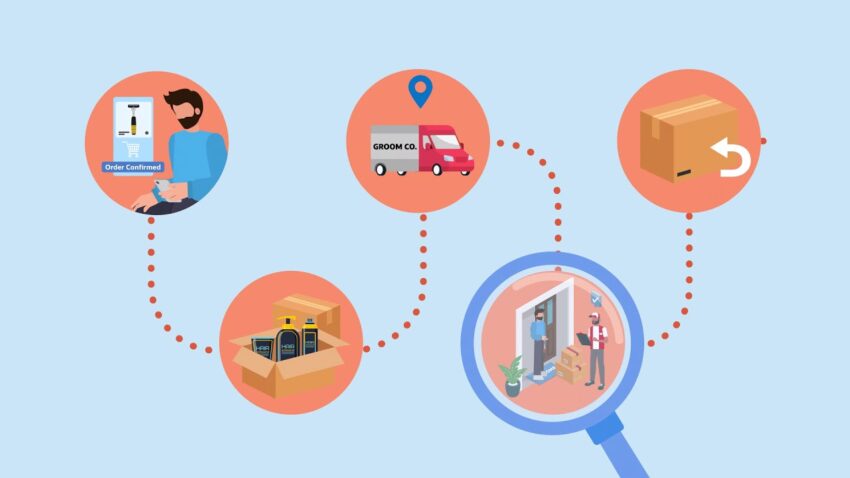
    An ideal partner optimizes shipping costs, reduces transit times, and helps you cut shipping expenses while improving delivery times. This gives you a competitive edge.


  • Improved Operational Flexibility
    A reliable fulfillment partner can scale your operations as needed, ensuring you meet customer demand without compromising on service.


  • Enhanced Customer Satisfaction
    Timely and consistent deliveries build trust with customers and encourage repeat business.


  1. Access to Advanced Technology

The right fulfillment partner uses advanced technology to streamline operations:


  • Inventory Management Tools: Real-time tracking and accurate inventory management help avoid stockouts and overstocking.


  • Data Analytics: Insights that optimize your supply chain and reduce costs.


  • Automated Operations: Automation speeds up order processing and reduces errors.


  • Recommended Shipping Channels: Your partner can help identify the best shipping options based on cost, speed, and reliability.


  1. Risk Mitigation

An experienced fulfillment partner minimizes risks, including managing regulatory compliance, ensuring your business avoids legal complications.

  1. Market Expansion Opportunities

A partner with global reach helps expand your business internationally. With international logistics capabilities, your fulfillment partner supports your market growth beyond local borders.

Conclusion
Selecting the right fulfillment partner is essential for your business growth. At DropSure, we offer seamless logistics, advanced technology, and global reach to help your e-commerce business thrive. Ready to scale? Partner with DropSure today.


 

DropSure is Your Best Partner
22 Years Experience
Affiliate Rebates
100% Quality Guarantee
Top-Up Rewards
10+ Global Warehouses
Custom Branding Support
Smart inventory System
24/7 Customer Support
Get a Quote in 24 Hours
Start Sourcing for Free

Keep Learning

With the rise of online shopping, Temu and Shein have become top choices for budget-conscious shoppers. These two platforms attract a large number of consumers with their low prices, offering a wide range of products from fashion to electronics. However, while their price advantage is undeniable, Temu and Shein differ in their business models, product quality, logistics, and customer experience. As 2025 approaches, are you still unsure which platform to choose? In this article, we will deeply compare the key differences between these two platforms, helping you find the best shopping option, whether it’s product variety, pricing, or customer service. What is Shein? Shein was founded in 2011 by Xu Yangtian in China as SheInside, initially specializing in wedding dresses. In 2015, the company rebranded as Shein and moved its headquarters to Guangzhou in China, with a U.S. office. Since then, Shein has expanded to over 150 countries, employing nearly 10,000 people. The company’s success lies in its fast response and low-price strategy. Shein uses a made-to-order model, releasing only popular styles to avoid excess inventory. It also attracts customers with discounts and coupons, driving continuous sales growth. Shein’s key to reaching young, fashion-conscious audiences is influencer marketing. The brand works with both celebrities like Katy Perry and Rita Ora, and smaller influencers, using their reach to expand Shein’s appeal. Many influencers share unboxing videos on TikTok and YouTube, showcasing Shein’s affordable and trendy clothing. In short, Shein’s combination of low prices, quick production, and influencer collaborations has driven its rapid success in the global market. What is Temu? Temu launched on September , 2022, as Pinduoduo’s cross-border platform, aiming to offer unprecedented low prices through collective purchasing. Its name, […]

Have you ever found yourself asking, “What is a supplier? What is a manufacturer?” These two terms are thrown around a lot in e-commerce, but they’re not the same. If you’re running a dropshipping business or any online store, it’s important to understand how these roles work and how they impact your business. Let’s break it down step by step. What Is a Supplier? A supplier acts as the middleman between manufacturers and businesses. They don’t make the products—they buy them from manufacturers and sell them to businesses like yours. Suppliers are essential because they provide ready-made products, saving you the hassle of dealing with raw materials or production. Why Are Suppliers Important? Suppliers make your life easier. They usually carry a wide range of products, so you don’t have to work with multiple manufacturers. For example, if you’re selling yoga equipment, a supplier could provide yoga mats, straps, and blocks all in one place. This makes the process faster and more efficient. Suppliers are especially useful for businesses that need small quantities or a variety of products. They also simplify inventory management since you can restock quickly without long production times. What Is a Manufacturer? Manufacturers are the creators of products. They take raw materials and turn them into finished goods. Think of them as the foundation of the supply chain. Without manufacturers, there would be no products for suppliers to distribute. Why Work with a Manufacturer? Manufacturers are ideal if you want custom products or plan to order in bulk. For instance, if you want yoga mats with your logo or a specific design, a manufacturer can make it happen. They allow you to control the quality, materials, […]

Since their launch in 2006, Wix and Shopify have captured the attention of countless entrepreneurs — after all, who doesn’t dream of owning their own “digital store” without having to dance to the tune of Amazon or eBay’s endless rules? Wix, with its drag-and-drop simplicity and flashy templates, quickly became a favorite among small teams who love DIY and want unique, personalized pages. On the other hand, Shopify carved out a name for itself with its out-of-the-box usability, complete e-commerce workflows, and a powerful plugin ecosystem — perfect for sellers aiming to scale their business like pros. But when it comes down to it, which should you choose: Wix, the “creative design guru,” or Shopify, the “e-commerce powerhouse”? Don’t worry — I’ve got you. Below, I’ll break it down across five key factors 1.Ease of Use (Beginner-friendliness) 2.Cost Pressure (Pricing & Trial Policies) 3.Design Flexibility (Templates & Customization) 4.Feature Power (Core E-commerce Tools) 5.Growth Potential (App Ecosystem & 3rd-Party Integrations) With this simple, no-nonsense comparison guide — including a one-glance table to help you decide — you’ll know exactly what suits your needs. Who wins in the end? Stick around — I’ll give you a straight answer, no fluff. Wix Overview  Wix is an Israeli tech company founded in 2006, best known for its “no coding needed, what you see is what you get” website builder. As a versatile site creation tool, Wix can be used for a wide range of purposes — from blogs and business websites to online course platforms, booking systems, and e-commerce stores. In recent years, Wix has been steadily strengthening its e-commerce capabilities, launching a dedicated Wix eCommerce module that offers a full suite of […]

Recommended for you