















 En
En
 10 min read
In the years before 2020, home upgrades followed a predictable logic. Consumers invested in bigger televisions, smarter appliances, faster internet, and furniture designed primarily for aesthetics or practicality. Comfort mattered, but efficiency and status often drove purchasing decisions.
Then the world changed.
The pandemic reshaped how people live, work, rest, and emotionally connect with their surroundings. Homes transformed from overnight shelters into offices, gyms, classrooms, entertainment centers, and personal retreats. Even after global restrictions eased, one behavioral shift remained permanent:
People stopped seeing their homes as places they return to — and started seeing them as places that support how they feel.
By 2026, a new category of products has surged in popularity: items designed not only to function well but to deliver emotional value.
These products reduce stress, create comfort rituals, improve mood, and provide psychological reassurance. They are not luxuries in the traditional sense. Instead, they address a deeper consumer priority — emotional well-being within everyday living spaces.
This article explores why emotional-value home products are thriving, what defines them, and how shifting consumer psychology is reshaping the future of home design and purchasing behavior.
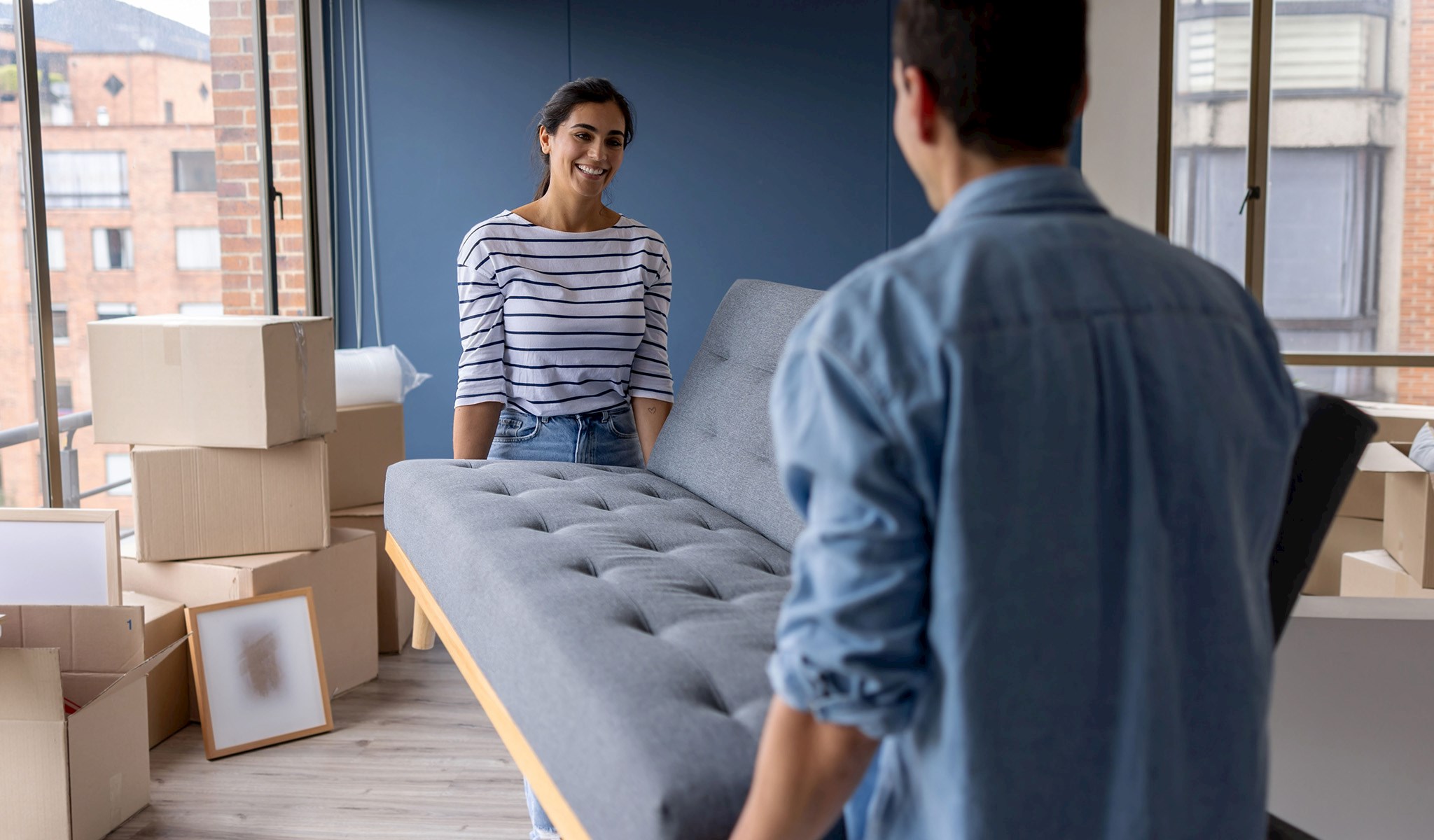
The Post-Pandemic Shift: From Functionality to Feeling
Before the pandemic, home improvement conversations centered around measurable upgrades:
- energy efficiency
- square footage
- resale value
- smart technology features
After extended periods spent indoors, homeowners began evaluating spaces differently.
New questions emerged:
- Does this space help me relax?
- Does my home reduce stress or add to it?
- Do my surroundings support mental clarity?
- Does my environment feel safe and comforting?
Functionality alone was no longer enough.
Consumers began prioritizing emotional outcomes alongside practical benefits.
What Are “Emotional Value” Products?
Emotional value products are items designed to influence psychological experience rather than simply perform a task.
They often deliver:
- comfort
- calmness
- sensory pleasure
- personal control
- nostalgia
- reassurance
- mood enhancement
Examples include:
- ambient lighting systems
- automated curtains that follow natural light cycles
- calming aroma diffusers
- ergonomic furniture supporting long workdays
- soft-texture home textiles
- quiet appliances
- wellness-focused home gadgets
Their success lies in how they make users feel consistently over time.
Why Emotional Comfort Became a Purchasing Priority
Several long-term societal shifts converged to elevate emotional value.
1. Home Became a Multi-Purpose Environment
Remote and hybrid work blurred boundaries between personal and professional life.
People now spend significantly more waking hours at home than before 2020. When environments affect productivity, rest, and mental health simultaneously, emotional comfort becomes essential.
2. Increased Awareness of Mental Well-Being
Conversations around stress, burnout, and emotional health entered mainstream culture.
Consumers began seeking daily tools that support psychological balance rather than occasional indulgences.
3. Experience Over Ownership
Modern consumers increasingly value experiences over possessions.
Emotional-value products transform everyday routines into experiences — morning sunlight simulations, relaxing evening lighting, or quiet automated routines.
The Psychology Behind Emotional Value Purchasing
Traditional purchasing decisions rely on rational evaluation:
- price
- durability
- features
Emotional-value purchases rely on experiential anticipation.
Consumers imagine outcomes such as:
- peaceful mornings
- cozy evenings
- reduced anxiety
- smoother daily routines
Neurologically, anticipation of comfort activates reward pathways similar to leisure experiences.
In other words, buying a calming home product feels closer to planning a vacation than buying a tool.
The Rise of Sensory Design in Homes
Homes are increasingly designed around sensory experiences.
Visual Comfort
Warm lighting, natural colors, and uncluttered layouts reduce cognitive overload.
Acoustic Comfort
Quiet devices and sound-dampening materials reduce stress triggers.
Tactile Comfort
Soft textures provide subconscious reassurance through touch.
Environmental Rhythm
Automation aligning with daylight cycles supports circadian health.
Products integrating multiple senses deliver stronger emotional impact.
Automation as Emotional Support
Automation once symbolized technological novelty.
Today, it represents relief from decision fatigue.
Daily micro-decisions accumulate stress:
- adjusting blinds
- turning lights on and off
- managing temperature
- remembering routines
Automated systems remove small mental burdens, creating a feeling of effortlessness.
This subtle psychological benefit drives adoption far more than technological curiosity.
The Role of Quiet Technology
Noise has emerged as a major factor influencing emotional comfort.
Modern consumers increasingly notice:
- humming appliances
- mechanical vibrations
- sudden operational sounds
Quiet technology contributes to perceived calmness even when users are not consciously aware of it.
Silent motors, soft-closing mechanisms, and low-noise devices enhance emotional satisfaction by preserving tranquility.
Lighting: The Emotional Engine of Modern Homes
Lighting has become one of the most powerful emotional tools in home upgrades.
Adjustable lighting systems influence:
- energy levels
- relaxation
- sleep readiness
- mood perception
Warm evening lighting signals relaxation, while brighter daytime tones promote alertness.
Lighting no longer serves only visibility — it shapes emotional rhythm.
Personalization and the Desire for Control
The pandemic introduced widespread uncertainty.
In response, consumers developed stronger preferences for controllable environments.
Customizable home products provide:
- adjustable settings
- personalized routines
- adaptive automation
Control over small aspects of daily life restores psychological stability.
Even simple customization features significantly increase perceived value.
The Comfort Economy
Economists increasingly describe a shift toward a “comfort economy,” where spending prioritizes emotional security.
Instead of aspirational luxury purchases, consumers favor investments that:
- improve daily living quality
- reduce stress repeatedly
- provide long-term emotional return
These purchases feel justified because benefits are experienced every day.
Why Aesthetic Minimalism Supports Emotional Value
Visual clutter increases cognitive load.
Minimalist design trends gained momentum because they create mental clarity.
Products that blend seamlessly into interiors reduce visual stress.
Invisible technology — devices that perform quietly without demanding attention — aligns perfectly with emotional-value expectations.
The Influence of Hybrid Work Culture
Working from home permanently changed interior priorities.
People now optimize spaces for:
- focus during work hours
- relaxation after work
- seamless transitions between roles
Emotional-value products help signal these transitions through lighting, automation, or environmental changes.
The home becomes dynamic rather than static.
Ritual Creation: The Hidden Driver of Product Adoption
Emotional-value products often succeed because they enable rituals.
Examples include:
- curtains opening automatically at sunrise
- evening lights dimming gradually
- calming scents activating at bedtime
Rituals create predictability, which reduces anxiety.
Products that support routines integrate deeply into daily life.
Social Media and Emotional Spaces
Online platforms accelerated awareness of emotionally comforting interiors.
Instead of showcasing luxury alone, popular home content emphasizes:
- cozy environments
- calming atmospheres
- personal sanctuaries
Consumers increasingly seek homes that feel emotionally photogenic — spaces that convey warmth and calm rather than extravagance.
Wellness Integration Without Medicalization
Consumers want wellness benefits without clinical aesthetics.
Emotional-value products succeed because they feel natural rather than therapeutic.
Soft lighting, quiet automation, and comfortable textures support well-being subtly, without appearing medical or technical.
Generational Influence on Buying Behavior
Younger homeowners and renters prioritize emotional experience more strongly than previous generations.
They tend to value:
- flexibility
- personalization
- mental wellness
- sensory comfort
Purchasing decisions reflect lifestyle alignment rather than long-term ownership alone.
Emotional Durability vs Physical Durability
Traditional product value emphasized lifespan.
Emotional-value products introduce a new concept: emotional durability.
A product remains valuable when it continues to deliver positive feelings over time.
Consumers increasingly replace items that function perfectly but no longer feel emotionally satisfying.
Technology Becoming Invisible
The most successful home upgrades in 2026 share one trait:
They disappear into daily life.
Users interact with outcomes rather than devices.
Instead of controlling technology constantly, people experience environments that adjust automatically.
Invisible technology enhances emotional comfort because it removes friction.
Sustainability and Emotional Alignment
Environmental awareness also contributes to emotional value.
Energy-efficient automation, natural materials, and long-lasting designs create psychological reassurance.
Consumers feel better using products aligned with personal values.
Sustainability becomes an emotional benefit as much as an ecological one.
Common Categories Leading the Emotional Upgrade Movement
Several product categories dominate emotional-value adoption:
- smart lighting systems
- automated window treatments
- acoustic comfort solutions
- ergonomic home furniture
- scent and atmosphere devices
- wellness-oriented home electronics
These categories improve everyday experiences rather than occasional moments.
How Brands Are Adapting
Manufacturers increasingly focus on storytelling centered around lifestyle benefits rather than specifications.
Messaging emphasizes:
- calm mornings
- restful evenings
- peaceful environments
- effortless routines
Technical features remain important but serve emotional outcomes.
The Economic Logic Behind Emotional Purchases
Emotion-driven products succeed because they provide continuous returns.
Unlike entertainment purchases consumed once, home upgrades deliver repeated emotional benefits.
Consumers perceive higher long-term value when comfort becomes part of daily routine.
Designing Homes Around Emotional Flow
Interior design increasingly considers emotional transitions throughout the day:
Morning: energizing light and openness
Afternoon: productivity and focus
Evening: warmth and relaxation
Night: calm and quiet
Products supporting these transitions align with natural human rhythms.
Challenges Consumers Still Face
Despite growing demand, buyers encounter challenges such as:
- compatibility confusion
- overwhelming product choices
- unclear emotional benefits before purchase
- installation complexity
Education and clear product design will define future market leaders.
The Future of Emotional Value in Home Living
Looking ahead, emotional-value products will likely evolve toward:
- adaptive environments learning user habits
- AI-assisted comfort optimization
- deeper integration between devices
- predictive automation responding to mood patterns
Homes may increasingly function as responsive ecosystems rather than static spaces.
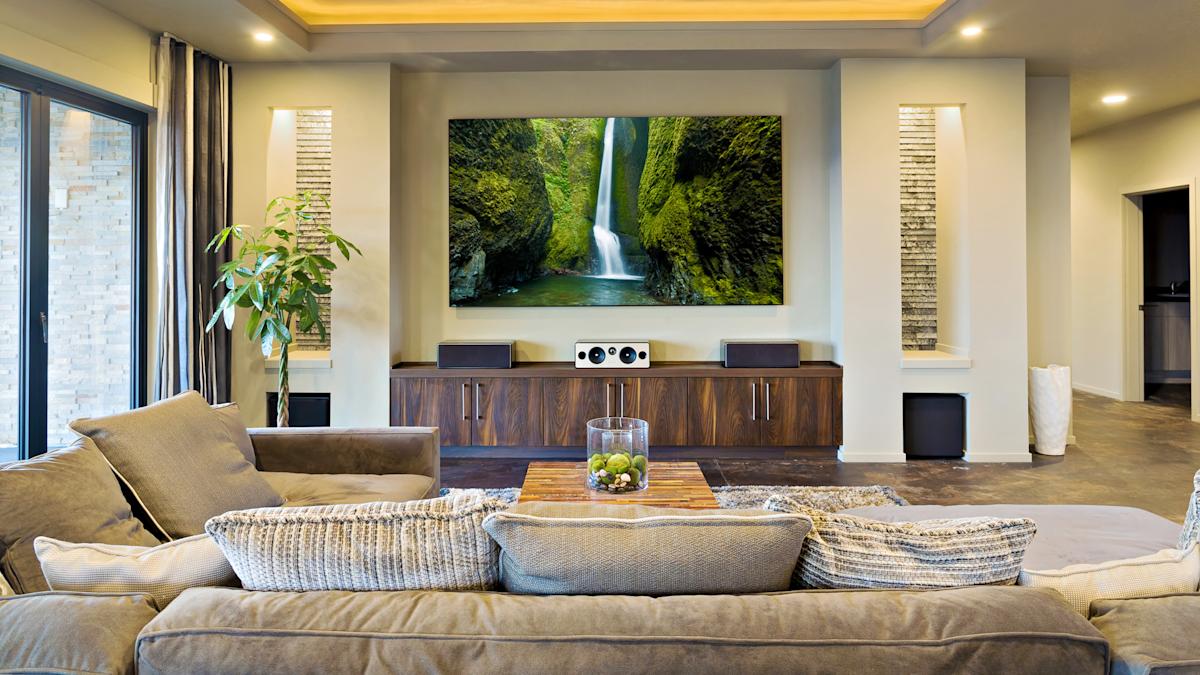
Final Thoughts: Why Emotional Value Defines Home Upgrades in 2026
The post-pandemic era permanently changed how people evaluate their living spaces.
Homes are no longer judged solely by appearance, technology, or efficiency.
They are judged by how they make people feel.
Emotional-value products succeed because they address modern realities:
- more time spent at home
- increased awareness of mental well-being
- desire for comfort and control
- need for calm within busy lives
In 2026, the most desirable home upgrades are not necessarily the most advanced or expensive.
They are the ones that quietly improve everyday emotional experience — reducing stress, enhancing comfort, and creating environments that support human well-being naturally.
The future of home living is not just smarter.
It is softer, calmer, and more emotionally intelligent.
And that is why emotional-value products are becoming the defining category of modern homes.