< Blogs

Customer Success Story: How One Seller Scaled from 0 to 500 Orders a Week with Dropsure

Vivan Z.
Created on November 7, 2025 – Last updated on November 7, 20253 min read
Written by: Vivan Z.

Customer Success Story: How One Seller Scaled from 0 to 500 Orders a Week with Dropsure

“I felt like I was constantly apologizing to customers,”
Emma recalls. “Not because our products were bad, but because fulfillment kept failing us.”

Background

Emma is a Shopify seller from the UK who started her online business selling home and lifestyle products in early 2024. Like many new dropshippers, she was excited about the potential — but quickly discovered how tough it could be to maintain stable fulfillment, manage inventory, and keep customers happy.


“I had great products and a clean website, but my logistics were a mess. Delays, missing packages, and no tracking visibility — I was losing customers fast.”

Challenges

Before joining DropSure, Emma faced three main problems:


  1. Unstable fulfillment— Her previous suppliers often ran out of stock or shipped late.
  2. Manual operations — She had to manage orders and inventory across multiple spreadsheets.
  3. Customer complaints — Tracking information was inconsistent, leading to refund requests and poor reviews.


These issues limited her ability to grow — even her best-selling products couldn’t scale without reliable fulfillment support.
DropSure’s Solution

After connecting her Shopify store to DropSure, Emma immediately noticed a smoother workflow:


Automated Order Sync
Every order from her store synced directly to DropSure, eliminating manual errors and saving hours of daily work.


Smart Inventory & Fulfillment System
Real-time stock updates and automatic routing to the nearest warehouse improved fulfillment speed by 40%.


Transparent Tracking & Communication
Customers could now receive accurate tracking updates, reducing “Where’s my order?” messages by 70%.


“DropSure basically became my backend team. I could focus on marketing and content while they handled the operations seamlessly.”

The Results

Within three months of using DropSure:


Emma’s average weekly orders increased from 50 to 500+.


Her customer satisfaction rate rose to 98%.


Shipping costs decreased by 22% due to optimized routing.


She expanded to three new markets (France, Germany, and the US) without hiring extra staff.


What’s Next

With the help of DropSure’s date-driven product recommendations, Emma now plans to expand her catalog into seasonal best-sellers and explore influencer collaborations — fully backed by DropSure’s logistics and marketing support.

“DropSure isn’t just a fulfillment platform — it’s a growth partner. I couldn’t have scaled this fast without them.”

Key Takeaway

Efficient fulfillment isn’t just about shipping — it’s about scalability, automation, and customer trust.
Whether you’re just starting out or ready to scale globally, DropSure helps you run your business smarter, faster, and with confidence.

Start your success story today — connect your store with DropSure.
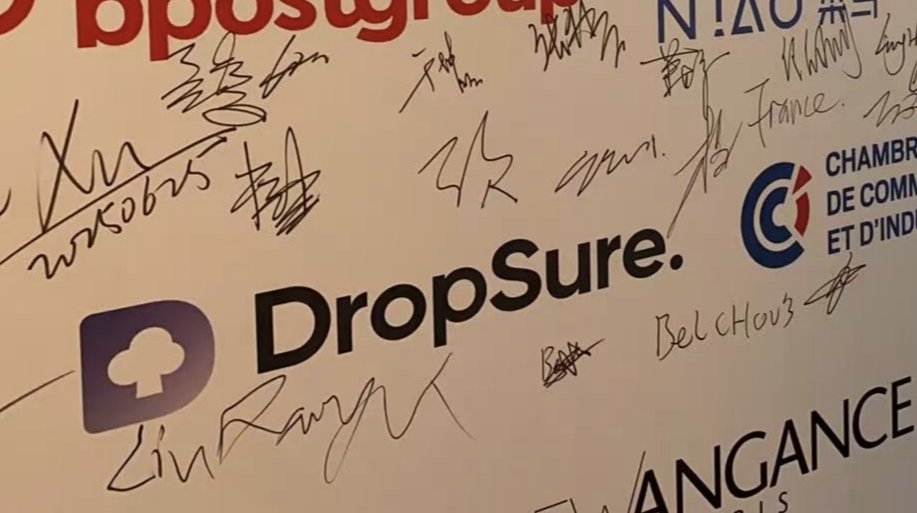
exhibition

DropSure is Your Best Partner
22 Years Experience
Affiliate Rebates
100% Quality Guarantee
Top-Up Rewards
10+ Global Warehouses
Custom Branding Support
Smart inventory System
24/7 Customer Support
Get a Quote in 24 Hours
Start Sourcing for Free

Keep Learning

Ghost Commerce is a way to run an online business without keeping inventory or managing shipping. Instead of handling products yourself, you rely on third-party suppliers to send the products directly to your customers. In this article, we’ll explore what Ghost Commerce is, the pros and cons of Ghost Commerce, and the key steps you need to follow to successfully set up and run a Ghost Commerce business. Whether you’re considering affiliate marketing, dropshipping, or print-on-demand, Ghost Commerce offers a flexible way to enter the e-commerce space with a low barrier to entry. What Is Ghost Commerce?  At its core, Ghost Commerce is an online retail model where businesses promote and sell products without having any physical inventory or a traditional brick-and-mortar presence. In essence, it’s about creating an online business that operates from the shadows. Much like a ghostwriter writes books that are credited to another author, a Ghost Commerce business promotes products that aren’t physically owned by the seller. Instead of handling stock, shipping, or warehousing, businesses rely on third-party suppliers, often through platforms like Amazon, Shopify, or other e-commerce sites. The focus is on creating a solid online presence and directing consumers to purchase from these suppliers. This model allows entrepreneurs to enter the e-commerce space without the significant upfront costs typically associated with running an online store. Rather than spending money on inventory, warehousing, and logistics, Ghost Commerce businesses rely heavily on marketing strategies, such as content marketing, social media, and influencer collaborations, to drive traffic and generate sales. Types of Ghost Commerce While Ghost Commerce is an overarching concept, there are different types of models under this umbrella. Some of the most common forms include: […]

When you start a dropshipping business, you might wonder if you need a mentor to help you succeed. There are many resources available, from personal mentors to mentor apps, and the choices can feel overwhelming. This article will explore what a dropshipping mentor is, whether you really need one, and if apps can offer similar support to help grow your business. What is a dropshipping mentor? A dropshipping mentor is an experienced person in the dropshipping industry who has run a successful dropshipping business. They provide guidance, share their experiences, and help you avoid common pitfalls in the entrepreneurial journey. Many dropshipping mentors are not just successful entrepreneurs; they also teach, write books, or offer courses to help others succeed. The role of a dropshipping mentor usually includes: ● Helping you choose the right products ● Offering advice on selecting suppliers ● Managing customer service ● Providing marketing and business growth strategies ● Identifying market trends and potential risks While many dropshipping resources are personal stories from successful entrepreneurs, a true mentor offers personalized advice and guidance based on your goals and challenges. Do I really need a dropshipping mentor? The short answer is: Yes, a dropshipping mentor can be very valuable, but it’s not the only path to success. Starting a dropshipping business without a mentor can be challenging. You might struggle with choosing the right products, understanding market demand, or managing your store. An experienced mentor can offer useful advice, give feedback on your business strategies, and help you avoid unnecessary losses. However, mentors are not the only way to succeed. While they provide valuable insights, your success ultimately depends on your own efforts. It’s also important to […]

That’s how long it took me to go from a complete beginner—no ecommerce background, no prior sales—to launching my first winning product and seeing consistent daily orders. I didn’t have insider connections.I didn’t have a huge budget.And I definitely didn’t rely on luck. What I did have was a clear process, the right product research tools, and the discipline to trust data over emotion. In this article, I’ll walk you through exactly how I did it, step by step. No hype. No “overnight success” nonsense. Just a realistic breakdown of how beginners can use modern selection tools to dramatically shorten the learning curve—and avoid the costly mistakes I nearly made along the way. 1. Where I Started: Zero Experience, Maximum Confusion When I first entered ecommerce, I was overwhelmed. Everywhere I looked, people were saying: “Just follow your passion” “Pick what you like” “Copy what’s trending on TikTok” None of that helped. I spent my first few days doing what most beginners do: scrolling endlessly through product catalogs, convinced that a “winning product” would somehow jump out at me. It didn’t. What I saw instead were: Overcrowded markets Identical products everywhere No clear way to tell what actually sells That’s when I realized something important: The biggest enemy of beginners isn’t competition—it’s randomness. 2. The Turning Point: Stop Guessing, Start Measuring Around day five, I made a decision that changed everything: I stopped trying to feel my way to a product and started measuring demand instead. That meant learning how to use product research tools—not as magic buttons, but as decision filters. My new rule became simple: If I can’t prove demand with data, I don’t touch the product. This […]

Recommended for you