< Blogs

TikTok’s Future Hangs in the Balance: Will the Short-Video Giant Disappear in the U.S.?

Vivan Z.
Created on January 13, 2025 – Last updated on February 19, 202510 min read
Written by: Vivan Z.

TikTok's future

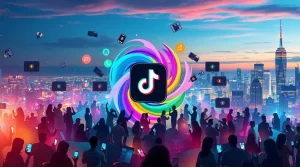
TikTok has become a huge part of daily life in the US, with 170 million users there engaging with the app every day. It’s not just a short-video platform either – it’s also a way for Americans to entertain themselves, share ideas and even start businesses.

But its future in the US is looking uncertain. If ByteDance, the company that owns it, doesn’t sell the platform by 19 January, it might be banned across the country. The Supreme Court is currently in the middle of a big debate about this, and if it goes against TikTok, millions of people who use it might be really affected. Could this be the start of the end for the short-video giant in the U.S.?

The controversial focus of the TikTok ban

The US government is worried about TikTok’s parent company, ByteDance, because of its links to the Chinese government, which they say could be a threat to national security.They’ve given TikTok until 19 January to complete the sale or face a ban in the US.TikTok says its data is stored in the US and Singapore and they haven’t done anything wrong.The debate has also touched on freedom of speech, with TikTok’s lawyers saying that banning the app would stop 170 million U.S. users from speaking out, while supporters argue that restricting some of those rights is necessary to protect the national interest.

Potential impact on creators and businesses 

If the ban goes ahead, it’ll be a big deal for politics and the economy, hitting millions of creators and businesses.Lots of content creators rely on TikTok to make money, while SMEs and cross-border e-commerce companies will lose a great marketing platform.They’ll have to find new ways to promote themselves, like Instagram Reels or YouTube Shorts, to keep their businesses growing. We’ll know the final outcome of this decision in the coming weeks, and individuals and businesses need to plan their response strategies in advance to proactively adapt to the upcoming changes.

TikTok has totally transformed marketing. Its algorithms are spot on, and the way it distributes content is pretty impressive. It can delve deep into user interests and hand-pick content that’s just right for the right audience, making it a great way for businesses to get loads of traffic really quickly. It’s a total game-changer, especially for small and medium-sized businesses, and those doing cross-border e-commerce. It’s not just cheap, it also gets you the right customers super-fast.

TikTok ban

But a lot of businesses might be surprised by the TikTok ban. If this key marketing platform is no longer available, businesses will have to look for alternatives, like Instagram Reels or YouTube Shorts. These platforms also offer short-form video services, but their advertising ecosystems and user behavioural habits are different to TikTok’s, so businesses will need to put more effort into adapting their content strategies. Also, these platforms cost more to advertise on, and there’s a lot of competition, so SMEs might struggle to get the same return on investment as they would on TikTok.

The road ahead: what creators and businesses can do about it

Despite the growing uncertainty about TikTok’s future, there is nothing more important for creators and businesses than remaining flexible and planning ahead. Whether it’s individual creators relying on the platform for financial income or small and medium-sized businesses using short videos for precision marketing, there are several areas that need to be prepared in the face of rapidly changing policy and market conditions:

Decentralize platform dependence

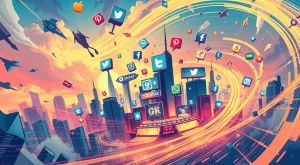
Many creators and enterprises may have previously invested most of their efforts in TikTok, but with the ban fiasco advancing, it has become a necessary choice to gradually try other short video platforms (e.g. Instagram Reels, YouTube Shorts) or graphic platforms (e.g. Instagram, Pinterest). This diversified layout can not only diversify the policy risk, but also help to develop new user groups, to prevent a single platform to “throw away”.
TikTok ban 4

Enhance the competitiveness of content   

No matter the platform, good content is always the key to getting people to watch and keeping them hooked. Creators need to combine their own style with what the audience wants and always be coming up with new ideas. At the same time, companies can use short videos to deliver information in a more exciting way and make people more likely to buy their products by showing off their brand culture and product values. 

Strengthening Data Protection and Compliance 

The core issue behind the TikTok ban revolves around data security and privacy. For all stakeholders, understanding and adhering to privacy regulations like GDPR and CCPA is no longer optional—it’s essential. Proactively investing in data security and maintaining compliance not only minimizes legal risks but also builds greater trust with users.

Building Private Traffic and Communities

With growing uncertainty around policy changes, relying solely on public platforms for traffic is becoming increasingly unstable. By creating independent websites, utilizing email marketing, and fostering private communities, creators and businesses can establish a more secure and loyal user base. Even if external platforms face disruptions, these private channels ensure continued engagement with fans and customers.


A Global Perspective: TikTok’s Performance in International Markets


TikTok’s future in the U.S. is up in the air, but it’s doing really well in other parts of the world. Europe has over 150 million active users, especially among Gen Z and Millennials, who love using it every day. Europe has been a bit more cautious about the platform, though. For example, in March 2023, the European Commission decided to ban TikTok on official devices because of concerns about data privacy. And under the General Data Protection Regulation (GDPR), TikTok has to follow stricter rules to make sure your data is safe.

However, in Asia, especially in Southeast Asia, TikTok is still really popular, with over 240 million monthly active users. Even though it was banned in India in 2020 because of some political issues, it’s doing really well in other countries like Indonesia, the Philippines, and Thailand.TikTok has changed a lot since it first started and is now a really important tool for marketing and e-commerce.


TikTok ban 3


How Will U.S. Actions Impact the Global Short-Video Market?


TikTok’s future in the U.S. may be unresolved, but it’s doing great elsewhere. In Europe, the 150 million active users of the platform — mostly Gen Z and Millennials — are addicted to it. But Europe has had its worries, too. To ensure the security of people’s data, the European Commission announced in March 2023 the decision to ban TikTok from official devices. Then to confuse even further, the GDPR joined the party and made it tougher, which is never easy. But the story is changing in Asia, and particularly in Southeast Asia.

In the world of short video, TikTok is king. It has more than 240 million monthly active users. Which, despite being banned in India in 2020 due to some geopolitical tensions, proves extremely popular in Indonesia, the Philippines, and Thailand. It is no longer a fun app, but an emerging force in marketing and e-commerce. It’s so mainstream around the world, and it’s fascinating how it’s just really taken off and it’s affected so many people. But an American ban could have some intriguing reverberations across the world of short videos. And as platforms battle for attention and privacy regulations tighten, it will be interesting to see how TikTok and its competitors navigate these new challenges and opportunities in an increasingly regulated landscape.

TikTok’s Marketing Power: Will It Weather the Storm?

TikTok’s got a unique algorithm and a viral vibe that makes it a hit with brands and creators. For instance, a fancy skincare brand did a giveaway on TikTok in France and saw sales go up by 30%. But when they tried the same thing on Instagram Reels, they got way less engagement. That’s because the Insta algorithm is all about getting your content seen by more people you follow, not just spreading it around. So, as you can see, TikTok’s got this amazing knack for getting content to the right people, which makes it a great tool for reaching target users in global markets quickly.

TikTok ban 2

I totally get how confusing all of this TikTok stuff can be – it’s a bit like a maze! While it’s doing great in Europe and Southeast Asia, there’s a chance that a ban in the U.S. might throw a wobbly for everyone. Creators, businesses, and competitors might need to get their ducks in a row and rethink their strategies, you know how it is! If you’re a content creator building your personal brand or a business using TikTok’s amazing marketing power, now’s the time to stay flexible, explore alternatives, and prepare for changes.

So, what’s next for TikTok? Will it get past these problems and carry on ruling the roost, or will its rivals take the chance to get ahead? One thing’s for sure, though: this short-video giant has totally changed the way we connect, entertain, and grow online.Keep your eyes peeled, because the future of TikTok—and maybe even the future of social media itself—is right around the corner.

Buttom

DropSure is Your Best Partner
22 Years Experience
Affiliate Rebates
100% Quality Guarantee
Top-Up Rewards
10+ Global Warehouses
Custom Branding Support
Smart inventory System
24/7 Customer Support
Get a Quote in 24 Hours
Start Sourcing for Free

Keep Learning

Do you know about dropshipping? It’s a highly popular business model, particularly in the e-commerce sector. According to Statista, European e-commerce sales are projected to reach €500 billion in 2023, with dropshipping—a no-inventory model—gaining traction among merchants. Especially after the pandemic, many small businesses and entrepreneurs have turned to online sales, and dropshipping offers a low-cost, low-risk entry point. But what exactly is the dropshipping business model? Is it complex to operate? Does it require significant startup capital? Are specialized technical skills necessary? As a newcomer, is the entry barrier high? Let’s explore these questions. What is Dropshipping Model? The dropshipping model is an e-commerce business model. The dropshipping process typically includes the following steps: First, the dropshipper displays products in their online store and receives customer orders. When a customer places an order, the dropshipper forwards the order information to the supplier or manufacturer. Next, the supplier ships the product directly to the customer, while the dropshipper is responsible for maintaining communication with the customer and handling after-sales service. Throughout this process, the dropshipper does not need to purchase or store inventory in advance, which reduces operating costs and risks. In this model, the dropshipper does not need to buy and hold inventory upfront. When a customer places an order on the dropshipper’s online store for a product, the dropshipper sends the order and the customer’s shipping information to the supplier. The supplier then ships the product directly to the customer. Benefits of Dropshipping Dropshipping has quickly surged in popularity and created a global buzz, largely due to its unique business model and distinct advantages over traditional e-commerce.Dropshipping has rapidly risen to prominence and sparked a global trend primarily […]

Curious about the cost of starting a dropshipping business in 2024? You might be surprised! Whether you’re keeping things budget-friendly or looking to scale quickly, this guide breaks down the key expenses you’ll need to plan for. From hidden supplier charges to the best marketing tactics, you’ll find out how to boost your profits while keeping costs down. Want to know how much (or how little) you might spend getting started? Dive in to learn more Start-up Basic Expense As you embark on your eCommerce journey, some expenses are unavoidable, whether you’re launching a dropshipping store or any other type of online business. Let’s explore some of the most common startup costs. Business registration and licence filling fees eCommerce platform and marketplace fees Domain and hosting costs Marketing costs Product sourcing costs ● Business registration and license filing fees “You might wonder: I just want to start a dropshipping side hustle—do I really need to register a business? While it’s not always mandatory, registering your business offers several benefits and protections. When creating a dropshipping business, business registration and license filing fees are an essential start-up expense. Depending on your location and business structure, these fees can vary. Typically, registering a business name and obtaining necessary licenses can range from $50 to $500. For online businesses, you might also need to apply for specific permits or licenses related to e-commerce, depending on local regulations. It’s important to research the requirements in your area to ensure compliance and avoid legal issues down the road. Tips: Choose the business license that matches your needs—like a Seller’s Permit for selling products or a DBA for using a different business name. Check local regulations or […]

In the years before 2020, home upgrades followed a predictable logic. Consumers invested in bigger televisions, smarter appliances, faster internet, and furniture designed primarily for aesthetics or practicality. Comfort mattered, but efficiency and status often drove purchasing decisions. Then the world changed. The pandemic reshaped how people live, work, rest, and emotionally connect with their surroundings. Homes transformed from overnight shelters into offices, gyms, classrooms, entertainment centers, and personal retreats. Even after global restrictions eased, one behavioral shift remained permanent: People stopped seeing their homes as places they return to — and started seeing them as places that support how they feel. By 2026, a new category of products has surged in popularity: items designed not only to function well but to deliver emotional value. These products reduce stress, create comfort rituals, improve mood, and provide psychological reassurance. They are not luxuries in the traditional sense. Instead, they address a deeper consumer priority — emotional well-being within everyday living spaces. This article explores why emotional-value home products are thriving, what defines them, and how shifting consumer psychology is reshaping the future of home design and purchasing behavior. The Post-Pandemic Shift: From Functionality to Feeling Before the pandemic, home improvement conversations centered around measurable upgrades: energy efficiency square footage resale value smart technology features After extended periods spent indoors, homeowners began evaluating spaces differently. New questions emerged: Does this space help me relax? Does my home reduce stress or add to it? Do my surroundings support mental clarity? Does my environment feel safe and comforting? Functionality alone was no longer enough. Consumers began prioritizing emotional outcomes alongside practical benefits. What Are “Emotional Value” Products? Emotional value products are items designed to […]

Recommended for you