














 En
En
 31 min read
Launching an independent ecommerce website can feel like a race where established brands always seem to have a head start.
Large companies can spend thousands of dollars on paid advertising every day. They can hire professional photographers, social media managers, video editors, public relations teams, and influencer agencies. They can sponsor major events, produce polished commercial campaigns, and constantly place their products in front of potential customers.
For a new independent website, that level of spending may be impossible.
But having a small marketing budget does not mean you have to remain invisible.
In fact, independent brands have several advantages that large companies often struggle to replicate. They can respond quickly, communicate directly with customers, experiment with new content, develop authentic brand personalities, and build communities around very specific interests.
Social media makes these advantages even more valuable.
The key is not to spend money everywhere. It is to spend limited resources where they can generate the strongest combination of attention, trust, engagement, website traffic, and sales.
A startup ecommerce business does not need millions of views to succeed. It needs the right people to discover the brand, understand the product, trust the business, and have a clear reason to purchase.
This guide explains how a new independent ecommerce website can use low-cost social media strategies to build awareness, attract potential customers, generate content, establish credibility, and turn social traffic into sustainable sales.
Why Social Media Is Especially Valuable for New Ecommerce Brands
Traditional advertising often requires significant upfront investment.
You pay for an advertisement, place it in front of an audience, and hope enough people respond to generate a positive return.
Social media can work differently.
A single useful, entertaining, educational, or relatable post can reach people without requiring a large advertising budget. A short product demonstration can be shared repeatedly. A customer review can become reusable content. A small creator can introduce a product to a highly relevant audience.
This gives startups more opportunities to compete through creativity rather than budget alone.
Social media can help a new ecommerce website:
- Build brand awareness
- Generate website traffic
- Introduce products
- Collect customer feedback
- Demonstrate product benefits
- Build trust
- Encourage user-generated content
- Develop a loyal community
- Test product positioning
- Discover new customer segments
- Generate sales
The most important principle is simple:
Do not try to be everywhere. Become valuable somewhere.
A small team is unlikely to manage every platform effectively. Choosing one or two channels that match the target audience is often more productive than creating accounts on every major platform and posting inconsistently.
Start With a Clear Customer Profile
Before creating social media content, define exactly who you want to attract.
This sounds obvious, but many new ecommerce brands make the mistake of describing their audience too broadly.
For example, “women aged 18 to 45 who like fashion” is not a particularly useful target customer profile.
A stronger profile might be:
“A 27-year-old professional who prefers practical minimalist clothing, shops primarily online, follows outfit creators on Instagram and TikTok, and values versatile pieces that can be worn to work and on weekends.”
The second description provides much more information about content strategy.
You can begin answering questions such as:
- What platforms does this person use?
- What problems do they have?
- What products are they already buying?
- What influencers do they follow?
- What content do they save?
- What questions do they ask?
- What objections prevent them from buying?
- What motivates them to share content?
The more precisely you understand the customer, the easier it becomes to create relevant content.
Choose One Primary Social Platform
A common mistake among startups is trying to grow on five platforms simultaneously.
That sounds ambitious, but it often creates mediocre content everywhere.
A better strategy is to identify one primary platform and potentially one secondary platform.
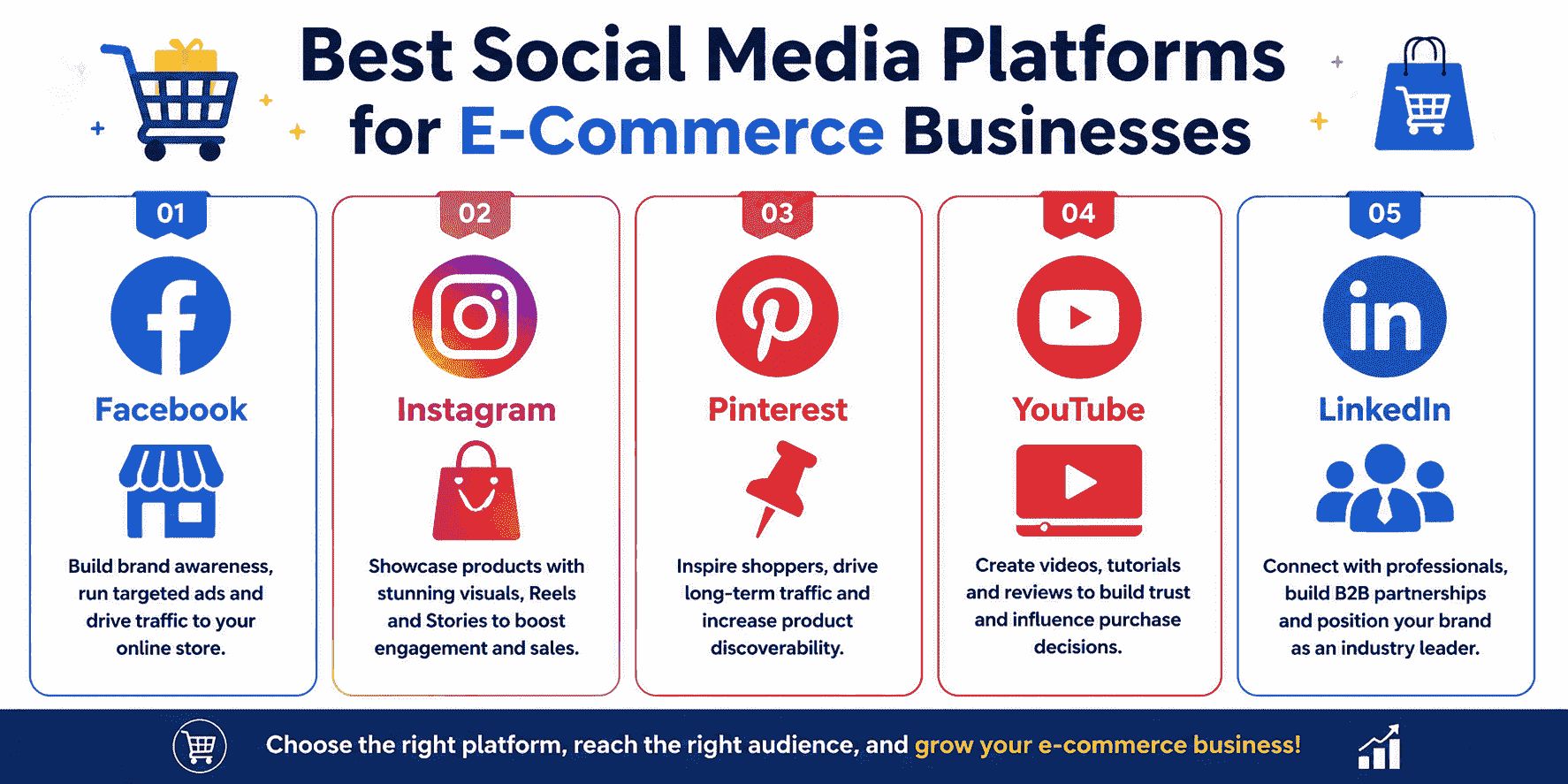
For visually driven products, platforms built around short-form video, photos, and discovery may be highly useful.
For professional products, business services, and B2B brands, professional networking platforms may be more appropriate.
For products that benefit from tutorials, demonstrations, comparisons, or educational content, video-focused channels can offer strong opportunities.
The right question is not:
“Which platform is most popular?”
Ask instead:
“Where are my potential customers already spending time?”
Then build your content strategy around that audience.
Build a Brand Personality Without Spending Much Money
A startup does not need a huge branding budget to appear professional.
Consistency can be more important than expensive design.
Develop a simple visual and communication system.
Choose:
- A consistent logo treatment
- Two or three core colors
- A recognizable visual style
- A consistent writing voice
- Repeated content formats
- Consistent product presentation
Your audience should gradually recognize your content before they even read the username.
A small ecommerce company might use a clean, natural visual style. Another might emphasize bold humor. Another might focus on technical expertise.
There is no universal formula.
The important thing is consistency.
Authenticity can also become part of your brand identity.
Show the people behind the business.
Show product development.
Show packaging.
Show mistakes.
Show testing.
Show customer questions.
Show the process of building the company.
These behind-the-scenes moments can make a new business feel much more real than a stream of polished advertisements.
Use Content Pillars to Avoid Running Out of Ideas
Many startups post only product photos.
After several weeks, the content becomes repetitive.
A better approach is to create several content pillars.
For example, an independent skincare brand could use:
Product Education
Explain how products work and how customers should use them.
Problem-Solving Content
Address common customer concerns.
Social Proof
Show customer reviews, testimonials, and user-generated content.
Behind the Scenes
Show packaging, product development, sourcing, or the people running the business.
Lifestyle Content
Show how the product fits naturally into a customer’s daily routine.
Community Content
Ask questions, run polls, and feature followers.
Entertainment
Use humor, trends, storytelling, or relatable situations.
A good content mix prevents the account from feeling like a nonstop sales catalog.
Follow the 80/20 Content Principle
One useful way to approach social media is to avoid making every post a direct sales pitch.
Most content should provide some type of value.
That value might be:
- Information
- Inspiration
- Entertainment
- Education
- Problem-solving
- Community
- Practical advice
Then promotional content can naturally fit into the overall content mix.
For example, a clothing brand might publish:
“5 Ways to Style a Linen Shirt”
rather than:
“Buy Our Linen Shirt Today.”
The first post creates useful information while naturally introducing the product.
A potential customer may discover the post while searching for styling ideas and become interested in the brand.
This is especially powerful for startups because helpful content can continue generating attention long after it is published.
Short-Form Video Is a Powerful Low-Cost Tool
Professional video production can be expensive.
Fortunately, modern social media content does not always need expensive cameras, elaborate sets, or professional actors.
A smartphone can be enough to create effective short-form videos.
The most important factors are often:
- A strong opening
- Clear lighting
- Good framing
- Understandable audio
- Fast pacing
- Useful information
- An obvious story or benefit
A simple product video could begin with:
“Here is the mistake almost everyone makes when choosing this type of product.”
Then demonstrate the problem and provide the solution.
Another format could be:
“We tested three ways to use this product. Here is what actually worked.”
Simple content can perform surprisingly well because it feels native to the platform.
Create a Strong Hook Within the First Few Seconds
People scroll quickly.
That means the beginning of your content matters enormously.
Instead of starting with a long introduction, immediately give viewers a reason to continue watching.
Examples include:
“Stop doing this when…”
“Three mistakes beginners make…”
“We tested this so you don’t have to…”
“Here is why your current setup isn’t working…”
“The difference between these two products is…”
“I wish we knew this before launching our store…”
The opening should create curiosity or immediately communicate value.
Once someone stays, the rest of the content has a chance to work.
Turn One Idea Into Multiple Pieces of Content
A small team cannot constantly invent completely new ideas.
The solution is content repurposing.
Suppose you create a five-minute video explaining how to use your product.
That one video could become:
- Several short videos
- A photo carousel
- A product FAQ
- A blog article
- A customer email
- A product-page section
- Several social captions
- A checklist
- A tutorial graphic
One strong idea can therefore become multiple marketing assets.
This reduces content production costs and saves time.
The goal is not to repeat identical content everywhere.
Instead, adapt the same core idea to each platform.
Use Customer Questions as Free Content Ideas
Your customers are constantly telling you what content to create.
Pay attention to questions such as:
“Does this fit…?”
“How long does it last?”
“Can I use it outdoors?”
“How do I clean it?”
“What is the difference between these models?”
“Is this suitable for beginners?”
“What size should I choose?”
These questions reveal exactly what potential buyers want to know.
Turn each recurring question into a social media post.
This creates a powerful cycle:
Customer Question → Useful Content → Engagement → Trust → Website Visit → Purchase
You are no longer guessing what your audience wants.
You are creating content based on real buying concerns.
Make User-Generated Content a Core Strategy
User-generated content can be one of the most cost-effective assets available to a new ecommerce brand.
It shows potential customers how real people use the product.
It can also make the brand feel more trustworthy and relatable.
Encourage customers to share:
- Unboxing videos
- Product photos
- Tutorials
- Before-and-after experiences
- Styling ideas
- Setup videos
- Product reviews
- Everyday usage
Make participation easy.
For example, you can encourage customers to tag the brand when posting their purchases.
You might also create a simple branded hashtag that helps organize community content.
Always obtain appropriate permission before using customer-created content in your marketing materials.
Give Micro-Influencers a Chance
Many startups assume influencer marketing requires major celebrities.
It does not.
Micro-influencers and niche creators often have smaller audiences but highly relevant communities.
For a startup, relevance can be more valuable than raw follower count.
Imagine two creators:
Creator A has 500,000 followers but creates general lifestyle content.
Creator B has 12,000 followers and specializes in the exact product category you sell.
Creator B may have a much closer connection to your target customer.
Smaller creators can also be more approachable for startup partnerships.
Instead of offering a large cash payment, some collaborations may involve:
- Free products
- Affiliate commissions
- Discount codes
- Performance-based compensation
- Product bundles
- Exclusive launches
The specific arrangement should be appropriate for the creator and compliant with applicable advertising disclosure requirements.
Don’t Judge Creators Only by Follower Count
Follower count is one of the easiest numbers to see, but it is not necessarily the most important.
Evaluate:
- Audience relevance
- Engagement quality
- Comment activity
- Content quality
- Audience location
- Previous brand partnerships
- Communication style
- Trust with followers
Look at the comments.
Are people actually asking questions?
Do followers seem interested in the creator’s recommendations?
Does the creator regularly respond to comments?
These signals can reveal more about influence than a large follower count alone.
Try Product Seeding
Product seeding involves sending products to carefully selected creators without necessarily requiring a paid campaign.
The purpose is to introduce your product and potentially encourage organic content.
This works best when the product naturally fits the creator’s content.
A generic mass mailing campaign may produce little value.
A targeted approach is stronger.
Instead of sending products to 100 random accounts, consider sending products to 10 highly relevant creators whose audiences closely match your customer profile.
Personalization can also improve your outreach.
Explain why you believe their audience might genuinely care about the product.
Build Relationships Instead of Buying One-Off Posts
A creator who posts about your product once is useful.
A creator who becomes a long-term brand advocate can be much more valuable.
Look for opportunities to develop ongoing relationships.
A creator might:
- Test new products
- Provide regular tutorials
- Host live demonstrations
- Share seasonal content
- Participate in product launches
- Give customer feedback
Long-term collaborations can make promotional content feel more natural.
They also help the creator understand the brand better.
Create an Affiliate Program
Affiliate marketing can be particularly attractive to startups because it can reduce upfront marketing risk.
Instead of paying a large amount before a campaign generates results, you can structure partnerships around tracked sales.
Creators receive a commission when customers purchase through their unique link or code.
A successful affiliate system needs:
- Clear commission terms
- Easy-to-use tracking
- Attractive products
- Useful promotional materials
- Reliable customer service
- Transparent communication
Affiliates are more likely to promote products they genuinely believe will provide value to their audience.
Use Giveaways Carefully
Giveaways can produce a burst of attention, but they are not automatically effective.
The biggest problem is attracting people who only want free products.
A giveaway should therefore be designed around your ideal customer.
Instead of giving away a generic high-value item unrelated to your brand, offer your own product or a relevant bundle.
This increases the likelihood that participants are genuinely interested in what you sell.
A good giveaway can generate:
- Brand awareness
- User-generated content
- New followers
- Email subscribers
- Product interest
But track what happens after the giveaway.
Follower growth alone does not necessarily mean business growth.
Turn Followers Into Website Visitors
A social media audience is valuable, but your ecommerce website remains an important part of the customer journey.
Make it easy for people to move from social content to your store.
Your profile should clearly communicate:
- What you sell
- Who it is for
- Why it matters
- Where customers can buy it
Use links strategically.
Instead of sending every visitor to a generic homepage, consider directing traffic to relevant pages.
For example:
A video about a specific product should lead to that product page.
A styling tutorial can link to the featured collection.
A guide about choosing the right model can link to the relevant buying guide.
Reduce unnecessary clicks.
Every additional step creates another opportunity for the customer to leave.
Make Your Product Pages Social-Media Ready
A visitor arriving from social media may know almost nothing about your company.
Your product page must answer their questions quickly.
Include:
- Clear product photos
- Short videos
- Key benefits
- Product dimensions
- Materials
- Usage instructions
- Shipping information
- Return information
- Customer reviews
- Frequently asked questions
Most importantly, explain why the product is worth buying.
Do not simply list features.
Translate features into customer benefits.
For example:
Instead of:
“Made with a 300D polyester fabric.”
Try:
“The durable 300D fabric helps protect your outdoor furniture from everyday dust and debris.”
Features provide information.
Benefits provide reasons to buy.
Use Social Proof Everywhere
A new ecommerce brand faces one major obstacle:
Customers do not know whether they can trust you.
Social proof can reduce that uncertainty.
Useful forms of social proof include:
- Customer reviews
- Photos from buyers
- Video testimonials
- Creator demonstrations
- Ratings
- Press mentions
- User comments
- Case studies
Do not hide social proof on a single review page.
Integrate it throughout the customer journey.
A product page, landing page, social profile, and email campaign can all benefit from credible customer evidence.
Create Shareable Content Instead of Only Promotional Content
One of the most valuable social media outcomes is sharing.
When someone shares your content, your brand can reach people outside your existing audience.
People are more likely to share content that makes them:
- Look helpful
- Look informed
- Laugh
- Feel understood
- Learn something useful
- Express an identity
- Help a friend
For example, a home organization brand could create:
“7 storage mistakes that make a small apartment feel even smaller.”
People may share that content with friends because it is useful.
The product can naturally appear as part of the solution.
Use Trends Without Losing Your Brand Identity
Trends can help smaller brands gain visibility.
But blindly copying every viral trend can make a brand look inconsistent.
Instead, adapt relevant trends to your niche.
If a popular video format involves “three things I wish I knew,” a startup can adapt it to:
“Three things I wish I knew before launching an independent ecommerce store.”
The trend provides the format.
Your expertise provides the substance.
This is more sustainable than chasing every viral sound or meme.
Engage With Comments Like a Real Person
Social media is not simply a broadcasting tool.
It is a communication channel.
When someone comments, respond.
Answer questions.
Thank customers.
Ask follow-up questions.
Correct misunderstandings.
Encourage discussion.
A small brand can use its size as an advantage here.
A large company may struggle to respond personally to every comment.
A startup can turn customer interaction into part of the brand experience.
These conversations can also reveal new content ideas and product opportunities.
Build a Small but Loyal Community
You do not need one million followers.
A smaller group of highly engaged customers can create meaningful business value.
Community can develop around:
- Shared interests
- Product expertise
- Lifestyle
- Problems
- Values
- Experiences
For example, an outdoor brand can build a community around weekend adventures rather than constantly talking about products.
The products become tools that support the lifestyle.
This shift—from “buy our product” to “join our world”—can make social content more emotionally engaging.
Use Polls, Questions, and Interactive Posts
Interactive content can produce valuable feedback.
Ask customers:
“Which color should we launch next?”
“Which feature matters more?”
“Which design would you choose?”
“What is your biggest problem with this type of product?”
“Which tutorial should we make next?”
These questions can improve engagement while also providing market research.
A startup can use the answers to guide:
- Product development
- Content creation
- New product launches
- Website messaging
- Customer service
Your social audience can become a low-cost source of market intelligence.
Test Before Spending on Advertising
Paid social advertising can be useful, but startups should not necessarily begin by putting money behind every post.
Organic content can help identify what messages attract attention.
Suppose you publish five videos.
One receives significantly more saves, comments, and website visits than the others.
That content may contain a promising message.
You can then consider promoting that concept through paid advertising.
This approach reduces some of the guesswork involved in advertising.
Instead of asking:
“What advertisement should we create?”
you can ask:
“What organic content has already demonstrated customer interest?”
Start With a Small Advertising Budget
Once you identify promising content, paid promotion can help extend its reach.
You do not need to spend hundreds of dollars per day immediately.
Start with controlled testing.
Test variables such as:
- Creative format
- Opening hook
- Product angle
- Audience
- Call to action
- Landing page
Do not change everything simultaneously.
Otherwise, it becomes difficult to determine what caused the result.
The purpose of early advertising should be learning as much as customer acquisition.
Retarget Interested Visitors
Many people will not purchase the first time they encounter your brand.
That is normal.
Someone may:
- Watch your video
- Visit your website
- Read the product description
- Add an item to a cart
- Leave
Retargeting can help bring those high-intent visitors back.
Depending on your advertising setup and applicable privacy requirements, audiences can be built around previous interactions such as website visits or content engagement.
The important idea is simple:
A person who has already demonstrated interest may require less persuasion than someone who has never heard of your brand.
Don’t Ignore Email Collection
Social media platforms are valuable, but you do not fully control the platform or its algorithms.
Building an email list gives you a more direct communication channel with customers and prospects.
Offer a legitimate reason to subscribe.
For example:
- New product announcements
- Exclusive offers
- Helpful buying guides
- Early access
- Educational content
- Product tips
Avoid collecting email addresses without providing meaningful value.
The goal is to develop a relationship, not simply accumulate a large list.
Use Content to Answer Buying Objections
Many customers want to purchase but hesitate because of unanswered questions.
Common concerns include:
“Will this fit?”
“Is it worth the money?”
“How durable is it?”
“How long will shipping take?”
“What happens if I don’t like it?”
“How difficult is it to use?”
Create content that directly addresses these concerns.
For example:
A short video can demonstrate sizing.
Another can compare two product versions.
Another can show durability testing.
Another can explain your return process.
This type of content removes friction from the purchasing decision.
Document the Startup Journey
One low-cost content strategy is to document your business journey.
People enjoy seeing how brands grow.
You can share:
- First product samples
- Packaging decisions
- Supplier testing
- Product improvements
- First orders
- Customer feedback
- New product development
- Behind-the-scenes operations
The story of building the company becomes content itself.
This can make followers feel like they are participating in the journey.
When customers feel connected to the story, the brand can become more memorable.
Collaborate With Complementary Brands
You do not have to build an audience alone.
Partner with other small brands that share the same customer but do not directly compete with you.
For example:
A yoga accessory company could collaborate with a wellness brand.
A travel accessories company could collaborate with a luggage organizer brand.
A home decor business could collaborate with a small lighting company.
Possible collaborations include:
- Joint giveaways
- Co-created videos
- Product bundles
- Instagram or TikTok takeovers
- Educational content
- Cross-promotions
The biggest advantage is audience sharing.
Each brand can introduce the other to potential customers.
Create a Repeatable Weekly Content System
Consistency becomes much easier when content production is systemized.
A small team could create a weekly schedule such as:
Monday: Educational post
Tuesday: Short product demonstration
Wednesday: Customer story
Thursday: Behind-the-scenes content
Friday: Entertaining or trend-based content
Saturday: Lifestyle content
Sunday: Community question or poll
The exact schedule does not matter.
The system does.
A repeatable framework reduces the mental effort required to decide what to post every day.
Batch Your Content Production
Instead of filming one video every morning, create multiple pieces of content during one session.
For example, dedicate two hours to filming.
Prepare:
- Several hooks
- Multiple product demonstrations
- Frequently asked questions
- Customer objections
- Behind-the-scenes clips
Then edit and schedule the content throughout the week.
Batch production saves time and makes consistency much easier.
Track the Numbers That Actually Matter
Likes are easy to see, but they are not always the most meaningful performance indicators.
Track metrics such as:
- Reach
- Engagement rate
- Shares
- Saves
- Video completion
- Profile visits
- Website clicks
- Add-to-cart activity
- Conversion rate
- Revenue
- Customer acquisition cost
- Repeat purchases
Different content serves different purposes.
A funny video may generate awareness.
A tutorial may generate saves.
A review may generate purchases.
Do not judge every post by the same metric.
Watch for High-Intent Engagement
Some interactions are particularly valuable.
For example:
“I need this.”
“How much does it cost?”
“Does this fit a 60-inch table?”
“Where can I buy it?”
“Do you ship to Canada?”
These questions indicate commercial interest.
Respond quickly and clearly.
The comment section can become part of the sales process.
Use a Simple Conversion Funnel
Social media should not be treated as an isolated activity.
Think about the customer journey:
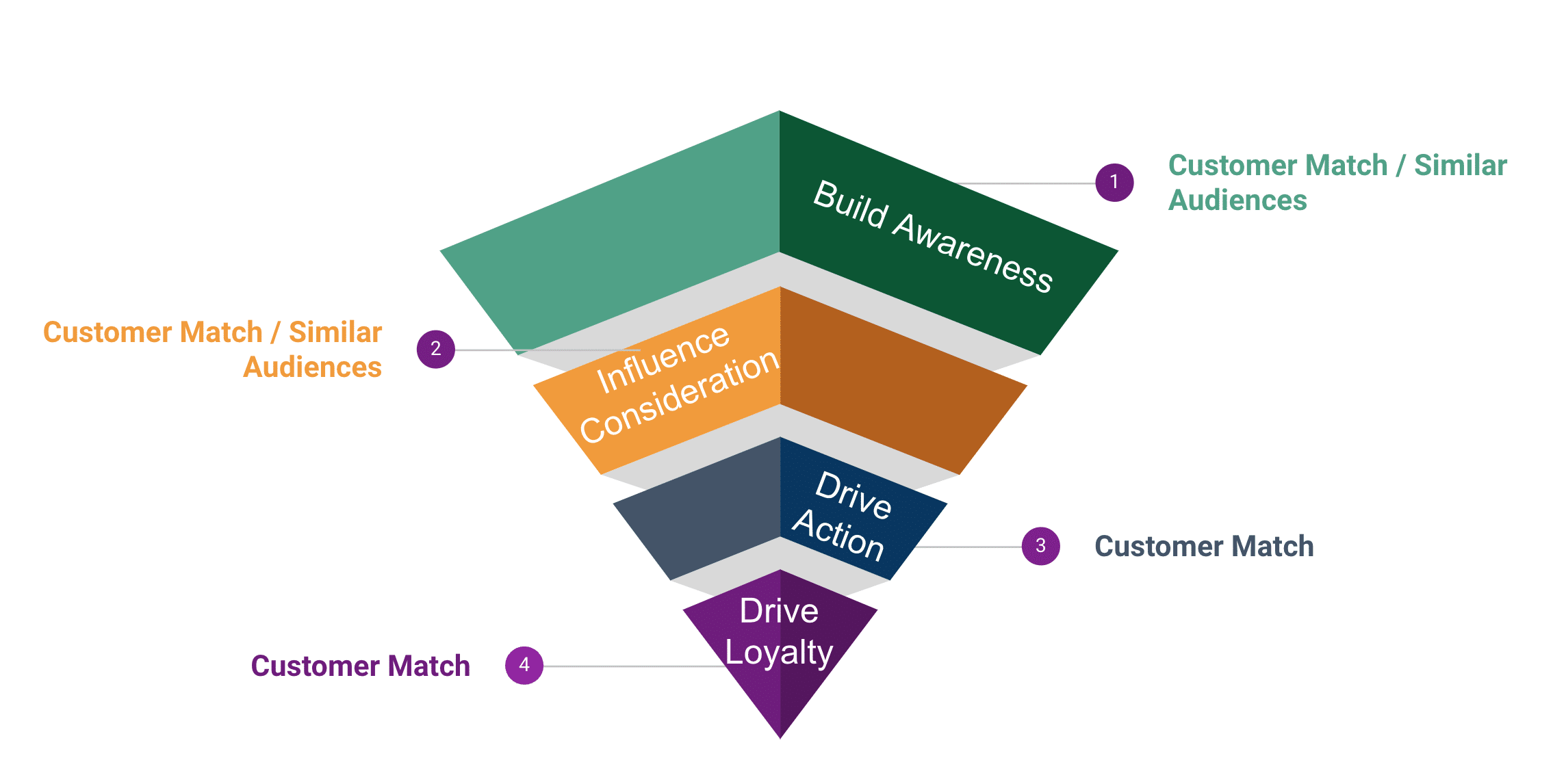
Discovery → Interest → Trust → Website Visit → Consideration → Purchase → Repeat Purchase
Different content can support different stages.
Discovery content attracts people who have never heard of you.
Educational content builds interest.
Reviews and demonstrations build trust.
Product pages support consideration.
Offers and clear purchasing information encourage conversion.
Post-purchase content can encourage repeat purchases and referrals.
This framework helps you create content with a purpose instead of simply filling a posting schedule.
Avoid the Most Common Low-Budget Marketing Mistakes
A small budget becomes even smaller when resources are wasted.
One common mistake is spending money on everything at once.
Another is copying competitors without understanding why their strategy works.
Another is obsessing over follower count.
Some startups also change their brand message every week because one post performs poorly.
Do not panic over individual posts.
Social media performance naturally fluctuates.
Look for patterns across several weeks.
The goal is to discover repeatable strategies, not chase one lucky viral post.
Do Not Discount Too Aggressively
When sales are slow, startups sometimes respond with constant discounts.
This can create short-term purchases but damage long-term positioning.
Customers may begin waiting for the next sale.
Instead of always reducing price, communicate value.
Explain:
- Product quality
- Durability
- Convenience
- Design
- Unique features
- Customer support
- Warranty
- Long-term benefits
A strong brand does not need to compete solely on price.
Make Every Customer a Potential Content Creator
Your first customers can become some of your most valuable marketing partners.
Encourage them to share their experiences.
After purchase, you can invite customers to:
- Review the product
- Share a photo
- Post an unboxing
- Demonstrate how they use it
- Tag your brand
Make the process simple.
Do not expect every customer to participate.
Even a small number of authentic customer posts can become powerful social proof.
Create a Referral Program
Happy customers may be willing to recommend your products to friends.
A referral program can formalize that process.
You could offer:
- Discount codes
- Store credit
- Rewards
- Product bonuses
- Referral commissions
The exact structure depends on your margins and business model.
The important part is making referrals easy to understand and easy to share.
A satisfied customer should not need to explain complicated rules to a friend.
Focus on Trust Before Scale
A startup often wants to grow as quickly as possible.
But rapid growth without trust can create problems.
Before aggressively increasing traffic, make sure your website can handle customer expectations.
Verify:
- Product availability
- Shipping information
- Customer support
- Return policies
- Product descriptions
- Order confirmation
- Fulfillment processes
A successful social post can bring hundreds or thousands of visitors.
You need a customer experience capable of converting that attention into positive relationships.
Build a 90-Day Low-Budget Social Strategy
A practical starting plan can be divided into three stages.
Days 1–30: Establish the Foundation
Define your customer.
Choose your primary platform.
Create your visual identity.
Develop several content pillars.
Publish consistently.
Answer comments.
Start collecting customer questions.
Focus on learning rather than maximizing reach.
Days 31–60: Test and Expand
Identify your strongest content.
Experiment with new hooks.
Work with small creators.
Encourage user-generated content.
Test collaborations.
Improve your product pages.
Begin building an email list.
At this stage, you should start seeing patterns in what your audience responds to.
Days 61–90: Scale What Works
Double down on successful content formats.
Develop creator partnerships.
Consider small paid campaigns.
Retarget high-intent visitors.
Launch referral initiatives.
Improve conversion rates.
Remove strategies that consistently consume time without producing meaningful results.
This process keeps the budget under control while gradually increasing the sophistication of your marketing.
A Sample Low-Cost Weekly Workflow
A small two-person ecommerce team could organize its week like this.
Monday
Review the previous week’s performance.
Identify the best-performing posts.
Choose three content ideas.
Tuesday
Film short-form videos.
Capture product photos.
Collect behind-the-scenes footage.
Wednesday
Edit and schedule content.
Prepare captions and calls to action.
Thursday
Engage with comments.
Contact potential creators.
Answer customer questions.
Friday
Publish a product-focused post.
Monitor website traffic.
Weekend
Publish lifestyle or community content.
Respond to engagement.
Review customer feedback.
This system does not require a large marketing department.
It requires discipline and consistency.
How to Spend Your First $500
A small budget can disappear quickly.
Instead of putting all of it into one advertising campaign, consider dividing it across several controlled experiments.
For example, the budget might support:
- Sample products for creator outreach
- Basic content equipment
- Small paid social tests
- Customer incentives
- Collaboration costs
The exact allocation should depend on your product margins, sales cycle, audience, and existing resources.
The principle is more important than the exact dollar amount:
Use money to amplify strategies that already show signs of working.
Do not use money to hide the absence of a strategy.
Creativity Can Outperform Budget
The biggest advantage of a small independent website is often speed.
A startup can test an idea today and change it tomorrow.
Large companies may require multiple approvals before publishing a simple campaign.
Use that agility.
Try unusual content angles.
Test different hooks.
Ask customers unexpected questions.
Show real product failures and improvements.
Experiment with storytelling.
Be human.
The brands that stand out are not always the brands with the largest budgets.
They are often the brands that understand their customers better.
The Long-Term Goal Is Not Going Viral
Viral content can be exciting.
But a viral post does not automatically produce a successful business.
You can receive hundreds of thousands of views and very few purchases.
Meanwhile, a smaller video seen by 5,000 highly relevant people might generate significant sales.
The real objective is to create a repeatable system where:
Relevant people discover your brand → They find useful content → They trust the brand → They visit your website → They purchase → They return → They recommend you to others.
That system is much more valuable than a single viral moment.
Final Thoughts: Small Budget, Smart Strategy, Big Opportunity
Launching an independent ecommerce website without a large marketing budget can be challenging, but it is far from impossible.
Social media provides startups with a unique opportunity to compete through creativity, relevance, authenticity, and customer relationships instead of relying entirely on advertising spend.
You do not need to create content on every platform.
You do not need a professional studio.
You do not need millions of followers.
You do not need celebrity influencers.
You need a clear understanding of your customer, a consistent content strategy, a compelling product, and the willingness to keep learning.
Start with one platform.
Create useful content.
Answer real customer questions.
Show your products in real situations.
Work with relevant small creators.
Encourage customer content.
Build relationships with your audience.
Measure website traffic and sales rather than vanity metrics alone.
Then repeat what works.
The strongest low-budget social media strategy is not about finding one magic post or one secret growth trick. It is about building a collection of small advantages that reinforce one another.
A helpful video leads someone to your profile.
A customer review increases trust.
A creator introduces the product to a new audience.
A useful product page removes doubts.
A satisfied customer posts a photo.
Another potential buyer discovers that post.
Over time, these small actions can create momentum.
That is how a new independent ecommerce website can turn a limited budget into meaningful visibility, stronger customer relationships, and sustainable growth.
You do not need a huge budget to make a big impact. You need to make every piece of content, every customer interaction, and every dollar work harder.