














 En
En
 10 min read
Many entrepreneurs experience the same confusing moment: a product becomes a bestseller, orders increase rapidly, traffic grows, and sales dashboards look impressive—yet profits remain disappointing or even negative.
At first glance, this feels contradictory. If a product sells well, shouldn’t it naturally generate strong earnings?
In reality, high sales volume and profitability are not the same thing. Some of the most popular products in online commerce operate on razor-thin margins or hidden losses. What appears to be success on the surface often masks structural cost problems buried deep within supply chains and customer acquisition systems.
This article explores why best-selling products frequently fail to produce meaningful profits and how supply chain dynamics and advertising economics quietly determine whether a product truly succeeds.

The Illusion of the “Winning Product”
Online business culture often celebrates the idea of a “winning product.” Metrics such as:
- high daily orders
- viral popularity
- strong click-through rates
- growing social engagement
create a sense of momentum.
However, revenue growth alone reveals very little about financial health.
A product can achieve:
- record sales volume
- consistent demand
- strong visibility
while simultaneously losing money on every transaction.
The core issue lies in misunderstanding unit economics.
Revenue vs. Profit: The Critical Difference
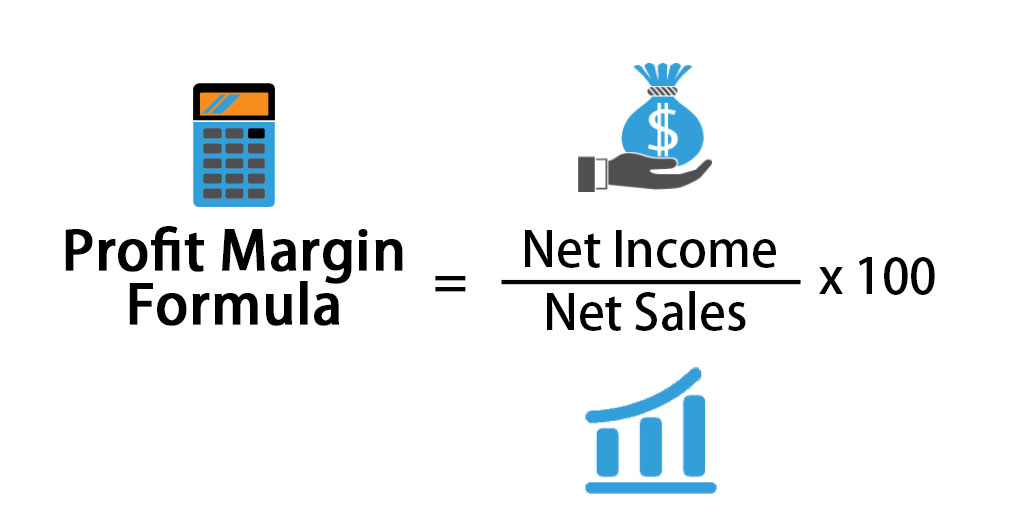
Revenue measures how much money flows into a business.
Profit measures what remains after every cost is accounted for.
Hidden expenses often include:
- logistics variability
- return processing
- advertising inefficiencies
- packaging costs
- payment processing fees
- inventory risk
When these accumulate, margins disappear quietly.
Many sellers discover profitability problems only after scaling—when losses multiply alongside sales.
The Supply Chain: Where Profit Begins or Ends
The supply chain determines the foundational cost structure of any product.
Even small inefficiencies compound dramatically at scale.
Key components include:
- Manufacturing cost
- Quality consistency
- Shipping logistics
- Warehousing
- Packaging design
- Lead times
A product may appear inexpensive to source but become costly once the full operational path is considered.
Hidden Manufacturing Costs Most Sellers Ignore
The quoted unit price rarely represents the true manufacturing cost.
Additional expenses often emerge later:
- defect rates
- minimum order quantities
- tooling adjustments
- packaging upgrades
- compliance requirements
- inspection fees
For example, a product priced at $8 per unit may effectively cost $11–$13 after real-world adjustments.
Margins shrink before advertising even begins.
Quality Variability and Its Financial Impact
Inconsistent quality introduces invisible costs.
Problems include:
- increased returns
- customer complaints
- replacement shipments
- reputation damage
Each defective product creates multiple expenses beyond the original unit cost.
High-volume products amplify these risks because defects scale proportionally.
Consistency often matters more than low sourcing prices.
Logistics: The Silent Margin Killer
Shipping costs fluctuate constantly due to:
- fuel pricing
- seasonal demand
- carrier capacity
- geopolitical disruptions
Products with poor size-to-value ratios suffer most.
Large or heavy items may sell well but generate minimal profit once fulfillment costs are included.
Successful products typically balance:
- compact packaging
- perceived value
- efficient shipping dimensions
Logistics efficiency is often more important than manufacturing savings.
Inventory Timing and Cash Flow Pressure
Fast-selling products require faster inventory replenishment.
This creates hidden financial strain:
- capital tied in stock
- forecasting errors
- overstock risk
- emergency air shipping
Air freight, used to avoid stockouts, can instantly erase margins accumulated over months.
Growth without inventory planning often leads to profit collapse.

Advertising: The Cost That Scales Faster Than Revenue
Advertising begins efficiently but rarely stays that way.
As competition increases:
- bidding costs rise
- audience saturation occurs
- conversion rates decline
Early profitability often results from temporary inefficiencies in the market rather than sustainable economics.
Over time, customer acquisition costs trend upward.
Why Popular Products Attract Expensive Competition
Once a product demonstrates demand, competitors enter quickly.
New entrants increase advertising pressure by:
- targeting identical audiences
- bidding on the same keywords
- copying messaging strategies
The result is escalating acquisition costs.
Ironically, success attracts the very competition that reduces profitability.
The Customer Acquisition Trap
Many sellers evaluate advertising performance using incomplete metrics.
They celebrate:
- low cost per click
- strong traffic numbers
- high impressions
But the true metric is acquisition cost relative to lifetime customer value.
If customers purchase only once, advertising must remain extremely efficient.
Single-purchase products are especially vulnerable to rising ad expenses.
The Hidden Math of Paid Traffic
Consider a simplified scenario:
- Product selling price: $60
- Product cost + fulfillment: $30
- Advertising cost per customer: $25
Remaining margin: $5 before overhead.
After fees and returns, profit disappears.
Even minor advertising increases can turn profitability negative.
Returns: The Overlooked Expense
Returns significantly impact margins, especially in categories involving fit, comfort, or personal preference.
Return-related costs include:
- reverse logistics
- inspection labor
- damaged inventory
- refund processing
- customer service time
A 10% return rate can eliminate profits entirely in tight-margin products.
Many bestselling items experience high return rates precisely because they reach large audiences.
The Pricing Ceiling Problem
Some products cannot sustain higher prices due to market expectations.
When competitors offer similar options, raising prices risks conversion decline.
This creates a ceiling where costs rise but pricing cannot adjust accordingly.
Products trapped under pricing ceilings struggle to maintain profitability long term.
Why Volume Alone Cannot Fix Margins
A common belief is that selling more units will solve profit issues.
However, scaling magnifies structural inefficiencies.
If each sale produces minimal or negative profit, increasing volume accelerates losses.
Growth only works when unit economics are already healthy.
Supplier Dependence Risks
Relying on a single supplier introduces vulnerability.
Issues may include:
- sudden price increases
- production delays
- quality changes
- negotiation imbalance
When a product becomes successful, suppliers may raise prices knowing switching costs are high.
Diversified sourcing protects margins.
Advertising Fatigue and Creative Burnout
Marketing performance declines over time because audiences become familiar with advertisements.
Symptoms include:
- falling click-through rates
- rising acquisition costs
- shorter creative lifespans
Maintaining performance requires continuous creative development, adding hidden operational costs.
Advertising is not a one-time expense but an ongoing system.
The Myth of Cheap Traffic
Low-cost traffic often converts poorly.
High-intent audiences cost more because they are valuable.
Attempting to rely solely on inexpensive traffic frequently results in wasted spend.
Efficiency comes from relevance rather than price alone.
Why Differentiation Protects Profit
Products without meaningful differentiation compete primarily on price and advertising efficiency.
Differentiated products benefit from:
- stronger brand recall
- organic referrals
- higher perceived value
- reduced comparison shopping
Differentiation lowers reliance on aggressive advertising.
Packaging and Perceived Value
Packaging influences profitability more than many expect.
Thoughtful packaging can:
- justify premium pricing
- reduce damage rates
- improve customer retention
- enhance brand perception
Small packaging investments often generate outsized financial returns.
Lifetime Value: The Profit Multiplier
Profitable products rarely rely on single transactions.
Businesses improve economics by increasing lifetime value through:
- complementary products
- replenishment cycles
- upgrades
- accessories
When customers purchase repeatedly, advertising costs distribute across multiple orders.
This transforms marginal products into profitable ecosystems.
Operational Complexity Costs
As products scale, operational complexity increases:
- customer support staffing
- warehouse coordination
- tracking systems
- software subscriptions
These indirect costs rarely appear in early projections but significantly impact profitability.
The Danger of Copycat Products
Many bestselling items fail because they originate from imitation rather than innovation.
Copycat products face:
- identical competitors
- price erosion
- minimal brand loyalty
Without differentiation, advertising becomes the only growth lever—and an expensive one.
How Profitable Products Differ From Viral Products
Viral products prioritize rapid attention.
Profitable products prioritize sustainable economics.
Profitable products typically exhibit:
- controlled competition
- stable demand
- clear differentiation
- repeat purchase potential
- manageable logistics
Long-term success favors stability over hype.
Questions to Evaluate True Product Profitability
Before scaling, ask:
- What happens if advertising costs double?
- Can pricing increase without demand collapse?
- Are returns predictable?
- Is supply stable for 12–24 months?
- Can customers buy again?
If answers are uncertain, profitability remains fragile.
Building Profit Into Product Selection
Profitability should be designed early, not optimized later.
Consider:
- compact shipping dimensions
- durable materials
- clear differentiation
- emotional customer value
- scalable sourcing
Early decisions determine long-term outcomes.
Strategic Advantage of Smaller Niches
Niche markets often maintain healthier margins because:
- competition is lower
- advertising costs stabilize
- audiences are more defined
- pricing power increases
Specialization frequently outperforms mass appeal.
The Shift From Product Thinking to System Thinking
Successful businesses stop viewing products as isolated items.
Instead, they design systems involving:
- supply chain resilience
- customer acquisition efficiency
- retention strategies
- brand positioning
Profit emerges from alignment across the system.
Why Some “Failures” Are Actually Valuable Lessons
Unprofitable bestsellers provide critical insights:
- real demand validation
- customer behavior data
- operational experience
Many successful brands refine future products using lessons learned from early margin mistakes.
Failure often reveals the path to sustainable success.
Final Thoughts: Profitability Is Engineered, Not Accidental
A bestselling product does not guarantee financial success. Sales volume reflects demand, but profit reflects structure.
Supply chain decisions determine cost foundations. Advertising dynamics determine customer acquisition sustainability. Together, they shape the true economics of any product.
The most successful entrepreneurs shift focus from chasing viral products to designing profitable systems.
Instead of asking:
“Is this product selling well?”
ask a more important question:
“Does this product still make money after everything required to sell it?”
When supply chain efficiency, differentiation, pricing power, and acquisition strategy align, popularity and profitability finally move in the same direction.
And that is when a bestseller becomes a real business asset—not just an impressive number on a dashboard.