En
En
 11 min read
For years, digital advertising relied heavily on third-party cookies, broad audience targeting, and platform-driven behavioral tracking. Brands could reach massive audiences with relative ease, often depending more on algorithmic targeting than on their own customer relationships.
But the marketing landscape is changing rapidly.
Privacy regulations are tightening. Third-party cookies are disappearing. Ad targeting is becoming more restricted. Customer acquisition costs continue rising across nearly every major advertising platform. Meanwhile, businesses are realizing a critical truth: their most valuable marketing asset may already exist inside their own customer database.
That asset is first-party data.
Among all modern customer retention and advertising strategies, one of the most powerful tools for leveraging first-party data is Customer Match.
Customer Match allows businesses to reconnect with existing customers using data the brand already owns — including email addresses, phone numbers, purchase behavior, CRM information, loyalty memberships, and customer lifecycle insights.
Instead of chasing cold audiences endlessly, businesses can focus on activating high-value existing customers who already know, trust, and buy from the brand.
This article explores how first-party data is reshaping digital marketing, why Customer Match has become increasingly important, and how businesses can use it strategically to reactivate valuable customers, improve retention, increase lifetime value, and build more resilient advertising systems.
What Is First-Party Data?
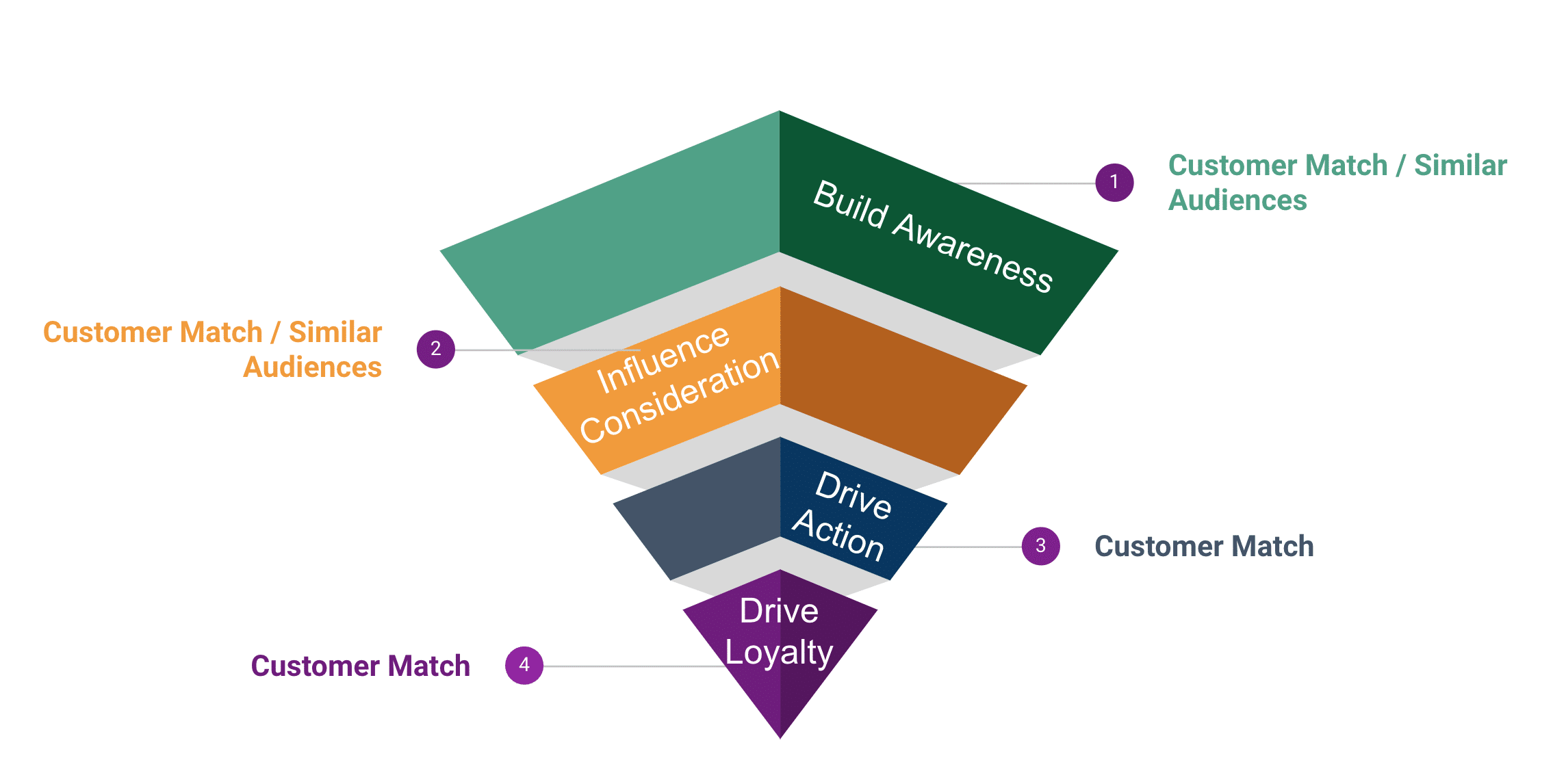
First-party data refers to information a business collects directly from its own audience or customers.
Unlike third-party data, first-party data comes from direct interactions between the customer and the brand.
Common Sources of First-Party Data
Businesses may collect first-party data from:
- Website activity
- Purchase history
- CRM systems
- Loyalty programs
- Email subscriptions
- Mobile apps
- Customer surveys
- Support interactions
- SMS signups
- Account registrations
This data is typically more accurate and reliable because it comes directly from real customer engagement.
Why First-Party Data Has Become So Valuable
Several major industry shifts have increased the importance of first-party data dramatically.
1. Third-Party Cookie Deprecation
Browsers and platforms are reducing third-party tracking capabilities.
This limits advertisers’ ability to follow users across the internet.
2. Rising Advertising Costs
Customer acquisition costs continue increasing because of:
- Increased competition
- Audience saturation
- Privacy limitations
- Algorithmic complexity
Retaining and reactivating existing customers often becomes more profitable than acquiring entirely new ones.
3. Consumer Privacy Expectations
Consumers increasingly expect:
- Transparency
- Consent-based marketing
- Better data handling
- Personalized experiences
First-party data aligns more naturally with these expectations.
4. Higher Data Quality
Third-party data is often:
- Incomplete
- Outdated
- Inaccurate
- Inferred
First-party data tends to be far more actionable and trustworthy.
What Is Customer Match?
Customer Match is an advertising feature that allows businesses to upload their own customer information to advertising platforms in order to target known audiences directly.
The platform securely matches customer identifiers such as:
- Email addresses
- Phone numbers
- Mailing addresses
with user accounts.
This allows advertisers to serve highly relevant ads to existing customers across various channels.
Why Customer Match Is So Powerful
Traditional advertising often targets strangers.
Customer Match targets people who already have a relationship with the business.
These audiences may include:
- Past purchasers
- Loyal customers
- High-spending customers
- Inactive users
- Newsletter subscribers
- VIP members
- Cart abandoners
This changes the economics of advertising dramatically.
Why Existing Customers Matter More Than Ever
Many businesses focus excessively on acquisition while underinvesting in retention.
But existing customers often offer:
- Higher conversion rates
- Lower acquisition costs
- Greater trust
- Larger average order values
- Stronger repeat purchase behavior
The Economics of Retention
Acquiring a new customer is usually far more expensive than retaining an existing one.
Meanwhile, repeat customers often:
- Purchase more frequently
- Require less persuasion
- Respond better to upsells
- Generate referrals
This makes high-value customer reactivation especially important.
What Defines a High-Value Customer?
Not all customers contribute equally to business growth.
High-value customers typically demonstrate:
- Strong purchase frequency
- High average order value
- Long-term loyalty
- Cross-category purchasing
- Brand engagement
- Lower support costs
Customer Match allows businesses to focus advertising resources on these valuable segments.
How Customer Match Works
While the exact process varies by platform, the general workflow is similar.
Step 1: Build Customer Lists
Businesses gather first-party customer data from systems such as:
- CRM platforms
- Email marketing software
- E-commerce databases
- Loyalty systems
Step 2: Segment Audiences
Instead of uploading one massive list, smart advertisers create strategic segments.
Examples include:
- Repeat buyers
- Dormant customers
- VIP customers
- Recent purchasers
- Seasonal buyers
- Subscription cancelers
Step 3: Upload Customer Data Securely
Advertising platforms hash and match the data securely to protect privacy.
Step 4: Deliver Personalized Campaigns
Businesses can then show targeted ads specifically designed for each customer segment.
Why Segmentation Is the Key to Success
One of the biggest mistakes businesses make is treating all customers the same.
Customer Match works best when audiences are segmented intelligently.
Segment Example #1: High-Spending VIP Customers
These customers may receive:
- Exclusive offers
- Early access
- Premium product launches
- Loyalty rewards
Segment Example #2: Lapsed Customers
Inactive buyers may need:
- Re-engagement campaigns
- Reminder messaging
- Incentive offers
- Product updates
Segment Example #3: Recent Purchasers
Recent buyers may respond well to:
- Cross-sells
- Accessories
- Product education
- Subscription upgrades
Segment Example #4: Seasonal Customers
Some customers purchase only during specific seasons or holidays.
Customer Match helps brands reconnect before those periods begin.
Why Personalization Improves Performance
Modern consumers expect personalized experiences.
Generic advertising often feels:
- Irrelevant
- Repetitive
- Impersonal
Customer Match enables highly tailored messaging based on actual customer behavior.
Personalized Ads Can Reference:
- Previous purchases
- Loyalty status
- Product interests
- Purchase timing
- Geographic preferences
- Shopping patterns
This increases relevance significantly.
The Role of Customer Lifetime Value (CLV)
Customer Lifetime Value has become one of the most important marketing metrics.
Instead of optimizing only for immediate conversions, businesses increasingly focus on long-term customer profitability.
Why CLV Matters in Advertising
Two customers may generate identical first purchases but vastly different long-term value.
Customer Match helps advertisers prioritize users likely to deliver:
- Repeat purchases
- Long-term engagement
- Brand loyalty
Using Customer Match Across the Customer Lifecycle
Customer Match is not only for reactivation.
It can support multiple lifecycle stages.
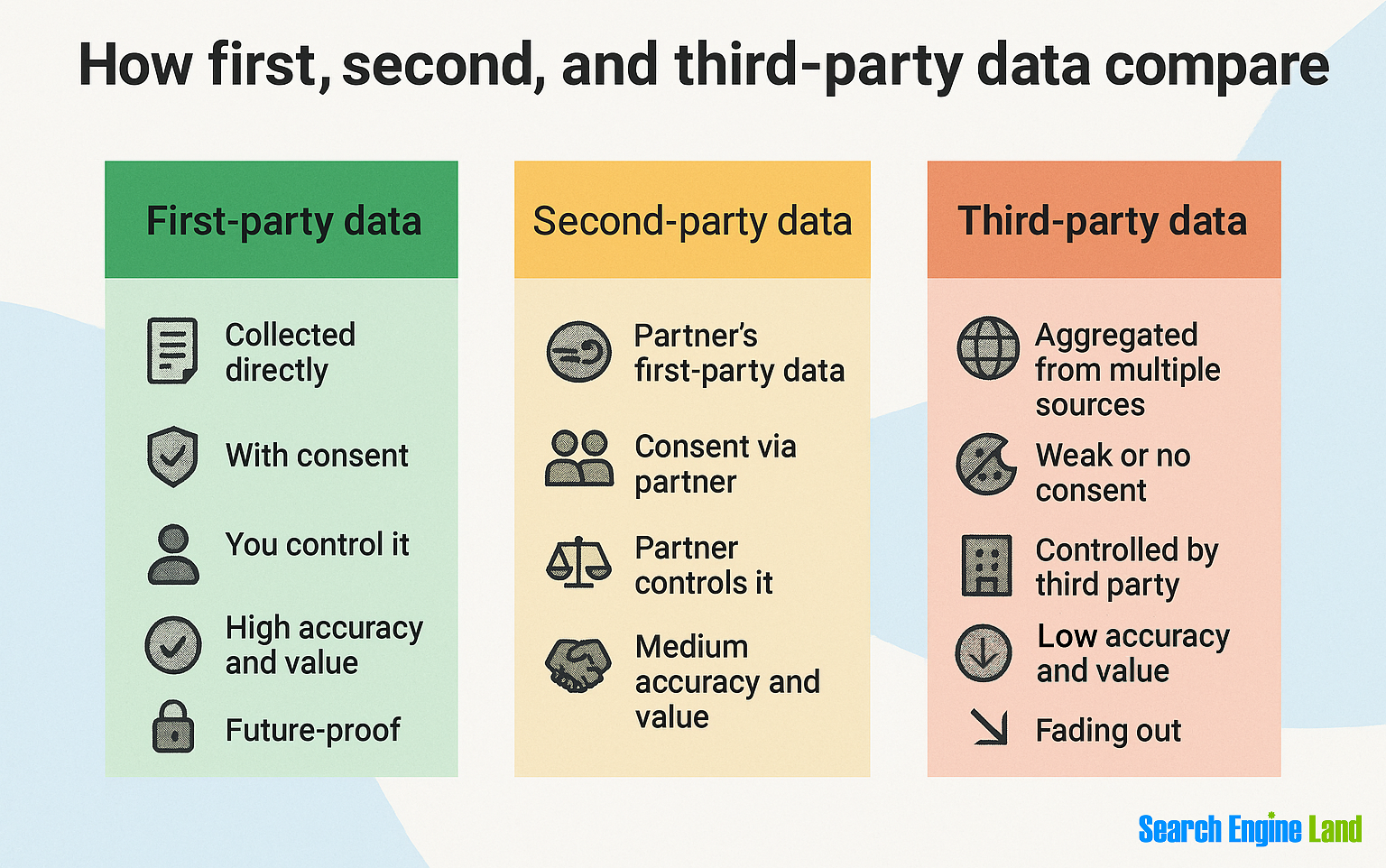
1. Acquisition Support
Businesses can create lookalike or similar audiences based on high-value customers.
This improves prospecting quality.
2. Nurturing
Brands can guide customers toward deeper engagement through sequential messaging.
3. Retention
Retention campaigns help maintain customer relationships over time.
4. Reactivation
Dormant users can be brought back through personalized offers and reminders.
Why Dormant Customers Represent Hidden Revenue
Many businesses ignore inactive customers while focusing entirely on new acquisition.
But dormant customers already possess:
- Brand familiarity
- Purchase history
- Trust signals
- Lower conversion friction
Reactivating them is often highly cost-effective.
Common Reasons Customers Become Inactive
Customers may stop purchasing because of:
- Competing priorities
- Seasonal buying habits
- Forgotten subscriptions
- New competitors
- Lack of reminders
- Product fatigue
Not all inactive customers are permanently lost.
Effective Reactivation Campaign Strategies
Successful reactivation campaigns often focus on:
- Personalized reminders
- New product announcements
- Limited-time offers
- Loyalty rewards
- Emotional reconnection
- Product education
Why Timing Matters
Customer reactivation timing is critical.
Campaigns may perform differently depending on:
- Time since last purchase
- Product lifecycle
- Seasonal behavior
- Customer intent patterns
Cross-Channel Customer Match Strategies
Customer Match becomes especially powerful when integrated across multiple channels.
Search Advertising
Brands can bid more aggressively for high-value returning customers searching relevant keywords.
YouTube Advertising
Video campaigns help rebuild emotional engagement with dormant customers.
Display Advertising
Display ads reinforce brand visibility and remind customers to return.
Gmail and Email Integration
Customer Match can support broader omnichannel communication strategies.
Omnichannel Consistency Builds Trust
Modern consumers interact with brands across multiple touchpoints.
Consistent messaging improves:
- Recognition
- Trust
- Conversion likelihood
Privacy and Consent Considerations
As first-party data becomes more valuable, responsible data handling becomes increasingly important.
Businesses must prioritize:
- Transparency
- Consent
- Secure storage
- Compliance
Why Trust Matters
Consumers are more willing to share data when brands provide:
- Clear value
- Respectful communication
- Strong privacy practices
Trust strengthens long-term customer relationships.
Common Customer Match Mistakes
Uploading Unsegmented Lists
Broad targeting reduces personalization effectiveness.
Using Outdated Customer Data
Old or inaccurate records reduce match quality.
Over-Messaging Existing Customers
Too much retargeting can create annoyance and ad fatigue.
Ignoring Customer Intent
Recent buyers should not receive the same messaging as inactive users.
Focusing Only on Discounts
Constant discounts may reduce long-term brand value.
Why Creative Strategy Still Matters
Even highly accurate targeting cannot compensate for weak creative.
Customer Match campaigns still require:
- Strong messaging
- Clear offers
- Emotional relevance
- Visual quality
Emotional Marketing and Existing Customers
Existing customers often respond strongly to emotional branding because familiarity already exists.
Messaging can emphasize:
- Community
- Loyalty
- Shared values
- Product success stories
- Lifestyle identity
The Role of AI in First-Party Data Marketing
Artificial intelligence is making Customer Match strategies increasingly sophisticated.
AI systems can help identify:
- Churn risk
- Purchase probability
- Product affinity
- Optimal timing
- Customer value prediction
Predictive Segmentation Is Growing Rapidly
Modern marketers increasingly move beyond static audience lists toward predictive modeling.
This allows businesses to identify customers likely to:
- Return soon
- Upgrade products
- Cancel subscriptions
- Increase spending
before those actions happen.
First-Party Data and the Future of Advertising
The digital advertising ecosystem is shifting toward:
- Consent-based data
- Owned audiences
- Relationship-driven marketing
- Predictive analytics
- Long-term customer value optimization
Brands that build strong first-party data systems now will likely hold major competitive advantages in the future.
Why Smaller Businesses Can Benefit Too
Customer Match is not limited to enterprise brands.
Small and mid-sized businesses can also benefit significantly.
Even modest customer lists can improve:
- Advertising efficiency
- Retention performance
- Repeat purchase rates
especially when customer relationships are strong.
Building a Strong First-Party Data Foundation
Successful first-party data strategies start with consistent data collection systems.
Important foundations include:
- CRM organization
- Email capture optimization
- Loyalty programs
- Purchase tracking
- Consent management
- Customer segmentation
Why Data Quality Is More Important Than Data Quantity
A smaller, well-maintained customer database often outperforms massive low-quality lists.
Strong data quality improves:
- Match rates
- Personalization
- Campaign accuracy
- Customer trust
Measuring Customer Match Success
Important performance metrics may include:
- Repeat purchase rate
- Customer retention rate
- Customer lifetime value
- Return on ad spend
- Reactivation conversion rate
- Average order value
- Churn reduction
The Shift From Audience Renting to Audience Ownership
For years, many businesses relied heavily on “rented” audiences controlled by platforms.
First-party data changes that dynamic.
Customer Match helps brands build marketing systems around audiences they actually own relationships with.
This creates greater long-term stability and independence.
Final Thoughts
The future of digital marketing is becoming increasingly relationship-driven, privacy-conscious, and data-focused. As third-party tracking declines and advertising costs continue rising, businesses can no longer depend solely on broad acquisition strategies and platform algorithms.
First-party data is emerging as one of the most valuable assets a company can possess.
And Customer Match represents one of the most effective ways to activate that asset.
By reconnecting with high-value customers through personalized, data-driven campaigns, businesses can improve retention, increase lifetime value, reduce acquisition dependence, and create more sustainable long-term growth.
The brands that succeed in the coming years will not simply be those with the biggest advertising budgets. They will be the brands that understand their customers deeply, manage data responsibly, and build meaningful relationships that extend far beyond a single transaction.