














Influencer marketing has become one of the most powerful ways for brands to reach new audiences, build credibility, and generate sales. From independent online stores to established direct-to-consumer (DTC) companies, businesses increasingly rely on content creators to introduce products, share authentic experiences, and influence purchasing decisions. But there is one problem that many brands continue to overlook: their influencer outreach messages are terrible. Influencers receive dozens, sometimes hundreds, of collaboration requests. Their inboxes are filled with generic introductions, copy-and-paste product pitches, vague partnership proposals, and messages that look more like automated advertisements than genuine business conversations. If your first message sounds like spam, there is a good chance it will be ignored. You might have an excellent product, an attractive commission structure, and a generous collaboration budget. However, none of those advantages matter if your outreach message fails to capture an influencer’s attention. Successful influencer outreach is not about sending more messages. It is about sending better messages to the right people. A thoughtful message demonstrates that you understand the creator’s content, respect their audience, and have a clear reason for proposing a partnership. It also makes it easy for the influencer to understand what you are offering and decide whether the opportunity is worth discussing. In this guide, we will explore five practical influencer outreach templates designed for different collaboration scenarios. You will also learn how to personalize your messages, improve response rates, follow up professionally, avoid common mistakes, and build long-term relationships with content creators. Whether you are launching a new product, growing an independent store, or building a scalable influencer marketing strategy, these techniques can help turn cold outreach into meaningful business opportunities. 1. Why Do Influencers […]

November 19, 2026

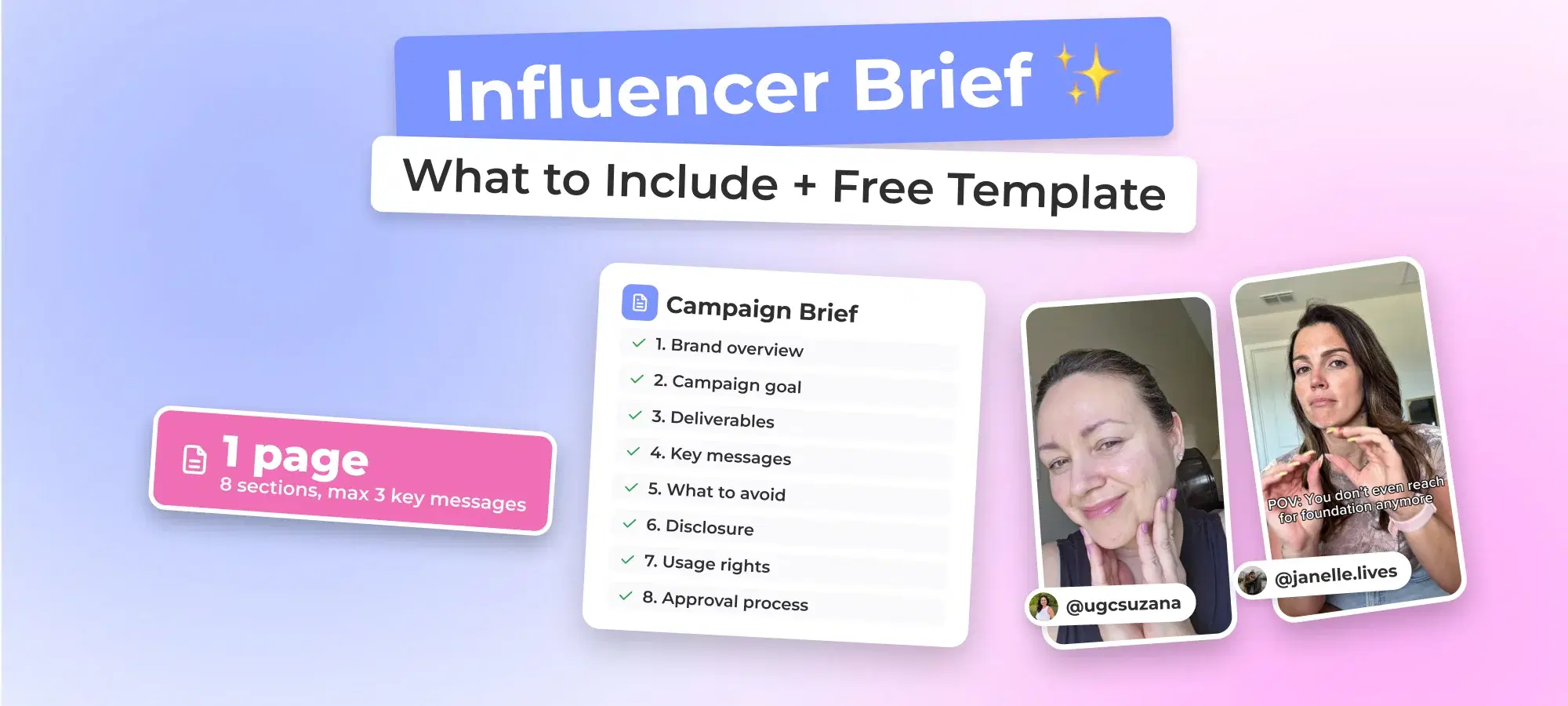
Influencer marketing has become an essential part of modern brand growth. From independent e-commerce stores and direct-to-consumer businesses to established consumer brands, companies are increasingly partnering with content creators to reach targeted audiences, build trust, and generate sales. However, even a promising influencer partnership can underperform when the brand and creator have different expectations. A creator might produce attractive content that fails to communicate the product’s main benefits. A brand might expect a sales-focused video while the influencer assumes the collaboration is intended to increase awareness. Important details such as posting dates, content formats, usage rights, and payment terms may also be overlooked. These problems often begin with an unclear collaboration brief. An influencer marketing brief is more than a document containing product information and posting instructions. It is a practical communication tool that connects a brand’s marketing goals with a creator’s creative approach. A well-written brief explains what the brand wants to achieve, who it wants to reach, what the creator needs to deliver, and how success will be evaluated. The challenge is finding the right balance. A brief that is too vague leaves creators guessing, while one that is excessively restrictive can make sponsored content feel unnatural. The best briefs provide clear direction without taking away the creator’s individual voice. This guide explains how to write an effective influencer marketing brief, breaks down each essential section, and provides a reusable template that brands can adapt for different campaigns. 1. What Is an Influencer Marketing Brief? An influencer marketing brief is a document that outlines the expectations, objectives, responsibilities, and requirements of a collaboration between a brand and a content creator. It is usually prepared by the brand, marketing […]

November 18, 2026

Influencer marketing has become one of the most popular ways for brands to reach new customers, build credibility, and generate sales. From Instagram Reels and TikTok videos to YouTube reviews and lifestyle posts, creators can introduce products to audiences that traditional advertising may struggle to reach. But there is a frustrating problem many businesses encounter: an influencer publishes a post, the content receives likes and comments, followers seem interested, and traffic may even increase, yet sales remain disappointing. Why does this happen? A post can attract attention without attracting potential buyers. A creator may have a large following but an audience that does not match your target market. A video may generate thousands of views but fail to communicate why someone should purchase the product. Even when viewers click through to your website, a confusing product page or complicated checkout process can prevent them from completing an order. The key is to stop evaluating influencer campaigns based on engagement alone. Likes, views, comments, and follower counts can help measure visibility, but they do not tell the whole story. To understand why influencer content is failing to generate purchases, brands need to examine the complete customer journey, from exposure to clicks to completed orders. Three metrics are particularly useful: Click-Through Rate (CTR): Are people interested enough to visit your website? Conversion Rate (CVR): Are visitors taking the desired action after arriving? Return on Investment (ROI): Are the sales generated worth the money and resources invested? Together, these metrics can help identify whether the problem lies with the influencer, the content, the audience, the product page, or the overall campaign strategy. This guide explains how to interpret these three indicators, how to […]

November 16, 2026

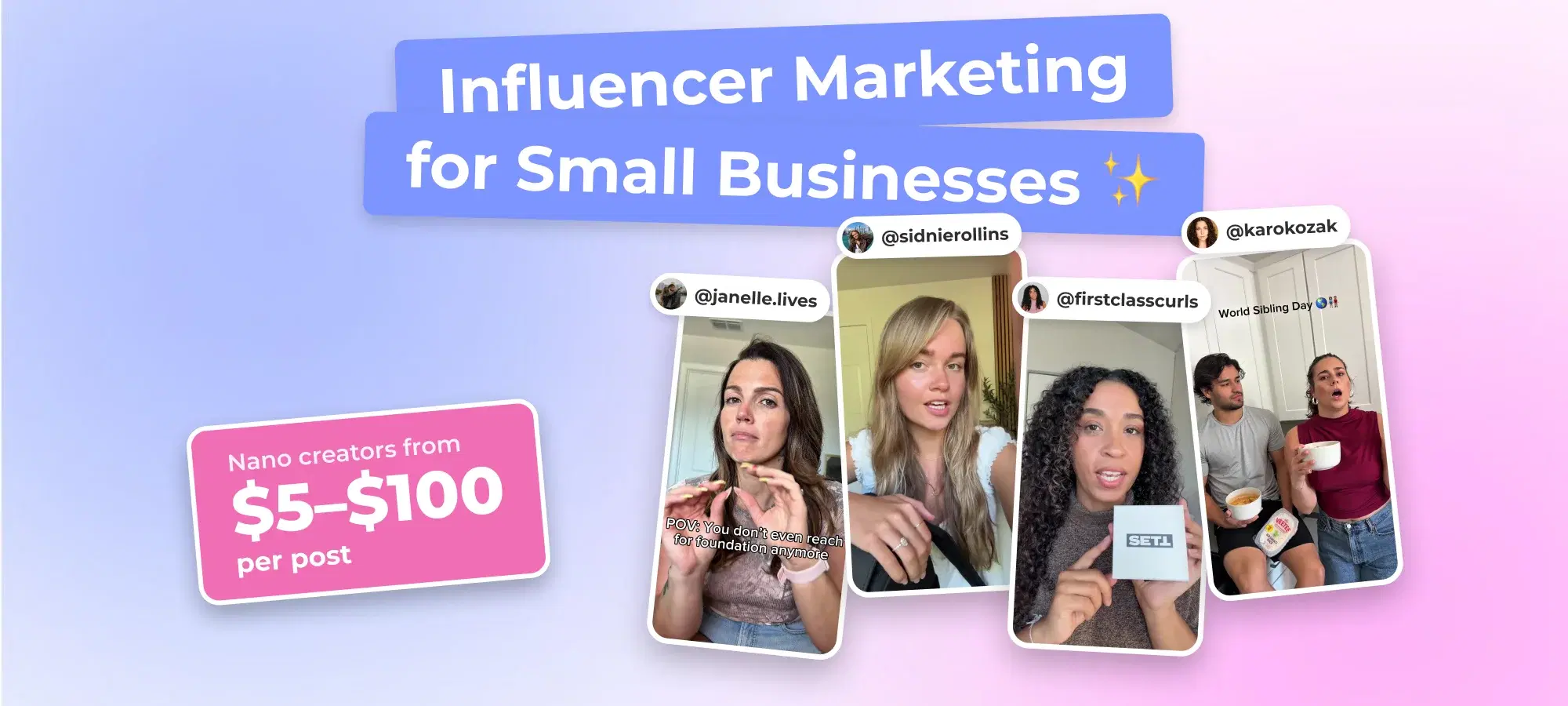
Influencer marketing is often associated with expensive celebrity partnerships, professionally produced campaigns, and creators with hundreds of thousands or even millions of followers. For small businesses, startups, and independent ecommerce brands, this can make influencer marketing seem financially out of reach. But successful creator partnerships do not always require large upfront payments. Many creators are open to different types of collaboration, especially when a brand offers a product they genuinely like, a fair commission opportunity, useful creative resources, or access to an interesting community. By choosing the right partnership model, businesses can introduce products to relevant audiences, produce authentic content, and generate customer interest without committing to a large advertising budget. The key is understanding that influencer marketing is not limited to paying someone to publish a sponsored post. Brands can collaborate with creators in several ways, and each model offers a different kind of value. For example, a small skincare brand might send products to a group of carefully selected beauty creators. An online fashion store might build an affiliate program that rewards creators for each completed purchase. A home goods company could work with a content creator to produce short product demonstration videos in exchange for products. Another business might organize a joint livestream or community challenge with several niche influencers. These approaches can all reduce upfront costs, but they require planning. A product gift does not guarantee a post, an affiliate partnership needs attractive commission terms, and receiving content does not automatically grant a brand unlimited permission to use it in advertising. This guide introduces four practical, low-cost or potentially zero-cash influencer collaboration models. It explains how they work, who they are suitable for, how to approach […]

November 12, 2026

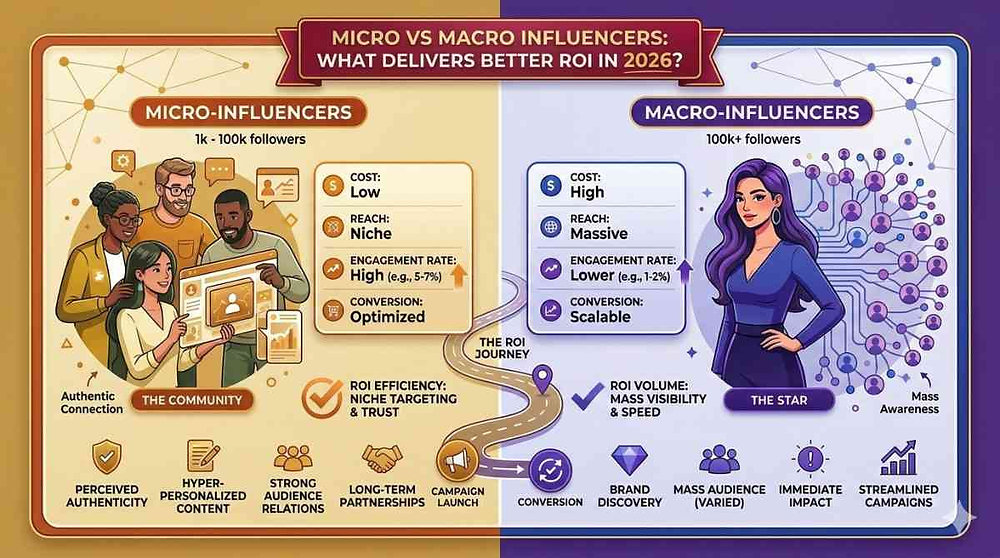
Influencer marketing has become one of the most effective ways for brands to reach potential customers, build credibility, and drive online sales. From emerging direct-to-consumer businesses to established mid-sized companies, brands are increasingly working with social media creators to introduce products, generate engagement, and influence purchasing decisions. However, one important question continues to challenge marketing teams: Should a brand partner with micro-influencers who have smaller but highly engaged audiences, or invest in mega-influencers who can reach millions of people? At first glance, the answer may seem obvious. Mega-influencers offer massive exposure, while micro-influencers usually charge less and maintain closer relationships with their followers. But influencer marketing is not simply a competition over follower counts. A creator with 20,000 highly relevant followers may generate more qualified customers than a celebrity with two million general followers. For small and mid-sized brands, choosing the right influencer can make a significant difference in campaign profitability, brand recognition, and long-term customer acquisition. The best choice depends on several factors, including marketing objectives, target audience, available budget, product category, brand maturity, and the ability to measure campaign performance. This guide explores the differences between micro-influencers and mega-influencers, explains their respective strengths and weaknesses, and provides practical strategies to help smaller brands decide where to invest their influencer marketing budgets. 1. Understanding Micro-Influencers and Mega-Influencers Before comparing these two types of creators, it is important to understand how influencer categories are commonly defined. Follower-count classifications vary across platforms and marketing agencies. There is no universal standard, but the following ranges are frequently used as practical guidelines. What Is a Micro-Influencer? Micro-influencers are content creators who typically have approximately 10,000 to 100,000 followers on a social media platform. […]

November 10, 2026

Introduction: From a Single Sponsored Post to a Lasting Brand Relationship Influencer marketing has become one of the most recognizable ways for brands to reach new customers, introduce products, and build awareness. A creator shares a product with an engaged audience, followers discover the brand, and some of them become customers. On the surface, the process seems simple: find an influencer, negotiate a collaboration, publish sponsored content, and measure the results. But what happens after the post goes live? For many brands, the relationship ends as soon as the campaign is complete. The influencer receives payment, the content disappears into a crowded social media feed, and the brand moves on to the next creator. Although this approach can generate short-term exposure, it often misses a much bigger opportunity: building a long-term relationship with someone who genuinely believes in the brand. A successful influencer partnership should be more than a one-time product placement. The right creator can become a familiar voice associated with a brand, a trusted source of product recommendations, and an active participant in its community. Over time, that creator may evolve from a paid promotional partner into a long-term brand ambassador and even a loyal fan. This shift matters because consumers are increasingly exposed to sponsored content. They can recognize generic endorsements, repetitive product claims, and partnerships that appear to exist only because a payment was made. A single promotional post may attract attention, but repeated, authentic experiences can create familiarity and trust. For ecommerce businesses, direct-to-consumer brands, and independent online stores, the opportunity is especially valuable. Long-term influencer relationships can support product launches, customer acquisition, repeat purchases, brand storytelling, and community development. The goal is not simply […]

November 4, 2026
1 2 3 4 … 58
DropSure is Your Best Partner
22 Years Experience
Affiliate Rebates
100% Quality Guarantee
Top-Up Rewards
10+ Global Warehouses
Custom Branding Support
Smart inventory System
24/7 Customer Support
Get a Quote in 24 Hours
Start Sourcing for Free