In today’s fast-moving digital world, attention has become one of the most valuable resources. Every day, consumers scroll through countless advertisements, social media posts, videos, and promotional messages. Most content receives only a few seconds of attention before users decide whether to stop or continue scrolling. For businesses and marketers, this creates a major challenge: How do you create advertising content that makes people pause, pay attention, and take action? A low click-through rate is often a sign that an advertisement is not connecting with its audience effectively. It does not always mean the product is wrong or the offer is unattractive. Sometimes, the problem is the way the message is presented. A successful advertisement needs more than beautiful images or clever wording. It needs to capture attention quickly, communicate value clearly, and create an emotional reason for users to respond. The best-performing ad creatives usually share several characteristics: They immediately attract attention They understand the audience’s needs They create curiosity They communicate benefits instead of only features They encourage action without feeling forced This article explores five creative advertising concepts that can help transform ordinary ads into content people cannot easily ignore. Why Do Some Ads Get Clicks While Others Get Ignored? Before exploring creative ideas, it is important to understand why many advertisements fail. A low click-through rate often comes from one or more of the following problems. 1. The Ad Does Not Capture Attention Quickly Enough People make fast decisions online. When users scroll through social media feeds or browse websites, they are not actively searching for advertisements. They are looking for information, entertainment, inspiration, or solutions. Your advertisement must interrupt their existing behavior. If the first […]

July 15, 2026

In today’s competitive digital marketplace, businesses are constantly searching for better ways to attract attention, build trust, and encourage customers to take action. Whether you are selling products, offering professional services, promoting an online course, or growing a brand, one challenge remains the same: how do you turn visitors into customers? Many companies invest heavily in advertising, website design, and product improvements, yet their results remain disappointing. The reason is often simple: they focus too much on what they want to say and not enough on what their audience needs to hear. Effective marketing communication begins with understanding human emotions. People rarely make purchasing decisions based only on facts and features. Instead, they are influenced by their problems, frustrations, desires, fears, and hopes for improvement. This is where the PAS framework becomes one of the most powerful tools in persuasive writing. PAS stands for: Problem – Identify the customer’s pain point. Agitation – Highlight the emotional impact and consequences of that problem. Solution – Present your product or service as the answer. This simple three-step structure works because it follows the natural decision-making process of the human mind. It first creates recognition, then builds urgency, and finally offers relief. When used correctly, PAS can transform ordinary marketing messages into compelling conversations that motivate customers to act. What Is the PAS Framework? The PAS framework is a copywriting formula designed to connect with customers on an emotional level. Instead of immediately presenting a product or making a sales pitch, PAS begins by showing customers that you understand their struggles. A traditional sales message might say: “Our software helps businesses manage projects more efficiently.” While this statement explains a benefit, it does […]

July 13, 2026

Introduction: Why Clicks Alone Do Not Tell the Full Story For many businesses running Facebook advertising campaigns, clicks are often the first number they look at. A campaign receives thousands of impressions. Hundreds of users click the advertisement. The click-through rate appears promising. The marketing team feels encouraged. But then an important question appears: Did those clicks actually create business value? In today’s competitive digital advertising environment, measuring success by clicks alone is no longer enough. A high click volume does not always mean strong customer interest, better brand awareness, or increased revenue. Some clicks come from curiosity. Some users visit a website but leave immediately. Others may engage with content but never become customers. Meanwhile, a campaign with fewer clicks may generate higher-quality leads, stronger customer relationships, and better long-term returns. This is why modern Facebook advertising requires a deeper approach. Successful advertisers analyze the complete customer journey: Who sees the advertisement? Who engages with it? Who takes meaningful actions? Which audience segments respond best? Which creative elements drive conversions? Where does advertising spend create the highest value? By using deeper data analysis, businesses can move beyond surface-level metrics and make smarter decisions that improve campaign performance. The Problem With Focusing Only on Clicks Clicks are easy to understand. They provide a simple measurement: “Someone saw the ad and clicked.” However, this action represents only one small part of the customer journey. Clicks Do Not Measure Intent A click indicates interest, but it does not reveal the strength of that interest. Consider two different scenarios: Campaign A 10,000 impressions 800 clicks 5 purchases Campaign B 10,000 impressions 300 clicks 40 purchases If a business only looks at clicks, Campaign […]

July 10, 2026

Running successful advertising campaigns requires continuous monitoring, testing, and improvement. Even a campaign that performs exceptionally well today may experience declining results tomorrow. Audience behavior changes, competition increases, market trends shift, and advertising platforms continue to adjust their systems. When advertising performance begins to decline, many businesses immediately make major changes, such as increasing budgets, replacing all creative content, or completely rebuilding campaigns. However, these actions may waste valuable data and create new problems. A better approach is to follow a structured diagnostic process. A professional optimization checklist helps identify the real reason behind declining performance before making decisions. By examining each stage of the advertising journey—from audience targeting and creative quality to landing page experience and conversion tracking—you can locate problems more accurately and improve campaign efficiency. This guide provides a complete advertising performance diagnosis checklist designed to help businesses understand why campaigns decline and how to restore better results through systematic optimization. Why Advertising Performance Declines Over Time A drop in advertising results does not always mean the campaign is failing. Performance changes can happen for many reasons, including: Audience fatigue Increased competition Seasonal demand changes Creative exhaustion Website problems Tracking issues Market changes Budget adjustments The first step is not making changes immediately. The first step is understanding what changed. A sudden decline and a gradual decline usually indicate different problems. Step One: Confirm That Performance Has Actually Declined Before diagnosing problems, verify the data. Many businesses react too quickly based on short-term fluctuations. Start by comparing: Current performance versus previous periods Week-over-week results Month-over-month results Seasonal trends Historical campaign performance Important metrics include: Impressions Clicks Click-through rate Cost per click Conversion rate Cost per conversion Return […]

July 9, 2026

In today’s competitive digital marketplace, attracting customers requires more than simply running advertisements. Many businesses invest heavily in Facebook advertising but struggle to achieve the expected results because their ads and landing pages are not working together as one unified customer journey. A successful campaign is not built on a single element. The Facebook ad introduces your brand, captures attention, and encourages users to click. The landing page continues that conversation, builds trust, explains the value of the offer, and guides visitors toward taking action. When these two parts are perfectly aligned, the entire marketing process becomes smoother. Users receive a consistent message from the first impression to the final conversion, creating a stronger connection between customer expectations and brand experience. This article explores how businesses can optimize the complete journey between Facebook ads and landing pages, including message consistency, design coordination, user psychology, technical performance, and conversion strategies. Why Facebook Ads and Landing Pages Must Work Together Many advertisers focus on improving individual components: Creating attractive ad images Writing stronger headlines Increasing audience targeting accuracy Adding more information to landing pages However, the biggest opportunity often comes from improving the relationship between these elements. A Facebook ad and landing page should be viewed as two stages of the same conversation. The advertisement answers: “Why should I pay attention?” The landing page answers: “Why should I trust this brand and take action?” If these two messages do not connect, visitors may feel confused and leave. For example: A Facebook ad promises a limited-time discount, but the landing page does not clearly show the offer. A social media ad promotes a specific product benefit, but the landing page focuses on unrelated […]

July 8, 2026

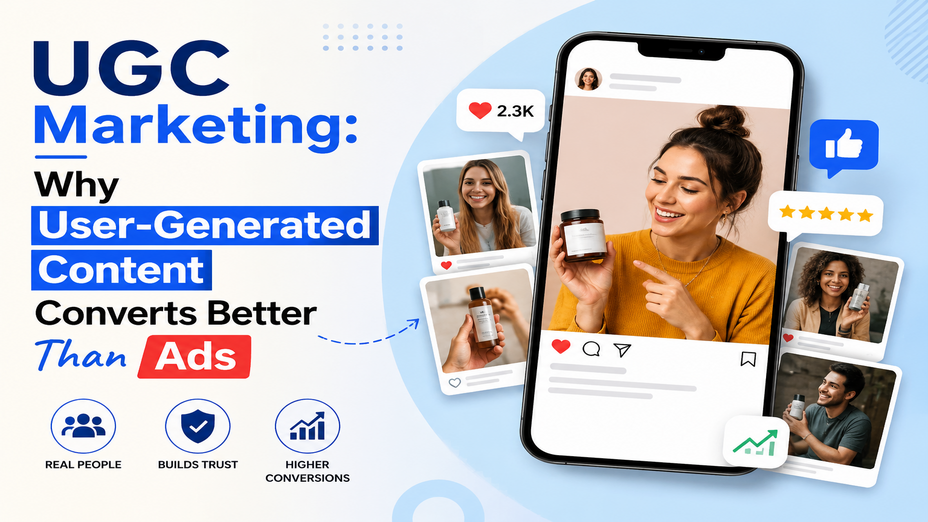
In today’s digital landscape, attention is the most valuable currency. Brands compete not only with each other, but also with endless streams of entertainment, social media content, and algorithm-driven feeds. In this environment, traditional high-budget commercials are no longer guaranteed to win attention—or trust. Instead, a quieter but far more powerful force has emerged: UGC videos, or user-generated content. These are videos created by real consumers rather than professional production teams. They may look simple, unpolished, and spontaneous—but that is exactly why they work. Across platforms like TikTok, Instagram Reels, YouTube Shorts, and Facebook feeds, UGC-style ads consistently outperform polished brand commercials in engagement, conversion, and trust. The question is no longer whether UGC works—it’s why it works so well. This article explores the psychology, economics, and platform dynamics behind UGC video performance, and why consumer-generated content has become one of the most effective forms of modern advertising. What Exactly Is UGC Video Content? UGC (user-generated content) refers to any video content created by everyday users rather than professional studios or brand production teams. In advertising, UGC typically includes: Product reviews filmed on smartphones “Day in the life” usage clips Unboxings and first impressions Before-and-after transformations Casual testimonials Social media “talking to camera” clips Authentic product demonstrations Even when brands pay creators, the content still mimics a “real user experience” rather than a scripted commercial. The defining feature is not who pays for it—but how it feels. UGC is designed to feel: Natural Relatable Imperfect Honest Personal Why Traditional Commercials Are Losing Their Edge High-production commercials still have value, especially for brand storytelling and premium positioning. However, their effectiveness in direct-response advertising has declined for several reasons. 1. Overproduction reduces […]

July 6, 2026
1 2 3 4 51
DropSure is Your Best Partner
22 Years Experience
Affiliate Rebates
100% Quality Guarantee
Top-Up Rewards
10+ Global Warehouses
Custom Branding Support
Smart inventory System
24/7 Customer Support
Get a Quote in 24 Hours
Start Sourcing for Free