En
En
 14 min read
In today’s fast-moving digital world, attention has become one of the most valuable resources. Every day, consumers scroll through countless advertisements, social media posts, videos, and promotional messages. Most content receives only a few seconds of attention before users decide whether to stop or continue scrolling.
For businesses and marketers, this creates a major challenge:
How do you create advertising content that makes people pause, pay attention, and take action?
A low click-through rate is often a sign that an advertisement is not connecting with its audience effectively. It does not always mean the product is wrong or the offer is unattractive. Sometimes, the problem is the way the message is presented.
A successful advertisement needs more than beautiful images or clever wording. It needs to capture attention quickly, communicate value clearly, and create an emotional reason for users to respond.
The best-performing ad creatives usually share several characteristics:
- They immediately attract attention
- They understand the audience’s needs
- They create curiosity
- They communicate benefits instead of only features
- They encourage action without feeling forced
This article explores five creative advertising concepts that can help transform ordinary ads into content people cannot easily ignore.
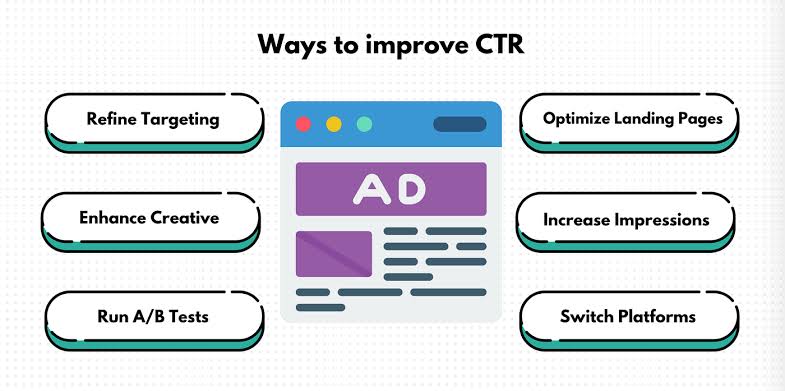
Why Do Some Ads Get Clicks While Others Get Ignored?
Before exploring creative ideas, it is important to understand why many advertisements fail.
A low click-through rate often comes from one or more of the following problems.
1. The Ad Does Not Capture Attention Quickly Enough
People make fast decisions online.
When users scroll through social media feeds or browse websites, they are not actively searching for advertisements. They are looking for information, entertainment, inspiration, or solutions.
Your advertisement must interrupt their existing behavior.
If the first visual or headline does not create interest immediately, users will move on.
A strong opening moment might include:
- A surprising image
- A powerful question
- A relatable problem
- A unique product demonstration
- A visually unusual element
The first impression determines whether someone continues watching.
2. The Message Focuses on Features Instead of Benefits
Many businesses describe what their product has instead of explaining why customers should care.
For example:
Weak message:
“Our outdoor cover uses 600D polyester fabric.”
Better message:
“Protect your patio furniture from rain, dust, and harsh sunlight all year long.”
The first statement describes a feature.
The second statement connects with a customer’s real concern.
People usually do not buy products because of technical details alone. They buy solutions, improvements, convenience, confidence, and better experiences.
3. The Advertisement Does Not Create Emotional Connection
People make decisions based on both logic and emotion.
A product may solve a practical problem, but the decision to click often comes from an emotional trigger.
Examples:
A homeowner may not simply want a storage cover.
They may want:
- A cleaner outdoor space
- Less maintenance work
- Protection for an expensive investment
- More time to enjoy their home
A strong advertisement understands the deeper motivation behind the purchase.
4. The Creative Looks Too Similar to Everything Else
Consumers see thousands of marketing messages.
If your advertisement looks exactly like every competitor’s content, it becomes invisible.
Creative differentiation can come from:
- Unique storytelling
- Different visual angles
- Unexpected comparisons
- Strong personalities
- Original demonstrations
The goal is not to be different just for the sake of being different.
The goal is to become memorable.
Creative Concept #1: The Problem-First Story — Show the Pain Before the Solution
One of the most effective advertising approaches is starting with the customer’s problem.
Instead of immediately showing your product, show the situation your product solves.
This approach works because people naturally pay attention to problems that relate to their own experiences.
Why Problem-Based Ads Work
Human attention is strongly influenced by problems and changes.
When people see a situation they recognize, they automatically think:
“That happens to me.”
This creates personal connection.
For example:
Instead of starting an advertisement with:
“Introducing our new waterproof furniture cover.”
Start with:
“Your outdoor furniture survived the summer—but can it survive the next storm?”
The second message creates curiosity and encourages viewers to continue.
How to Build a Problem-First Advertisement
A strong problem-first ad usually follows this structure:
Step 1: Show the Frustration
Present the challenge clearly.
Examples:
- Rain damaging outdoor furniture
- A messy workspace
- A product that breaks too quickly
- A daily inconvenience
The audience should immediately recognize the situation.
Step 2: Increase the Emotional Impact
Explain why the problem matters.
For example:
“Replacing damaged furniture every year costs more than protecting it properly.”
This connects the problem to consequences.
Step 3: Introduce the Solution Naturally
After creating awareness, present the product as the answer.
The transition should feel logical:
Problem → Frustration → Solution → Benefit
Example Concept
Product:
Outdoor furniture protection cover
Visual:
A beautiful patio after a heavy rainstorm. Water has collected on uncovered cushions.
Text:
“Your outdoor space deserves protection.”
Then show:
A durable cover protecting furniture through changing weather.
Message:
“Keep your patio ready for every season.”
The focus is not the cover itself.
The focus is protecting something valuable.
Creative Concept #2: The Before-and-After Transformation
Transformation-based advertising is powerful because people naturally enjoy seeing change.
Before-and-after storytelling creates a simple visual journey:
Before:
A problem exists.
After:
A better situation appears.
This format is effective because the improvement is immediately understandable.
Why Transformation Ads Attract Attention
A transformation creates curiosity.
People want to know:
- What happened?
- How did the change occur?
- Can this work for me?
This encourages viewers to continue watching.
Types of Before-and-After Advertising
Transformation does not always need to show dramatic physical changes.
It can show improvements in:
Appearance
Example:
A messy outdoor area becomes clean and organized.
Experience
Example:
A frustrating daily task becomes simple.
Time
Example:
A 30-minute process becomes a 5-minute solution.
Protection
Example:
A vulnerable product becomes safely protected.
The Key to Effective Transformation Ads
The mistake many advertisers make is focusing only on the final result.
The audience needs to understand the journey.
A strong transformation ad shows:
- The original challenge
- The moment of change
- The improved outcome
The story creates value.
Creative Concept #3: Curiosity-Driven Ads — Create a Reason to Stop Scrolling
Curiosity is one of the strongest forces behind human attention.
When people encounter something incomplete, unusual, or unexpected, their brains naturally want to discover the answer.
This psychological effect makes curiosity-driven advertising extremely effective.
Instead of immediately explaining everything, these ads create a small information gap that encourages users to continue watching or click for more details.
Why Curiosity Works in Advertising
People are naturally drawn to questions.
Consider the difference between these two headlines:
Traditional approach:
“High-quality outdoor storage solution.”
Curiosity approach:
“Why do some outdoor products last for years while others fail after one season?”
The second version creates a question.
The audience wants to know the answer.
A strong curiosity-based advertisement does not hide important information. Instead, it creates interest before revealing the solution.
Types of Curiosity Triggers
There are many ways to create curiosity in advertising.
1. Unexpected Facts
People pay attention when they discover something surprising.
Examples:
“Most patio damage happens when furniture is not being used.”
“Your expensive equipment may be exposed to hidden risks every night.”
Unexpected information creates awareness.
2. Challenging Common Beliefs
A powerful advertisement can question assumptions.
Examples:
“Is waterproof always better?”
“Why do some protective covers fail even when they look strong?”
These questions encourage people to reconsider what they already believe.
3. Hidden Problems
Many successful advertisements reveal problems customers did not realize existed.
For example:
A customer may think:
“My furniture only needs protection from rain.”
A creative advertisement could reveal:
“Sunlight, dust, moisture, and temperature changes can slowly damage outdoor materials.”
The advertisement creates awareness before introducing the solution.
How to Create Curiosity Without Misleading People
Curiosity should create interest, not confusion.
Avoid:
- Fake promises
- Exaggerated claims
- Clickbait headlines with no value
A good curiosity-based advertisement should always deliver the answer it suggests.
The goal is:
Create a question → provide meaningful information → offer a solution.
Example Concept
Product:
UV-resistant outdoor cover
Opening visual:
A faded outdoor chair cushion next to a protected one.
Headline:
“The damage you don’t notice until it’s too late.”
Follow-up:
“Sun exposure can slowly weaken outdoor materials. Learn how the right protection helps extend product life.”
The advertisement creates curiosity while providing useful information.
Creative Concept #4: Human Storytelling — Let Customers See Themselves
Facts explain.
Stories connect.
One of the strongest ways to improve advertising performance is using human-centered storytelling.
People remember experiences and emotions more easily than product descriptions.
Why Stories Improve Engagement
A product alone is an object.
A story gives the product meaning.
Compare:
“Durable waterproof storage cover.”
Versus:
“After replacing outdoor furniture twice because of weather damage, Sarah decided to invest in a better protection solution.”
The second version creates a person, a problem, and a reason to care.
The Structure of a Strong Customer Story
Many effective advertising stories follow a simple pattern.
The Character
Introduce someone the audience can relate to.
Examples:
- A busy homeowner
- A small business owner
- A parent
- A professional
- An outdoor enthusiast
The Challenge
Show the problem they face.
Examples:
- Lack of time
- Unexpected expenses
- Maintenance difficulties
- Safety concerns
The Discovery
Introduce the solution.
The product should appear naturally as part of the story.
The Result
Show the improvement.
Examples:
- Less stress
- More convenience
- Better protection
- More confidence
Example Story Concept
Product:
Smart outdoor lighting system
Story:
“Mark used to worry about walking through his backyard after dark. Installing motion-activated lights gave him better visibility without needing to search for switches.”
The product is not the hero.
The improved experience is the hero.
Using Real People in Advertising
Authentic customer experiences often perform better than overly polished advertisements.
Modern audiences are increasingly sensitive to unrealistic marketing.
Realistic content can include:
- Customer testimonials
- User-generated videos
- Behind-the-scenes demonstrations
- Personal experiences
Authenticity creates trust.
Creative Concept #5: Product Demonstration Ads — Show, Don’t Just Tell
One of the biggest advertising mistakes is simply describing what a product can do.
A stronger approach is demonstrating it.
People trust visible evidence.
A demonstration allows customers to see the value directly.
Why Demonstration Ads Are Powerful
A product claim creates a question:
“Is this really true?”
A demonstration provides an answer.
For example:
Claim:
“This cover protects against harsh weather.”
Demonstration:
Show rain falling on the cover while water rolls away from the surface.
The visual proof creates confidence.
Types of Effective Product Demonstrations
1. Stress Testing
Show how the product performs under challenging conditions.
Examples:
- Water resistance tests
- Strength demonstrations
- Temperature testing
- Durability comparisons
2. Step-by-Step Usage
Show customers how easy the product is to use.
This reduces purchase hesitation.
Examples:
- Installation process
- Setup demonstration
- Storage instructions
3. Comparison Demonstrations
Comparisons help customers understand differences.
Examples:
“Basic material vs reinforced material.”
“Traditional solution vs improved solution.”
The comparison should educate rather than attack competitors.
Example Demonstration Concept
Product:
Protective equipment cover
Video:
Scene 1:
Dust and rain exposure over time.
Scene 2:
Covered equipment remains clean and protected.
Scene 3:
Easy removal and storage.
Message:
“Protection that works while you focus on what matters.”
Combining Multiple Creative Concepts
The strongest advertisements often combine several approaches.
For example:
A single video ad can include:
Problem First
“Your outdoor furniture faces damage every season.”
↓
Curiosity
“But the biggest threat may not be what you think.”
↓
Story
“A homeowner discovered a simple way to reduce maintenance.”
↓
Demonstration
Show the product protecting furniture.
↓
Call to Action
“Find the right protection solution today.”
Combining creative methods creates a stronger emotional and logical journey.
How to Improve Your Advertising Performance
Creating better concepts is only the first step.
Continuous improvement is essential.
Test Different Visual Approaches
Small creative changes can create major differences.
Test variations such as:
- Different opening images
- Different headlines
- Different video lengths
- Different customer messages
The best-performing version may not be the one you expect.
Focus on the First Few Seconds
For video advertising, the opening moment is critical.
Avoid starting with:
- Company introductions
- Long explanations
- Generic product shots
Instead, start with:
- A problem
- A surprising moment
- A strong visual
- A direct customer benefit
Make the Value Clear Quickly
Users should understand:
- What is being offered
- Who it helps
- Why it matters
A creative advertisement can be interesting, but it must also communicate value.
Avoid Common Advertising Creative Mistakes
Mistake 1: Too Much Information
Trying to explain everything often weakens the message.
Focus on one main idea.
A clear message is usually more memorable.
Mistake 2: Ignoring Mobile Viewing Behavior
Many people view advertisements on smartphones.
Consider:
- Small screens
- Short attention spans
- Fast scrolling behavior
Visual clarity matters.
Mistake 3: Making the Product the Only Focus
Customers care about how products improve their lives.
Always connect the product to a meaningful benefit.
Mistake 4: Using Generic Stock Images
Overly common visuals may feel disconnected.
Original images, demonstrations, and authentic stories often create stronger engagement.
Final Thoughts: Great Ads Win Attention Before They Ask for Action
A low click-through rate is not always a sign that your product lacks value. Often, it means your advertising message has not yet found the right way to connect with your audience.
The most effective advertisements do not simply promote products.
They tell stories.
They reveal problems.
They create curiosity.
They demonstrate value.
They help customers imagine a better experience.
The five creative approaches discussed in this article can help transform ordinary advertisements into content that captures attention:
- Problem-first storytelling
- Before-and-after transformation
- Curiosity-driven concepts
- Human-centered stories
- Product demonstrations
The key is understanding your audience and creating content that feels relevant, useful, and memorable.
In a world where everyone is competing for attention, the advertisements that succeed are the ones that make people stop, think, and feel connected.