














 En

 39 min read
For a new brand, getting noticed in a crowded digital marketplace is one of the biggest challenges. You may have an excellent product, an attractive online store, and a clear business vision, but attracting the right customers is not always easy. Consumers are exposed to countless advertisements every day, and traditional promotional messages are increasingly competing with recommendations from creators, online communities, and trusted social media personalities.
This is where influencer marketing becomes valuable.
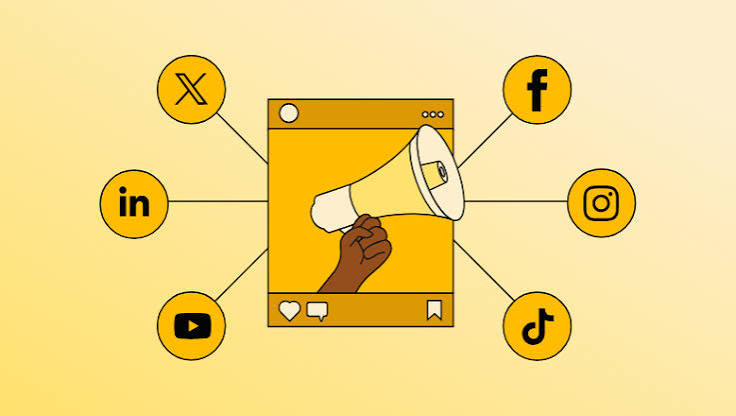
By collaborating with content creators who have established relationships with their audiences, new brands can introduce products, build credibility, generate traffic, and encourage potential customers to make purchases. Platforms such as Instagram, TikTok, YouTube, and Pinterest offer different opportunities for brands to connect with consumers through authentic, engaging content.
However, influencer marketing is not simply a matter of paying someone with a large following to promote a product.
For first-time advertisers, one of the biggest challenges is determining how much money to invest and how to know whether that investment is actually producing results. A campaign may generate thousands of views but very few purchases. Another collaboration may attract a smaller audience but deliver a much higher conversion rate.
Without a clear budget and measurement framework, it is easy to spend too much on exposure that does not translate into business growth.
The good news is that influencer marketing does not require an enormous budget to get started. With careful planning, realistic financial expectations, appropriate creator selection, and reliable conversion tracking, even a new brand can build an effective influencer marketing strategy.
This guide explains how to create your first influencer marketing budget, choose the right creators, calculate campaign costs, track conversions, measure return on investment, and improve future collaborations.
1. Why Influencer Marketing Is Worth Considering for New Brands
Before deciding how much to spend, it is important to understand what influencer marketing can accomplish.
For new businesses, the biggest obstacle is often a lack of brand recognition. Established companies may already have loyal customers, recognizable products, and substantial advertising budgets. New brands must work harder to earn consumer attention and trust.
Influencer collaborations can help shorten this process.
1.1 Build Brand Awareness Through Established Communities
Influencers have already invested time in building communities around particular interests, lifestyles, and product categories.
A beauty creator may have an audience interested in skincare routines, while a home improvement influencer may attract people looking for practical home products.
When a creator introduces your brand, you gain access to an audience that may already be interested in your product category.
This can be particularly valuable for new brands that have not yet developed a substantial organic following.
Instead of building an audience entirely from scratch, you can introduce your products to relevant communities through established content creators.
1.2 Build Consumer Trust Through Authentic Recommendations
Consumers do not always respond positively to traditional advertisements.
Influencer content can feel more relatable because creators often demonstrate products in everyday situations, share personal experiences, and answer audience questions.
For example, a new home decor brand could collaborate with an interior design creator who shows how a particular product fits into a real living space.
Rather than simply displaying a product image and listing its features, the creator demonstrates its practical value.
This type of content helps potential customers understand how a product might fit into their own lives.
However, authenticity matters. Paid partnerships should be disclosed clearly, and creators should never be encouraged to make misleading claims or pretend to have experiences they have not had.
1.3 Generate Qualified Traffic and Potential Sales
Brand awareness is important, but new businesses also need customers.
Influencer campaigns can encourage viewers to visit an online store through:
- Product links.
- Unique discount codes.
- Affiliate links.
- Shopping features.
- Product demonstrations.
- Limited-time promotional offers.
- Direct recommendations.
The most valuable traffic is not necessarily the largest amount of traffic. It is traffic from people who have a genuine interest in the product and a reasonable likelihood of purchasing.
This distinction should influence every decision you make when planning your first campaign.
2. Define Your Marketing Goals Before Setting a Budget
One of the most common mistakes new brands make is deciding how much to spend before defining what they want to achieve.
A budget should support a business objective, not exist simply because influencer marketing is popular.
Start by identifying the primary purpose of your campaign.
2.1 Brand Awareness
If your brand is completely new, your first campaign may focus on introducing your products to potential customers.
Relevant performance indicators include:
- Reach.
- Impressions.
- Video views.
- Audience growth.
- Brand mentions.
- Engagement.
- Branded search activity.
For an awareness campaign, it may be reasonable to prioritize creators with strong audience relevance and content distribution capabilities rather than focusing exclusively on immediate sales.
However, awareness should still have a measurable purpose.
For example, your objective might be to introduce a new product to 50,000 relevant consumers within a particular period.
2.2 Website Traffic
If your brand already has a functioning online store but receives limited traffic, your campaign may focus on bringing qualified visitors to your website.
Useful metrics include:
- Link clicks.
- Unique website visitors.
- Landing page sessions.
- Click-through rate.
- Product page views.
- Add-to-cart activity.
Traffic quality matters.
A creator who sends 500 visitors interested in your product may deliver more value than someone who sends 5,000 visitors with little purchase intent.
2.3 Sales and Conversions
If your main objective is revenue generation, your campaign should be designed around measurable purchasing behavior.
Important metrics include:
- Purchases.
- Conversion rate.
- Cost per acquisition.
- Revenue generated.
- Average order value.
- Customer acquisition cost.
- Return on ad spend, when applicable.
For a new ecommerce brand, purchases should be a central measurement when evaluating whether an influencer collaboration is commercially successful.
Do not assume that a large number of likes or comments automatically indicates strong sales performance.
2.4 Long-Term Brand Development
Some influencer collaborations produce value beyond the initial campaign.
A creator may generate high-quality content that can later be reused in advertisements, product pages, email campaigns, and social media posts, provided the brand has obtained the necessary usage rights.
Long-term objectives may include:
- Building a recognizable brand identity.
- Establishing relationships with creators.
- Developing a library of user-generated content.
- Encouraging repeat purchases.
- Building an engaged customer community.
These objectives may require a longer evaluation period than a short-term sales campaign.
3. How Much Should a New Brand Spend on Influencer Marketing?
There is no universal influencer marketing budget.
The appropriate amount depends on your business model, product price, profit margins, cash flow, target market, and campaign objectives.
A new business should avoid spending a large amount simply to work with a famous influencer.
Instead, begin with a controlled test budget that allows you to collect useful performance data without putting unnecessary pressure on the business.
3.1 Start With a Test Budget
For many small ecommerce brands, an initial influencer testing budget of approximately $500 to $3,000 can provide a practical starting point.
This is an illustrative planning range, not an industry requirement.
The actual amount should reflect your available marketing resources and the cost of creators in your product category.
A smaller brand might begin with several product-seeding collaborations, while a business with more available capital may test a combination of paid micro-influencers and affiliate partnerships.
The goal of the first campaign is not necessarily to maximize immediate revenue.
It is to discover:
- Which creator types attract your target customers.
- Which platforms generate qualified traffic.
- Which content formats encourage purchases.
- How much it costs to acquire a customer.
- Whether the collaboration can produce profitable results.
3.2 Allocate Your Budget Across Different Expenses
Do not allocate your entire budget to creator fees.
Influencer marketing involves several expenses, and overlooking them can make a campaign appear more profitable than it actually is.
A practical test-budget allocation might look like this:
| Expense | Suggested Allocation |
|---|---|
| Creator compensation | 45% |
| Product samples and shipping | 15% |
| Content usage and licensing | 10% |
| Affiliate commissions and incentives | 10% |
| Tracking and campaign tools | 5% |
| Testing and contingency | 15% |
These percentages are flexible planning guidelines. They should be adjusted according to the campaign structure.
For example, a product-seeding campaign may spend less on creator compensation but more on product samples and shipping.
A campaign involving paid advertising and creator content licensing may require a larger allocation for usage rights.
3.3 Protect Your Operating Cash Flow
New brands should never confuse available cash with money that can safely be spent on marketing.
Before approving an influencer budget, account for:
- Product manufacturing costs.
- Inventory replenishment.
- Shipping and fulfillment.
- Payment processing fees.
- Customer service expenses.
- Returns and refunds.
- Platform subscriptions.
- Other ongoing business expenses.
A campaign that generates sales but creates inventory or cash-flow problems may not be sustainable.
Start with an amount your business can afford to test and potentially lose without threatening essential operations.
4. Understand Different Influencer Pricing Models
Influencer compensation can vary significantly depending on the creator’s audience, platform, content quality, engagement, niche, and commercial experience.
New brands should understand the available payment structures before negotiating.
4.1 Product Seeding
Product seeding involves sending products to creators without requiring a guaranteed promotional post.
The creator receives the product and may decide whether to feature it.
This approach can be useful when:
- Your budget is limited.
- Your product is visually appealing.
- Your product has a reasonable retail value.
- You want to introduce your brand to relevant creators.
- You are building initial creator relationships.
However, product seeding does not guarantee content creation.
Do not assume that sending a free product automatically entitles your brand to a review, post, or usage rights.
If you need guaranteed deliverables, establish a clear agreement and offer appropriate compensation.
4.2 Flat-Fee Collaborations
A flat fee is a fixed payment for agreed deliverables.
For example, a creator may receive a negotiated fee for producing:
- One short-form video.
- One Instagram Reel.
- Three Instagram Stories.
- One YouTube integration.
- A combination of content formats.
This model makes campaign costs easier to predict.
However, brands should clearly define what is included in the price.
Does the fee cover one revision? Can the content be reposted? Can the brand use it in paid advertisements? How long can the content remain published?
These details should be agreed upon before production begins.
4.3 Affiliate or Commission-Based Partnerships
Affiliate marketing allows creators to earn a commission from qualifying sales generated through their unique links or discount codes.
For example, a creator may receive 10% of eligible sales attributed to their affiliate link.
This model can reduce upfront financial risk because compensation is tied to actual performance.
However, commission-only partnerships may be less attractive to established creators who require guaranteed payment for their production work.
A hybrid structure can sometimes work better.
For example:
- A modest fixed production fee.
- A commission on qualifying purchases.
- A performance bonus after reaching a sales target.
This arrangement gives creators compensation for their effort while encouraging measurable results.
4.4 Performance-Based Bonuses
Performance bonuses can reward creators who generate strong results.
For example, a brand might offer an additional payment when a collaboration reaches a specific number of verified purchases.
The target should be realistic and based on product economics.
Avoid setting bonuses according to impressions alone if your primary objective is revenue.
4.5 Understand the Difference Between Creator Fees and Total Campaign Costs
The creator’s quoted price is not necessarily the full cost of a collaboration.
A realistic campaign cost should include:
Total Campaign Cost = Creator Fees + Product Costs + Shipping + Licensing + Production Expenses + Affiliate Commissions + Other Campaign Expenses
For example:
- Creator fee: $400.
- Product and packaging cost: $45.
- Shipping: $15.
- Content licensing: $100.
- Affiliate commission: $80.
Total campaign cost: $640.
Using only the $400 creator fee when calculating campaign profitability would produce an inaccurate result.
5. Choose the Right Influencers Instead of Chasing Follower Counts
Creator selection is one of the most important decisions in your first influencer marketing campaign.
A creator with 500,000 followers may appear more attractive than someone with 8,000 followers.
However, follower count alone does not determine commercial value.
Audience relevance, engagement quality, content performance, and purchasing intent often matter more.
5.1 Understand Different Influencer Categories
Creators are commonly grouped according to audience size.
| Influencer Type | Approximate Followers | Typical Strength |
|---|---|---|
| Nano-influencer | 1,000–10,000 | Niche communities and personal relationships |
| Micro-influencer | 10,000–100,000 | Focused audiences and specialized content |
| Mid-tier influencer | 100,000–500,000 | Broader exposure and established content production |
| Macro-influencer | 500,000–1 million | Large-scale reach |
| Mega-influencer | 1 million+ | Extensive exposure and public recognition |
These ranges are commonly used planning categories rather than universal definitions.
For a new ecommerce brand, nano- and micro-influencers are often worth testing because they may offer more targeted audience access and lower entry costs.
However, smaller creators are not automatically cheaper or more profitable.
A highly specialized creator with strong demand may charge premium rates.
5.2 Evaluate Audience Relevance
Before contacting a creator, ask whether their audience matches your ideal customer.
Consider:
- Age distribution.
- Geographic location.
- Language.
- Interests.
- Purchasing power.
- Lifestyle.
- Product preferences.
For example, a premium skincare brand targeting American consumers may not benefit much from collaborating with a creator whose audience is primarily located in regions where the brand cannot ship.
Audience location is particularly important for ecommerce businesses.
5.3 Analyze Engagement Quality
Look beyond the number of likes.
Read comments and examine whether followers are genuinely interacting with the creator’s content.
Useful indicators include:
- Relevant questions.
- Product recommendations.
- Meaningful conversations.
- Repeat engagement from followers.
- Genuine discussion of product experiences.
Be cautious of suspicious engagement patterns, repetitive comments, artificial-looking follower growth, and unusually high engagement without meaningful audience interaction.
5.4 Review Previous Sponsored Content
Check the creator’s previous brand partnerships.
Consider:
- How naturally sponsored products are introduced.
- Whether the creator demonstrates products effectively.
- Whether their content is consistent.
- How their audience responds to commercial posts.
- Whether they frequently promote competing products.
A creator who produces thoughtful product demonstrations may be more valuable than one who only publishes promotional images.
5.5 Check Content Quality and Brand Compatibility
Your chosen creator should be able to communicate your product’s value clearly.
Look at:
- Video quality.
- Photography.
- Storytelling ability.
- Editing style.
- Presentation skills.
- Brand safety.
- Consistency.
A creator does not need an expensive studio to produce effective content.
Authenticity, clarity, and relevance can be more important than highly polished production.
6. Select the Best Platform for Your First Influencer Campaign
Different social media platforms support different types of content and consumer behavior.
Your first platform should be selected according to your product, target audience, and marketing objective.
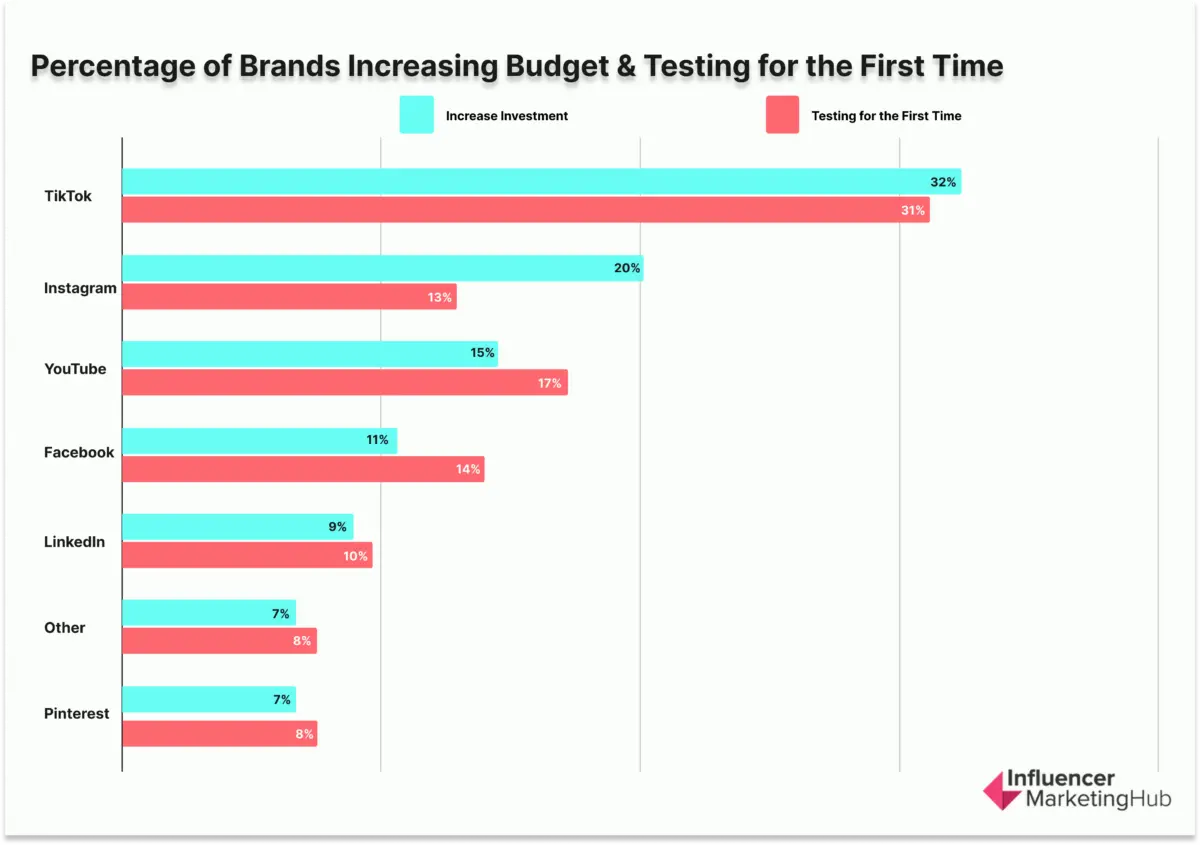
6.1 TikTok: Product Discovery and Short-Form Video
TikTok is particularly useful for products that can be demonstrated visually or explained through short videos.
Potential advantages include:
- Product discovery.
- Demonstration-based content.
- Trend participation.
- Creator storytelling.
- Community interaction.
- Short-form video distribution.
A skincare brand, kitchen gadget company, or home organization business may find opportunities through creators who demonstrate products in practical situations.
However, viral views do not guarantee purchases.
Track website visits, product engagement, and actual sales instead of relying exclusively on video performance.
6.2 Instagram: Visual Branding and Shopping Inspiration
Instagram offers several formats for influencer collaborations:
- Reels.
- Stories.
- Feed posts.
- Carousels.
- Live content.
- Creator partnerships.
It can be particularly suitable for fashion, beauty, lifestyle, home decor, accessories, and visually appealing consumer products.
Instagram Stories can be useful for direct calls to action, while Reels can help introduce products to broader audiences.
6.3 YouTube: Detailed Product Reviews and Demonstrations
YouTube is valuable when consumers need more information before purchasing.
For products with technical features, installation requirements, or multiple use cases, detailed demonstrations can help customers understand the benefits.
Examples include:
- Electronics.
- Fitness equipment.
- Home improvement products.
- Aquarium equipment.
- Beauty devices.
- Specialized accessories.
Long-form content may also continue attracting viewers after the initial publication date.
6.4 Pinterest: Inspiration and Product Research
Pinterest can be relevant for businesses whose products fit into planning, inspiration, and lifestyle discovery.
Examples include:
- Home decor.
- Furniture.
- Fashion.
- Wedding products.
- DIY supplies.
- Gardening products.
- Seasonal gifts.
Creators can introduce products through visual inspiration and useful recommendations.
For brands in visually driven categories, Pinterest may complement Instagram and TikTok rather than replace them.
6.5 Start With One or Two Platforms
New brands should avoid spreading a small budget across too many channels.
A better strategy is to identify one primary platform and, if resources allow, one secondary platform.
Test a manageable number of creators, compare their performance, and expand only when you have enough data to justify additional investment.
7. How to Create a First Influencer Marketing Campaign Step by Step
A structured campaign makes it easier to manage creators, control expenses, and evaluate performance.
Step 1: Define Your Ideal Customer
Start by describing the people most likely to purchase your product.
For example:
A new home organization brand might target:
- Adults aged 25–45.
- Homeowners and renters.
- People interested in home organization.
- Consumers who follow interior design creators.
- Shoppers looking for practical household products.
The more clearly you understand your ideal customer, the easier it becomes to identify suitable creators.
Step 2: Select a Specific Product
Instead of promoting your entire product catalog, begin with one product or a small group of related products.
Choose products that:
- Solve a clear problem.
- Have attractive demonstrations.
- Offer competitive value.
- Have sufficient inventory.
- Generate reasonable profit margins.
- Can be shipped reliably.
A focused product campaign is easier to track and optimize.
Step 3: Establish a Campaign Objective
Write down exactly what you want to achieve.
For example:
“Generate 100 purchases from influencer collaborations within 30 days while maintaining an acceptable customer acquisition cost.”
This objective is more useful than simply saying that you want more exposure.
Step 4: Research and Shortlist Creators
Create a list of potential creators who match your audience and product category.
Evaluate each candidate according to:
- Audience relevance.
- Geographic distribution.
- Engagement quality.
- Content quality.
- Previous partnerships.
- Pricing.
- Estimated reach.
- Potential conversion value.
Step 5: Contact Creators Professionally
Your outreach message should be concise and personalized.
Explain:
- Who your brand is.
- Why you selected the creator.
- Which product you want to introduce.
- What collaboration you have in mind.
- What compensation or affiliate arrangement you can offer.
Avoid sending generic mass messages that make creators feel like they are receiving automated advertising requests.
Step 6: Agree on Deliverables and Expectations
Before paying a creator, establish the campaign details in writing.
Include:
- Content format.
- Number of deliverables.
- Publication schedule.
- Required product information.
- Disclosure requirements.
- Payment terms.
- Tracking links.
- Revision expectations.
- Content usage rights.
- Exclusivity terms, if applicable.
Clear agreements reduce misunderstandings and protect both parties.
Step 7: Launch and Monitor the Campaign
Once the content is published, monitor its performance.
Do not wait until the campaign ends to discover that the tracking link is broken or the landing page is not working.
Check traffic, clicks, website activity, and conversions throughout the campaign.
Step 8: Review Results and Identify Improvements
After the campaign, compare the results with your original objectives.
Determine which creators generated the most valuable traffic, which content formats encouraged purchases, and which costs were justified.
Use these findings to plan your next collaboration.
8. How to Track Influencer Marketing Conversions Accurately
Conversion tracking is essential if your goal is to generate measurable business growth.
Without reliable tracking, you may know that an influencer received thousands of views, but you will not know how many customers actually purchased because of the collaboration.
A combination of tracking methods is usually more reliable than relying on a single attribution method.
8.1 Use Unique Discount Codes
Give each creator a unique discount code.
For example:
- CREATOR10.
- HOMEWITHALEX.
- STYLE15.
When customers use the code during checkout, your store can associate the purchase with that creator.
Advantages include:
- Easy implementation.
- Simple reporting.
- Clear creator identification.
- An additional purchasing incentive.
- Useful information about customer behavior.
However, discount codes are not perfect attribution tools.
Some customers may forget to use the code, while others may share it with friends.
Therefore, combine discount-code reporting with other tracking methods.
8.2 Create Unique UTM Tracking Links
UTM parameters allow you to identify traffic sources and campaign details in analytics platforms.
A sample tracking link might look like this:
https://www.yourstore.com/products/example
?utm_source=instagram
&utm_medium=influencer
&utm_campaign=summer_launch
&utm_content=creator_alex
Each creator should receive a unique link.
This allows you to examine:
- Sessions.
- Landing page visits.
- Product page activity.
- Add-to-cart events.
- Checkout activity.
- Purchases.
- Revenue attributed to the tracked campaign.
Make sure your analytics setup is configured correctly before launching.
8.3 Integrate Tracking With Your Ecommerce Platform
If your business operates on Shopify, use its available reporting and analytics features alongside your advertising and web analytics tools.
Important information to monitor includes:
- Total orders.
- Product sales.
- Discount-code usage.
- Customer acquisition sources.
- Average order value.
- Refunds.
- Conversion rate.
For more detailed measurement, integrate appropriate analytics tools and verify that purchase events are recorded accurately.
8.4 Use Affiliate Tracking
Affiliate platforms can provide creator-specific links and commission reporting.
Depending on the system, you may be able to monitor:
- Clicks.
- Orders.
- Sales revenue.
- Commission amounts.
- Refund adjustments.
- Conversion rates.
Affiliate tracking is particularly useful when working with multiple creators over a longer period.
8.5 Understand Attribution Limitations
Not every customer purchases immediately after seeing influencer content.
A potential buyer might:
- Watch a creator’s TikTok video.
- Search for the brand later.
- Visit the website through Google.
- Return several days later.
- Purchase without using the influencer’s discount code.
A last-click attribution model may assign the purchase to organic search or another channel.
This does not necessarily mean the influencer had no influence.
To understand campaign impact more accurately, compare multiple attribution signals, examine customer surveys where appropriate, and monitor changes in branded search and direct traffic.
Avoid counting the same purchase multiple times across different tracking systems.
9. The Most Important Influencer Marketing Metrics for New Brands
New advertisers can easily become overwhelmed by performance reports.
The solution is to prioritize metrics that directly relate to campaign objectives.
9.1 Reach and Impressions
Reach measures the number of unique accounts exposed to content.
Impressions measure how many times the content was displayed.
These metrics are useful for evaluating awareness campaigns.
However, neither metric directly proves that viewers are interested in purchasing.
9.2 Engagement Rate
Engagement rate measures how actively an audience interacts with content.
A simplified formula is:
Engagement Rate = Total Engagements ÷ Reach × 100%
Depending on the platform and reporting method, engagements may include likes, comments, shares, and saves.
For example:
- Reach: 10,000.
- Total engagements: 800.
- Engagement rate: 8%.
Engagement can indicate audience interest, but it should not be treated as a substitute for purchase data.
9.3 Click-Through Rate
Click-through rate measures how often people click a promotional link relative to its impressions.
CTR = Link Clicks ÷ Impressions × 100%
For example:
- Impressions: 20,000.
- Link clicks: 600.
- CTR: 3%.
A higher CTR may indicate that the content and call to action are relevant to the audience.
However, a click does not guarantee a purchase.
9.4 Conversion Rate
Conversion rate measures the percentage of visitors who complete a desired action.
For ecommerce sales campaigns:
Conversion Rate = Purchases ÷ Website Sessions × 100%
For example:
- Influencer-driven sessions: 500.
- Purchases: 20.
- Conversion rate: 4%.
This means that 4% of the tracked sessions resulted in purchases.
Make sure you use a consistent denominator. Unique visitors, sessions, and clicks are not interchangeable.
9.5 Cost Per Acquisition
Cost per acquisition, or CPA, tells you how much it costs to generate a customer or another defined conversion.
For a purchase-focused campaign:
CPA = Total Campaign Cost ÷ Attributed Purchases
Example:
- Total campaign cost: $1,000.
- Attributed purchases: 40.
- CPA: $25.
If your business can profitably acquire customers at $25, the campaign may be commercially attractive.
If your allowable acquisition cost is only $15, the campaign needs improvement.
9.6 Average Order Value
Average order value measures the average revenue generated per order.
AOV = Total Revenue ÷ Number of Orders
Example:
- Total revenue: $3,000.
- Orders: 50.
- AOV: $60.
A higher average order value can improve the economics of an influencer campaign.
For example, creators who demonstrate complementary products may encourage customers to purchase bundles rather than individual items.
9.7 Return on Ad Spend
Return on ad spend, or ROAS, is commonly used to evaluate revenue generated relative to advertising expenditure.
ROAS = Attributed Revenue ÷ Advertising Spend
Example:
- Attributed revenue: $4,000.
- Advertising spend: $1,000.
- ROAS: 4.0x.
This means the campaign generated $4 in attributed revenue for every $1 spent.
However, ROAS is not the same as profit.
It does not automatically account for product costs, fulfillment, payment processing, refunds, or other operating expenses.
For a first-time influencer campaign, calculate both ROAS and actual contribution profit whenever possible.
10. How to Calculate Whether an Influencer Campaign Is Profitable
Revenue alone cannot determine whether an influencer collaboration is financially successful.
New brands should understand their product economics before deciding whether a campaign is worth repeating.
Consider the following example.
A new ecommerce brand sells a product for $80.
The variable costs associated with each order are:
- Product cost: $24.
- Fulfillment and shipping subsidy: $8.
- Payment processing: $3.
- Other variable costs: $5.
The contribution before marketing is:
$80 – $24 – $8 – $3 – $5 = $40.
This means each order contributes $40 toward marketing and other fixed business expenses.
Now imagine an influencer campaign generates 30 purchases.
Total campaign revenue:
30 × $80 = $2,400.
Total contribution before marketing:
30 × $40 = $1,200.
If the campaign costs $900, the remaining contribution is:
$1,200 – $900 = $300.
The campaign produces a positive contribution of $300 before fixed overhead and any other unaccounted expenses.
Now compare that with a campaign that costs $1,500.
Even though it generates the same $2,400 in revenue, the campaign produces:
$1,200 – $1,500 = -$300.
This demonstrates why revenue and ROAS should never be evaluated without considering product margins.
10.1 Calculate Your Break-Even Customer Acquisition Cost
Your break-even acquisition cost is the maximum amount you can spend to acquire a customer before losing money on that order’s contribution.
A simplified formula is:
Break-Even CAC = Revenue Per Order – Variable Costs Per Order
Using the previous example:
$80 – $40 = $40.
The break-even acquisition cost is $40.
However, this simplified calculation assumes that all relevant variable costs have been included and does not account for fixed overhead.
A business should generally aim for an acquisition cost below its break-even level to leave room for profit.
10.2 Calculate Break-Even ROAS
When using a simplified product-margin model:
Break-Even ROAS = 1 ÷ Contribution Margin Before Marketing
If the contribution margin before marketing is 50%:
1 ÷ 0.50 = 2.0x.
The brand needs approximately 2.0x ROAS to cover the included variable costs.
Actual break-even ROAS may be higher when additional expenses are included.
10.3 Consider Repeat Purchases Carefully
Some products generate repeat purchases.
For example:
- Skincare.
- Pet supplies.
- Supplements.
- Household consumables.
- Coffee.
- Personal care products.
A campaign may acquire a customer whose first purchase produces a modest contribution but whose later purchases generate additional value.
Customer lifetime value can therefore be useful when evaluating long-term influencer partnerships.
However, new brands should not assume that every customer will purchase repeatedly.
Use actual repeat-purchase data whenever possible rather than relying on optimistic projections.
11. A Practical Example: A First Influencer Campaign for a New Ecommerce Brand
Let’s imagine a new home decor company launching a collection of decorative lighting products.
The brand has an online store but limited brand recognition.
Its primary objective is to generate purchases from American consumers.
Campaign Goals
- Introduce the new collection.
- Reach relevant home decor audiences.
- Generate qualified website traffic.
- Achieve measurable purchases.
- Identify creators suitable for future partnerships.
Budget
The brand sets aside $2,000 for an initial campaign.
| Expense | Budget |
|---|---|
| Three micro-influencer collaborations | $1,050 |
| Product samples and shipping | $250 |
| Content usage rights | $200 |
| Affiliate commissions | $150 |
| Tracking and contingency | $350 |
| Total | $2,000 |
Creator Selection
The company chooses three creators:
Creator A: A home decor creator with 25,000 followers who regularly publishes room makeover videos.
Creator B: A lifestyle creator with 42,000 followers whose audience is interested in affordable home improvements.
Creator C: An interior design creator with 18,000 followers who produces detailed product demonstrations.
All three creators have audiences relevant to the brand’s products.
Campaign Results
After the campaign, the company records the following illustrative results:
| Metric | Creator A | Creator B | Creator C |
|---|---|---|---|
| Impressions | 18,000 | 25,000 | 12,000 |
| Link clicks | 540 | 500 | 480 |
| Purchases | 18 | 10 | 24 |
| Attributed revenue | $1,440 | $800 | $1,920 |
| Total attributed revenue | $1,440 | $800 | $1,920 |
Total purchases: 52.
Total attributed revenue: $4,160.
Campaign ROAS:
$4,160 ÷ $2,000 = 2.08x.
At first glance, Creator C appears to be the strongest sales performer despite generating the fewest impressions.
This demonstrates why brands should evaluate purchases and revenue rather than judging creators exclusively by audience size.
Creator B generated the most impressions but the fewest purchases.
Creator C generated fewer impressions but attracted visitors who were more likely to buy.
The company should investigate why Creator C performed so well and consider expanding that relationship.
However, it should also compare campaign contribution margins before deciding whether to increase spending.
12. Common Influencer Marketing Budget Mistakes New Brands Should Avoid
Even a well-planned campaign can underperform if the budget is managed incorrectly.
Here are several mistakes worth avoiding.
12.1 Spending Too Much on One Famous Creator
A celebrity or major influencer may offer significant exposure, but their fee can consume most of a new brand’s marketing budget.
This creates substantial financial risk.
Instead of investing the entire budget in one large collaboration, consider testing several smaller creators.
This gives you more opportunities to compare audiences, content formats, and conversion performance.
12.2 Choosing Creators Based Only on Followers
Follower count is easy to see, but it is not a reliable indicator of sales potential.
A creator with a highly relevant audience may generate stronger commercial results than someone with a much larger but less relevant following.
Always evaluate audience quality and content performance.
12.3 Ignoring Product Profit Margins
A campaign can generate impressive revenue while still losing money.
Before negotiating creator fees, calculate your allowable customer acquisition cost.
Understand how much contribution each order generates after variable costs.
12.4 Failing to Track Each Creator Separately
If multiple creators use the same promotional link or discount code, it becomes difficult to identify which collaboration generated which result.
Assign unique tracking links and codes to each creator.
Consistent naming conventions also make reporting easier.
12.5 Forgetting Content Usage Rights
A creator’s fee for publishing content does not automatically mean the brand can use that content in paid advertising.
If you want to reuse creator videos in Meta Ads, TikTok Ads, product pages, or email marketing, negotiate the relevant rights in advance.
Specify the permitted platforms, duration, territories, and whether paid media usage is included.
12.6 Expecting Immediate Sales From Every Collaboration
Some campaigns generate awareness before they generate purchases.
Customers may need several interactions with a brand before making a decision.
However, this does not mean every underperforming campaign should be repeated indefinitely.
Set an evaluation period, establish performance expectations, and use available data to decide whether a creator is worth retaining.
12.7 Ignoring Influencer Fraud and Fake Engagement
Artificial followers and engagement can make a creator appear more influential than they actually are.
Review audience growth patterns, comment quality, and previous sponsored content.
If possible, request recent performance screenshots or platform-generated audience insights.
Do not rely entirely on information provided in a media kit.
13. How to Improve Influencer Marketing Results After the First Campaign
Your first influencer campaign should be treated as a learning opportunity.
Once you have reliable data, the next step is to improve the campaign structure.
13.1 Identify Your Best-Performing Creators
Compare creators according to:
- Purchases.
- Revenue.
- Conversion rate.
- CPA.
- ROAS.
- Contribution profit.
- Content quality.
Do not automatically select the creator with the highest reach.
Prioritize creators who deliver valuable customers at an acceptable cost.
13.2 Test Different Content Formats
The same creator may produce different results with different content formats.
For example:
- A product demonstration may outperform a static photo.
- A before-and-after video may attract more interest.
- A detailed tutorial may generate higher purchase intent.
- A short testimonial may encourage more link clicks.
Test one or two meaningful variations rather than changing everything simultaneously.
13.3 Improve Your Landing Pages
Influencer traffic will not convert effectively if the destination page is confusing.
Make sure your landing page includes:
- Clear product images.
- Compelling product descriptions.
- Transparent pricing.
- Shipping information.
- Return policies.
- Customer reviews, where available.
- Easy navigation.
- A visible purchase button.
- A mobile-friendly layout.
The content and landing page should communicate a consistent message.
If an influencer promotes a specific product benefit, visitors should be able to find that benefit immediately after clicking.
13.4 Use Creator Content Beyond the Original Post
High-quality creator content can become a valuable marketing asset.
With appropriate permissions, you may be able to reuse it in:
- Paid social advertising.
- Product detail pages.
- Email marketing.
- Brand social accounts.
- Retargeting campaigns.
- Promotional landing pages.
This can extend the value of the original collaboration.
Before reusing content, verify the agreement and obtain any additional permissions required for paid advertising or third-party usage.
13.5 Build Long-Term Creator Relationships
One-off collaborations can generate useful results, but long-term partnerships may create stronger brand familiarity.
A creator who genuinely understands your product can produce more informative content over time.
Consider building relationships with creators who:
- Communicate professionally.
- Understand your target audience.
- Produce reliable content.
- Generate qualified traffic.
- Deliver profitable or strategically valuable results.
Long-term partnerships should still be evaluated periodically.
14. Legal and Operational Considerations for Influencer Marketing
New brands should understand that influencer marketing involves more than budgets and sales reports.
Clear agreements and responsible promotional practices are essential.
14.1 Require Proper Advertising Disclosures
Paid partnerships and other material relationships should be disclosed clearly.
In the United States, the Federal Trade Commission provides guidance on endorsements, testimonials, and disclosure of material connections.
Creators should use clear language that consumers can understand.
Examples may include:
- “Ad.”
- “Paid partnership.”
- “Sponsored by [Brand].”
- “I received this product for free from [Brand].”
The appropriate disclosure depends on the relationship and platform.
Do not assume that a platform’s partnership label always replaces the need for clear disclosures under applicable regulations.
14.2 Avoid Misleading Product Claims
Creators should not make unsupported statements about your products.
For example, a skincare brand should not encourage influencers to claim that a product cures a medical condition unless the claim is legally authorized and adequately substantiated.
Similarly, businesses selling home improvement products should avoid exaggerated performance claims.
Provide accurate product information and review sponsored content before publication when appropriate.
14.3 Put Agreements in Writing
A written collaboration agreement should explain:
- Compensation.
- Deliverables.
- Deadlines.
- Payment conditions.
- Disclosure requirements.
- Content ownership.
- Usage rights.
- Exclusivity.
- Cancellation terms.
- Performance incentives.
A clear agreement helps prevent disagreements and makes future campaigns easier to manage.
14.4 Protect Customer and Tracking Data
Use tracking systems responsibly.
Make sure your website analytics, advertising pixels, cookies, and customer data practices comply with applicable privacy laws and platform policies.
Do not collect more personal information than necessary for campaign measurement.
15. A Simple 30-Day Influencer Marketing Plan for First-Time Brands
If you are unsure how to organize your first campaign, a 30-day testing plan can provide a manageable structure.
Days 1–5: Planning and Budget Preparation
During the first five days:
- Define your target audience.
- Select the product to promote.
- Calculate product contribution margins.
- Set a realistic test budget.
- Establish campaign goals.
- Determine your allowable acquisition cost.
At the end of this stage, you should understand what a successful campaign needs to achieve financially.
Days 6–10: Creator Research and Outreach
Research potential creators and shortlist candidates.
Review their audience demographics, content quality, engagement, and previous brand collaborations.
Contact suitable creators with personalized proposals.
Negotiate fees, deliverables, and content usage rights.
Days 11–15: Product Preparation and Tracking Setup
Prepare product samples and shipping arrangements.
Create unique discount codes and UTM links.
Test your analytics setup.
Make sure your landing pages work properly on mobile devices.
Confirm publication dates and content requirements.
Days 16–25: Campaign Launch and Monitoring
Creators publish their agreed content.
Monitor:
- Impressions.
- Reach.
- Engagement.
- Link clicks.
- Website sessions.
- Add-to-cart events.
- Purchases.
- Revenue.
Check that tracking links are working and that customers can complete checkout successfully.
Avoid making major budget decisions based on a few hours of performance data.
Days 26–30: Performance Evaluation
Collect the final available results.
Calculate:
- Total campaign cost.
- Total purchases.
- Attributed revenue.
- Conversion rate.
- CPA.
- ROAS.
- Contribution profit.
Compare the results with your original targets.
Identify the creators and content formats worth testing again.
A 30-day plan is a starting framework, not a guarantee that every creator will generate enough data within that period. Some products and longer purchasing cycles require a longer evaluation window.
16. Frequently Asked Questions About Influencer Marketing Budgets and Conversions
Q1: How Much Should a New Brand Spend on Its First Influencer Campaign?
A new brand might begin with a controlled test budget of $500–$3,000, depending on its financial resources, product category, and creator pricing.
The most important consideration is whether the budget is affordable and large enough to generate useful information.
Do not spend more simply to work with a famous influencer.
Q2: Are Micro-Influencers Better for New Brands?
Micro-influencers can be a good starting point because they often focus on specific interests and communities.
They may offer more targeted exposure than larger creators.
However, performance depends on audience relevance, content quality, pricing, and purchasing intent.
Compare actual campaign results rather than assuming that one influencer category is always superior.
Q3: Which Influencer Marketing Metrics Matter Most?
For sales-focused campaigns, prioritize:
- Purchases.
- Conversion rate.
- Customer acquisition cost.
- Attributed revenue.
- ROAS.
- Contribution profit.
Reach and engagement remain useful, especially for awareness campaigns, but they should not replace sales measurement when your primary objective is revenue.
Q4: How Can I Know Whether an Influencer Generated a Purchase?
Use unique discount codes, creator-specific UTM links, affiliate tracking, and ecommerce analytics.
These methods help connect traffic and purchases to individual collaborations.
Remember that attribution systems have limitations, especially when customers interact with multiple marketing channels before purchasing.
Q5: Should I Pay Influencers Upfront or Offer Commission?
Both approaches have advantages.
Flat fees provide guaranteed compensation for content production.
Commission-based arrangements connect compensation to sales performance.
A hybrid model can balance creator compensation with business performance.
The right structure depends on your budget, the creator’s expectations, and your product economics.
Q6: Is Influencer Marketing Suitable for a Brand With No Followers?
Yes.
A new brand does not need a large social media following to collaborate with creators.
In fact, influencer partnerships can help introduce a new business to relevant audiences before its own social channels become established.
However, the brand should have a functional website, clear product information, reliable fulfillment, and a customer support process before launching a campaign.
Q7: How Long Should I Wait Before Evaluating an Influencer Campaign?
Initial engagement and traffic can often be reviewed shortly after publication.
However, purchase performance may require more time.
For products with longer consideration periods, evaluate results over several weeks and consider how customers interact with other marketing channels.
Set an appropriate measurement window before launching.
Q8: Can Influencer Marketing Generate Long-Term Value?
Yes.
Beyond direct purchases, influencer collaborations can help brands develop recognition, collect customer feedback, build creator relationships, and produce reusable content.
Long-term value should be assessed using actual customer retention, repeat purchases, and content performance rather than assumed benefits.
Conclusion: Start Small, Measure Carefully, and Scale What Works
For a new brand, the first influencer marketing campaign is an opportunity to learn how your products perform in real communities and which creators can help you reach potential customers.
You do not need a celebrity endorsement or an enormous advertising budget to begin.
What you need is a clear objective, a realistic budget, relevant creators, reliable conversion tracking, and a practical understanding of your product economics.
Start with a manageable test campaign. Select creators based on audience relevance rather than follower count. Use unique tracking links and discount codes to identify purchases. Evaluate conversion rates, acquisition costs, revenue, and contribution profit instead of relying exclusively on impressions and engagement.
Most importantly, treat your first campaign as the foundation of a repeatable marketing process.
Identify what works, eliminate unnecessary spending, improve your content and landing pages, and gradually invest more in the partnerships that deliver meaningful business results.
Influencer marketing becomes much more valuable when every collaboration contributes not only to brand exposure but also to a better understanding of your customers and a more sustainable path to ecommerce growth.