En
En
 14 min read
In the hyper-competitive landscape of modern e-commerce, “guessing” is a luxury you can no longer afford. Whether you are operating on Amazon, Shopify, or TikTok Shop, the gap between a six-figure success story and a shuttered storefront often comes down to one thing: Information Asymmetry.
Top-tier sellers aren’t just “lucky” with their product choices. They are using sophisticated “spy” tools to look over the shoulders of their competitors, seeing exactly what is selling, who is buying it, and—most importantly—how much money is being made in real-time. This isn’t just about being a copycat; it’s about competitor intelligence. It’s about finding a path that has already been paved, identifying its flaws, and walking it better than the original builder did.
In this comprehensive guide, we are going to pull back the curtain on “Competitive Spying.” We will explore the tools of the trade and the exact frameworks you can use to replicate a competitor’s success while minimizing your own risk.
1. The Ethics of “Competitive Spying”
Before we dive into the technical “how-to,” let’s address the elephant in the room. Is spying on competitors ethical?
In the business world, this is known as Benchmarking. Every Fortune 500 company has a department dedicated to studying their rivals. When you use a product research tool to analyze a competitor’s sales volume, you aren’t stealing their intellectual property; you are analyzing public market data to make informed decisions.
The goal isn’t to steal a brand name—it’s to replicate a success path. If a competitor has proven there is high demand for “ergonomic bamboo office chairs,” they have essentially done the expensive market testing for you. Your job is to take that data and offer a version that is better, faster, or more affordable.
2. The Arsenal: Essential Tools for the Modern Digital Spy
To build a roadmap based on someone else’s success, you need the right binoculars. Depending on your platform, your toolkit will vary:
For Amazon Dominance: Helium 10 & Jungle Scout
These are the heavy hitters. They allow you to see the Estimated Monthly Revenue of almost any listing.
-
The X-Ray Feature: Allows you to see the “BSR” (Best Sellers Rank) history. If a product has been in the top 100 for six months, it’s a stable winner, not a seasonal fluke.
-
Reverse ASIN Lookup: This is the ultimate “spy” move. You plug in a competitor’s product code, and the tool tells you every single keyword they are ranking for.
For Shopify and Dropshipping: AdSpy & Minea
If you want to know what’s trending on social media before it hits the mainstream, you look at ads.
-
AdSpy: Lets you filter Facebook and Instagram ads by “Engagement.” If an ad has 50,000 likes and was launched three days ago, you’ve just found a viral goldmine.
-
Minea: Specialized for TikTok and Pinterest, helping you track the “virality curve” of new gadgets.
For General Market Trends: Google Trends & Semrush
While not “spy” tools in the traditional sense, they show you the Search Intent. If your competitor is winning, these tools tell you if the “wave” they are riding is growing or crashing.
3. Step-by-Step: The “Success Replication” Framework
Replicating success is a three-stage process: Identify, Dissect, and Optimize.
Phase I: Identifying the “Alpha” Competitor
Don’t just look for anyone selling a lot; look for the “Alpha”—the seller who is clearly dominating the space but has a weakness.
-
High Revenue, Low Rating: This is the “Holy Grail.” If a competitor is making $50,000 a month but has a 3.5-star rating, the market is begging for a better version of that product.
-
The “Newcomer” Spike: Look for sellers who have entered the market in the last 60 days and have already climbed to the first page. Their strategy is fresh and likely uses current algorithms.
Phase II: Dissecting the Winning Formula
Once you’ve found your target, use your research tools to perform a “Digital Autopsy”:
-
Price Point Analysis: Are they winning because they are the cheapest, or because they are positioned as a premium “luxury” version?
-
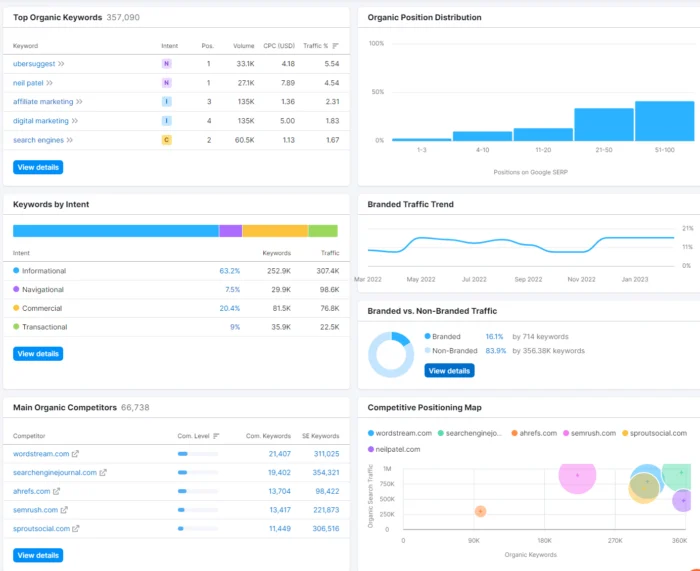
Keyword Fingerprinting: Use a Reverse ASIN tool to see which keywords drive 80% of their traffic. These are your “Money Keywords.”
-
Supply Chain Tracing: Tools like ImportYeti allow you to see exactly which overseas factory is shipping to your competitor. If you want to replicate their quality, go to the source.
Phase III: The “Plus-One” Strategy
Never launch an exact carbon copy. You must apply the “Plus-One” Principle.
-
Can you add a better accessory?
-
Can you fix the #1 complaint found in their 1-star reviews?
-
Can you package it in a way that looks more giftable?
4. Reverse-Engineering the Traffic Source
A product is only successful if people can find it. Your spy tools can reveal the Traffic Mix of your competitor.
-
Paid vs. Organic: If a tool shows that 90% of a competitor’s sales come from “Sponsored Ads,” you know that you’ll need a significant advertising budget to compete.
-
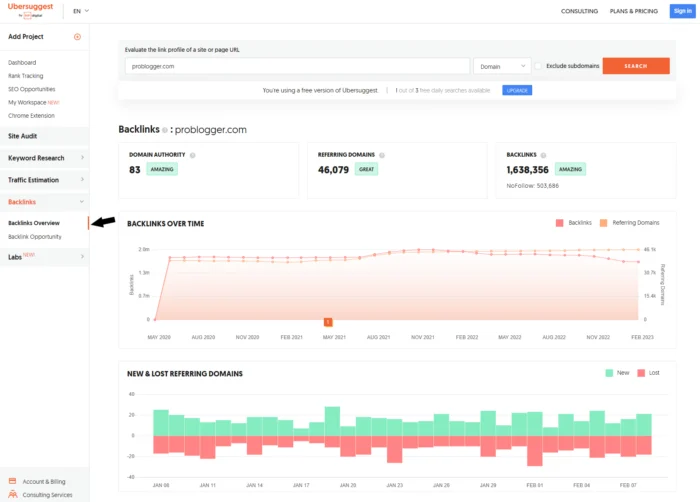
Influencer Backlinks: Use tools to see who is talking about your competitor. If they have 20 micro-influencers on YouTube reviewing their product, you have a ready-made list of people to contact for your own launch.
5. Avoiding the “Trap” of False Data
While tools are powerful, they aren’t infallible. To avoid a costly mistake, look for these “Spying Red Flags”:
-
The “Giveaway” Spike: Sometimes a competitor’s sales look astronomical because they are running a massive discount or “buy one get one” campaign. Always look at the Sales History over 6 months, not just the last 30 days.
-
Seasonality: Don’t start “spying” on space heaters in February. By the time you replicate the success, the market will be dead. Use Google Trends to ensure the product has a year-round “heartbeat.”
6. Comparison of Top Research Tools
| Tool Name | Best For | Key “Spy” Feature | Cost Level |
| Helium 10 | Amazon | Reverse ASIN Keyword Tracking | Premium |
| Jungle Scout | Amazon/Walmart | Supplier Database Access | Mid-Range |
| AdSpy | Social Commerce | Social Media Ad Transparency | High |
| Minea | TikTok/Dropshipping | Viral Product Tracking | Budget-Friendly |
7. The Final Blueprint: Your Action Plan
Success leaves clues, and today those clues are stored in databases. To start your “spy” mission:
-
Pick one niche where you have a genuine interest.
-
Use a tool to identify the top 5 sellers by revenue.
-
Read their negative reviews to find out what customers hate.
-
Find their supplier and ask for a sample with those specific issues fixed.
-
Replicate their keyword strategy but improve the visual branding.
The digital age has democratized success. You don’t need to reinvent the wheel—you just need to find a wheel that’s already spinning and make it run smoother.
Ready to start your investigation?
Would you like me to create a customized comparison table of the best product research tools specifically for your chosen e-commerce platform?
In the hyper-competitive landscape of modern e-commerce, “guessing” is a luxury you can no longer afford. Whether you are operating on Amazon, Shopify, or TikTok Shop, the gap between a six-figure success story and a shuttered storefront often comes down to one thing: Information Asymmetry.
Top-tier sellers aren’t just “lucky” with their product choices. They are using sophisticated “spy” tools to look over the shoulders of their competitors, seeing exactly what is selling, who is buying it, and—most importantly—how much money is being made in real-time. This isn’t just about being a copycat; it’s about competitor intelligence. It’s about finding a path that has already been paved, identifying its flaws, and walking it better than the original builder did.
In this comprehensive guide, we are going to pull back the curtain on “Competitive Spying.” We will explore the tools of the trade and the exact frameworks you can use to replicate a competitor’s success while minimizing your own risk.
1. The Ethics of “Competitive Spying”
Before we dive into the technical “how-to,” let’s address the elephant in the room. Is spying on competitors ethical?
In the business world, this is known as Benchmarking. Every Fortune 500 company has a department dedicated to studying their rivals. When you use a product research tool to analyze a competitor’s sales volume, you aren’t stealing their intellectual property; you are analyzing public market data to make informed decisions.
The goal isn’t to steal a brand name—it’s to replicate a success path. If a competitor has proven there is high demand for “ergonomic bamboo office chairs,” they have essentially done the expensive market testing for you. Your job is to take that data and offer a version that is better, faster, or more affordable.
2. The Arsenal: Essential Tools for the Modern Digital Spy
To build a roadmap based on someone else’s success, you need the right binoculars. Depending on your platform, your toolkit will vary:
For Amazon Dominance: Helium 10 & Jungle Scout
These are the heavy hitters. They allow you to see the Estimated Monthly Revenue of almost any listing.
-
The X-Ray Feature: Allows you to see the “BSR” (Best Sellers Rank) history. If a product has been in the top 100 for six months, it’s a stable winner, not a seasonal fluke.
-
Reverse ASIN Lookup: This is the ultimate “spy” move. You plug in a competitor’s product code, and the tool tells you every single keyword they are ranking for.
For Shopify and Dropshipping: AdSpy & Minea
If you want to know what’s trending on social media before it hits the mainstream, you look at ads.
-
AdSpy: Lets you filter Facebook and Instagram ads by “Engagement.” If an ad has 50,000 likes and was launched three days ago, you’ve just found a viral goldmine.
-
Minea: Specialized for TikTok and Pinterest, helping you track the “virality curve” of new gadgets.
For General Market Trends: Google Trends & Semrush
While not “spy” tools in the traditional sense, they show you the Search Intent. If your competitor is winning, these tools tell you if the “wave” they are riding is growing or crashing.
3. Step-by-Step: The “Success Replication” Framework
Replicating success is a three-stage process: Identify, Dissect, and Optimize.
Phase I: Identifying the “Alpha” Competitor
Don’t just look for anyone selling a lot; look for the “Alpha”—the seller who is clearly dominating the space but has a weakness.
-
High Revenue, Low Rating: This is the “Holy Grail.” If a competitor is making $50,000 a month but has a 3.5-star rating, the market is begging for a better version of that product.
-
The “Newcomer” Spike: Look for sellers who have entered the market in the last 60 days and have already climbed to the first page. Their strategy is fresh and likely uses current algorithms.
Phase II: Dissecting the Winning Formula
Once you’ve found your target, use your research tools to perform a “Digital Autopsy”:
-
Price Point Analysis: Are they winning because they are the cheapest, or because they are positioned as a premium “luxury” version?
-
Keyword Fingerprinting: Use a Reverse ASIN tool to see which keywords drive 80% of their traffic. These are your “Money Keywords.”
-
Supply Chain Tracing: Tools like ImportYeti allow you to see exactly which overseas factory is shipping to your competitor. If you want to replicate their quality, go to the source.
Phase III: The “Plus-One” Strategy
Never launch an exact carbon copy. You must apply the “Plus-One” Principle.
-
Can you add a better accessory?
-
Can you fix the #1 complaint found in their 1-star reviews?
-
Can you package it in a way that looks more giftable?
4. Reverse-Engineering the Traffic Source
A product is only successful if people can find it. Your spy tools can reveal the Traffic Mix of your competitor.
-
Paid vs. Organic: If a tool shows that 90% of a competitor’s sales come from “Sponsored Ads,” you know that you’ll need a significant advertising budget to compete.
-
Influencer Backlinks: Use tools to see who is talking about your competitor. If they have 20 micro-influencers on YouTube reviewing their product, you have a ready-made list of people to contact for your own launch.
5. Avoiding the “Trap” of False Data
While tools are powerful, they aren’t infallible. To avoid a costly mistake, look for these “Spying Red Flags”:
-
The “Giveaway” Spike: Sometimes a competitor’s sales look astronomical because they are running a massive discount or “buy one get one” campaign. Always look at the Sales History over 6 months, not just the last 30 days.
-
Seasonality: Don’t start “spying” on space heaters in February. By the time you replicate the success, the market will be dead. Use Google Trends to ensure the product has a year-round “heartbeat.”
6. Comparison of Top Research Tools
| Tool Name | Best For | Key “Spy” Feature | Cost Level |
| Helium 10 | Amazon | Reverse ASIN Keyword Tracking | Premium |
| Jungle Scout | Amazon/Walmart | Supplier Database Access | Mid-Range |
| AdSpy | Social Commerce | Social Media Ad Transparency | High |
| Minea | TikTok/Dropshipping | Viral Product Tracking | Budget-Friendly |
7. The Final Blueprint: Your Action Plan
Success leaves clues, and today those clues are stored in databases. To start your “spy” mission:
-
Pick one niche where you have a genuine interest.
-
Use a tool to identify the top 5 sellers by revenue.
-
Read their negative reviews to find out what customers hate.
-
Find their supplier and ask for a sample with those specific issues fixed.
-
Replicate their keyword strategy but improve the visual branding.
The digital age has democratized success. You don’t need to reinvent the wheel—you just need to find a wheel that’s already spinning and make it run smoother.
Ready to start your investigation?
Would you like me to create a customized comparison table of the best product research tools specifically for your chosen e-commerce platform?