En
En
 11 min read
In today’s competitive digital marketplace, attracting customers requires more than simply running advertisements. Many businesses invest heavily in Facebook advertising but struggle to achieve the expected results because their ads and landing pages are not working together as one unified customer journey.
A successful campaign is not built on a single element. The Facebook ad introduces your brand, captures attention, and encourages users to click. The landing page continues that conversation, builds trust, explains the value of the offer, and guides visitors toward taking action.
When these two parts are perfectly aligned, the entire marketing process becomes smoother. Users receive a consistent message from the first impression to the final conversion, creating a stronger connection between customer expectations and brand experience.
This article explores how businesses can optimize the complete journey between Facebook ads and landing pages, including message consistency, design coordination, user psychology, technical performance, and conversion strategies.
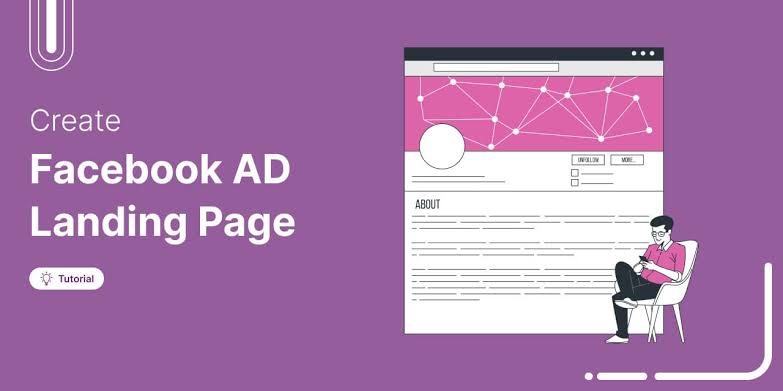
Why Facebook Ads and Landing Pages Must Work Together
Many advertisers focus on improving individual components:
- Creating attractive ad images
- Writing stronger headlines
- Increasing audience targeting accuracy
- Adding more information to landing pages
However, the biggest opportunity often comes from improving the relationship between these elements.
A Facebook ad and landing page should be viewed as two stages of the same conversation.
The advertisement answers:
“Why should I pay attention?”
The landing page answers:
“Why should I trust this brand and take action?”
If these two messages do not connect, visitors may feel confused and leave.
For example:
A Facebook ad promises a limited-time discount, but the landing page does not clearly show the offer.
A social media ad promotes a specific product benefit, but the landing page focuses on unrelated information.
An advertisement uses a casual tone, but the landing page feels overly corporate.
These differences create friction and reduce customer confidence.
A successful campaign creates a seamless experience where users feel they are continuing the same journey after clicking.
Step One: Create Message Consistency Between Ads and Landing Pages
The first principle of full-funnel optimization is message matching.
The content users see in your Facebook ad should naturally continue on your landing page.
This includes:
- Headlines
- Images
- Product benefits
- Offers
- Brand tone
- Customer expectations
When visitors recognize the same message after clicking, they immediately feel more comfortable.
Matching Headlines and Key Messages
Your Facebook ad headline creates an expectation.
The landing page headline should reinforce that expectation.
For example:
Facebook Ad:
“Save 30% on Premium Outdoor Furniture This Summer”
Landing Page:
“Enjoy 30% Off Premium Outdoor Furniture – Limited Summer Offer”
The visitor immediately understands:
“I am in the right place.”
This reduces confusion and increases the likelihood of engagement.
Matching Visual Style
Visual consistency is just as important as written content.
Your advertisement and landing page should share similar:
- Colors
- Product images
- Photography style
- Brand elements
- Design atmosphere
When users move from Facebook to your website, the transition should feel natural.
A completely different design may create uncertainty:
“Did I click the wrong link?”
Strong visual continuity builds recognition and trust.
Matching Customer Intent
Not every visitor clicks an advertisement for the same reason.
Understanding user intent is essential.
Different ads may target different motivations:
Awareness-Focused Users
These users are discovering your brand.
They need:
- Education
- Inspiration
- Simple explanations
Consideration-Focused Users
These visitors are comparing options.
They need:
- Benefits
- Reviews
- Product details
- Comparisons
Purchase-Focused Users
These users are ready to act.
They need:
- Clear pricing
- Strong offers
- Easy checkout
The landing page should match the stage of the customer journey created by the advertisement.
Step Two: Design Landing Pages Specifically for Facebook Traffic
A common mistake is sending Facebook users to a general homepage.
Although homepages provide valuable information, they are not always designed for advertising traffic.
A dedicated landing page usually performs better because it focuses on one goal.
A strong Facebook landing page should include:
- One primary offer
- One clear message
- One main action
The fewer distractions visitors face, the easier it is for them to make a decision.
Create a Strong Above-the-Fold Experience
The first screen visitors see is extremely important.
Before scrolling, users should immediately understand:
- What you offer
- Why it matters
- What action they should take
A powerful above-the-fold section usually includes:
Clear Headline
The headline should communicate the main benefit.
Supporting Description
Explain why the offer is valuable.
Strong Call-to-Action Button
Tell visitors exactly what to do next.
Examples:
- Get Your Free Quote
- Shop Now
- Start Your Trial
- Learn More
Relevant Visual
Use images or videos that support the message.
Step Three: Optimize the Customer Journey After the Click
Getting clicks is only the beginning.
The real goal is creating a smooth path from interest to action.
A successful landing page answers important questions:
What Is This Product or Service?
Visitors need immediate clarity.
Why Should I Choose This Brand?
Provide:
- Benefits
- Experience
- Customer feedback
- Trust signals
Why Should I Act Now?
Encourage action through:
- Limited availability
- Special offers
- Clear advantages
Reduce Friction on Landing Pages
Every unnecessary step creates a chance for visitors to leave.
Common sources of friction include:
- Long forms
- Slow loading pages
- Confusing navigation
- Too many choices
- Hidden pricing
- Weak calls-to-action
A well-optimized landing page removes obstacles.
Ask yourself:
“If I were visiting this page for the first time, would I immediately know what to do?”
If the answer is no, improvements are needed.
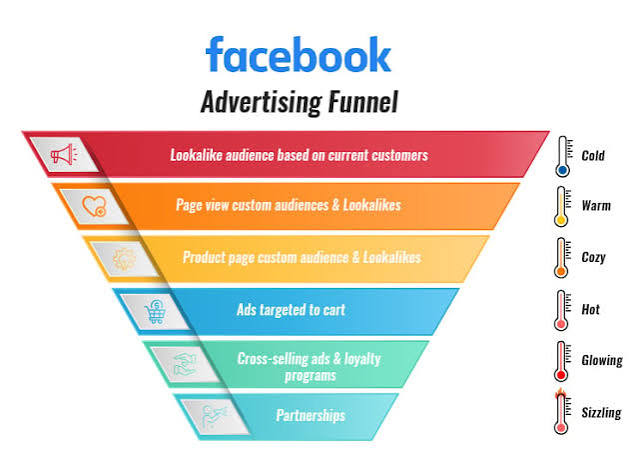
Step Four: Improve Landing Page Speed and Mobile Experience
Most Facebook users browse on mobile devices.
This means mobile optimization is not optional.
A slow or poorly designed mobile page can quickly waste advertising investment.
Important performance factors include:
Fast Loading Speed
Visitors expect pages to load quickly.
Slow pages increase abandonment.
Responsive Design
Your landing page should work smoothly across:
- Smartphones
- Tablets
- Desktop computers
Easy Navigation
Mobile users should not struggle to:
- Read content
- Click buttons
- Complete forms
Simple Checkout or Inquiry Process
The fewer steps required, the better.
Step Five: Use Facebook Ad Data to Improve Landing Pages
Facebook advertising provides valuable audience insights.
These insights can help improve your landing page.
Important data points include:
Click-Through Rate
A low click-through rate may indicate:
- Weak messaging
- Poor targeting
- Unclear value proposition
Conversion Rate
A high click rate but low conversion rate may indicate:
- Landing page problems
- Message mismatch
- Lack of trust
Audience Behavior
Understanding who clicks your ads helps you create better experiences.
For example:
If younger audiences respond to visual content, your landing page may benefit from stronger images and videos.
If professional buyers respond to detailed information, your page may need more specifications and proof.
Step Six: Build Trust Between Advertisement and Conversion
Trust is one of the most important factors in online decision-making.
A visitor who clicks your Facebook ad is interested, but they may not know your brand yet.
Your landing page should provide confidence through:
Customer Reviews
Real experiences help reduce uncertainty.
Testimonials
Stories from previous customers create emotional connection.
Product Demonstrations
Show how your product works.
Guarantees
Clear policies can reduce purchase concerns.
Professional Design
A polished website creates credibility.
Step Seven: Use Strong Visual Storytelling
Images and videos can influence buying decisions.
A successful landing page should not simply display products.
It should communicate:
- Lifestyle
- Benefits
- Solutions
- Results
For example:
A furniture company should not only show a chair.
It should show how the chair improves a living space.
A skincare company should not only show packaging.
It should show the experience and benefits.
The goal is helping visitors imagine the value.
Step Eight: Create Multiple Landing Pages for Different Campaigns
One landing page does not always fit every audience.
Different Facebook campaigns may have different goals.
Consider creating separate pages for:
- Different products
- Different customer groups
- Different offers
- Different advertising messages
For example:
An advertisement targeting first-time buyers may need an educational landing page.
An advertisement targeting returning customers may focus on promotions.
Personalized experiences usually create stronger connections.
Step Nine: Test and Improve Continuously
Successful campaigns are rarely perfect from the beginning.
Continuous testing helps identify what works best.
Important elements to test include:
Headlines
Try different benefit statements.
Images
Compare product-focused images with lifestyle images.
Calls-to-Action
Test different button wording.
Page Layout
Experiment with:
- Information order
- Content length
- Trust sections
Offers
Compare:
- Discounts
- Free shipping
- Bonuses
- Limited-time promotions
Small improvements can create significant results over time.
Common Mistakes That Reduce Facebook Ad Performance
Understanding mistakes can help businesses avoid wasted advertising budgets.
Sending Traffic to the Homepage
A general homepage may not match the advertisement.
Using Different Messages
Conflicting messages create confusion.
Ignoring Mobile Users
Poor mobile experiences reduce conversions.
Overloading Visitors With Information
Too much information can delay decisions.
Focusing Only on Clicks
Traffic means little without meaningful actions.
Not Tracking Results
Without measurement, improvement becomes difficult.
Measuring the Success of a Full-Funnel Strategy
A complete evaluation should consider multiple stages.
Important measurements include:
Ad Performance
- Click volume
- Cost per click
- Engagement rate
Landing Page Performance
- Time on page
- Bounce rate
- Conversion rate
Business Results
- Leads generated
- Sales completed
- Customer value
The goal is not simply getting more visitors.
The goal is turning the right visitors into customers.
The Future of Facebook Advertising and Landing Page Integration
As digital marketing becomes more competitive, customer experience will become increasingly important.
Successful brands will focus on:
- Personalized messaging
- Faster experiences
- Better mobile design
- Stronger trust signals
- More relevant customer journeys
The relationship between advertising and landing pages will continue to become more connected.
Businesses that create consistent experiences across every step will have a stronger advantage.
Final Thoughts
Facebook advertising success does not depend only on creating attractive ads. The real opportunity comes from building a complete customer journey where advertisements and landing pages support each other.
A powerful Facebook campaign begins with a clear message, continues with a well-designed landing page, and ends with a simple conversion process.
By aligning your ad content, visual style, customer intent, and landing page experience, you can create a smoother path from first impression to final decision.
Full-funnel optimization is not about making one element better. It is about making every step work together.
When Facebook ads and landing pages communicate the same value, understand customer needs, and remove unnecessary obstacles, businesses can create stronger relationships with audiences and achieve more meaningful results.
If you need professional assistance with Facebook advertising strategies or landing page optimization, feel free to leave us a message for a personalized consultation. We are always happy to help!