En
En
 7 min read
If you’re exploring the world of dropshipping, you already know that having the right app is essential for streamlined operations, efficient order management, and, of course, happy customers. With so many apps on the market, each offering unique features and benefits, how do you choose the best one? This guide will help you navigate through some of the top dropshipping apps and highlight what each has to offer in terms of core features, logistics,cost, brand customization, and user experience.

Best Dropshipping Apps Recommended
Printify – Powerful POD Customization and Global Supply Chain
Core Features: Printify specializes in Print-on-Demand (POD) with a vast global network of suppliers, ideal for brands that need high customization.
Logistics: Suppliers are distributed worldwide, with automatic selection of the nearest production location to improve delivery efficiency.
Cost: Offers free and paid plans, with paid users enjoying discounts on product prices.
Brand Customization: Allows custom product designs, labels, and packaging, helping sellers create a unique brand image.
User Experience: User-friendly interface, though product quality can vary due to different suppliers.
CJdropshipping – Extensive Product Variety and Flexible Logistics
Core Features: CJdropshipping offers a wide selection of products, including electronics, apparel, and home goods, suitable for sellers focusing on diverse products.
Logistics: Provides quick delivery options through CJPacket and other logistics choices, particularly efficient for U.S.-bound orders.
Cost: Free to use, with competitive product pricing.
Brand Customization: Supports custom packaging, though POD options are limited.
User Experience: Affordable pricing, but logistics and customer service response times vary.
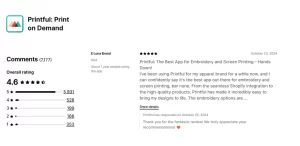
Printful – High-Quality POD with Fast Shipping in U.S. and Europe
Core Features: Known for high-quality POD products and extensive customization options, Printful is ideal for sellers prioritizing quality.
Logistics: Local warehouses in the U.S. and Europe ensure fast delivery, particularly for these regions.
Cost: Free to use, but product prices are on the higher side, reflecting premium quality.
Brand Customization: Supports a variety of brand customization options, including internal labels and custom packaging.
User Experience: Highly rated for product quality, though higher pricing may not suit new businesses.
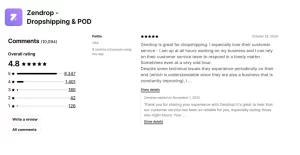
Zendrop – Fast Shipping for the North American Market
Core Features: Zendrop focuses on fast delivery and one-click order fulfillment, targeting the U.S. market, suitable for sellers requiring accelerated shipping.
Logistics: Offers high-quality logistics options to ensure fast delivery in North America.
Cost: Both free and paid plans are available, with faster processing for paid users.
Brand Customization: No POD support, but custom packaging options are available.
User Experience: Highly rated for the North American market, though international logistics support is limited.
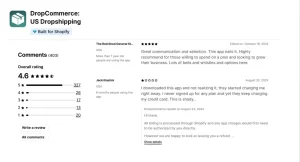
DropCommerce – High-Quality North American Products for Enhanced Customer Experience
Core Features: DropCommerce focuses on North American suppliers, ensuring product quality and fast shipping, suitable for sellers focused on quality and localization.
Logistics: Primarily supports North America, ensuring fast delivery and increased customer satisfaction.
Cost: Higher pricing, reflecting the quality of products and stable logistics.
Brand Customization: Limited customization options, with more emphasis on product quality.
User Experience: North American sellers are generally satisfied, though the product variety is more limited.
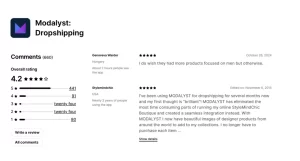
Modalyst – Personalized Brands and High-End Products
Core Features: Modalyst offers unique brands and niche suppliers, ideal for sellers seeking differentiated products.
Logistics: Some products support fast shipping, especially for premium fashion items.
Cost: Free and paid plans with moderate pricing, suitable for small to medium businesses.
Brand Customization: Primarily provides branded items, with limited POD options.
User Experience: Unique products are appreciated by users, though customization options are limited.
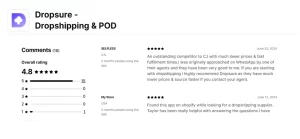
DropSure – Cost-Effective Global Dropshipping
Core Features: DropSure offers cost-effective products and POD services, suitable for startup sellers.
Logistics: Supports global shipping, ideal for cross-border dropshipping sellers.
Cost: Reasonably priced, especially suitable for budget-conscious sellers.
Brand Customization: Supports brand and POD customization to create a personalized brand.
User Experience: Easy to operate, with good logistics and customer support performance.
Key Factors to Consider When Choosing a Dropshipping App
When selecting a dropshipping app, it’s essential to look beyond basic features and focus on the following key factors to ensure the app can support your business needs and market positioning:
1. Demand Match
Define the core needs of your business, whether it’s Print-on-Demand (POD) services or a broader range of wholesale and multi-category products. Sellers seeking product customization will find POD support especially important, while those prioritizing product variety may prefer apps that offer wholesale purchasing and diverse categories. The right app, based on specific needs, can improve operational efficiency and reduce unnecessary processes.
2. Impact of Geographic Location
Logistics speed and costs are directly influenced by the app’s supply chain layout. Apps targeting specific regional markets can effectively shorten delivery times and reduce costs, which is crucial for the customer experience in those areas. For sellers aiming for a global market, the app’s international logistics support is equally vital to ensure stable delivery services across multiple countries.

3. International Support
Verify if the app can meet cross-border logistics and after-sales service needs in your target market, especially regarding delivery capacity, payment system compatibility, and after-sales support for different countries. Cross-border dropshipping involves import policies, customs duties, and other issues unique to each country. The app should offer multi-region support and comply with various regulations to prevent potential impacts on the customer experience due to policy or duty restrictions.
4. Logistics Quality
High-quality logistics involve delivery speed, order tracking, and package visibility. A reliable dropshipping logistics service should provide a quick and stable shipping process, even when handling a high volume of orders. Additionally, an app with robust tracking capabilities can enhance the customer experience by providing transparency on package status, further improving overall service quality.

By considering these key factors, you can choose a dropshipping app that best aligns with your business growth and meets your customers’ needs.
Choosing the right dropshipping app can make a big difference in streamlining operations and satisfying customers. By focusing on your core needs, logistics, and international support, you’ll find the best app for your business. DropSure offers an ideal balance of affordability, customization, and reliable global logistics, making it a great choice for startups and budget-conscious sellers.
Ready to grow your business? Sign up with DropSure today!