
















< Blogs

Pandabuy or Not? Uncover the Truth and Explore Better Options

Vivan Z.
Created on December 9, 2024 – Last updated on February 6, 20257 min read
Written by: Vivan Z.

Are you considering using Pandabuy for your next cross-border shopping spree? With its promise of simplifying purchases from major Chinese e-commerce platforms, Pandabuy has gained attention, especially among international shoppers. But with recent controversies and operational challenges, is it still the best choice? In this article, we’ll dive into what is Pandabuy , the issues it faces, and some great alternatives that might better suit your needs.


What is Pandabuy?

Pandabuy

Pandabuy is a Chinese e-commerce shipping agent platform that specializes in providing shipping services for overseas users who want to purchase products from China. It is widely known for shipping counterfeit luxury goods, including branded clothing and high-priced shoes from companies like Nike.

The platform allows international users to shop on major Chinese e-commerce sites such as Tmall, Taobao, and JD.com, acting as an intermediary to simplify the purchasing process for these products.

Many users, including influencers, frequently showcase and promote counterfeit or replica items (often referred to as “reps”) purchased through Pandabuy on social media platforms like TikTok, Discord, and Reddit, often sharing their “unboxing haul.”

How Does Pandabuy Operate?

Pandabuy’s business model is primarily based on “reverse overseas shopping,” which helps international users purchase products from Chinese e-commerce platforms (such as Taobao, Tmall, and JD) at original prices, and generates profits by providing value-added services. The specific process works as follows:

Order Placement: International users browse and select their desired products on the Pandabuy platform, submitting purchase links or product information to create an order.

Platform Procurement: Pandabuy’s purchasing team buys the corresponding products from Chinese e-commerce platforms based on the user’s order.

Warehousing Service: Once the products are delivered to Pandabuy’s domestic warehouse, the platform provides free warehousing services. Users can choose to combine multiple orders to reduce international shipping costs.

Quality Inspection and Value-Added Services: Pandabuy offers value-added services such as product quality inspection and customized photography to ensure the quality of the products and meet users’ personalized needs.

International Logistics: Users choose the appropriate international shipping method, and Pandabuy is responsible for packaging and sending the products to the user’s country.

Payment and Settlement: The platform supports various international payment methods, allowing users to pay for the product cost, international shipping fees, and any potential value-added service charges.


What Happened to Pandabuy?
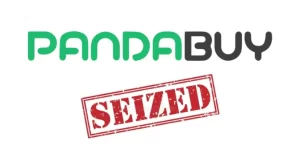
2024 Raid

In April 2024, 16 brands sued Pandabuy, accusing it of being involved in counterfeit sales. Chinese authorities raided its headquarters in Hangzhou and several warehouses. They seized products and started investigating the sellers linked to Pandabuy. Over 200 officials and 50 private investigators participated in the raids. They recovered millions of packages, including counterfeit branded sneakers. According to World Trademark Review, the London City Police began investigating in November 2023, with help from intellectual property organizations, as part of Operation Ashiko. Cantoop, a Chinese intellectual property firm, reported that Pandabuy operates in five cities in China with warehouses the size of nearly 20 football fields.

Pandabuy seized


Is Pandabuy Back?

Pandabuy has not fully resumed operations. Due to recent investigations, most of its services, such as placing orders and processing payments, are temporarily suspended. Users can still browse products but cannot make purchases.

The suspension is linked to issues involving counterfeit goods and regulatory violations. While the platform may restart under a new entity, no clear timeline for resumption has been provided, leaving its future uncertain.


Alternative options to Pandabuy


Dropship model
Sourced Oberlo


The question “Is Pandabuy back?” is still up in the air, but that doesn’t mean we can’t check out other great platforms. Instead of waiting and wondering, why not take this chance to explore some reliable cross-border shopping and dropshipping options that offer convenient services and plenty of products?

If you’re looking for alternatives to Pandabuy, here are a few great platforms to try:


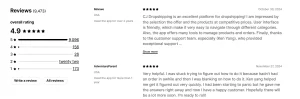
1. CJ Dropshipping

 

CJ Dropshipping


Pros
:

● Offers a one-stop service, including sourcing, warehousing, packaging, and shipping.
● Wide range of flexible product categories across multiple industries.
● Supports global shipping with broad coverage.
● Seamless integration with Shopify, WooCommerce, and other platforms.
● Provides branding customization services (e.g., packaging and product labeling).

Cons:

● Shipping times can vary greatly depending on the destination.
● Best suited for bulk orders; fees for small orders can be higher.
● The interface and operations may require some time to learn.
CJ


2. Oberlo (via Shopify)


Oberlo 3

Pros:

● Designed specifically for Shopify, making integration easy and user-friendly.
● Wide supplier network covering global markets.
● Automates product imports and order processing, saving time.
● Simple to use, ideal for beginner sellers.

Cons:

● Only works with Shopify; not compatible with other platforms.
● Heavily reliant on AliExpress suppliers, which may have inconsistent quality.
● Long shipping times can lead to extended customer wait times.
● Combined with Shopify’s monthly fees, overall costs can add up.


3. AliDropship
AliDropship


Pros
:

● Extensive product range from AliExpress suppliers.
● One-time payment, no monthly fees, suitable for budget-conscious sellers.
● Offers automated order management features.
● Supports self-hosted e-commerce websites, giving sellers full control.
● Provides additional services like website development and marketing support.

Cons:

● AliExpress products often vary in quality, requiring careful supplier selection.
● Shipping times can be long, impacting customer satisfaction.

AliDroship 2


4. Spocket

Spocket


Pros
:

● Features suppliers from around the world, focusing on US and European suppliers.
● Faster shipping times compared to platforms relying on Asian suppliers.
● High-quality product selection, often curated.
● Seamless integration with Shopify, WooCommerce, and other platforms.

Cons:

● Limited product categories compared to other platforms like CJ Dropshipping or AliExpress.
● Higher product costs, particularly for premium items.
●Shipping costs may vary significantly based on supplier location.

Spocket 2


5. DropSure


DropSure


Pros
:

● Offers global shopping and dropshipping services.

● Helps sellers source products from China and ship them worldwide.

● Flexible solutions for product selection, logistics, and automation.

● Suitable for scaling cross-border e-commerce businesses.

Cons:

● Still growing as a platform; supplier and product variety may not be as extensive as larger platforms.
● Limited integrations compared to platforms like CJ Dropshipping or Spocket.
● May require sellers to handle additional logistics coordination.

DropSure 3


Pandabuy once stood out as a convenient gateway to Chinese products for global shoppers, but its current operational uncertainties make it less reliable. While the platform may return in the future, exploring alternatives ensures you can still access what you need without unnecessary delays or risks. Whether you’re looking for seamless logistics, better pricing, or secure transactions, there are plenty of other options to consider. Ultimately, the right choice depends on your priorities—but staying informed is always the first step.

 

Blog Buttom

DropSure is Your Best Partner
22 Years Experience
Affiliate Rebates
100% Quality Guarantee
Top-Up Rewards
10+ Global Warehouses
Custom Branding Support
Smart inventory System
24/7 Customer Support
Get a Quote in 24 Hours
Start Sourcing for Free

Keep Learning

In China, dropshipping has become a significant trend in the e-commerce industry. According to statistics, in 2023, the total value of China’s cross-border e-commerce imports and exports reached 2.2 trillion RMB, with a large portion of this trade driven by the dropshipping model. Platforms like Alibaba and AliExpress allow Chinese suppliers to directly ship products to global sellers, significantly reducing their operational costs. Compared to traditional inventory models, dropshipping eliminates the need for holding stock, allowing sellers to enter the market with lower startup capital. For example, sellers can access products directly from Chinese suppliers without having to purchase large quantities upfront, making it possible to sell globally. Furthermore, China’s advantages in product cost, manufacturing capabilities, and logistics have made it a central hub for global dropshipping. What is Dropshipping? Dropshipping is a business model where you don’t need to hold inventory. When a customer places an order, you simply forward the order to the supplier, and the supplier ships the product directly to the customer. No warehouse, no inventory management, and no shipping hassles. Platforms like Dropsure make it easy by streamlining the process, so you can focus on marketing and sales, leaving the rest to us. To learn more about dropshipping, check out our What is Dropshipping & How to Start article. How to Dropship from China? Success in dropshipping is no accident. Follow these steps to get your business started: Step 1: Choose Reliable Suppliers Choosing unreliable suppliers means delays, refunds, and unhappy customers. That’s why finding a trustworthy supplier with a good track record is crucial. Using a platform like Dropsure helps you easily find verified Chinese suppliers. Step 2: Pick Hot-Selling Products Stop second-guessing your product choices. Use market analysis […]

It has become a mainstream purchasing factor, reshaping how consumers choose products—and how businesses select what to sell. For dropshipping sellers, this shift represents both an opportunity and a challenge. Eco-friendly products promise: Strong emotional appeal Long-term demand stability Higher brand trust But they also raise critical questions: What actually qualifies as “sustainable”? How do you avoid greenwashing? Can eco-friendly products be profitable in a dropshipping model? This article explores how to identify, evaluate, and scale sustainable products in dropshipping, moving beyond buzzwords to practical selection strategies. 1. Why Eco-Friendly Products Are Gaining Momentum The rise of eco-friendly products is driven by several converging forces. Consumer Awareness Has Matured Today’s consumers: Research products before buying Question materials and sourcing Expect transparency, not slogans Eco-conscious buyers are not just idealists—they are informed decision-makers. Regulation and Platform Pressure Marketplaces and governments increasingly: Restrict harmful materials Encourage sustainable packaging Penalize misleading environmental claims Selling eco-friendly products is becoming less optional over time. Brand Trust and Differentiation In crowded dropshipping markets, sustainability: Creates emotional connection Reduces pure price competition Supports long-term brand building This is especially valuable for independent sellers. 2. Sustainability in Dropshipping: Myth vs. Reality Many sellers assume: Eco-friendly products are expensive Sustainable sourcing is incompatible with dropshipping “Green” is just a marketing label In reality, sustainability exists on a spectrum, not as an absolute. Even small improvements—when honest—matter. 3. What Makes a Product Truly Eco-Friendly? To select sustainable products, you must understand where environmental impact comes from. Key dimensions include: Materials Manufacturing Packaging Usage phase End-of-life disposal No product is perfect—but some are clearly better. 4. High-Potential Eco-Friendly Product Categories for Dropshipping Certain categories naturally align with sustainability. Reusable Daily Essentials […]

For years, online sellers have relied on best-seller rankings, marketplace charts, and trending product lists to decide what to sell. While those metrics show what’s popular, they rarely explain why people are buying—or what frustrations remain unsolved. If you want to build sustainable, profitable products or dropshipping brands, popularity isn’t enough. The real opportunity lies beneath the surface: in consumer pain points. Today, social media product research tools allow you to go far beyond sales volume. They help you analyze real conversations, complaints, unmet expectations, emotional triggers, and purchasing motivations. When used correctly, these tools can transform your product selection strategy from reactive trend-chasing into insight-driven brand building. In this comprehensive guide, we’ll explore how to use social listening platforms, comment mining, ad libraries, and community analysis to uncover what customers actually struggle with—and how to turn those insights into winning products. Why Best-Seller Lists Are No Longer Enough Marketplace rankings from platforms like Amazon or eBay show you what is already selling. But they don’t tell you: Why customers are frustrated What features are missing What buyers wish the product did differently What negative reviews repeatedly mention What emotional triggers drive purchases When you rely solely on sales rankings, you’re entering a crowded space with limited differentiation. Modern product selection requires something deeper: consumer psychology and behavioral insight. The Shift from “Trending” to “Problem-Solving” The most successful e-commerce brands don’t just sell products. They solve specific problems. Instead of asking: “What’s selling right now?” Ask: “What are people complaining about?” “What are they repeatedly struggling with?” “Where are expectations not being met?” Social media has become the most transparent window into customer pain points in history. Platforms like TikTok, […]

Recommended for you