< Blogs

How to Attract Customers on Facebook: A Comprehensive Guide

Vivan Z.
Created on January 23, 2025 – Last updated on February 19, 202511 min read
Written by: Vivan Z.

facebook

Facebook is huge in the digital marketing world. It’s one of the biggest social media platforms out there, and it’s got tons of ways for businesses to reach and convert customers.
But to really get results, you need to have a clear strategy and use the right methods. That’s where this guide comes in. It’ll give you all the info you need to make the most of Facebook and take your business to the next level.

Define Your Business Goals

Decide your business goals on Facebook before attracting customers.Take a moment to ask yourself this simple yet crucial question: “What exactly do I want to achieve with Facebook?”Don’t rush past this step—clear goals are like a destination on a map.

Without them, your marketing journey could easily lose direction.Here are some common goals to consider—see which ones align with your needs:Boost brand awareness: just started your business or still relatively unknown? No worries! Facebook can help you get noticed through engaging content and well-crafted ads that quickly put your brand in front of potential customers.

Drive Traffic to Your Website or Store: Whether your goal is to increase website visits or bring more foot traffic to your store, Facebook ads and promotions have you covered. Don’t forget to include clear calls-to-action (CTAs) like “Visit Now” or “Learn More,” so users know exactly what to do next.

create interesting content

Increase Product or Service Sales: If you’re looking to sell, Facebook’s precision targeting features are your best friend! Use dynamic ads or showcase shopping features to make buying as easy as a click.

Launch a New Product: Got a new product to introduce? Great! Now’s the time to grab attention. Create a fun and creative campaign to make your launch stand out and attract those first fans.

Enhance Customer Engagement: Building an active community of fans can do wonders for your brand. Use tools like Q&As, polls, or customer story sharing to get people talking and interacting with your content.Once you have your goals locked in, every step forward will feel more purposeful. With clear direction, none of your efforts will go to waste, and your Facebook marketing success will reach new heights!

Grow Your Facebook Audience 

To grow your Facebook audience, start by creating a professional and inviting page. Ensure all essential details are filled in, like your contact information, website link, address, and business hours. Don’t forget to upload a sharp logo and a visually appealing cover photo to make your page stand out and feel trustworthy.

Next, tap into your existing network. Invite friends, family, and loyal customers to follow your page—they’re your easiest starting point. Share your page link via email or text, and for an extra boost, add it to your email signature so it’s always visible when you communicate with others. These small efforts can make a big difference.

 

DropSure Warehouse


Lastly, expand your reach through cross-channel promotion. Place a “Follow Us” sign or QR code in your store to encourage offline visitors to connect with you online. On digital platforms, embed your Facebook link on your website, blog, and newsletters. If you use social plugins, make the most of them to guide users directly to your page.

By combining these strategies, you’ll quickly build a solid base of followers, making your page more attractive and paving the way for impactful marketing campaigns.

Create Engaging Content 

Want users to fall in love with your Facebook page at first sight? The key lies in your content. Everyone loves content that’s both fun and useful, so let’s make yours stand out!

Start by diversifying your content. Eye-catching images and videos are great for grabbing attention. High-quality product photos or short videos showcasing your brand can work wonders. Why not use dynamic content to tell your brand story? It’s a simple way to spark interest. If you enjoy writing, share articles, blog posts, or practical industry insights that resonate with your audience. This not only adds value for users but also helps you establish authority in your field. And don’t forget about user-generated content! Encourage customers to share their experiences, photos, or reviews—it’s authentic, relatable, and incredibly persuasive.

 

Mobilize Your Circle of Contacts

Next, focus on delivering value. Instead of just pushing sales, offer practical advice, solutions, or inspiration. Address your audience’s pain points with tutorials, tips, or trend analyses. Even if users aren’t ready to buy immediately, they’ll remember your brand and come back when they are.

Lastly, maintain a consistent posting schedule. Plan your content around when your audience is most active. Aim to post 3-5 times a week, mixing fresh ideas with optimized versions of previous posts. Staying active keeps your page lively and ensures users keep coming back for more.

By following these strategies, you’ll not only attract new followers but also keep your existing fans deeply engaged. Great content is the ultimate marketing tool—put in the effort, and your audience will reward you with their loyalty!

Engage and Interact  

Making your audience feel appreciated is the key to building trust and loyalty. It’s not just about “talking”—it’s about genuinely connecting with them.

Imagine a user drops a comment on your page. What are they looking for? A response, of course! By replying quickly to comments and messages, you’re not just solving their queries—you’re showing them you care. A simple “Thanks for your feedback!” or “We’re so happy you love it!” can go a long way in building that personal connection.


Launch New Products


Want to up your game? Start fun conversations with polls or questions. Try asking, “Which of our products do you use the most?” or “What new feature would you like to see?” These interactions not only get people talking but also help you learn what your audience truly wants.

Another insider tip? Use user-generated content. It’s real, relatable, and resonates with others. Show some love to a fan’s post by liking or sharing it. It’s a powerful way to highlight their voice and inspire others to join in.

When you actively engage with your audience, you’re not just building a following—you’re creating a community that trusts and enjoys interacting with your brand.


DropSure

Running Facebook Ads


If you’re looking to quickly boost your reach and attract more target customers, Facebook ads are the way to go. But how can you make them as effective as possible? Don’t worry, here are some tips to help you maximize results!

Start by defining your audience. Facebook’s targeting tools let you narrow down users by age, gender, interests, or location, ensuring your ads reach the people who are most likely to engage with them. Precision is key here—it saves time and budget.


How to Attract Customers on Facebook A Comprehensive Guide


Next, choose the right type of ad. Whether it’s image ads, video ads, carousel ads, or dynamic ads, pick the format that best suits your product and goals. For example, image ads work great for grabbing attention during a product launch, while dynamic ads are perfect for showcasing a range of products to interested users.

Finally, don’t forget to optimize your ads continuously. Create compelling ad designs that highlight your product’s unique value, and monitor performance regularly. Use data insights to tweak your strategy and ensure every dollar of your ad budget counts.

By following these steps, you’ll turn your Facebook ads into a powerful tool for growth and get the results you’re aiming for!


Analyze and Optimize Performance  


Continuous analysis and optimization are at the heart of successful Facebook marketing. Data isn’t just a bunch of numbers—it’s your compass for refining strategies.

Use Facebook Insights to monitor metrics like click-through rates, reach, and engagement. These numbers reveal what’s working and what needs improvement. If an ad isn’t performing well, don’t rush to scrap it. Instead, adjust the content or refine your audience targeting—small tweaks can lead to surprising results in the next round.


Don’t forget to pay attention to user feedback. Customer opinions are incredibly valuable. By listening to their suggestions and concerns, you can pinpoint problem areas and continuously improve your services and campaigns.

Consistent refinement ensures your Facebook presence stays competitive and helps you achieve long-term business growth. Keep analyzing, keep improving, and watch your efforts pay off!


DropSure Branding 2


 Promote and Integrate Across Channels 

Want to amplify the impact of your Facebook marketing? Combine it with other channels!

Start with email marketing. Add Facebook links to your emails to promote events or offer exclusive deals, making it easy for customers to click through to your page. For offline promotions, set up a visible Facebook QR code in your store or at events. Encourage customers to scan and follow your page, and sweeten the deal with small gifts as a thank-you.

Don’t stop there—sync your Facebook content with other platforms like Instagram and Twitter. This expands your brand’s reach while maintaining a consistent identity across all channels.

By integrating Facebook with other marketing efforts, you can engage a wider audience and create a seamless brand experience.


Encourage Customers to Take Action 

Sometimes, all it takes is a little nudge to get customers to engage. Offering exclusive discounts or special coupons to your Facebook fans can make them feel valued and appreciated. It’s like giving them VIP treatment!

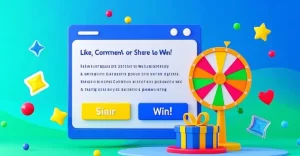
Why not make it even more fun? Host a simple giveaway—something lighthearted and easy to join. Ask users to like, comment, or share your page for a chance to win. It’s a great way to spread the word and get people talking about your brand.


Host Fun Giveaways


Don’t stop there. Highlight real customer experiences by sharing their success stories or glowing reviews. This not only builds trust but also reassures potential customers that choosing your brand is a safe bet.

With these small but powerful incentives, you can encourage more engagement, win over loyal fans, and grow your business in the process. A little effort goes a long way!

Buttom
DropSure is Your Best Partner
22 Years Experience
Affiliate Rebates
100% Quality Guarantee
Top-Up Rewards
10+ Global Warehouses
Custom Branding Support
Smart inventory System
24/7 Customer Support
Get a Quote in 24 Hours
Start Sourcing for Free

Keep Learning

In today’s fiercely competitive e-commerce market, dropshipping—a business model that requires no inventory—has attracted an increasing number of entrepreneurs. However, this model isn’t for everyone. Before diving into dropshipping, it’s essential to understand your own strengths and needs. This article will provide a detailed analysis of who is best suited for dropshipping and help you determine if this model is right for you. The Core Features of Dropshipping The great thing about Dropshipping is that you don’t have to worry about inventory at all. You don’t have to make a big purchase all at once, and you don’t have to worry about renting a warehouse or worrying about products piling up – it’s all taken care of by the supplier. They take care of the shipping and inventory management, which greatly reduces the financial strain on your initial operations. This way, you can focus more on marketing and customer service without having to obsess over the tedious details of logistics and warehousing. In addition, Dropshipping has very low startup costs. You only need to invest a small amount of money to get started, and you don’t need to pay high stocking fees right off the bat. For those of you who are on a budget or want to test the waters first, this is a huge boon! What’s even better is that this model allows you to manage your business anytime, anywhere – as long as you have internet access, it’s easy to work whether you’re at home, in a café or on the beach. This is definitely ideal for those who are looking for a free lifestyle, digital nomad or telecommuting. But, then again, as convenient as Dropshipping is, […]

In recent years, e-commerce has steadily risen to a prominent position in the global economy. Especially during the COVID-19 pandemic, online shopping became the preferred choice for most people, turning e-commerce from an optional channel into an almost unavoidable part of doing business. However, once you dive in, you quickly realize the challenges: heavy inventory pressure, complex logistics management, and soaring costs often leave you overwhelmed. That’s when dropshipping becomes an extremely attractive option. With dropshipping, you don’t need to build your own warehouse or handle packing and shipping yourself. You can focus your energy on marketing and sales, while inventory management and logistics are all handled by your suppliers. This model not only saves you upfront investment but also gives you the flexibility to test products and market responses more easily. Depending on your resources and goals, dropshipping actually comes in several types — traditional dropshipping, collaborative dropshipping, and even reverse dropshipping. Each model fits different scenarios and operational styles, with their own pros and cons. There’s no absolute “best,” only what works best for you. Next, we’ll break down these main dropshipping models one by one, revealing the logic, advantages, and potential pitfalls behind each. This will help you choose, plan, and implement your e-commerce strategy more wisely. Traditional Dropshipping If you’re new to e-commerce, the traditional single-item dropshipping model (which is the most common form of dropshipping) is undoubtedly the easiest way to get started. This model has been around for many years and countless e-commerce sellers have built their businesses on it. Its operation is very straightforward:You find suppliers willing to offer dropshipping services and list their products in your store. When a customer places an […]

Many e-commerce brands may appear large and well-established, but in reality, they don’t manufacture their own products. Instead, they simply put their brand logo on products that are produced and supplied by third-party manufacturers. This is what we’re focusing on today: White Label products. This model allows businesses to concentrate on brand building and marketing, while outsourcing the complex manufacturing process to specialized producers. What’s even better is that white label products can be applied across almost every category—from beauty and food to software and home goods—offering considerable profit margins. What is White Label?  White label basically means taking a product that’s already mass-produced by someone else, slapping your own brand and packaging on it, and then selling it as your own. Think of it like buying a “semi-finished” product and turning it into your own “star product.” But don’t confuse it with Private Label—they’re not the same. Private label products are made specifically for your brand, and only you can sell them. White label products, on the other hand, are ready-made and available for anyone to rebrand and sell. Here’s a simple example: Let’s say you want to sell hand sanitizer.If you go the white label route, you just need to find a supplier who already makes hand sanitizer. You get the product, put your logo on it, change the packaging a bit, and boom—you can start selling it online or in physical stores.If you choose the private label route, you’ll need to work with a manufacturer to create a unique formula, custom bottle design, and exclusive packaging—making it a product only you can sell. That way, competitors can’t offer the same thing. The beauty of white label is […]

Recommended for you