< Blogs

Is Dropshipping Dead Nowadays?

Vivan Z.
Created on November 14, 2024 – Last updated on February 6, 20256 min read
Written by: Vivan Z.

Is Dropshipping Dead Nowadays? To put it simply: No, dropshipping is not dead—and it’s far from being on the decline. In fact, the global dropshipping market continues to grow at an impressive rate. According to Statista, the global dropshipping market was valued at $221.3 billion in 2022, and it is projected to reach $931.9 billion by 2030. These figures show that dropshipping is not just surviving, but thriving in the e-commerce ecosystem.

Dropshipping Market Size

Key Reasons Why Dropshipping is Still Alive and Well
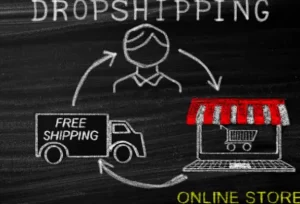
Dropshipping from China 3

*E-commerce growth: Online shopping continues to surge globally. In 2023, global e-commerce sales were expected to surpass $6 trillion. As more people buy products online, the demand for low-risk, low-investment business models like dropshipping has only increased.
*Accessibility and low entry barriers: Unlike traditional retail, dropshipping requires minimal upfront investment. You don’t need to invest in large quantities of inventory or worry about warehousing. This makes it an attractive option for many entrepreneurs.
*Improved supplier networks: Countries like China have advanced their logistics and product manufacturing capabilities. Platforms such as AliExpress, Alibaba, and Dropsure are now more efficient, offering faster shipping times, better-quality control, and robust customer service.

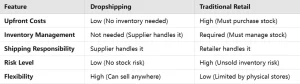
Comparing Dropshipping to Traditional Retail:
Compare

As you can see, dropshipping is far less risky and requires much less capital than traditional retail models, making it ideal for entrepreneurs looking to enter the market with limited investment.

Is Dropshipping Easy Now?

In the past, dropshipping was considered easy—just find a supplier, set up a website, and start selling. However, the landscape has evolved, and now dropshipping is no longer as “easy” as it once was.

Here’s why it’s more challenging:

  • Increased competition: With platforms like Shopify, WooCommerce, and AliExpress making it easier to start a dropshipping business, thousands of entrepreneurs have flooded the market. This means competition is fierce, and standing out can be challenging.
  • Higher customer expectations: In 2024, customers expect fast shipping (ideally within 7-10 days), high-quality products, and excellent customer service. Meeting these demands requires a lot more effort than simply adding products to a website.
  • Sophisticated marketing: Generic marketing strategies no longer work. Today’s successful dropshippers must be savvy in SEO, paid ads, email marketing, and social media campaigns to drive traffic to their stores.

The Reality of Dropshipping in 2024:

For instance, let’s compare the conversion rate of a typical dropshipping store versus a well-optimized one:

  • Basic store conversion rate:5% – 1% (for non-targeted ads, generic products, etc.)
  • Optimized store conversion rate: 2% – 3% (with a well-targeted niche, quality product images, and engaging content)

In the face of higher competition, dropshipping has become less about “quick wins” and more about strategic execution.

How to Succeed in Dropshipping?

Dropshipping from China 2

If you want to succeed in dropshipping today, it’s essential to approach it with the right strategy. Here’s a step-by-step guide based on the best practices for succeeding in the competitive e-commerce space.

1. Find a Profitable Niche

One of the most important factors in dropshipping success is choosing the right niche. Do thorough market research to identify products with high demand but low competition. Tools like Google Trends and Ubersuggest can help you identify trending products.

Example: Products in the health and wellness sector, like eco-friendly yoga mats, have seen a surge in demand, while more saturated niches like smartphones may be harder to penetrate.

Wellness industry

2. Choose the Right Suppliers

Work with reliable suppliers who offer high-quality products and fast shipping times. Websites like Dropsure provide a network of trusted suppliers that cater specifically to dropshipping businesses. Partnering with trusted suppliers ensures fewer customer complaints and better overall business performance.
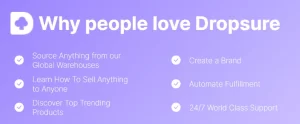
Why People Love DropSure

3. Build a Strong Brand

To stand out in a competitive market, focus on building a strong brand. This includes a user-friendly website, clear value propositions, and a unique selling point (USP) that differentiates you from others. A well-branded business attracts loyal customers and builds trust.

  • Example: Brands like Gymshark have thrived in niches like fitness apparel by focusing on building a strong community and brand identity.

4. Invest in Marketing

Dropshipping businesses that succeed today are those that know how to market their products effectively. A solid marketing strategy is key to driving traffic and sales to your store. Focus on:

  • Social media marketing (Instagram, Facebook, TikTok)
  • Influencer marketing
  • Search engine optimization (SEO)

5. Optimize Customer Experience

Customer experience plays a huge role in dropshipping success. Ensure fast response times to customer inquiries, offer hassle-free returns, and ensure timely shipping. Providing excellent customer service will help build customer loyalty and positive reviews.
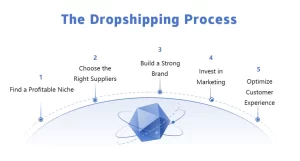
The Dropshipping Process

Conclusion

So, is dropshipping still a viable business model? Absolutely. While it’s no longer a “get-rich-quick” scheme, dropshipping remains a profitable business model for those who are willing to put in the effort. By selecting the right niche, partnering with reliable suppliers like Dropsure, and optimizing your marketing efforts, you can still achieve success in the world of e-commerce.

If you’re serious about dropshipping and want to start with a strong foundation, Dropsure is here to help. We provide reliable suppliers, streamlined processes, and the tools you need to grow your dropshipping business. Whether you’re just starting out or looking to scale, we’ve got you covered!

DropSure bottom


DropSure is Your Best Partner
22 Years Experience
Affiliate Rebates
100% Quality Guarantee
Top-Up Rewards
10+ Global Warehouses
Custom Branding Support
Smart inventory System
24/7 Customer Support
Get a Quote in 24 Hours
Start Sourcing for Free

Keep Learning

If you’re into dropshipping, you know how tedious the operations can get — handling orders, tracking inventory, adjusting prices… But here’s the good news: you can totally hand off these headaches to professional tools. Use the right tools, and you’ll save tons of time to focus on what really drives profits — like closing deals and expanding into new markets. This guide is made just for you. We’ve picked seven top-notch dropshipping tools that automate the complicated stuff, making your work more efficient and your life easier. Keep reading to find out what these tools can do and how to get the most out of them. What is Dropshipping Automation? In the dropshipping business, tasks like order fulfillment, inventory management, price adjustments, and product research are daily essentials—and there’s no room for mistakes. Handling them manually is not only tedious but also error-prone and inefficient. Automation means using tools to take care of these repetitive yet critical steps, so you don’t have to do everything yourself. For example, with the right automation tools, you can import products from suppliers to your store with just one click. When a customer places an order, the system automatically sends the order details to your supplier for processing—no manual work needed. If your supplier changes their prices, your store can automatically adjust the prices to avoid losses or shrinking profit margins. Smarter sellers even use chatbots to handle common customer inquiries, so they can focus their energy on more complex tasks that truly require human decision-making. Why Should You Use Dropshipping Automation Software?  The biggest advantage of using dropshipping automation tools is simple: less stress, more time, and higher profits. Here’s how they help you: ● […]

In today’s fiercely competitive cross-border e-commerce landscape, advertising costs are soaring, and acquiring new customers is becoming increasingly expensive. If you’re a dropshipping seller looking to boost profits without blindly increasing your ad budget, then increasing your Average Order Value (AOV) is one of the most worthwhile optimization strategies you can invest in. This blog will break down in detail:● What AOV is and why it’s critical for profitability● 6 practical strategies to increase AOV● Tool recommendations and real case studies● Data references and actionable tips What is AOV?  AOV stands for Average Order Value. It refers to the average revenue generated from each customer order and is a key metric for evaluating your store’s profitability. The formula is quite simple:Total revenue during a given period ÷ Total number of orders = AOV For example, if your store made $10,000 in revenue this month from 200 orders, your AOV would be:$10,000 ÷ 200 = $50 That means, on average, each order brought in $50 of revenue. Why Increasing AOV Is Essential for Your Business  Increasing AOV is not just a fancy trick — it’s a key metric in e-commerce operations that directly impacts profit, efficiency, and sustainable growth. Here are four core reasons why you should focus on boosting your AOV right now. Increase Profit Without Raising Order Volume  First, increasing AOV means you can boost overall profit without needing to increase the number of orders. You don’t have to rely on “fake orders” or price wars to push volume — simply getting customers to buy a bit more each time will expand your profit margin. This is especially practical and direct leverage for sellers with inventory pressure or limited […]

As the secondhand fashion economy thrives, Poshmark, one of North America’s largest resale platforms, has attracted millions of users. However, newcomers often prioritize two critical questions: Is Poshmark legal? Are transactions secure here? This article will delve into the platform’s operational mechanisms and provide an essential guide for buyers and sellers before engaging in transactions. Is Poshmark legal Poshmark was founded in 2011 and is headquartered in California, USA. It is a compliant enterprise regulated by law. Its business model is similar to eBay or Etsy, earning profits by connecting buyers and sellers and charging commissions. The platform supports transactions for fashion items such as clothing, shoes, bags, and accessories, and even allows the resale of luxury goods. As of 2025, Poshmark has over 80 million users and was acquired by the Korean internet giant Naver, which further strengthens its financial and operational stability. From a legal perspective, Poshmark requires users to comply with intellectual property laws and prohibits the sale of counterfeit or prohibited items. If a user violates the rules, the platform may freeze the account or hand the case over to judicial authorities. Therefore, as long as users follow the platform’s rules, the transactions themselves are entirely legal. However, legality and safety are not entirely equivalent—personal operational risks in the buying and selling process still need to be guarded against. How to Avoid Pitfalls in the Shopping Process As a buyer, how can you avoid pitfalls in the shopping process? First, be alert to the risks of counterfeit goods and overly embellished product descriptions. Although the Poshmark platform allows individual sellers to upload various products, its authentication service for luxury goods only applies to items with a unit […]

Recommended for you