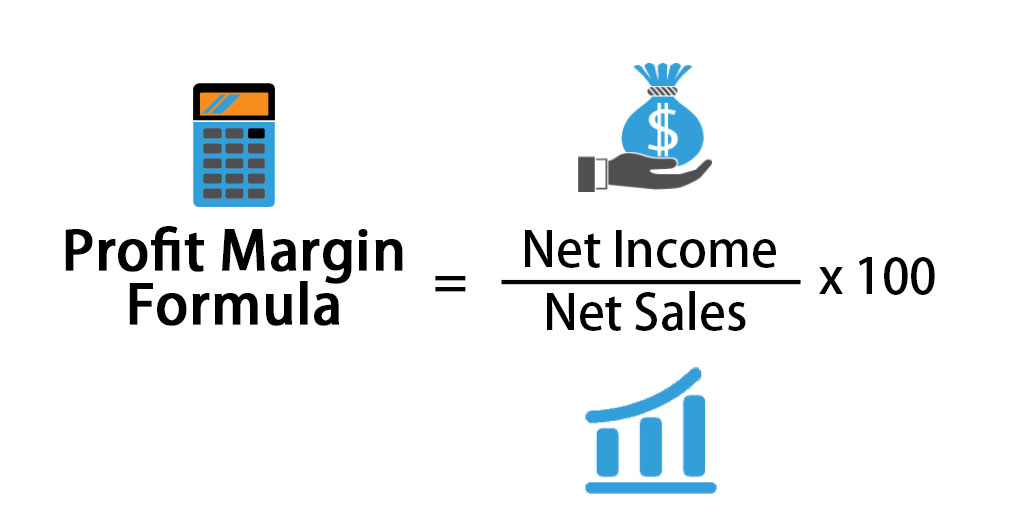
Should I focus on high-profit products or high-volume products? At first glance, the answer seems obvious. High margins sound attractive, while high sales volume feels safer. But in reality, dropshipping success rarely comes from choosing one extreme over the other. The most sustainable stores are built by sellers who understand how to balance profit margins and sales volume—and how that balance shifts depending on product type, traffic source, and business stage. This article breaks down the real economics behind dropshipping products, explains why many stores fail despite “good margins,” and shows how to select products that can scale without destroying cash flow, ad performance, or operational stability. 1. Understanding the Two Forces That Drive Dropshipping Revenue 1.1 Profit Margin: What You Earn Per Order Profit margin is usually calculated as: (Selling Price – Product Cost – Shipping – Transaction Fees – Ad Cost) = Net Profit High-margin products: Leave more room for advertising Absorb returns and refunds more easily Require fewer orders to be profitable But they often face higher resistance to purchase. 1.2 Sales Volume: How Many Orders You Generate Sales volume is driven by: Market demand Price sensitivity Ease of understanding the product Impulse-buy potential High-volume products: Move fast Generate social proof quickly Help stores look “alive” But they can suffer from thin margins and operational pressure. 2. Why Chasing Only High Margins Often Fails 2.1 The High-Margin Illusion Many beginners believe: “If I make $40 per sale, I only need a few orders a day.” In practice: High-margin products usually require stronger branding Conversion rates are lower Customer trust becomes a bigger barrier Without brand authority, expensive products are hard to scale. 2.2 Higher Prices Mean Higher […]

January 9, 2026

A product can go from complete obscurity to selling tens of thousands of units in a matter of days, driven almost entirely by social media. TikTok, Instagram Reels, YouTube Shorts, and Facebook feeds have replaced traditional product research tools as the front line of demand discovery. For dropshippers, this creates both opportunity and danger. Those who know how to track, validate, and act on social media trends early can build profitable stores quickly. Those who chase trends too late often end up with saturated products, ad fatigue, and shrinking margins. This guide breaks down how to systematically track social media viral products, separate real opportunities from noise, and turn trends into scalable dropshipping businesses. 1. Why Social Media Has Become the Core of Product Discovery 1.1 From Search-Driven to Feed-Driven Commerce Traditional e-commerce relied on: Keyword searches Intent-based buying Comparison shopping Social commerce is different: Products are discovered passively Demand is created emotionally Purchases are impulsive and fast In dropshipping, this shift favors trend awareness over inventory depth. 1.2 The Psychology of Viral Products Viral products usually succeed because they trigger: Curiosity (“What is that?”) Surprise (“I didn’t know I needed this”) Visual satisfaction Social proof Understanding this psychology is essential before tracking tools or metrics. 2. What Defines a “Social Media Winning Product”? Not every viral post equals a winning product. A strong dropshipping product typically has: A clear visual demonstration An obvious problem-solution angle Broad audience appeal Low explanation cost Strong emotional hook Products that require long education cycles rarely go viral. 3. Platforms That Matter Most for Viral Product Tracking 3.1 TikTok: The Trend Engine TikTok is currently the most powerful platform for: Early trend discovery Low-cost […]

January 7, 2026

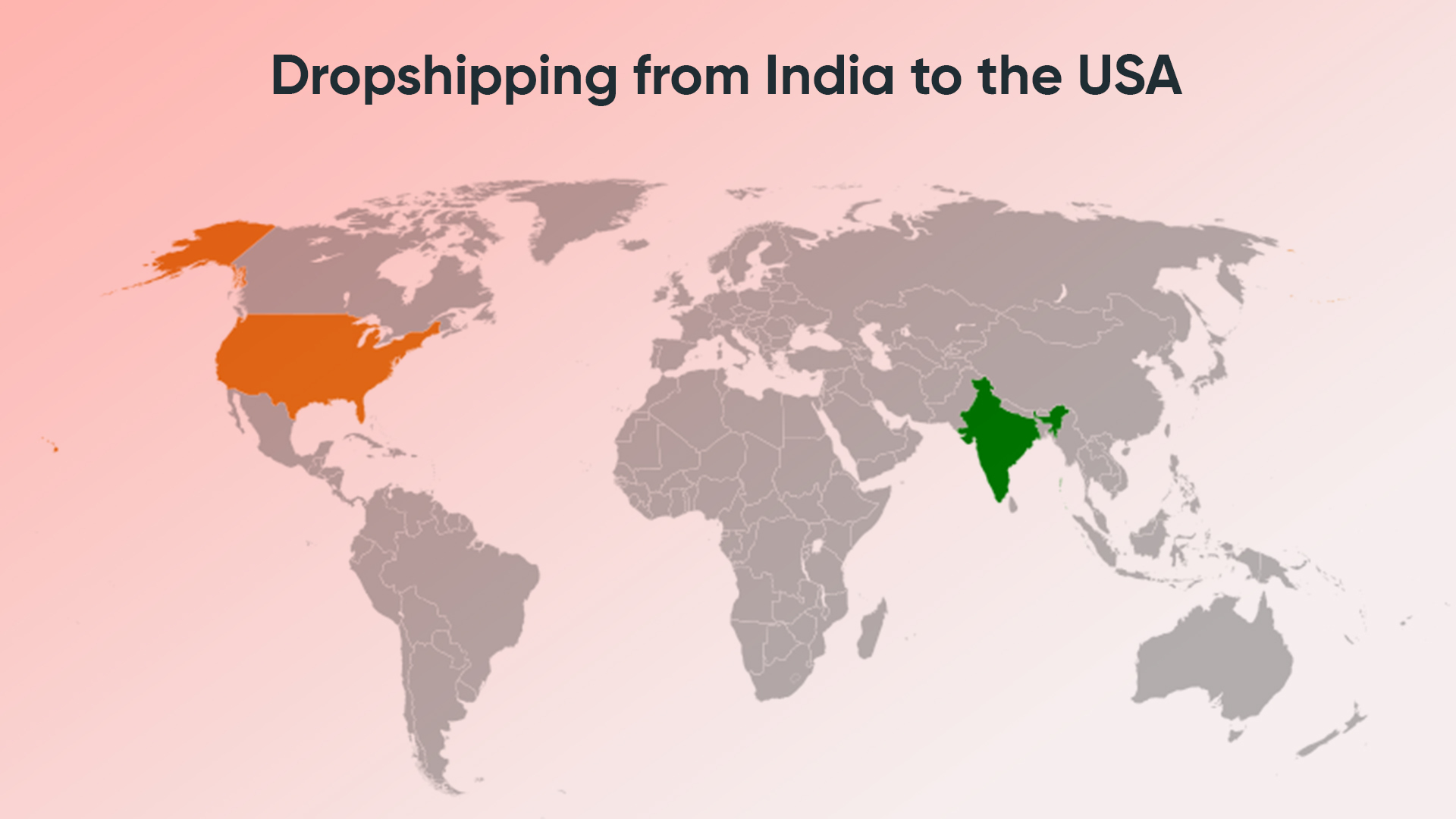
Yet for every success story, there are countless sellers who discover—often too late—that what sells well in one country can completely fail in another. The reason is rarely logistics or pricing alone. More often, the real barrier is culture. Cultural expectations shape how consumers perceive value, quality, safety, aesthetics, messaging, and even trust. Ignoring these differences turns product selection into guesswork. Understanding them turns it into strategy. In this article, we’ll explore how cultural differences impact cross-border dropshipping product selection—and how smart localization can transform the same product into a market-ready winner. 1. Why Culture Matters More Than Sellers Expect 1.1 Dropshipping Is Global, Consumers Are Local While eCommerce platforms make global selling easy, buying behavior remains deeply local. Culture influences: What problems people care about How they define “quality” How much explanation they expect What feels trustworthy or suspicious A product that feels innovative in one market may feel unnecessary—or even offensive—in another. 1.2 Product Selection Is a Cultural Decision Most sellers think localization starts with translation. In reality, localization starts much earlier—with what you choose to sell in the first place. Successful cross-border sellers don’t ask: “Can I sell this globally?” They ask: “In which cultures does this product naturally fit?” 2. The Most Common Cultural Mistake in Dropshipping 2.1 Assuming Demand Is Universal Many beginners assume: A viral product will work everywhere A bestseller on one platform will succeed globally Function alone drives purchasing decisions In reality, context matters more than function. 2.2 The “One-Size-Fits-All” Trap A single product page, ad creative, and pricing strategy for multiple countries often leads to: Low conversion rates High return rates Poor customer trust The product isn’t wrong. The approach is. […]

January 4, 2026

In dropshipping, product selection is important—but timing is everything. You can have a great product, a reliable supplier, and a beautifully designed store. Yet if you launch that product too early, you burn cash. Launch too late, and the market is already saturated. This is especially true for seasonal products, where demand rises and falls on a predictable—but often misunderstood—schedule. Successful dropshippers don’t chase seasons.They prepare for them. This guide breaks down how to build a golden seasonal product timeline—so you know what to sell, when to test, when to scale, and when to exit. If you want consistent revenue instead of seasonal chaos, this is your roadmap. 1. Why Seasonal Products Matter in Dropshipping 1.1 Seasonal Products Drive Explosive Demand Seasonal products benefit from: Natural urgency Emotional buying triggers Predictable demand spikes Think: Summer cooling products Back-to-school supplies Holiday gifts Winter wellness items When timed correctly, seasonal items can: Convert faster Require less persuasion Command higher margins 1.2 The Hidden Risk of Seasonality However, seasonal products also: Have short selling windows Require precise planning Punish late movers The biggest mistake new dropshippers make is confusing high demand with good timing. 2. The Core Principle: You Sell Before the Season Peaks Here’s the rule that separates beginners from professionals: You must launch before customers realize they need the product. By the time demand is obvious: CPMs are high Competition is intense Margins are shrinking The real money is made in the buildup phase, not at peak season. 3. Understanding the Seasonal Demand Curve Every seasonal product follows a similar curve: Dormant Phase – No visible demand Early Awareness Phase – Smart buyers start searching Growth Phase – Demand accelerates rapidly […]

December 29, 2025

In dropshipping, product selection often gets the spotlight. Sellers obsess over trending items, ad creatives, and profit margins. But behind every successful product is a far less glamorous—and far more critical—factor: the supplier. A weak supplier can destroy a winning product. Late shipments, inconsistent quality, poor communication, and unstable inventory can turn strong demand into refunds, chargebacks, and negative reviews. On the other hand, a reliable supplier can elevate an average product into a sustainable, scalable business. In the world of dropshipping, you don’t control inventory, packaging, or fulfillment. What you do control is who you partner with. That makes supplier evaluation one of the most important skills any dropshipper can develop. This article provides a deep, practical framework for judging supplier strength—before you invest time, money, and traffic into a product. 1. Why Supplier Strength Is the Real Barrier to Scaling 1.1 Dropshipping Is a Trust-Based Model Unlike traditional e-commerce, dropshipping relies on: Third-party inventory Remote fulfillment Limited direct oversight Your supplier becomes an extension of your brand—whether you like it or not. 1.2 Common Supplier-Related Failures in Dropshipping Many dropshipping stores fail not because of: Bad ads Poor websites Lack of demand But because of: Shipping delays Quality inconsistencies Inventory shortages Unresponsive suppliers Evaluating supplier strength early prevents these problems later. 2. Understanding What “Supplier Strength” Really Means Supplier strength is not just about price. It’s a combination of multiple capabilities working together. Key dimensions include: Manufacturing or sourcing capacity Quality control systems Inventory stability Fulfillment speed Communication efficiency Business reliability A cheap supplier without operational strength is a liability, not an asset. 3. Factory vs. Trading Company: Know Who You’re Dealing With 3.1 Factories Advantages: Better pricing […]

December 24, 2025

In the early days of dropshipping, success often came from chasing what was popular. If a product went viral, thousands of sellers rushed in. Margins were high, competition was low, and speed mattered more than strategy. That era is over. Today’s dropshipping landscape is crowded, competitive, and algorithm-driven. Selling the same trending products as everyone else no longer guarantees profit—in fact, it often guarantees failure. Rising ad costs, price wars, and consumer fatigue have made “hot products” increasingly difficult to scale. This is why a growing number of successful sellers are shifting their focus toward underrated, low-competition niches. These so-called “boring” or overlooked categories are quietly becoming the most reliable way to build sustainable dropshipping businesses. In this article, we’ll explore a new product selection mindset—one that prioritizes niche depth over mass appeal, data-backed demand over hype, and long-term positioning over short-term wins. 1. Why Traditional Dropshipping Product Selection Is Failing 1.1 The Saturation Problem Scroll through TikTok, YouTube, or Instagram, and you’ll see the same products repeated over and over: Viral gadgets “Problem-solving” kitchen tools Beauty devices with dramatic demos By the time these products reach mainstream attention: Hundreds of stores are already selling them Ad creatives look identical Consumers have seen them too many times Saturation doesn’t just reduce profit—it destroys trust. 1.2 Rising Costs and Shrinking Margins Popular niches attract: Aggressive ad bidding Copycat competitors Price undercutting As a result: Customer acquisition costs increase Average order value stagnates Profit margins collapse Many sellers mistakenly believe the problem is marketing, when in reality, the issue lies in product selection. 2. What Does “Underrated Niche” Really Mean? 2.1 Underrated Does Not Mean No Demand An underrated niche is not […]

December 23, 2025
1 2 3 4 34
DropSure is Your Best Partner
22 Years Experience
Affiliate Rebates
100% Quality Guarantee
Top-Up Rewards
10+ Global Warehouses
Custom Branding Support
Smart inventory System
24/7 Customer Support
Get a Quote in 24 Hours
Start Sourcing for Free