< Blogs

Unlocking TikTok Shop Delivery Times: Every Seller and Shopper Needs to Know

Vivan Z.
Created on November 30, 2024 – Last updated on February 6, 202510 min read
Written by: Vivan Z.

TikTok Shop has changed the way we shop by combining social media with online shopping. Users can find products through viral videos, shop from live streams, or visit brand pages—all within the app. But after making a purchase, the next step is delivery.

For both sellers and buyers, knowing how TikTok Shop delivery times work is important for a smooth transaction. In this guide, we’ll explain what affects delivery times, how sellers can improve their shipping process, and how delivery times impact the customer experience.

Tiktok Delivery Time

What is TikTok Shipping?

TikTok Shipping refers to the entire delivery process from when a customer places an order to when they receive their product on TikTok Shop. As TikTok quickly grows into a leading global e-commerce platform, TikTok Shipping has been created to provide a seamless shopping experience for both sellers and buyers. Customers can browse products, shop via live streams, and complete orders, payments, and deliveries all within the TikTok app.

Once a seller lists their products on TikTok Shop and a customer places an order, TikTok Shipping automatically begins. It handles every step, from order processing and packaging to shipping the product to the customer. This fully integrated logistics system allows sellers to connect with global buyers using TikTok’s massive traffic and marketing tools, while buyers enjoy a fast and easy shopping experience.

Key Processes of TikTok Shipping 


Tiktok Order Tracking


1.Shipping ways
TikTok Shop gives sellers several flexible shipping options. Sellers can choose the best shipping ways based on customer needs and product types, such as standard shipping, express shipping, or international shipping. Sellers can decide the shipping ways based on the urgency of the order or the customer’s location to ensure timely and safe delivery. Offering faster shipping methods may cost more, but it can improve customer satisfaction and increase repeat purchases.


2.Delivery Time
Delivery time is a crucial part of TikTok Shipping. It affects the customer experience and helps sellers maintain a good reputation. Delivery times are influenced by factors like the seller’s location, the chosen shipping method, and whether the seller uses TikTok’s official logistics partners. Typically, choosing express shipping or working with TikTok’s recommended logistics providers will shorten delivery times and meet the needs of customers who want their products quickly. However, faster shipping often comes with higher costs, so sellers must balance delivery speed with shipping costs.


3.Shipping Fees
Sellers on TikTok Shop can set their own shipping fees based on their marketing strategies and logistics costs. They can charge customers for shipping or offer free shipping to attract more buyers. Offering “free shipping” can make the product more appealing and increase conversion rates. Free shipping is especially effective during sales seasons or holidays, encouraging customers to make a purchase. However, sellers need to consider their cost structure to ensure that offering free shipping does not negatively impact their overall profit.


4.Order Tracking

To keep customers informed about the status of their packages, TikTok Shop offers an order tracking feature. Customers can easily check if their order has been shipped, where it is currently located, and when it is expected to arrive, either on the platform or through the TikTok app. With clear and transparent tracking information, customers can feel confident while waiting for their products, reducing anxiety caused by uncertainty. For sellers, providing complete order tracking information helps build trust with customers and reduces after-sales issues.


Delivery Time: A Key Metric in TikTok Shipping


Delivery time is one of the core factors influencing customers’ shopping experience on TikTok. It directly impacts customer satisfaction and their willingness to make a purchase. In TikTok Shop, delivery time is not only a key indicator of a seller’s service quality, but also a crucial factor in encouraging quick purchases and increasing repeat sales.


logistics partners

1. Factors Affecting Delivery Time

Delivery time plays a huge role in the TikTok shopping experience! It directly affects customers’ feeling to receive their orders and determines their overall satisfaction with the shopping process. So, what factors influence delivery time?

First, the seller’s location is a major factor. If you are based in London and your customer is also in London, delivery will usually be fast. However, if you’re shipping from another country—especially for cross-border e-commerce—there are many steps involved, such as customs clearance and international shipping, which can extend the delivery time.

Next, the shipping ways you choose is key. Standard shipping is usually cheaper but slower, while expedited shipping gets products to customers faster, but with a higher cost. Sellers need to carefully consider the needs of their target market and choose the right shipping option based on delivery time and cost. Also, holiday seasons or shopping events like Black Friday or Singles’ Day (Double 11) can lead to busier logistics networks, causing delays in deliveries.


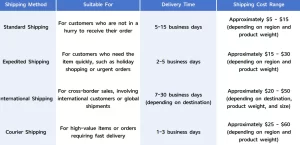
TikTok provides flexible logistics options, and here are a few common shipping ways:

shipping method


Notes:

● Standard Shipping: Typically used for regular items with lower costs but longer delivery times.

● Expedited Shipping: Suitable for orders that need faster delivery, with higher shipping costs.

● International Shipping: Used for cross-border sales, requiring customs clearance and longer shipping times.

● Express Shipping: Used for valuable or urgent orders, usually provided by specialized courier companies. It’s fast but comes with higher shipping fees.


2. How to Optimize Delivery Times?


To get customers their desired products as quickly as possible, sellers need to optimize delivery times from multiple angles. First, choosing the right logistics partner is crucial. Partnering with experienced and fast logistics companies can significantly improve order fulfillment efficiency. For example, TikTok offers many reliable logistics partners. By selecting these service providers, your packages are more likely to arrive on time, preventing delays caused by logistical issues.
 

Tiktok


Here are some key TikTok logistics partners:

● DHL
DHL is one of the world’s leading logistics companies, providing fast and reliable international and domestic shipping services. It is ideal for sellers needing cross-border delivery, supporting shipments from locations like China and the US to many regions worldwide.

● FedEx
FedEx offers a full range of shipping services, including domestic and international express delivery. Known for its speed and service quality, it is suitable for e-commerce sellers, especially for high-value goods that require quick delivery.

● UPS
UPS is another global logistics giant, focused on providing flexible courier and shipping services. Through integration with TikTok, sellers can easily manage their order deliveries.

● Royal Mail
As the UK’s primary postal and courier service provider, Royal Mail is the first choice for many UK sellers. It offers various delivery options from local to international, ideal for sellers shipping within the UK.

● China Post
For sellers shipping from China, China Post offers economical international postal services. While delivery times are longer, it is a cost-effective option, especially for smaller or lighter products.

Another tip is to use localized warehouses. Having a warehouse closer to your target market can reduce shipping time and cost, especially when fulfilling domestic orders.


3. Delivery Times and Customer Experience

Delivery time and customer experience are closely linked—almost inseparable. Imagine placing an order, only to wait several weeks for it to arrive. Not only would that make you anxious, but it could also cause doubts about the seller’s overall service. On the other hand, fast delivery creates a positive impression, making customers feel the store is reliable, the service is excellent, and the overall shopping experience is top-notch. This can lead to repeat business and happy customers.

Especially on a social platform like TikTok, customer feedback spreads quickly. If delivery is slow, customers will quickly share their dissatisfaction in the comment section, which can harm your shop’s reputation. So, ensuring fast delivery not only increases customer satisfaction but also encourages repeat customers and positive reviews, helping expand your brand’s reach. Some customers might even share their excitement about receiving their packages, becoming brand ambassadors in the process! This is exactly what every e-commerce seller hopes for.


4. TikTok Shop’s Delivery Time Advantages

TikTok Shop leverages its strong platform to connect sellers with global customers quickly while enhancing delivery efficiency. By using TikTok’s logistics partners, sellers can ensure that their packages reach customers swiftly and securely. TikTok is also dedicated to improving delivery processes and reducing unnecessary delays.

One of the best features is the order tracking function, which allows customers to track their packages in real time, keeping them informed about the delivery progress. This feature not only gives customers a greater sense of control but also boosts their satisfaction with the shopping experience. If any issues arise during transit, customers can contact the seller through the platform, ensuring that the transaction is completed smoothly.

In conclusion, understanding TikTok Shop’s delivery times is essential for both sellers and shoppers to ensure a seamless shopping experience. Sellers who prioritize efficient shipping strategies and clear communication about delivery times can build trust with their customers and drive repeat business. Shoppers, on the other hand, benefit from realistic expectations and timely deliveries, which enhances their overall satisfaction with the platform. By staying informed about the factors that influence delivery times and leveraging tools to optimize shipping, everyone can enjoy a smoother, more reliable shopping experience on TikTok Shop.

Buttom

DropSure is Your Best Partner
22 Years Experience
Affiliate Rebates
100% Quality Guarantee
Top-Up Rewards
10+ Global Warehouses
Custom Branding Support
Smart inventory System
24/7 Customer Support
Get a Quote in 24 Hours
Start Sourcing for Free

Keep Learning

Dropshipping has become popular in recent years. It has low entry barriers and does not require inventory. This makes it a great option for new sellers. However, expanding your business into international markets often brings complex tax policies that can be a headache. Without understanding these in advance, your profit margins may suffer, and you could even face compliance risks. Today, we will talk about tax issues for dropshipping sellers. We will focus on important markets like the U.S., EU, Australia, and Canada. United States: Sales Tax Varies by State   In the U.S., sales tax can be quite complicated since each state has its own regulations. In simple terms, if your dropshipping business creates an “economic nexus” in a state, you must collect sales tax. This happens when you meet a specific sales threshold in that state. Tax rates can be very different. For example, California has an average sales tax of 7.25%. In contrast, Oregon has no sales tax at all. It is important for dropshipping sellers to know where they have an economic nexus. They should also check the tax rates in those states. Sales tax rates in the U.S. can vary a lot. Some rates are close to 10%. However, some states do not collect sales tax at all. For dropshipping sellers, setting the right prices according to state tax rates is essential to ensure profitability. European Union: Uniform Rules for Value-Added Tax (VAT)     Compared to the U.S., the EU has a more unified tax policy. All sellers who sell goods within the EU must pay Value-Added Tax (VAT), regardless of their location. However, each country’s VAT rate varies, such as 19% in Germany […]

Many new e-commerce sellers fall into a common trap: they assume that the more orders they get and the higher the sales volume, the more profit they’ll naturally make. But reality often hits hard—when they tally up the numbers at the end of the month, the profit isn’t nearly as impressive as expected. In fact, they might just break even—or worse, end up in the red. So, what’s going wrong? It’s not that you don’t know how to sell. The real issue is the “invisible fulfillment costs” quietly eating away at your profits. Warehousing, packaging, shipping, returns… every step costs money. But because these costs are scattered and not always obvious, they’re easy to overlook. For early-stage sellers with limited resources and small teams, blindly throwing money at operations can quickly lead to a vicious cycle of “the more you sell, the more you lose.” Instead of waiting for a cash flow crisis to hit, it’s way smarter to build a healthy, efficient fulfillment system from day one. That’s why we’ve put together 10 practical, easy-to-implement strategies—specifically for new e-commerce teams. They’ll help you spend your money wisely from the very first order and keep your profits firmly in your pocket. Wise Choice of Fulfillment Model: In-house, Outsourced, or Hybrid? The choice of fulfillment method directly impacts your cost structure, operational flexibility, and customer experience. Currently, there are three main fulfillment models, each with its own applicable scenarios and advantages: In-house Fulfillment This is the model often adopted by many startup sellers—handling inventory, picking, packing, and shipping processes in-house, either by the seller themselves or with hired staff. The advantage of in-house fulfillment is greater control over inventory, shipping speed, […]

Is Amazon the Only Option? Think Again! When people think of online shopping, Amazon often comes to mind first. But did you know there are plenty of other e-commerce platforms that offer great alternatives—some with lower fees, niche markets, or better seller support? Whether you’re a seller looking for new opportunities or a shopper searching for unique products, exploring different platforms can open up exciting possibilities. Here are 15 e-commerce platforms that are giving Amazon a run for its money! Global E-commerce Platform  eBay Founded in 1995, eBay is one of the world’s earliest e-commerce platforms, headquartered in California, USA. Its core model is C2C and auction mechanism, allowing individuals or small businesses to trade second-hand goods, collectibles, niche goods, etc. through bidding or one-bite price. As of 2025, eBay covers more than 190 countries and regions, and users can conduct transactions through localized sites (e.g., eBay US, UK, etc.). The platform features long-tail goods (rare items, personalized goods) and flexible pricing. Core differences between eBay and Amazon  1. Business models and types of sellers ● eBay: Started as an auction model and later expanded to fixed-price sales, focusing on C2C and small B2C. Sellers are mostly individuals or small and medium-sized merchants, and their products are mainly second-hand, collectibles, and non-standard products. ● Amazon: B2C self-operated (Amazon Retail) and third-party merchants, focusing on standardized products and new products. The proportion of large brand names is higher, and the product categories are concentrated in standardized products such as electronic products, daily necessities and books. 2. Fee structure and logistics ● eBay: Fees include listing fees (product listing fees) and transaction fees (about 10-15% commission), no warehousing fees. No warehousing fees. […]

Recommended for you