

















< Blogs

Top 5 Underrated New Products to Make Big Profits This Summer 2025

Vivan Z.
Created on July 10, 2025 – Last updated on July 23, 20255 min read
Written by: Vivan Z.

Still stuck selling T-shirts and water bottles? Come on, wake up! The real money-making opportunities for summer 2025 aren’t in those oversaturated niches anymore. Today, I’m breaking down 5 seriously underrated new products—low competition, high margins, and perfect for anyone looking to level up and cash out this summer. If you’re selling on TEMU, Amazon, or your own store, this is one list you don’t want to miss.

Portable Solar-Powered Cooling Fan

Why it’s worth betting on:

Market Trend: The global portable cooling devices market is expected to grow over 15% by 2025, with solar-integrated fans being the fastest-growing segment.
Consumer Pain Points: Summer outdoor activities and camping are booming. People are craving “zero electricity bills, zero noise, instant cooling.”
Profit Logic: With standardized solar panels and ABS mold-based mass production, unit cost can be pushed down to $25–$30, while retail price ranges from $70–$100. That’s over 50% gross margin per unit.
My Take: Focus early on product validation and solid marketing creatives. Highlight the dual appeal of “eco-friendly + refreshing.” One good ad campaign could trigger explosive sales.
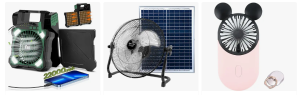
Portable Solar-Powered Cooling Fan

Smart UV Detection Patch

Why it’s worth betting on:

Market Trend: UV-sensing devices saw nearly 40% growth last year. Disposable, wearable patches are just starting to gain traction.
Consumer Pain Points: Outdoor lovers care about skin health, but rarely carry dedicated UV meters. This sticker-style product can be placed on the back of your hand or sleeve, and changes color to reflect UV levels — fun, visible, and useful.
Profit Logic: Production cost is just $0.30, with a selling price of $3–$5. Even after shipping and packaging, net profit per item can easily exceed 100%.
My Take: Perfect for social media ads. A simple DIY unboxing video can capture the attention of young women, fitness fans, and fashion influencers.

Smart UV Detection Patch

AI Voice Pet Translator

Why it’s worth betting on:

Market Trend: The booming pet economy is projected to surpass ¥350 billion in cat and dog-related products alone. Smart hardware’s market share is expected to grow from 5% to 12%.
Consumer Pain Points: Pet owners constantly wonder what their pets are “trying to say.” Emotional connection is strong, but interpretation tools are lacking.
Profit Logic: Built with open-source voice models and low-power Bluetooth chips, cost can be kept at around $20, while retail pricing lands at $60–$80. Healthy margins.
My Take: It’s tech-heavy, yes, but if the user experience is solid, word-of-mouth and community sharing could create a viral snowball effect. Huge long-tail potential.

Portable Foldable Privacy Tent

Why it’s worth betting on:

Market Trend: Camping, beaches, music festivals—outdoor scenes are trending hard. Demand for shade and privacy is spiking.
Consumer Pain Points: Traditional tents are bulky and hard to set up. Users prefer lightweight, instant pop-up styles.
Profit Logic: Made from Oxford fabric and aluminum spring rods, unit cost is around $15–$18. Market price falls between $45–$60, bringing in up to 60% profit margin.
My Take: Best to go omnichannel on platforms like Pinduoduo and Amazon. Offer multiple color and size options—once customers try it, they won’t go back.
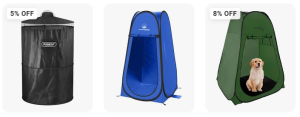
Portable Foldable Privacy Tent

Smart LED Grow Light for Home Gardening

Why it’s worth betting on:

Market Trend: Urban families are obsessed with balcony gardening and indoor plants. Smart home devices are rapidly gaining penetration.
Consumer Pain Points: Standard LED lights offer poor light spectrum and waste power. Smart lights with spectrum tuning and timers support full-cycle plant growth.
Profit Logic: Use of local chips and aluminum PCB keeps cost around $12–$15, while pricing it at $35–$50 delivers over 50% margins.
My Take: Push features like “App Control + Remote Monitoring + Multiple Modes.” A timelapse video showing strawberries growing from seed to fruit will instantly win over urban white-collar buyers and family households.
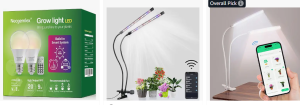
Smart LED Grow Light for Home Gardening

How to Launch Fast?

Early Testing: Order small batches, gather real feedback, and focus on usage scenarios and core pain points.
Precision Marketing: Collaborate with top KOLs and seeding influencers to build a high-quality content matrix.
Inventory & Logistics: Set up FBA or overseas warehousing for faster delivery and higher satisfaction.
Continuous Optimization: Improve based on user reviews and develop repeat customers into loyal fans.

Alright, those are my top 5 underrated product picks. Stop chasing what everyone else is selling—grabbing these hidden gems is the real shortcut to profit. If you found this helpful, hit that like button, save it, or drop a comment below telling me which one you’re betting on. Who knows, I might deep dive into your favorite next time. Summer is harvest season—don’t let these chances slip through your fingers!


buttom

DropSure is Your Best Partner
22 Years Experience
Affiliate Rebates
100% Quality Guarantee
Top-Up Rewards
10+ Global Warehouses
Custom Branding Support
Smart inventory System
24/7 Customer Support
Get a Quote in 24 Hours
Start Sourcing for Free

Keep Learning

When you get them right, they can generate explosive sales in a short period of time, boost cash flow, and bring in waves of new customers.When you get them wrong, you’re left with dead inventory, rushed discounts, and the sinking feeling that you were this close—but still too late. Most sellers don’t fail at seasonal products because they choose the wrong items.They fail because they start too late. In this guide, we’ll break down how experienced sellers use product research tools to plan seasonal winners three months ahead, avoid common traps, and turn predictable calendar events into repeatable revenue. This is not about guessing trends.It’s about building a system. Why Seasonal Products Feel So Risky (and Why They Don’t Have to Be) Ask most eCommerce sellers about seasonal products and you’ll hear the same fears: “What if demand doesn’t materialize?” “What if I miss the peak?” “What if everyone else sells the same thing?” “What if I’m stuck with inventory?” These fears are valid—but they’re also symptoms of poor timing, not bad strategy. Seasonal demand is actually one of the most predictable forces in eCommerce. Holidays don’t move. School seasons repeat. Weather patterns follow cycles. Gift-buying behavior is surprisingly consistent year after year. The real challenge isn’t uncertainty.It’s preparation. And preparation starts earlier than most sellers think. The 3-Month Rule: Why Timing Is Everything One of the biggest misconceptions about seasonal selling is when the “season” actually begins. Let’s take a common example: Christmas. Most new sellers think: “Christmas products sell in December.” Experienced sellers know: Research starts in September Listings and creatives are ready by October Ads and traffic warm up in early November Peak sales often happen before […]

For years, the “holy grail” of online business was simply finding the right product. We spent countless hours tethered to research software, staring at graphs of sales velocity and historical pricing, hoping to stumble upon that one “winning” item. But the landscape has shifted. In today’s market, having a great product is just the ante to get into the game. The real battle is won through execution—how you tell the story of that product, how you stop the scroll on social media, and how you convert a curious clicker into a paying customer. The good news? The same tools we once used only for “spying” and product selection have evolved into full-scale creative powerhouses. We are entering the era of the Automated Sales Funnel, where artificial intelligence and data-driven software handle everything from drafting your high-conversion ad copy to designing your landing pages. In this guide, we’ll explore how to leverage the “Creative Side” of modern e-commerce tools to build a brand at lightning speed. 1. The Death of Creative Block: AI-Powered Ad Copywriting One of the biggest hurdles for new entrepreneurs is the blank page. How do you write a Facebook ad that doesn’t sound like “salesy” junk? How do you craft a TikTok script that feels authentic but still drives a purchase? Modern research tools like Helium 10, Jasper, and Copy.ai have integrated “Sentiment Analysis” and Generative AI to do this for you. Turning Data into Persuasion Instead of guessing which features to highlight, these tools analyze thousands of customer reviews for your specific product category. They identify the exact “pain points” and “emotional triggers” your audience uses. The Process: You feed the tool a product URL. The […]

In today’s digital commerce landscape, many entrepreneurs enter markets filled with excitement—only to discover they are competing against massive brands with deeper budgets, stronger logistics, and years of accumulated customer trust. Competing directly in these saturated environments often leads to shrinking margins, rising advertising costs, and constant pressure to discount. Yet successful independent brands continue to emerge every year. They grow steadily, build loyal audiences, and achieve profitability without battling industry giants head-on. Their secret is not luck or massive funding. They succeed because they identify low-competition, high-value niche markets—spaces where demand exists but dominant players have not fully optimized solutions. This guide explores how to systematically uncover these opportunities, validate them, and position your business away from crowded red oceans and toward sustainable growth. Understanding the Difference Between Red Oceans and Niche Opportunities A red ocean represents markets where competition is intense, products are highly similar, and price becomes the primary differentiator. Typical characteristics include: Hundreds of near-identical products Heavy discounting High advertising costs Short product lifecycles Low customer loyalty Examples often include generic electronics accessories, basic apparel categories, or commodity home goods. A low-competition niche, by contrast, has: Specific unmet needs Clear customer identity Emotional purchasing motivation Specialized use cases Limited optimized solutions The goal is not to find markets without competitors. Instead, it is to find markets where competition does not yet fully understand the customer problem. Why Competing With Giants Is Usually a Strategic Mistake Large brands dominate through advantages that smaller businesses cannot easily replicate: economies of scale advanced supply chains established trust signals massive marketing budgets brand recognition Trying to outspend or outscale them often results in financial exhaustion. However, large companies also have […]

Recommended for you