< Blogs

10 Ways to Find Best-Selling Dropshipping Products

Vivan Z.
Created on October 11, 2025 – Last updated on October 11, 20253 min read
Written by: Vivan Z.

Finding best selling products is crucial for the success of your dropshipping business, especially when you need to quickly capitalize on trends. Here are 10 effective methods to help you discover potential top-sellers:

1. Research Your Competitors

  • Check out competitors’ websites, social media profiles, and product pages on platforms like Amazon or eBay. Tools like SimilarWeb and SpyFu can help you understand where your competitors’ traffic comes from and what products are performing well.

2. Leverage AliExpress

  • AliExpressis one of the most popular dropshipping platforms, and it features a “Hot Products” section that showcases trending products. Pay attention to order volume, reviews, and ratings to gauge the popularity of products.

3. Monitor Social Media Trends

  • Keep an eye on Instagram, TikTok, and Facebook to see what products users are talking about or tagging in posts. Viral content, especially on TikTok’s ” TikTok Made Me Buy It “section, can highlight trending products that might be worth selling.

4. Google Trends Analysis
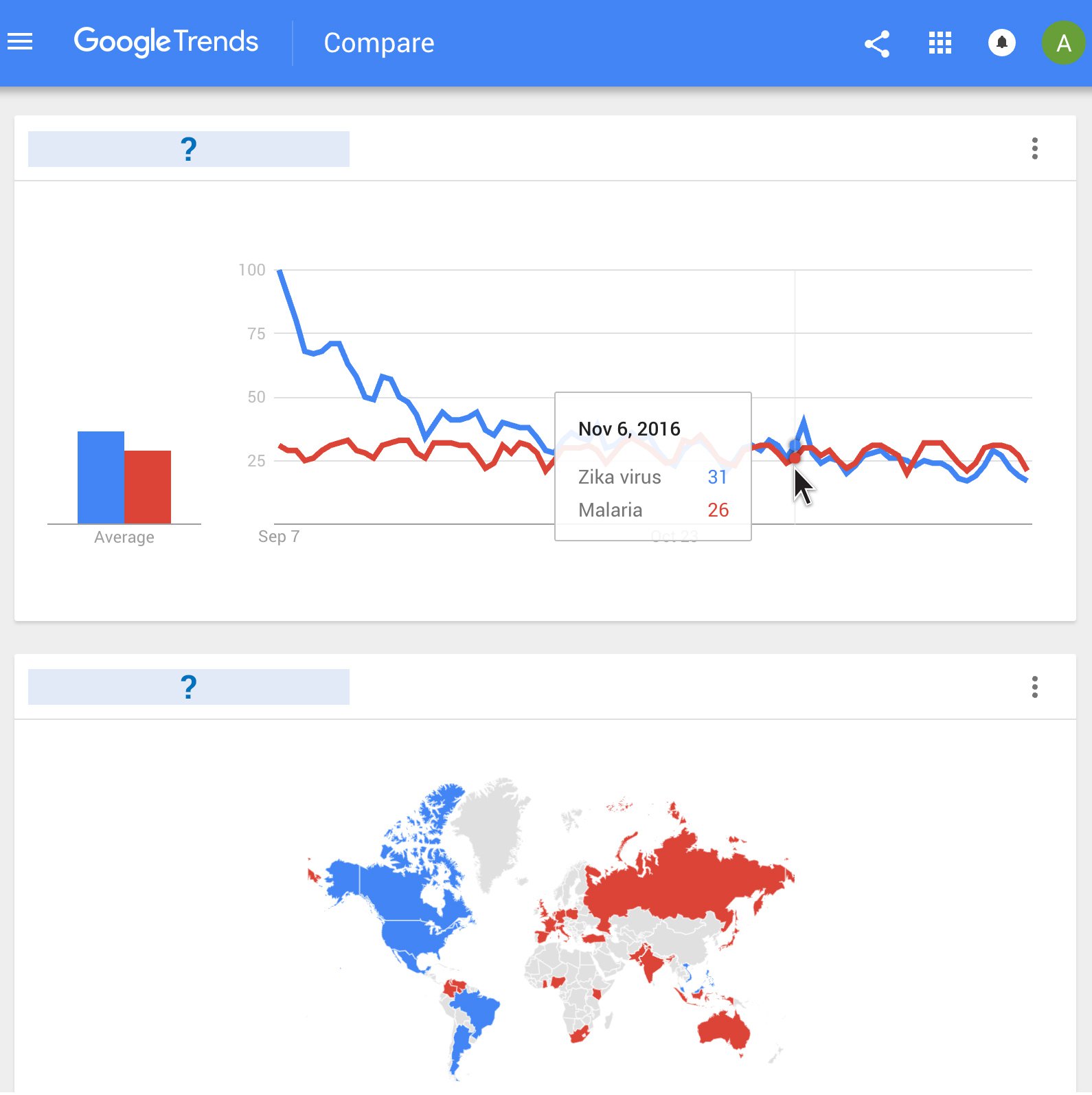
  • Use Google Trends to analyze the search volume and trends for specific products. This tool lets you track the popularity of keywords over time and can help you identify products with increasing demand.

5. Utilize Tools like NicheSpy & SaleHoo

  • Tools like NicheSpy and SaleHoo provide databases of trending dropshipping products. You can use these to filter for top-selling products in your niche and get detailed analytics about market demand.

6. Check eBay and Amazon Best Seller Lists
10 Ways to Find Best-Selling Dropshipping Products

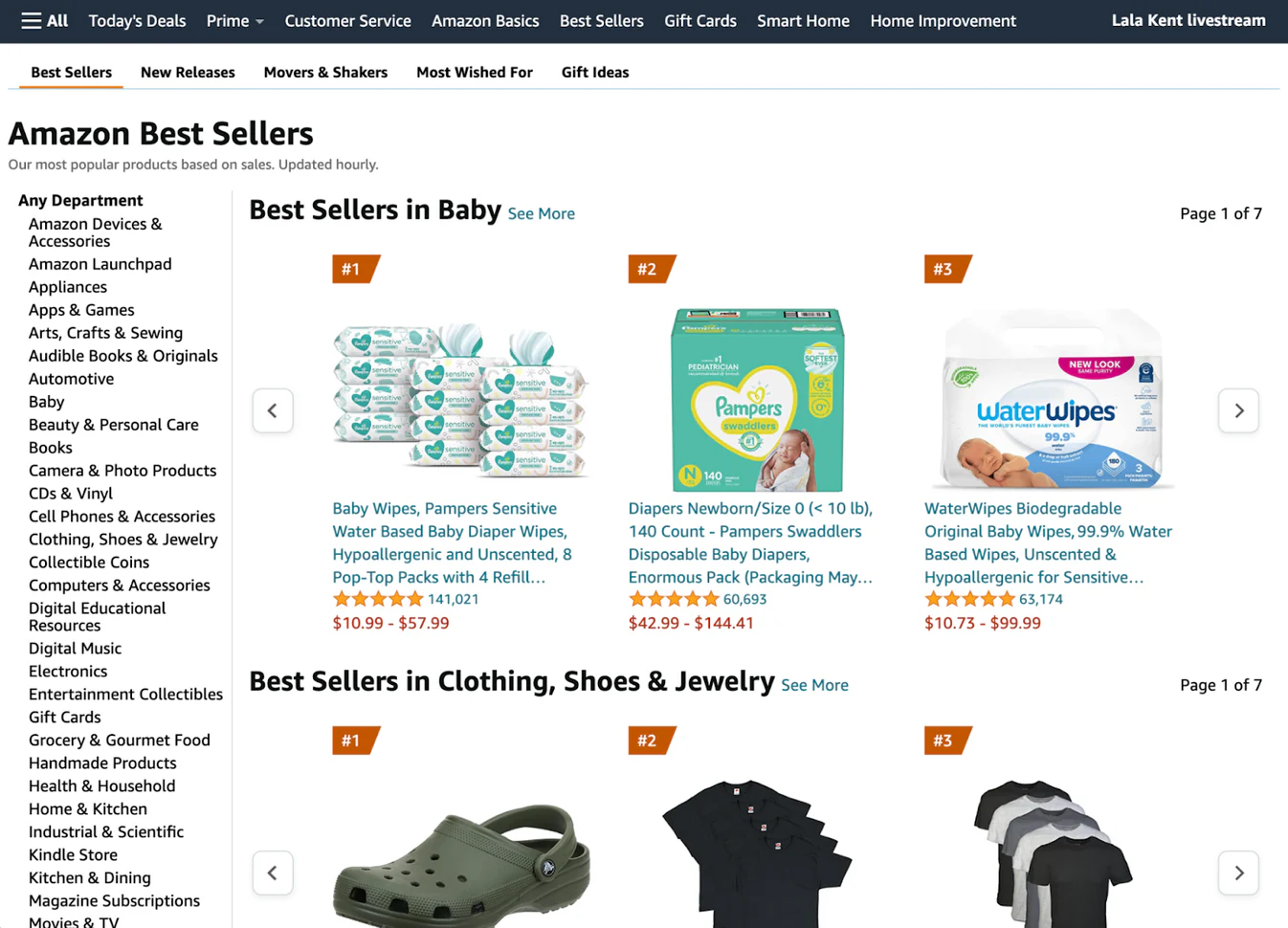
  • Browse the Amazon Best Sellerand eBay Top Rated lists to discover products that are currently in high demand. These lists often highlight products that are popular among buyers and reflect current market trends.

7. Explore Reddit and Quora Discussions

  • Platforms like Redditand Quora offer valuable insights into what products people are talking about. Check out trending discussions and customer recommendations to spot in-demand products.

8. Look at Customer Feedback and Reviews

  • Analyze product reviews and ratings on e-commerce websites like Amazon or AliExpress. Focus on products with high ratings and lots of positive feedback, as these are often the most well-received by consumers.

9. Monitor Your Competitors’ Ads

  • Use Facebook Ads & Google Ads Library to check out the ads that your competitors are running. If certain products are being heavily promoted, it could indicate a high level of interest and demand in the market.

10. Join Drop shipping Communities and Forums

  • Participate in dropshipping forums and Facebook groups to connect with other sellers and industry experts. These communities often share tips, insights, and product recommendations that can help you identify the next big trend.
Finding best selling products is crucial for the success of your dropshipping business, especially when you need to quickly capitalize on trends. Here are 10 effective methods to help you discover potential top-sellers: 1. Research Your Competitors Check out competitors’ websites, social media profiles, and product pages on platforms like Amazon or eBay. Tools like SimilarWeb and SpyFu can help you understand where your competitors’ traffic comes from and what products are performing well. 2. Leverage AliExpress AliExpress is one of the most popular dropshipping platforms, and it features a “Hot Products” section that showcases trending products. Pay attention to order volume, reviews, and ratings to gauge the popularity of products. 3. Monitor Social Media Trends Keep an eye on Instagram, TikTok, and Facebook to see what products users are talking about or tagging in posts. Viral content, especially on TikTok’s "TikTok Made Me Buy It" section, can highlight trending products that might be worth selling. 4. Google Trends Analysis Use Google Trends to analyze the search volume and trends for specific products. This tool lets you track the popularity of keywords over time and can help you identify products with increasing demand. 5. Utilize Tools like NicheSpy & SaleHoo Tools like NicheSpy and SaleHoo provide databases of trending dropshipping products. You can use these to filter for top-selling products in your niche and get detailed analytics about market demand. 6. Check eBay and Amazon Best Seller Lists Browse the Amazon Best Seller and eBay Top Rated lists to discover products that are currently in high demand. These lists often highlight products that are popular among buyers and reflect current market trends. 7. Explore Reddit and Quora Discussions Platforms like Reddit and Quora offer valuable insights into what products people are talking about. Check out trending discussions and customer recommendations to spot in-demand products. 8. Look at Customer Feedback and Reviews Analyze product reviews and ratings on e-commerce websites like Amazon or AliExpress. Focus on products with high ratings and lots of positive feedback, as these are often the most well-received by consumers. 9. Monitor Your Competitors' Ads Use Facebook Ads & Google Ads Library to check out the ads that your competitors are running. If certain products are being heavily promoted, it could indicate a high level of interest and demand in the market. 10. Join Drop shipping Communities and Forums Participate in dropshipping forums and Facebook groups to connect with other sellers and industry experts. These communities often share tips, insights, and product recommendations that can help you identify the next big trend. By combining these methods, you can not only identify the best-selling products but also stay ahead of future market trends. The key is to constantly monitor and adjust your product offerings to meet changing consumer demands. Let me know if you'd like any of these methods explained further or if you need help with a specific strategy!

By combining these methods, you can not only identify the best-selling products but also stay ahead of future market trends. The key is to constantly monitor and adjust your product offerings to meet changing consumer demands.

Let me know if you’d like any of these methods explained further or if you need help with a specific strategy!


DropSure is Your Best Partner
22 Years Experience
Affiliate Rebates
100% Quality Guarantee
Top-Up Rewards
10+ Global Warehouses
Custom Branding Support
Smart inventory System
24/7 Customer Support
Get a Quote in 24 Hours
Start Sourcing for Free

Keep Learning

In the early days of ecommerce, most sellers focused on one market. Usually the U.S. Maybe Europe. But today? The real growth — and the real margins — are happening elsewhere. Southeast Asia and Latin America are no longer “emerging.”They are expanding at a pace that many Western markets simply can’t match. And yet, most sellers are still competing in overcrowded marketplaces while ignoring high-profit product opportunities abroad. Global product sourcing is no longer optional. It’s a competitive advantage. In this guide, you’ll learn how to: Identify profitable products in Southeast Asia Spot fast-growing ecommerce trends in Latin America Use international product research tools effectively Analyze consumer behavior differences Build a cross-border ecommerce strategy with high margins Let’s break it down. Why Southeast Asia and Latin America Are Goldmines for Ecommerce Sellers Before diving into tools and tactics, we need to understand why these regions matter. Southeast Asia Ecommerce Market Growth Countries like: Indonesia Vietnam Thailand Philippines Malaysia have seen explosive ecommerce adoption in the last five years. Key drivers include: Rapid smartphone penetration Young, digital-first population Expanding middle class Increased cross-border shopping In many of these countries, ecommerce growth rates exceed 15–20% annually. Competition?Still relatively fragmented. That means opportunity. Latin America Ecommerce Trends Latin America, especially: Brazil Mexico Colombia Chile is undergoing a digital commerce transformation. Mobile-first shopping behavior dominates. Social commerce is strong. Local payment solutions are expanding access. And importantly: Many product categories remain under-saturated compared to U.S. markets. That’s where high profit dropshipping products can emerge. The Biggest Mistake in Global Product Sourcing Most sellers make one critical mistake: They copy U.S. bestsellers and try to sell them internationally. That rarely works. Why? Because: Climate differs […]

In New Zealand, as online shopping becomes increasingly mainstream and the local environment continues to support small businesses, more and more entrepreneurs are turning their attention to Dropshipping—a low-cost, highly flexible e-commerce model. This business approach doesn’t require you to hold inventory or invest a large amount of startup capital. With just a computer and a stable internet connection, you can run your own online store from the comfort of your home. For Kiwis looking to build a side hustle or generate online income, it’s an especially attractive option. As long as you know how to select products that match market demand, and pair them with basic branding and marketing strategies, Dropshipping can become your gateway to carving out a spot in the competitive e-commerce space. In this article, we’ll walk you through how the business model works, the steps to setting up your store, and the key pros and cons—so you can confidently take your first step into New Zealand’s growing dropshipping landscape. What is Dropshipping? In New Zealand, dropshipping has become an increasingly popular online retail model, especially among aspiring entrepreneurs. The biggest appeal? You don’t need to purchase inventory upfront or hold stock—you can run a full-fledged online store from home without investing a large amount of capital. Compared to traditional retail, dropshipping has a much lower barrier to entry and offers greater flexibility, making it ideal for those with limited startup funds or people looking to build a side hustle while balancing work and family life. The process is straightforward: set up an online store (popular platforms include Shopify, WooCommerce, and even local sites like Trade Me), choose products from a supplier, and upload the product information […]

Facebook is huge in the digital marketing world. It’s one of the biggest social media platforms out there, and it’s got tons of ways for businesses to reach and convert customers. But to really get results, you need to have a clear strategy and use the right methods. That’s where this guide comes in. It’ll give you all the info you need to make the most of Facebook and take your business to the next level. Define Your Business Goals Decide your business goals on Facebook before attracting customers.Take a moment to ask yourself this simple yet crucial question: “What exactly do I want to achieve with Facebook?”Don’t rush past this step—clear goals are like a destination on a map. Without them, your marketing journey could easily lose direction.Here are some common goals to consider—see which ones align with your needs:Boost brand awareness: just started your business or still relatively unknown? No worries! Facebook can help you get noticed through engaging content and well-crafted ads that quickly put your brand in front of potential customers. Drive Traffic to Your Website or Store: Whether your goal is to increase website visits or bring more foot traffic to your store, Facebook ads and promotions have you covered. Don’t forget to include clear calls-to-action (CTAs) like “Visit Now” or “Learn More,” so users know exactly what to do next. Increase Product or Service Sales: If you’re looking to sell, Facebook’s precision targeting features are your best friend! Use dynamic ads or showcase shopping features to make buying as easy as a click. Launch a New Product: Got a new product to introduce? Great! Now’s the time to grab attention. Create a fun and […]

Recommended for you