En
En
 9 min read
The subscription box industry has transformed modern e-commerce by shifting consumer behavior from one-time purchases to ongoing relationships. Instead of constantly chasing new customers, brands now focus on creating recurring value — delivering curated experiences that customers look forward to every month.
Yet while launching a subscription box appears simple, sustaining long-term subscribers is far more complex. Many subscription businesses fail not because of poor marketing, but because their product selection strategy lacks psychological retention power.
Customer “stickiness” — the ability to keep subscribers engaged, emotionally connected, and unwilling to cancel — depends heavily on what products are included, how they are structured, and how consistently they reinforce perceived value.
This in-depth guide explores how to design a subscription box product strategy that encourages loyalty, reduces churn, and builds predictable recurring revenue through smarter product selection.
Understanding What “Stickiness” Really Means
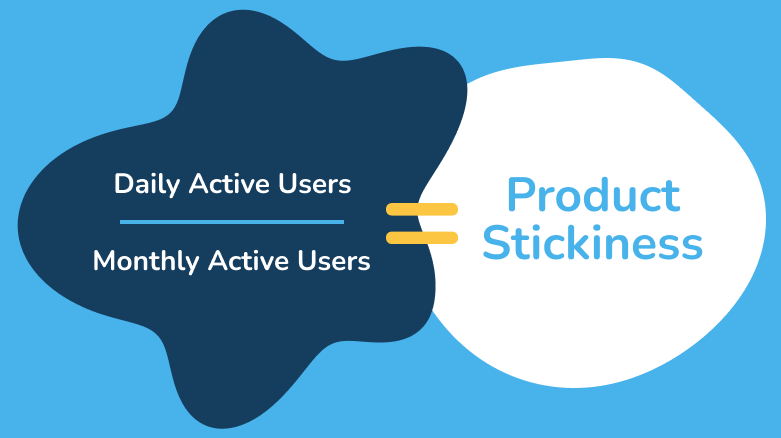
Stickiness is not simply customer satisfaction.
A satisfied customer may still cancel.
True stickiness occurs when subscribers feel:
- Anticipation before delivery
- Emotional attachment to the brand
- Fear of missing out if they cancel
- Habitual reliance on the product
- Ongoing discovery and surprise
In subscription commerce, the goal is to transition customers from buyers into participants.
Products are the primary mechanism that makes this transition possible.
Why Product Selection Determines Subscription Success
Marketing attracts the first purchase. Products determine whether the second shipment happens.
Subscription success relies on three core retention drivers:
- Consistency of usefulness
- Perceived discovery value
- Emotional reward cycles
If any of these fail, churn rises rapidly after the first or second billing cycle.
Poor product choices often create predictable problems:
- Customers accumulate unused items.
- Value perception declines.
- Deliveries feel repetitive.
- Subscribers pause or cancel.
Strategic product selection prevents these outcomes.
The Psychology Behind Subscription Retention
Before selecting products, it’s critical to understand subscriber psychology.
Successful subscription boxes activate several behavioral principles:
Anticipation
Customers enjoy looking forward to something arriving regularly.
Variable Rewards
Unexpected but desirable items trigger dopamine responses similar to surprise gifts.
Identity Reinforcement
Subscribers choose boxes aligned with who they believe they are — fitness enthusiasts, skincare lovers, hobbyists, or pet parents.
Decision Relief
Curated products remove the stress of researching options.
Products must reinforce these psychological triggers consistently.
The Three Core Product Categories Every Subscription Box Needs
High-performing subscription boxes typically balance three types of products.
1. Anchor Products (Reliability)
Anchor products deliver dependable value.
Characteristics:
- Frequently used
- Easy to understand
- Practical
- Consumable or replaceable
Examples include skincare essentials, snacks, supplements, grooming items, or craft materials.
These products justify the subscription cost.
2. Discovery Products (Excitement)
Discovery items introduce novelty.
They:
- Encourage exploration
- Differentiate the brand
- Create shareable moments
- Increase perceived curation expertise
Discovery products should feel exclusive or hard to find locally.
3. Surprise Enhancers (Delight)
Small unexpected additions create emotional spikes.
These might include:
- Bonus samples
- Limited-edition items
- Seasonal accessories
- Personalized inserts
While low-cost, they significantly increase emotional satisfaction.
Choosing Products That Naturally Encourage Repeat Usage
One of the strongest predictors of retention is consumption rate.
Products that run out naturally encourage continued subscriptions.
High-retention categories include:
- Beauty and personal care
- Food and beverages
- Pet supplies
- Wellness products
- Hobby materials
- Coffee or tea
Avoid products with long lifespans unless paired with consumables.
If customers still have unused items from previous boxes, cancellation risk increases.
The “30-Day Relevance” Rule
An effective guideline for product selection:
Each product should remain useful within the next billing cycle.
If customers cannot use or finish items within a month, perceived necessity declines.
Ask these questions:
- Will customers realistically use this before the next shipment?
- Does it fit daily or weekly routines?
- Does it solve a recurring problem?
Products tied to routines create habit-based retention.
Personalization: The New Standard for Stickiness
Modern subscribers expect personalization.
Even partial customization dramatically improves retention.
Methods include:
- Preference quizzes
- Lifestyle profiles
- Skin type or dietary filters
- Size or style selections
- Algorithm-based recommendations
Personalization transforms boxes from mass shipments into curated experiences.
Customers feel understood rather than marketed to.
Balancing Familiarity and Novelty
Too much novelty overwhelms customers.
Too much familiarity becomes boring.
Successful subscription boxes follow a ratio similar to:
- 60% familiar essentials
- 30% discovery items
- 10% surprises
This balance maintains comfort while sustaining excitement.
Avoiding Common Product Selection Mistakes
Mistake 1: Overstock Clearance Items
Subscribers quickly recognize liquidation products.
Perceived value collapses when items feel like excess inventory.
Mistake 2: Overly Trend-Driven Products
Trends fade quickly.
Boxes built entirely around viral products struggle with long-term consistency.
Mistake 3: High Learning Curve Items
Products requiring complex setup reduce engagement.
Simplicity increases usage rates.
Mistake 4: Mismatched Value Perception
Retail value alone does not equal perceived value.
A $60 product irrelevant to the customer may feel worthless.
The Role of Packaging in Product Experience
Product choice and presentation work together.
Packaging enhances stickiness through:
- Ritualized unboxing
- Visual storytelling
- Organized layouts
- Premium textures
- Branded inserts
Unboxing becomes part of the product itself.
Subscribers often evaluate emotional value within seconds of opening.
Creating Monthly Themes Without Limiting Flexibility
Themes provide narrative continuity.
Examples:
- Seasonal wellness
- Self-care reset
- Outdoor adventure
- Productivity upgrade
- Holiday preparation
Themes help customers understand curation logic.
However, avoid overly restrictive themes that limit useful product selection.
Function should always outweigh concept.
Vendor Selection Strategy
Strong supplier relationships enable consistent quality.
Evaluate vendors based on:
- Reliable fulfillment timelines
- Stable inventory supply
- Product consistency
- Scalability
- Custom branding options
Long-term partnerships improve cost control and exclusivity opportunities.
Data-Driven Product Iteration
Subscription businesses generate powerful behavioral data.
Key signals include:
- Product usage feedback
- Social sharing frequency
- Replacement purchase rates
- Cancellation timing
- Customer reviews
Analyze which items correlate with retention spikes or churn reductions.
Over time, product selection becomes increasingly predictive rather than experimental.
Building Exclusivity Into Product Strategy
Exclusive items increase perceived membership value.
Approaches include:
- Private-label products
- Early access launches
- Limited-run collaborations
- Custom packaging versions
Subscribers stay because access cannot be replicated elsewhere.
Pricing Psychology and Product Mix
Customers evaluate subscription value holistically.
Instead of maximizing retail value totals, focus on:
- Daily usefulness
- Emotional enjoyment
- Practical convenience
A balanced $40 box that feels personally valuable outperforms a random $120 retail bundle.
Seasonal Adaptation Without Identity Drift
Seasonal variation keeps subscriptions fresh.
Adjust product selection by:
- Climate changes
- Holidays
- Lifestyle shifts
- Consumer behavior cycles
However, maintain a consistent brand identity so subscribers always know what to expect.
Reducing Churn Through Product Sequencing
Retention improves when products connect across months.
Examples:
- Step-by-step skincare routines
- Progressive hobby kits
- Collectible series
- Educational progressions
Subscribers stay to complete the journey.
Community as a Product Multiplier
Products become stickier when connected to community experiences.
Consider adding:
- Online member groups
- Tutorials or guides
- User-generated content features
- Challenges or rewards
Community transforms products into shared experiences.
Logistics Considerations That Influence Product Choice
Operational realities should shape product selection.
Choose items that are:
- Durable during shipping
- Lightweight when possible
- Temperature resilient
- Compliance-friendly across regions
Poor logistics increase costs and damage customer trust.
Sustainability and Modern Consumer Expectations
Eco-conscious product choices increasingly influence retention.
Subscribers appreciate:
- Recyclable packaging
- Refillable products
- Ethical sourcing
- Reduced waste design
Sustainability strengthens emotional alignment with the brand.
Testing Before Scaling
Before committing to large product quantities:
- Run pilot boxes.
- Test with limited subscriber groups.
- Collect qualitative feedback.
- Measure retention beyond the first renewal.
Early testing prevents expensive inventory mistakes.
The Long-Term View: Subscription as Relationship Design
The most successful subscription boxes are not product shipments — they are ongoing relationships packaged as monthly experiences.
Product selection should answer one question:
Does this item make the subscriber excited to stay another month?
If the answer is consistently yes, stickiness emerges naturally.
Future Trends in Subscription Product Strategy
Emerging developments include:
- AI-assisted personalization
- Adaptive box composition
- Hybrid digital + physical experiences
- Smart replenishment systems
- Lifestyle ecosystem subscriptions
The industry is moving toward hyper-relevance rather than mass curation.
Final Thoughts: Designing Products That Customers Don’t Want to Cancel
Customer retention in subscription commerce is not accidental. It is engineered through intentional product decisions that balance utility, discovery, emotion, and habit formation.
When products align with daily routines, deliver consistent value, and create moments of anticipation, subscriptions evolve from purchases into rituals.
The brands that succeed are those that understand a simple truth:
People don’t stay subscribed because they must — they stay because they genuinely look forward to what arrives next.
By choosing products that integrate into customers’ lives while continuously offering delight and discovery, subscription boxes become more than recurring shipments. They become experiences customers choose to keep.