














 En
En
 10 min read
DHgate is a popular cross-border e-commerce platform that connects buyers and sellers globally. It offers a wide variety of products, flexible payment options, and broad shipping services, making it a good choice for small and medium-sized businesses to start international trade. However, there are some concerns about product quality and safety that potential sellers should be aware of before using the platform.
What is DHgate?
DHgate is a leading B2B cross-border e-commerce platform in China. It was founded by Ms. Wang Shutong in 2004. The goal of DHgate is to create an online Silk Road and help small and medium-sized businesses “buy globally, sell globally.”
DHgate has several advantages: first, it covers a large market with over 2.3 million registered suppliers and more than 36.4 million buyers from 223 countries and regions. Second, it has strong logistics support with over 100 shipping routes and more than 10 overseas warehouses. Third, it supports 71 currencies for payments. Finally, DHgate has built strong advantages in brand, technology, operations, and users that are hard to copy.
Although DHgate offers low-cost purchasing for small businesses and dropshippers, there are some downsides. For example, product quality can be inconsistent, shipping times may be slow, and customer service responses can be delayed. These issues may affect the buyer’s experience. New users should be careful when using the platform, choose suppliers carefully, and check reviews and ratings. It’s also important to choose the right shipping method to avoid delays and keep customers happy. Lastly, make sure to understand the return and refund policies in case any problems arise.
Is DHgate Legit and Trustworthy for My business?
DHgate is a cross-border e-commerce platform in China that connects global buyers, especially small businesses and dropshippers. If you plan to use DHgate for sourcing products in the United States or other European countries, there are a few things to keep in mind.
First, the U.S. has strict rules for imports from China, including tariffs and taxes. For example, if the value of goods exceeds a certain amount, you will need to pay customs duties. These products must also meet U.S. safety standards. Different types of products, such as electronics, toys, and cosmetics, have their own specific requirements. So, when choosing a supplier on DHgate, it’s important to make sure their products meet these rules. Otherwise, your goods might be held or returned by customs.
The situation is similar in Europe and the UK. Since 2021, the EU has removed the tax-free allowance, meaning all goods imported from China must pay VAT (Value-Added Tax). If you’re doing business in these regions, understanding VAT is very important. Also, European and UK consumer protection laws require businesses to offer a reasonable return policy, usually with at least a 14-day no-questions-asked return period. So, when selling to customers in these areas, it’s crucial to choose suppliers who offer quality products and good after-sales service.
In summary, DHgate is a legitimate cross-border platform. However, when operating in the U.S. and Europe, businesses need to pay attention to product compliance, customs duties, VAT, and other issues. Make sure to choose reputable suppliers and confirm product quality. If you prepare for these things, DHgate is still a good low-cost sourcing option.
Is it feasible to use DHgate for cross-border e-commerce?
DHgate can be a good platform for cross-border e-commerce, but it also comes with some challenges.
DHgate has many advantages. First, it is one of China’s leading B2B cross-border e-commerce platforms. After nearly 20 years of development, it has become a one-stop trade and service platform for global small and medium-sized retailers. With years of technological development, DHgate has built an optimized digital trade ecosystem. The platform has a large number of international buyers and sellers, and it offers good brand exposure and real-time brand penetration overseas.
In terms of product variety, DHgate offers a wide range of goods, including clothing, shoes, furniture, home appliances, and more, which can meet the needs of consumers worldwide. It also has a large number of merchants, including well-known domestic and international brands, ensuring stable supply.
However, DHgate also has some disadvantages. For example, the market is highly competitive. Although early competition was about gaining market share, the future success of each platform depends on how well they execute their plans. In terms of logistics, cross-border shipping can sometimes cause delays or confusion about delivery times, which may be inconvenient for users. Although after-sales service is generally reliable, issues like quality problems or missing items may still occur due to the nature of cross-border logistics.
Overall, using DHgate for cross-border e-commerce offers both opportunities and challenges. Merchants should fully understand the platform’s strengths and weaknesses, assess their own resources, and develop appropriate strategies to adapt and succeed on DHgate.
Details About DHgate Free Shipping
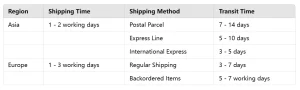
DHgate offers various shipping options, including postal packages, dedicated logistics lines, and international express delivery.
Postal packages are relatively inexpensive and suitable for lightweight, small-volume items. However, they are slower and more complex, as they pass through multiple postal handling points. Dedicated logistics lines are specialized shipping routes for specific countries or regions. These services provide relatively fast transportation, with higher efficiency for certain areas and specialized handling for specific product types. International express delivery is the fastest and offers the highest service quality, typically delivering in 3-5 business days. However, it is more expensive and is generally used for high-value goods or products that require fast delivery, with precise parcel tracking services.
Free shipping on DHgate usually comes with certain conditions. Many sellers set a minimum order amount, such as offering free shipping for orders over $50 or $100, encouraging buyers to purchase more items and increasing the average order value. Some sellers may also offer free shipping based on the quantity of products purchased, such as when buying 10 or 20 items of a specific product. During promotional events, such as Double 11 or Black Friday, the platform or sellers may offer free shipping for all or some products. Some stores also offer limited-time free shipping promotions to attract new customers or reward loyal ones, typically advertised on the store’s homepage or product detail pages.
Is DHgate Safe to Start My Career?

DHgate, as a cross-border e-commerce platform, offers a wide range of products, flexible payment methods, and broad logistics services, making it suitable for small and medium-sized businesses to engage in international trade. However, DHgate also has some negative feedback.
One of the main issues is product quality. Some users have reported that sellers on DHgate do not list brand names accurately. There have been complaints about counterfeit goods on the platform, such as fake LORAC eyeshadows, Stila, and Too Faced products. Some items like MAC lipsticks and skincare products have also been questioned. In the past, there were many fraud allegations on DHgate. Although these have decreased as the platform grew, it still cannot guarantee the legitimacy of all sellers.
DHgate as a Hub for Counterfeit Goods
DHgate has been criticized for being a marketplace for counterfeit products. A report by the U.S. government mentioned that DHgate, along with other platforms like Amazon, eBay, and Alibaba, had over 400 million counterfeit items listed. In some cases, DHgate has been listed as a place to buy imitation shoes, which, although cheaper, vary greatly in quality. Fake brand products with inconsistent quality are still easy to find on the platform. This highlights the ongoing problem with counterfeit goods on DHgate.
Quality Issues with Products on DHgate
Many consumers have reported inconsistent product quality on DHgate. For example, when purchasing imitation shoes, the quality can vary, even though they are priced cheaply. Similarly, even when buying “1:1” replica watches, the quality does not always match the original. Some sellers on the platform offer products with legitimate certifications (like CE, RoHS, and FCC), but there is no guarantee of authenticity, and quality issues still exist. Buyers need to be cautious when shopping on DHgate due to these concerns.
DHgate has negative feedback regarding counterfeit products, product quality, and fraud issues. These problems have impacted the shopping experience for consumers and damaged the platform’s reputation. DHgate needs to improve its product quality control, crack down on counterfeit goods, enhance customer service, and strengthen fraud prevention to improve its image and competitiveness.

Final Words
In conclusion, while DHgate offers great potential for global trade, it also comes with challenges such as counterfeit products, inconsistent quality, and the risk of fraud, which can affect both buyers and sellers. If you are looking to start your e-commerce journey, it’s crucial to carefully research suppliers and products, while staying vigilant about potential scams.
That’s where Dropsure comes in. By registering on Dropsure, you can enjoy a safer, more reliable platform designed with enhanced security and quality control. Dropsure prioritizes transparency, ensuring that all products meet stringent standards and that your transactions are protected. With a focus on building trust and fostering secure business relationships, Dropsure provides a seamless and risk-free environment to grow your business. Register today to start your journey with peace of mind and the support you need to succeed in the world of global e-commerce.