En
En
 8 min read
In the ever-evolving world of digital marketing, capturing consumer attention has become increasingly challenging. Traditional awareness campaigns are no longer sufficient to drive meaningful engagement or sales. Enter demand generation advertising, or Demand Gen—a strategic approach focused on sparking interest and driving action from audiences who may not yet know they need your product.
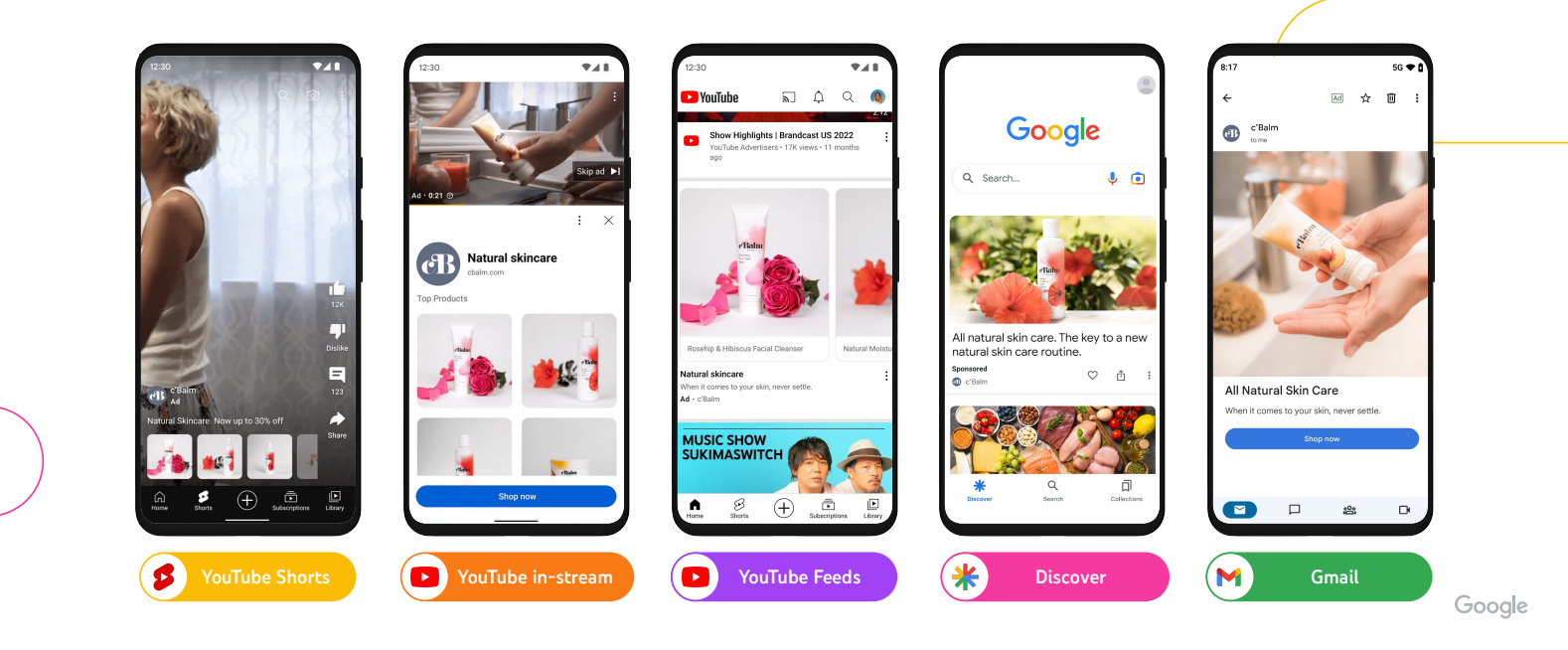
Platforms like YouTube have become critical in this landscape, offering immense reach and highly engaged users. Among YouTube’s newest tools, YouTube Shorts has emerged as a game-changer for marketers. These vertical, short-form videos mimic the success of TikTok, providing bite-sized, highly digestible content that can engage users in seconds and drive measurable conversions.
In this article, we’ll break down practical strategies for leveraging YouTube Shorts for demand generation, exploring content creation, targeting techniques, campaign optimization, and analytics—all aimed at helping you ignite product sales effectively.
Understanding Demand Generation (Demand Gen)
Before diving into YouTube Shorts tactics, it’s essential to understand what demand generation really means. Unlike lead generation, which focuses on capturing contact information or immediate interest, demand gen seeks to:
- Educate audiences about problems they might not yet know they have.
- Build curiosity around a solution your product provides.
- Nurture interest until users are ready to take action—be it purchase, subscription, or engagement.
Demand Gen campaigns are often more subtle than traditional ads. Rather than hard-selling a product, they aim to create awareness, trust, and a sense of need in your target audience.
Key metrics to track include:
- Engagement rates
- View-through rates
- Click-through rates to product pages
- Conversion rates from short-form content
- Micro-interactions like shares, comments, and saves
Why YouTube Shorts Is a Perfect Fit for Demand Gen
YouTube Shorts offers unique advantages for demand gen marketers:
1. Massive Reach
With billions of monthly active users, YouTube allows brands to reach audiences at scale. Shorts, in particular, are designed for viral potential, as the algorithm promotes high-engagement content to new viewers.
2. Short Attention Span-Friendly
Most consumers now prefer quick, high-impact videos that communicate a message in 15-60 seconds. This format is perfect for introducing products and highlighting benefits in a concise, compelling way.
3. Built-in Discovery Engine
YouTube Shorts appears on the home feed, Shorts shelf, and recommended lists. This organic discovery potential can reduce reliance on paid campaigns while still driving massive exposure.
4. Cross-Promotion Capabilities
Brands can repurpose Shorts across TikTok, Instagram Reels, and other vertical video platforms, creating omnichannel exposure without producing separate content.
Crafting High-Impact YouTube Shorts for Demand Gen
The key to successful demand generation on Shorts is content that sparks curiosity and communicates value instantly. Here’s how to approach it:
1. Hook Viewers Within the First 3 Seconds
Attention spans are short. The opening seconds of a Short must immediately grab interest.
Effective strategies include:
- Asking a provocative question: “Did you know your coffee could do more than just wake you up?”
- Highlighting a surprising benefit: “This backpack folds into a pocket-sized cube in seconds!”
- Using visual shock or humor to stand out in the feed
2. Focus on a Single Benefit or Problem
Attempting to showcase multiple features can overwhelm viewers. Instead, pick one clear value proposition:
- Solve a common problem your audience faces
- Show before-and-after scenarios
- Demonstrate a key feature that stands out from competitors
3. Make It Highly Visual
Short-form content thrives on visual storytelling. Use:
- Fast cuts and motion graphics
- Close-up product shots
- Dynamic transitions
- On-screen captions (many viewers watch without sound)
4. Include a Clear Call-to-Action
While demand gen doesn’t push a hard sale, you still need a next step for interested users:
- “Swipe up to learn more”
- “Tap the link in bio to try it today”
- “Watch full demo on our channel”
The call-to-action should feel natural, not intrusive.
YouTube Shorts Ad Formats for Demand Gen
YouTube offers multiple ad formats within Shorts that can amplify demand generation efforts:
1. In-Feed Ads
Shorts appear in the main feed, blending with organic content. They provide:
- High discoverability
- Engagement tracking
- Click-through to landing pages or product sites
2. Short Ads for Brand Awareness
Short, unskippable ads (6 seconds) can:
- Boost product visibility
- Emphasize brand recognition
- Reinforce messaging from longer campaigns
3. Interactive Shorts
YouTube is testing interactive elements within Shorts, including polls and clickable links. These features:
- Increase viewer participation
- Collect audience insights
- Encourage micro-conversions
Targeting the Right Audience
Successful demand gen campaigns depend on precision targeting.
1. Demographic and Interest-Based Targeting
YouTube allows targeting based on:
- Age and gender
- Interests and viewing behavior
- Geographic location
For example, a fitness product can target health enthusiasts aged 18-34 in urban areas.
2. Retargeting Past Viewers
Viewers who watched related content or previously engaged with your channel are more likely to convert. Use retargeting campaigns to nurture interest.
3. Custom Intent Audiences
Identify users actively searching for solutions related to your product. For instance:
- “Portable coffee maker for travel”
- “Compact home workout equipment”
Custom intent targeting ensures your Shorts reach a highly motivated audience.
Measuring and Optimizing Performance
To maximize demand generation impact, data-driven optimization is essential.
1. Engagement Metrics
Monitor:
- Likes, comments, shares
- Watch time
- View-through rates
High engagement indicates your content resonates with your audience.
2. Conversion Metrics
Track:
- Click-through rates to product pages
- Trial sign-ups or downloads
- Completed purchases
These metrics tie content performance directly to business outcomes.
3. A/B Testing
Experiment with:
- Hook variations
- Video length (15s vs. 30s vs. 60s)
- Call-to-action phrasing
- Visual style and music
Small adjustments can significantly improve results.
4. Analyze Viewer Drop-Off
Identify exactly when viewers stop watching. Use this insight to:
- Improve pacing
- Refine messaging
- Remove boring or irrelevant sections
Case Studies: Demand Gen Success on YouTube Shorts
Case Study 1: Fitness Equipment
- Strategy: 30-second Shorts demonstrating one key product feature with dynamic visuals
- Results: 5x increase in landing page visits; 200% boost in pre-orders within two weeks
- Key Takeaway: Clear, concise benefit-driven content drives immediate action
Case Study 2: Home Kitchen Gadgets
- Strategy: Shorts highlighting a common pain point and showing product solution
- Results: Organic virality led to a 3x increase in website traffic; 50% conversion from new users
- Key Takeaway: Problem-solution storytelling is highly effective for demand generation
Case Study 3: Fashion Accessories
- Strategy: Engaging, humorous Shorts featuring influencer product demos
- Results: 150,000+ views per video; increased e-commerce sales by 120%
- Key Takeaway: Influencer-driven content can amplify reach and credibility
Common Pitfalls to Avoid
Even experienced marketers can struggle with demand gen campaigns on Shorts. Avoid:
- Overloading Information: Less is more. Focus on one main idea.
- Ignoring Hook Strategy: The first 3 seconds are critical.
- Neglecting Optimization: Without analysis and A/B testing, campaigns stagnate.
- Skipping Retargeting: Retargeting maximizes conversions from engaged viewers.
- Neglecting Mobile-First Design: Shorts are vertical; ensure text and visuals are readable on small screens.
Advanced Tactics for Scaling
Once your initial campaigns perform well, consider these advanced strategies:
1. Sequenced Content
Create Shorts series that gradually introduce product features, usage tips, and testimonials.
2. Collaboration with Micro-Influencers
Partner with niche creators whose audience aligns with your target demographic.
3. User-Generated Content
Encourage customers to submit Shorts using your product. Repurpose for demand gen campaigns.
4. Cross-Platform Amplification
Repurpose Shorts on TikTok, Instagram Reels, and Facebook Stories to increase visibility.
5. Retention Funnels
Use Shorts to nurture interest over time. Multiple exposures improve conversion rates.
Budgeting and ROI Considerations
Demand generation campaigns on Shorts can be cost-effective if structured properly.
- Start small: Test creative concepts before scaling
- Allocate budget based on engagement: Focus on high-performing creatives
- Consider lifetime value: Retargeting and nurturing campaigns increase ROI
Conclusion: YouTube Shorts as a Demand Gen Powerhouse
YouTube Shorts is more than just a content trend