
< Blogs

How to find the best free dropshipping suppliers in USA

Vivan Z.
Created on November 20, 2024 – Last updated on February 6, 20257 min read
Written by: Vivan Z.

What is Dropshipping?

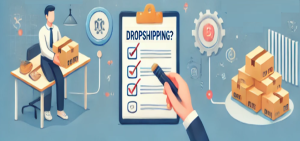
Dropshipping is a way to sell products online without keeping any stock. When a customer buys something, you send their order and payment to the supplier, who ships the product directly to them. This method is popular because it reduces your workload. You don’t need to rent storage space or worry about unsold items. Instead, you can spend your time and money on things like marketing.
dropshipping 2

How Does Dropshipping Work?

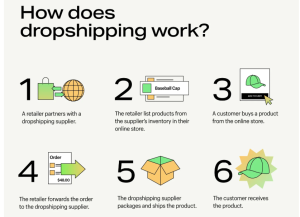
Here’s how dropshipping works in simple steps:

Find a Supplier: Look for a supplier who sells the products you want to offer. After you partner with them, they will handle storing, packing, and shipping. You can pick suppliers in your niche or use apps to access products from different suppliers.

Set Up Your Online Store: Build your online store using platforms like Shopify or WooCommerce. Add products from your supplier and set your prices. Many apps can update your listings automatically and send orders to suppliers for you.

Customer Places an Order: When a customer buys something from your store, the payment is processed, and they receive an order confirmation.

Send the Order to Your Supplier: After the payment goes through, you pass the order details to your supplier. If you use an app, this happens automatically.

Supplier Ships the Product: The supplier prepares the order and ships it to your customer. Some suppliers even offer branded invoices or special packaging.

Customer Gets the Product: The customer receives their order. You handle any questions or issues they might have.
how does dropshipping work
The image is sourced from Shopify.

Why Choose Free Dropshipping Suppliers in the USA?

Choosing free dropshipping suppliers in the USA can save you money and make starting your business easier.

Save Money: Free suppliers don’t charge membership fees. You also don’t need to spend money on inventory or storage, which gives you more to invest in marketing or your website.

Low Risk: You don’t have to buy products in bulk. This means you won’t lose money if something doesn’t sell. You can also try out new products easily without spending too much.

Easy to Start: Since you don’t need to manage inventory, it’s faster and cheaper to start your store. Suppliers take care of storage and shipping, so you can focus on growing your business.

Less Work: Suppliers handle most of the hard parts like packing and shipping. This saves you time and reduces mistakes.

How to Find the Best Free Dropshipping Suppliers in the USA

Finding a reliable supplier is one of the most important steps in building a successful dropshipping business. Your supplier directly impacts product quality, shipping times, and overall customer satisfaction. Start by deciding what type of products you want to sell. This decision should be based on market trends, customer demand, and your personal interests. For example, if you’re interested in fashion, look for suppliers offering clothing and accessories. Once you’ve identified your product niche, ensure the supplier has a variety of high-quality items that appeal to your target customers. Offering unique or trending products can give your store a competitive edge.

To find the best free dropshipping suppliers in the USA, leverage platforms like **Spocket** or **Modalyst**, which provide access to curated lists of suppliers. These platforms are user-friendly and allow you to filter suppliers based on location, product type, and other criteria. You can also conduct a simple Google search using terms like “free dropshipping suppliers in the USA” to discover more options. Additionally, join online communities such as Facebook groups or Reddit forums dedicated to dropshipping. Engaging with these communities can help you gather recommendations, learn from experienced sellers, and avoid common pitfalls.

Before committing to a supplier, it’s crucial to test their service. Place a small order to evaluate key factors such as product quality, packaging, and delivery times. This step ensures that the supplier meets your standards and can deliver a good experience for your customers. It’s also a good idea to compare several suppliers to determine which one offers the best combination of price, shipping speed, and reliability. Some suppliers may have better pricing but slower shipping, while others might excel in customer service.

When evaluating suppliers, prioritize those who integrate with popular e-commerce platforms like Shopify. Integration makes it easier to manage your store by automating processes such as order forwarding, inventory updates, and tracking information. A seamless connection between your store and supplier reduces manual work and minimizes errors, allowing you to focus on growing your business.

By thoroughly researching and testing suppliers, you can ensure that your dropshipping business runs smoothly, providing a positive shopping experience for your customers and setting the foundation for long-term success.

Top Dropshipping Suppliers

Here are some popular dropshipping suppliers:

Spocket: Offers products from USA and European suppliers.
AliExpress Dropshipping: A global platform with many product categories.
Modalyst: Features trending products and works with AliExpress.
SaleHoo: A directory of suppliers in various niches.
Doba: Lets you browse products from different suppliers.
Wholesale2B: Offers a large variety of products and integrates with major e-commerce platforms.
Worldwide Brands: A trusted list of reliable suppliers.
Sunrise Wholesale: Offers a wide range of products from home décor to jewelry.
MegaGoods: Sells items like kitchenware and electronics.
DropSure: Provides easy-to-use tools for dropshipping, including order tracking and fast shipping.

DropSure bottom

Why Wait? Start with DropSure Today!

DropSure makes dropshipping easy and affordable. It saves you time, offers quality products, and helps you grow your business without extra hassle. Whether you’re new to e-commerce or want to expand, DropSure is a great partner. Sign up today and start building your online store with confidence!

Buttom

DropSure is Your Best Partner
22 Years Experience
Affiliate Rebates
100% Quality Guarantee
Top-Up Rewards
10+ Global Warehouses
Custom Branding Support
Smart inventory System
24/7 Customer Support
Get a Quote in 24 Hours
Start Sourcing for Free

Keep Learning

In today’s fiercely competitive market, advertising has become an indispensable part of every business. In recent years, the rapid development of digital media and shifts in consumer habits have made advertising both full of opportunities and challenges. To help you navigate these changes, this blog will introduce some practical advertising techniques that can promote your product to a wider audience and earn greater consumer recognition. Whether you’re a newcomer trying advertising for the first time or an experienced professional seeking new breakthroughs, we believe you’ll find valuable insights in the content here. Understand Your Target Audience Understanding your target audience is not just about knowing their basic information—it’s about delving into their lifestyles, interests, consumption habits, and psychological needs. In the following sections, we will explore detailed, step-by-step methods to achieve this goal, ensuring that your advertising strategy is precisely tailored to meet their needs. Collecting Basic Information  First, you can start with some basic data. You need to know your audience’s age, gender, occupation, education level, and income. This information can usually be gathered through surveys, social media data analysis, or third-party market reports. At the same time, understanding the geographic distribution of your audience is crucial, as it can help you develop more targeted regional advertising strategies. Analyzing Interests and Lifestyles  Once you have the basic information, you need to delve deeper into your audience’s interests and lifestyles. Consider what activities they enjoy—whether they are into travel, food, sports, or tech products. You can observe these interests through social media, forums, and offline events. Additionally, understanding their lifestyle and consumption habits can reveal the times of day they are most active online, which helps you choose the most […]

In dropshipping, product selection is important—but timing is everything. You can have a great product, a reliable supplier, and a beautifully designed store. Yet if you launch that product too early, you burn cash. Launch too late, and the market is already saturated. This is especially true for seasonal products, where demand rises and falls on a predictable—but often misunderstood—schedule. Successful dropshippers don’t chase seasons.They prepare for them. This guide breaks down how to build a golden seasonal product timeline—so you know what to sell, when to test, when to scale, and when to exit. If you want consistent revenue instead of seasonal chaos, this is your roadmap. 1. Why Seasonal Products Matter in Dropshipping 1.1 Seasonal Products Drive Explosive Demand Seasonal products benefit from: Natural urgency Emotional buying triggers Predictable demand spikes Think: Summer cooling products Back-to-school supplies Holiday gifts Winter wellness items When timed correctly, seasonal items can: Convert faster Require less persuasion Command higher margins 1.2 The Hidden Risk of Seasonality However, seasonal products also: Have short selling windows Require precise planning Punish late movers The biggest mistake new dropshippers make is confusing high demand with good timing. 2. The Core Principle: You Sell Before the Season Peaks Here’s the rule that separates beginners from professionals: You must launch before customers realize they need the product. By the time demand is obvious: CPMs are high Competition is intense Margins are shrinking The real money is made in the buildup phase, not at peak season. 3. Understanding the Seasonal Demand Curve Every seasonal product follows a similar curve: Dormant Phase – No visible demand Early Awareness Phase – Smart buyers start searching Growth Phase – Demand accelerates rapidly […]

In today’s thriving e-commerce environment, retailers face a crucial choice: choosing between direct shipping and dropshipping. The direct shipping model, by shipping products directly from suppliers to consumers, offers better product control and faster logistics, but it may come with challenges in inventory management and costs. Conversely, the dropshipping model, by entrusting order fulfillment to third-party suppliers, lowers initial investment and warehousing costs while expanding product variety, though it might affect profit margins and service quality. In 2025, retailers need to weigh the pros and cons of both models based on their resources, business objectives, and market demands to choose the strategy that best fosters sustainable growth. Direct Shipping: A Detailed Analysis  When you choose the direct shipping order fulfillment method, it means that you hold inventory on your own and ship products directly from your own warehouse or via a third-party logistics provider (3PL) to customers. Although this method requires a higher upfront investment, it can offer you higher profit margins and greater control over the customer experience. Direct Shipping Operation Process As a retailer, the direct shipping model requires you to begin with inventory management. You need to closely monitor market trends and consumer demand to ensure timely procurement and restocking. For example, if you run a clothing store, you must predict which styles will be popular based on seasonal changes, fashion trends, and historical sales data, and then purchase the corresponding inventory accordingly. When a customer places an order on your platform, the order information is transmitted directly to your warehouse management system. Here, the order is processed rapidly, including selecting the correct product, packaging, and preparing it for shipment. For instance, Amazon uses highly automated warehouses […]

Recommended for you