< Blogs

Amazon FBA vs. Dropshipping | What Are Their Differences?

admin
Created on October 18, 2024 – Last updated on February 6, 20254 min read
Written by: admin

Are you considering entering the world of eCommerce but unsure whether to choose Dropshipping or Amazon FBA? These are two of the most popular and successful fulfillment options available. The question is, which one is better suited for your business?
Amazon FBA vs. Dropshipping

In this article, we will break down the key differences between these two methods, comparing their pros and cons to help you make an informed decision. Whether you’re looking for low-risk startup solutions or more automation, this guide will provide valuable insights for growing your online business.

What is Dropshipping?
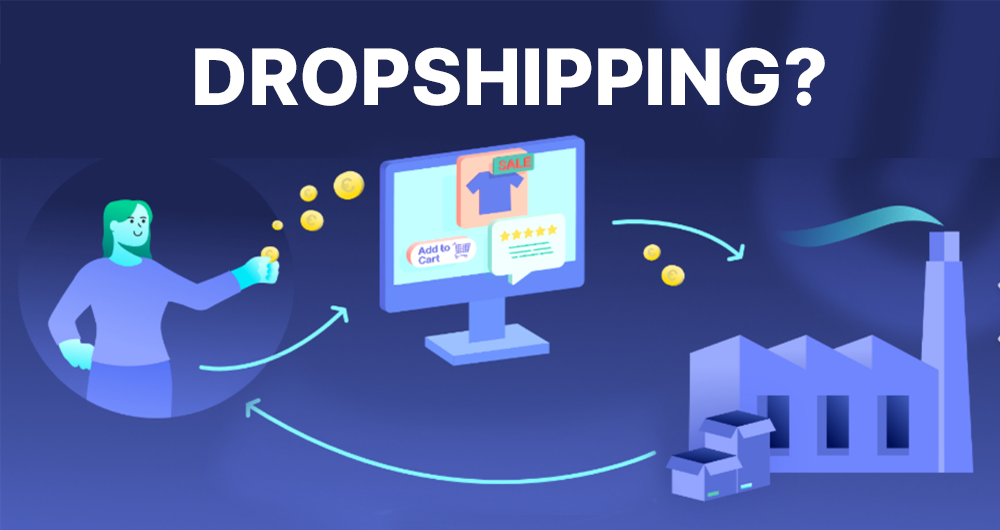
what is dropshipping

Dropshipping is a business model where you don’t hold any inventory. As a seller, you list products in your store, and when a customer places an order, the supplier ships the product directly to them. For those looking to start selling with minimal costs and lower risks, dropshipping is a great choice. You don’t need a warehouse or worry about logistics. You only pay after a sale is made. However, dropshipping requires careful management of suppliers and effective marketing to bring traffic to your store.

What is Amazon FBA?
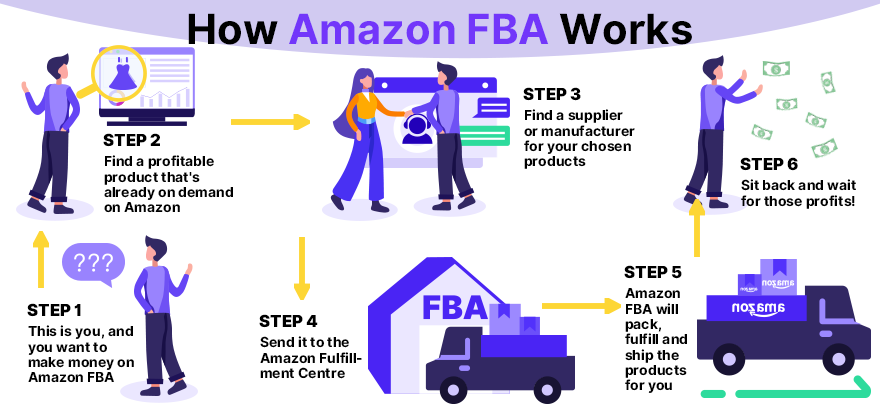
How Amazon FBA works

Amazon FBA (Fulfillment by Amazon) is a service that allows you to send your products to Amazon’s warehouse, and they handle storage, packing, and shipping when an order is placed. You won’t need to manage packaging or logistics, as Amazon will also take care of returns and customer service.  Commonly, you can say it is an automated dropshipping Amazon service.

FBA is ideal for sellers who want to leverage Amazon’s vast customer base and logistics network. Products become eligible for Amazon Prime shipping (Amazon Dropshipping), attracting more buyers. However, FBA requires upfront inventory investment and fees for storage, shipping, and fulfillment.

Dropshipping vs. Amazon FBA: Key Differences
dropsure vs. amazon fba

To make it easier for you to understand, We’ve prepared a comparison table that highlights the key differences and similarities between Dropshipping and Amazon FBA.

Here’s a table you can learn about Amazon FBA vs Dropshipping. We hope this will help you decide which option is better suited for your business.

Feature Amazon FBA Dropshipping
Upfront Investment ❌ High startup cost, inventory needed ✔ No upfront investment, pay as you go
Inventory Management ❌ Requires pre-purchased inventory ✔ No inventory needed, ship as you sell
Order Fulfillment ✔ Amazon handles fulfillment ❌ Manual handling, but can use automation
Advertising ✔ Built-in Amazon advertising ✔ Flexible, use any platform (e.g., Meta ads)
Profit Margins ✔ Discounts for bulk orders, but high fees ❌ Higher product costs but no fees
Customer Contact ❌ No direct contact with customers ✔ Full control over customer interaction
Customer Base ✔ Access to Amazon’s customer base ❌ Need to find your own customers
Control ❌ Limited control, Amazon handles everything ✔ Full control over your business
Scalability ❌ High costs to scale, limited flexibility ✔ Easy to scale, especially for new businesses
Risk ❌ High risk with inventory investment ✔ Low risk, no inventory holding

While both Dropshipping and Amazon FBA are effective ways to sell products online, they each have their own unique advantages and challenges.

Choosing between Dropshipping and Amazon FBA depends on your business goals. If you’re just starting out and want low-cost, low-risk options, Dropshipping is a flexible choice. It offers no upfront investment and more freedom to scale. If you have the budget and want to leverage Amazon’s strong infrastructure, Amazon FBA might be the better option. Both methods provide great opportunities for building a successful eCommerce business—so choose the one that best fits your needs.

If you prefer automation and don’t want to handle inventory, Dropsure could be your best choice. (Want to learn more about Dropsure’s platform and features? Please read What is Dropsure for more details.) It combines the flexibility of dropshipping with the automation benefits of FBA, offering a low-risk, no-inventory solution.
 

DropSure is Your Best Partner
22 Years Experience
Affiliate Rebates
100% Quality Guarantee
Top-Up Rewards
10+ Global Warehouses
Custom Branding Support
Smart inventory System
24/7 Customer Support
Get a Quote in 24 Hours
Start Sourcing for Free

Keep Learning

A product can go from complete obscurity to selling tens of thousands of units in a matter of days, driven almost entirely by social media. TikTok, Instagram Reels, YouTube Shorts, and Facebook feeds have replaced traditional product research tools as the front line of demand discovery. For dropshippers, this creates both opportunity and danger. Those who know how to track, validate, and act on social media trends early can build profitable stores quickly. Those who chase trends too late often end up with saturated products, ad fatigue, and shrinking margins. This guide breaks down how to systematically track social media viral products, separate real opportunities from noise, and turn trends into scalable dropshipping businesses. 1. Why Social Media Has Become the Core of Product Discovery 1.1 From Search-Driven to Feed-Driven Commerce Traditional e-commerce relied on: Keyword searches Intent-based buying Comparison shopping Social commerce is different: Products are discovered passively Demand is created emotionally Purchases are impulsive and fast In dropshipping, this shift favors trend awareness over inventory depth. 1.2 The Psychology of Viral Products Viral products usually succeed because they trigger: Curiosity (“What is that?”) Surprise (“I didn’t know I needed this”) Visual satisfaction Social proof Understanding this psychology is essential before tracking tools or metrics. 2. What Defines a “Social Media Winning Product”? Not every viral post equals a winning product. A strong dropshipping product typically has: A clear visual demonstration An obvious problem-solution angle Broad audience appeal Low explanation cost Strong emotional hook Products that require long education cycles rarely go viral. 3. Platforms That Matter Most for Viral Product Tracking 3.1 TikTok: The Trend Engine TikTok is currently the most powerful platform for: Early trend discovery Low-cost […]

If you’re exploring efficient and cost-effective ways to manage your dropshipping business, Dropsure is your ultimate partner. From product sourcing to order fulfillment, we provide a seamless solution tailored for beginners and seasoned sellers alike. This guide will walk you through everything you need to know about working with Dropsure, ensuring your journey is as smooth as possible. Guidance of registration 1.1 How to register Dropsure? Search our website: https://www.dropsure.com/ Fill out the form below. 1.2 How to link my store? After logging in, connect your Shopify Store to Dropsure by inputting your URL on the search space. You can check if your Shopify Store has successfully connected to Dropsure by going to the Store Management Page. Products 2.1 search and publish product Find the products you need under the ‘Products’ tab and publish them to your store by clicking the small yellow shop icon at the bottom right corner of the desired product image. 2.2 buy products Click ‘Buy Now’ on the Public Catalogue, then complete the following steps on Dropsure.  2.3 Branding Select packaging under the ‘Products’ tab and upload your own logo. Next, go to the ‘Public Catalogue’, select the product you want, and click ‘Branding’ in the ‘Recap’ column. Then, click ‘Select’ to choose the logo you uploaded. Orders 3.1 connect your store and sync orders First, you click the “store management” to connect your store, it’s very easy to operate. Then you can click”Order” tab to check your orders, sync your orders of the store for some days.  3.2 Ask for quotation You can click “Ask for Quote” to get quotation for your orders. Usually it may take about 24 hours. If you are in a hurry, please contact […]

In the ever-growing world of e-commerce, dropshipping has become one of the easiest and most flexible ways to start an online business. You don’t need to rent a warehouse, manage inventory, or handle shipping yourself — your supplier does it for you. And with Shopify, one of the world’s most beginner-friendly e-commerce platforms, setting up your first store is faster than ever. This guide walks you through every step — from setting up your Shopify store, choosing products, connecting suppliers, to getting your first sale. Whether you’re a complete beginner or someone testing a new business idea, this tutorial gives you the practical roadmap you need to succeed. 1. What Is Dropshipping and How Does It Work? Before diving into Shopify, let’s understand how dropshipping actually works. In a traditional business model, you buy products in bulk, store them, and ship them to customers. In dropshipping, the process is reversed. Here’s the flow: You create an online store and list products from suppliers. A customer places an order on your store. You forward the order to your supplier. The supplier ships the product directly to your customer. You earn profit from the difference between your selling price and the supplier’s cost — without touching any inventory yourself. Key Advantages: Low startup cost – no warehouse or bulk inventory needed. Easy to scale – you can add products anytime. Location flexibility – you can run your store from anywhere with Wi-Fi. Common Challenges: Thin profit margins if you compete only on price. Shipping times vary depending on suppliers. Need to build trust and handle customer service professionally. 2. Why Choose Shopify for Dropshipping There are many platforms available, but Shopify stands […]

Recommended for you