< Blogs

How to Achieve Exponential Store Sales Growth in Q4

Vivan Z.
Created on October 21, 2025 – Last updated on October 21, 20254 min read
Written by: Vivan Z.

How to Achieve Exponential Store Sales Growth in Q4

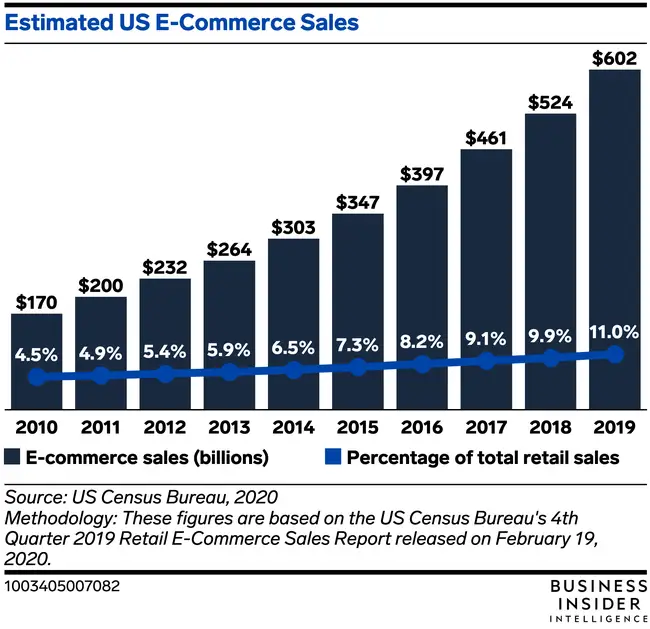
The fourth quarter (Q4) represents the peak sales season for e-commerce businesses, driven by major shopping events such as Black Friday, Cyber Monday, and the holiday season. For sellers aiming to maximize revenue, a well-structured strategy combining data-driven decisions, operational efficiency, and targeted marketing is crucial. Here’s how to set your store up for exponential growth in Q4.

  1. 1. Data-Driven Product Selection

Success in Q4 starts with choosing the right products:

Analyze Market Trends: Use historical sales data and trend analytics to identify categories with rising demand. Focus not just on high-volume items, but also on products with strong profit margins and low saturation.

Prioritize Potential Best-Sellers: Evaluate sales velocity, reviews, and competition. A product that is trending but not oversaturated can yield significant returns.

Leverage Predictive Tools: Tools that forecast market demand can help you anticipate popular items before competitors, giving you a first-mover advantage.

Tips: Regularly monitor “hot product lists” and update your inventory weekly to ensure you’re stocking items that buyers are actively searching for.

2. Optimize Your Store for Conversion

High traffic alone does not guarantee revenue. Conversion optimization is essential:

Improve Product Listings: Craft clear, benefit-focused product titles and descriptions. Include keywords that match search intent for Q4 shoppers.


Visual Content: High-quality images and short product videos showcasing usage scenarios increase buyer confidence and engagement.

A/B Testing: Test different layouts, call-to-actions, and promotional messaging to identify what drives higher click-through and purchase rates.

Tips: Prioritize mobile optimization—Q4 shoppers often browse and purchase via smartphones.
How to Achieve Exponential Store Sales Growth in Q4

3. Strategic Promotions and Discounts

Promotions during Q4 are a major driver of sales, but they need to be planned carefully:

Limited-Time Offers: Create urgency with flash sales, countdown timers, and exclusive bundles.

Early-Bird Campaigns: Launch promotions ahead of major shopping events to capture early buyers.

Cross-Promotion: Bundle complementary products to increase average order value.

Tips: Track performance in real time and be ready to adjust discount levels or inventory based on actual demand.

4. Streamline Operations and Fulfillment

Operational efficiency is critical during high-volume periods:

Inventory Management: Ensure your warehouse and suppliers can meet expected Q4 demand. Stock popular items ahead of peak periods.

Order Automation: Implement tools for automatic order processing, shipping updates, and tracking notifications to reduce errors and enhance customer satisfaction.

Multi-Channel Coordination: Synchronize inventory across marketplaces, website, and social media stores to prevent overselling and stockouts.

Tips: Consider partnering with reliable logistics providers to guarantee fast, tracked shipping during high-demand periods.

5. Customer Engagement and Retention

Q4 is not just about new sales; it’s also an opportunity to build loyal customers:

Personalized Marketing: Use email segmentation and retargeting campaigns to deliver tailored recommendations.

Customer Service Excellence: Provide responsive support through chat, email, and social media to resolve issues promptly.


Post-Purchase Follow-Up: Encourage reviews and feedback to strengthen brand credibility and inform future Q4 planning.

Tips: Reward repeat customers with exclusive offers to increase lifetime value.

6. Measure, Analyze, and Iterate

Finally, successful Q4 strategies require constant monitoring:

Track key metrics such as conversion rates, average order value, and customer acquisition cost.

Compare performance against previous quarters to identify trends and areas for improvement.

Use insights to optimize your strategy in real time for maximum impact.

Conclusion

Achieving exponential growth in Q4 is a combination of preparation, data-driven decisions, operational efficiency, and strategic marketing. By carefully selecting products, optimizing your store, running targeted promotions, ensuring smooth fulfillment, and engaging customers effectively, you can maximize both revenue and brand loyalty.

The key to Q4 success is not working harder—it’s working smarter. Align your strategy with market trends, leverage automation tools, and focus on actions that drive measurable results.
How to Achieve Exponential Store Sales Growth in Q4

DropSure is Your Best Partner
22 Years Experience
Affiliate Rebates
100% Quality Guarantee
Top-Up Rewards
10+ Global Warehouses
Custom Branding Support
Smart inventory System
24/7 Customer Support
Get a Quote in 24 Hours
Start Sourcing for Free

Keep Learning

These past few years, whether you’re scrolling through TikTok, watching YouTube, or browsing Reddit, you can’t miss people talking about “Dropshipping”—stuff like “zero inventory startups,” “passive income,” or “hundreds of orders a day,” all hyped up to get your blood pumping. But here’s the real question: Is dropshipping a legit money-making opportunity or just a cash-grab harvesting newbie sellers? Don’t rush to decide. Today, we’re going to tear off the filter for a brutally honest analysis—whether this business is worth your time and if it actually has a future. What Is Dropshipping?  Dropshipping (i.e. zero-inventory e-commerce) simply means you open an online store, sell other people’s products, and pocket the difference. No need to stock inventory, no need to handle shipping yourself—just a computer and an account, and you’re ready to go. The process is actually super simple. First, you set up a shop on Shopify, Shopee, or TikTok Shop, and list products you’ve found on Alibaba, 1688, or AliExpress. When someone sees your ad or video and likes what they see, they place an order in your store. You then take that order, go back to your supplier to place the same order, and the supplier ships the product directly to your customer—without you ever touching the item. For example, a customer buys a pair of pants in your store for $39.99. You then order it from AliExpress at a cost of $15 plus $5 shipping, so you net $20 on that sale (of course, you still have to deduct your ad spend and other miscellaneous costs). Sounds pretty sweet, right? A lot of people get hooked on this model and think it’s the “ultimate light-startup”: no purchasing stock, […]

Many businesses experience the same frustrating problem: an advertising campaign starts strong, generates impressive clicks, drives conversions, and delivers excellent returns. Then, after several weeks or months, performance begins to decline. The budget has not changed. The audience is still relevant. The product remains competitive. Yet the results are no longer what they used to be. In many cases, the problem is not the advertising platform, targeting settings, or offer itself. The real issue is creative fatigue. Creative fatigue happens when audiences see the same advertisement too many times and gradually lose interest. A message that once captured attention becomes familiar. An image that once stood out becomes invisible. A video that once generated curiosity becomes easy to ignore. For modern advertisers, this is one of the biggest challenges affecting campaign performance. Consumers are exposed to thousands of marketing messages every day. They quickly recognize repeated patterns, skip familiar content, and focus their attention on something new. This means businesses cannot rely on a single winning advertisement forever. The key to maintaining strong advertising performance is building an efficient ad creative rotation strategy that keeps content fresh, maintains audience interest, and continuously discovers new opportunities for growth. 1. Understanding Creative Fatigue: The Silent Performance Killer Creative fatigue is not a sudden failure. It usually develops gradually. At the beginning of a campaign, a new creative attracts attention because it provides something unfamiliar. The audience has not seen the message before, so curiosity and engagement are naturally higher. Over time, repeated exposure reduces the impact. People begin thinking: “I have seen this advertisement already.” “This brand keeps showing me the same thing.” “This product is not new anymore.” “I already know […]

If you own an online dropshipping store, then pricing strategy is definitely an aspect you need to take seriously. When pricing your products, you can’t just rely on your gut feeling. You have to take into account various expenses such as product costs, marketing costs, taxes, hosting fees, app fees, and even psychological factors. Don’t worry. In this guide, you’ll learn what dropshipping pricing strategy is, how to choose the best retail price, the different pricing strategies you can use, how to adjust product prices reasonably, and more! So, if you’re asking yourself, “What retail price should I set for my products?” then this article is for you. Let’s get started! What is Pricing Strategy When it comes to pricing strategy, you might think it sounds like a complex business term, but it’s as simple as setting a price for your favorite perfume. It’s about finding that sweet spot where you can earn a profit while ensuring customers feel they’re getting great value. In short, a pricing strategy is the method by which a business sets reasonable prices by studying market demand, product costs, competitors, and other factors. Sounds a bit like giving yourself a “price checkup”? That’s right—a pricing strategy helps you find the most appropriate “healthy price” that lets you profit without scaring away customers. Why Do You Need a Pricing Strategy You might think, “Isn’t it just about setting a price? What’s so special about it?” In reality, pricing isn’t that simple. An appropriate pricing strategy can help you attract potential customers and increase your profits. Imagine if you set the price too high, customers might feel it’s too expensive and walk away; but if you set […]

Recommended for you