En
En
 9 min read
In just a few short years, TikTok (known as “Douyin” or “TK” in some markets) has gone from a viral entertainment app to one of the most powerful marketing platforms in the world. With over 1 billion active users, endless video trends, and one of the smartest algorithms ever built, TikTok has become the place where brands and creators can explode overnight — if they play the game right.
But how do you actually build a successful TikTok channel that grows consistently, drives engagement, and maybe even earns money?
This guide will walk you through everything you need to know — from content strategy and algorithm secrets to editing techniques and posting schedules — so you can create TikTok videos that attract attention, followers, and trust.
1. Understand the TikTok Ecosystem
Before you start posting, you need to understand what makes TikTok different from other social media platforms.
Unlike Instagram or YouTube, TikTok’s discovery system doesn’t rely on followers — it’s based on content performance. Every video you post has the potential to reach thousands (or even millions) of people through the “For You” page (FYP).
TikTok’s Key Strengths
-
Equal opportunity exposure — even small accounts can go viral.
-
Algorithm-based reach — quality and engagement matter more than follower count.
-
Authenticity over polish — users prefer raw, relatable content over perfectly edited clips.
-
Trend-driven creativity — music, memes, and challenges shape what performs well.
In short: TikTok rewards creativity, consistency, and realness.
2. Define Your Channel’s Core Identity
One of the biggest mistakes new creators make is posting random videos without a clear theme. TikTok’s algorithm (and your audience) need to know what your content is about.
Ask yourself these questions:
-
What topics am I passionate about or knowledgeable in?
-
What value can I give to viewers — entertainment, education, or inspiration?
-
Who is my target audience (age, interests, lifestyle)?
Popular TK Channel Niches
-
Lifestyle & Daily Vlogs — relatable, everyday life moments.
-
Educational Content (EduTok) — quick tips, tutorials, or “did-you-know” facts.
-
Product Reviews & Unboxings — great for e-commerce and dropshipping brands.
-
Cooking & Food Hacks — simple recipes, plating aesthetics, or food reactions.
-
Comedy & Storytime — personal stories, jokes, or viral skits.
-
Beauty, Fashion & Fitness — transformation, how-to, or “before and after” content.
-
Motivational & Self-Improvement — quotes, mindset lessons, success tips.
Your niche determines not only your content direction but also your tone, hashtags, and audience engagement strategy.

3. Craft a Killer Profile
Your TikTok profile is your digital storefront — it’s where people decide whether to follow you or move on.
Here’s how to make it stand out:
-
Username: Keep it simple, short, and memorable. Avoid unnecessary symbols.
-
Profile Picture: Use a clear, high-quality photo (your face or logo).
-
Bio: Describe your content in one line — what users will get if they follow you.
Example: “Quick daily business tips for young entrepreneurs ?” -
Link: Add your website, online store, or Linktree once eligible.
-
Pinned Videos: Pin your best or most viral clips to the top.
Remember, your profile should instantly communicate your niche, value, and personality.
4. Learn the Algorithm — and Work With It
TikTok’s algorithm is complex, but you can take advantage of it once you understand how it works. The platform measures several key signals:
Algorithm Factors
-
Watch Time — the longer people watch, the more it’s pushed.
-
Completion Rate — videos watched until the end rank higher.
-
Engagement — likes, comments, shares, and saves boost exposure.
-
Freshness — new and frequent posts increase visibility.
-
User Interaction History — TikTok shows users more of what they engage with.
Pro Tips
-
Hook viewers in the first 2–3 seconds — open with movement, surprise, or a question.
-
Keep videos short and dynamic (10–30 seconds work best).
-
Use trending sounds or music whenever relevant.
-
Encourage engagement (“Which one would you choose?” “Tag a friend who needs this!”).
The secret isn’t tricking the algorithm — it’s feeding it what it wants: watchable, engaging content that people interact with.
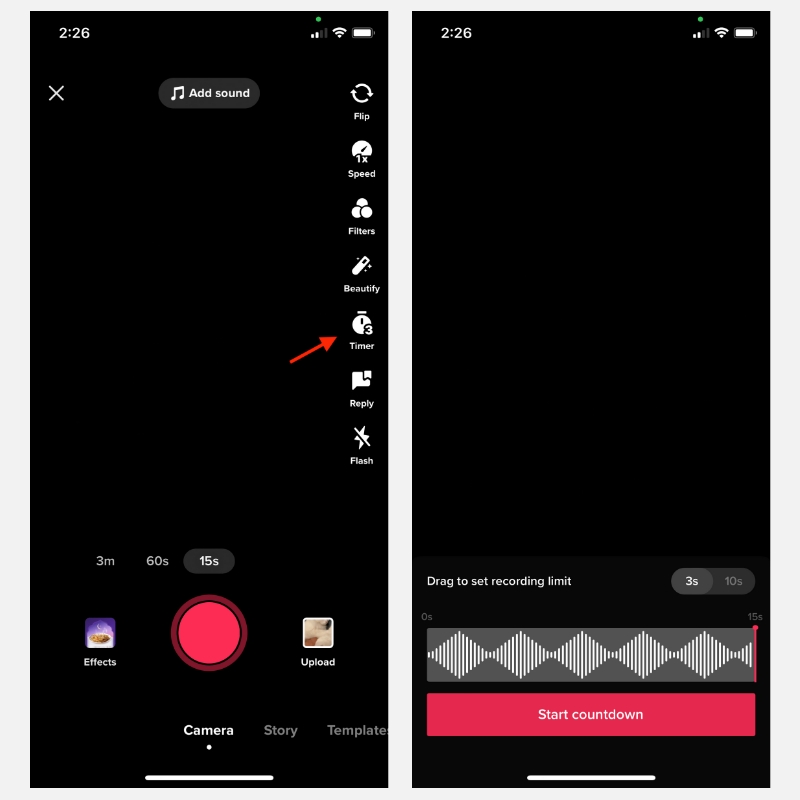
5. Create Scroll-Stopping Content
Every TikTok video is a mini story — you only have seconds to capture attention.
Structure of a High-Performing Video
-
The Hook (0–3 seconds):
Ask a question, show an unexpected image, or jump straight into action.
Example: “You’ve been cleaning your phone WRONG this whole time!” -
The Body (3–20 seconds):
Deliver your value — the “aha” moment, joke, or tip. -
The Payoff (last few seconds):
End with a punchline, transformation, or call to action (CTA).
Filming Tips
-
Use natural light whenever possible.
-
Record vertically and center your subject.
-
Keep movement and cuts fast — TikTok viewers have short attention spans.
-
Add captions — many users watch without sound.
-
Use visual elements (text overlays, emojis, arrows) to emphasize key points.
Editing Tools
-
TikTok’s built-in editor
-
CapCut (by ByteDance — perfect for TikTok transitions)
-
InShot or VN for color grading and effects
Remember, your first 3 seconds decide your success — make them count.

6. Post Consistently and Strategically
Success on TikTok isn’t about one viral video — it’s about consistent output.
Posting Frequency
-
Beginners: 1–2 videos per day
-
Intermediate: 3–5 videos per week
-
Established creators: 1 high-quality post daily
Best Posting Times (General Guide)
-
Weekdays: 6–10 PM
-
Weekends: 9 AM–12 PM or 7–10 PM
(Test and analyze — every audience behaves differently.)
Hashtag Strategy
Use a mix of:
-
Broad hashtags: #tiktoktips #funnyvideo #foryoupage
-
Niche hashtags: #koipond #beautyhacks #smallbusiness
-
Branded hashtags: #YourChannelName or campaign-specific tags
Don’t overload your caption — 3 to 5 hashtags is ideal.
7. Engage With Your Audience
TikTok rewards interaction — not just posting.
Engagement Strategies
-
Reply to comments within the first hour.
-
Pin valuable or funny comments.
-
Follow and duet with similar creators.
-
Join trends early and add your unique twist.
-
Use “Q&A” features or “Stitch” trending videos to increase visibility.
The more you engage, the more the algorithm learns that your account is active and trustworthy — meaning your videos are more likely to be shown on FYP.
8. Analyze and Optimize Your Performance
To grow strategically, you need to study your analytics — not guess.
Key TikTok Metrics
-
Views: How many people saw your video.
-
Average Watch Time: How long viewers stayed.
-
Traffic Source: Where viewers came from (FYP, followers, etc.).
-
Engagement Rate: Likes + comments + shares ÷ total views.
-
Follower Growth: Tracks how each video impacts your audience.
Optimization Tips
-
Double down on what performs well — replicate your viral structure.
-
Refresh underperforming topics with new angles or hooks.
-
Analyze your top 10% videos every week — learn what made them successful.
TikTok rewards creators who adapt quickly. The key is to test, analyze, and iterate.
9. Collaborate and Leverage Trends
TikTok thrives on collaboration. Working with other creators exposes your channel to new audiences.
Collaboration Ideas
-
Duet or stitch with creators in your niche.
-
Join hashtag challenges or start your own.
-
Create a “reaction” video to trending content.
-
Partner with brands or influencers for giveaways.
Trend Strategy
-
Monitor the “Discover” page daily.
-
Jump on trends early — ideally within 48 hours of their rise.
-
Add your own creative spin instead of copying exactly.
Remember: trends are the “currency” of TikTok visibility.
10. Monetize Your TikTok Channel
Once your TikTok presence grows, there are multiple ways to earn money:
-
Brand Sponsorships: Work with companies to promote their products.
-
TikTok Creator Fund: Eligible creators can earn revenue from views.
-
Affiliate Marketing: Promote products and earn commissions.
-
Live Gifts & Coins: Viewers can send virtual gifts during live streams.
-
Sell Your Own Products: Use TikTok Shop or link to your online store.
The key is to build trust first — never push sales too aggressively. Followers support creators who are authentic and valuable.
11. Avoid Common Mistakes
Many creators struggle because they overlook basic fundamentals. Avoid these traps:
-
❌ Posting irregularly or giving up after a few low-performing videos.
-
❌ Ignoring video quality — blurry visuals or poor sound kill engagement.
-
❌ Copying content without adding personal value.
-
❌ Overusing hashtags or keyword stuffing.
-
❌ Not engaging with comments or community.
-
❌ Ignoring analytics and repeating the same mistakes.
Remember: growth takes time, but consistency pays off.
12. Build a Long-Term Brand on TikTok
The most successful TikTok creators don’t just chase trends — they build brands.
Long-Term Growth Tips
-
Maintain a consistent aesthetic or theme (color tone, music style, intro).
-
Create content series (“Day in My Life Ep. 1, 2, 3…”).
-
Encourage community interaction (“Comment your experience!”).
-
Repurpose your TikTok videos on Instagram Reels, YouTube Shorts, or Pinterest.
-
Use analytics to evolve your brand voice over time.
TikTok is no longer just about viral fame — it’s about sustainable influence.
13. Conclusion: Consistency, Creativity, and Authenticity Win
Becoming successful on TikTok isn’t about luck — it’s about strategy, creativity, and persistence.
Understand your audience. Post consistently. Use trends wisely. Engage authentically. Measure what works. Repeat.
Remember, every viral creator started with zero followers and one simple post. Don’t overthink it — just start creating.
Over time, your TikTok channel can become more than just an account — it can become a personal brand, a business platform, or even a full-time career.
The power of short-form video is here to stay. And those who learn how to master it now will lead the digital world of tomorrow.