En
En
 12 min read
As a dropshipper, you depend on your supplier to handle storing and shipping your products, so if you end up with a bad supplier, things can go wrong fast.
A bad one can:
❌ Damage your reputation: Your customers see your name on the product, not your supplier’s. If there’s an issue with shipping, storage, or returns, it’s you they’ll hold responsible.
❌ Lead to bad reviews: All the effort you put into optimizing your eCommerce store can go out the window if your supplier mistreats your customers. Too many one-star reviews will make it harder to gain and keep customers.
❌ Cause stock issues: If your supplier keeps running out of stock, you’ll miss out on sales and it’ll hurt your credibility.
In dropshipping, your supplier impacts almost every part of your business. Therefore,finding a reliable supplier is key to keeping your business stable and successful.
Explore the various directories and apps to find reliable dropshipping suppliers!
Directories:
InventorySource
This platform automates product, inventory, and order management, syncing supplier products directly to your store on Shopify or Amazon. InventorySource saves time by handling daily tasks like uploading productsand managing inventory automatically.
This platform offers a list of certified suppliers, ensuring that the suppliers are trustworthy. You only pay a one-time fee to use their platform and find suppliers for as long as you need.
SaleHoo is a database that helps you find reliable suppliers and offers resources for learning dropshipping. It’s ideal for beginners, providing both suppliers and guidance on starting an e-commerce business.
WholesaleCentral is a free directory that provides supplier information, helping you find products to sell. If you’re comfortable managing your own products and orders, it’s a cost-effective option worth exploring.
APPs:
SellTheTrend
SellTheTrend is a platform that helps you find trending products by tracking market trends, perfect for selling on Shopify and WooCommerce. It makes product selection easier by showing popular items and allows you to automatically import products into your store, saving time.
Oberlo
Oberlo is a popular Shopify dropshipping tool that lets you import products from AliExpress with automatic inventory syncing and order processing. It’s a convenient option for Shopify users looking to source products from AliExpress and manage orders easily.
Dropified
Dropified is a powerful dropshipping app that supports importing products from platforms like AliExpress and eBay, automating order processing, inventory syncing, and shipment tracking. It’s a great choice for sellers needing more features than Oberlo and wanting to source from multiple platforms.
Spocket
Spocket is a dropshipping platform focused on the U.S. and European markets. Most of its suppliers are based in these regions, meaning faster shipping times and higher product quality.
If you want to offer quicker shipping to U.S. or European customers and select high-quality suppliers from these areas, Spocket is a great tool.
Printful
Printful is a dropshipping platform for custom products. You can upload your own designs, and they’ll print them on items like T-shirts, hats, and mugs, and ship them to your customers.
If you want to sell custom items, like your own designs on clothing or home goods, Printful is a great option. You don’t need to hold inventory—they handle the production and shipping.
Useful Channels to Explore
Here are some supplier sources and methods to consider that can guide you toward a successful dropshipping journey.
Platform Ratings
When searching for suppliers on Alibaba or AliExpress, the platform’s ratings and reviews are key tools for evaluating reliability.
On Alibaba, check transaction levels, response times, and product quality scores to find trustworthy suppliers. Look for badges like “Gold Supplier” or “Verified Supplier” to confirm the supplier has been verified. User comments on product quality, shipping speed, and service are also helpful.
On AliExpress, focus on star ratings, buyer reviews, and order volume. High sales and good ratings usually mean a reliable supplier. Reviews with photos and detailed feedback give a realistic view of products and services.
By carefully reviewing these ratings and comments, you can choose suppliers that meet your expectations and reduce the risks of working with them.
Professional Wholesale Websites
DHgate
DHgate is a well-known cross-border e-commerce platform that connects suppliers and buyers globally, offering a wide range of products from fashion to electronics and home goods, making it a great option for dropshippers.
Key features of DHgate include:
A variety of suppliers: Dropshippers can find partners that match their target market and product needs.
Competitive prices: Many suppliers are direct from production, cutting out middlemen, which leads to lower prices.
Supplier ratings: Buyers can evaluate suppliers based on feedback, including product quality, shipping speed, and customer service.
DHgate also provides solid platform services:
Multiple shipping options: DHgate partners with international logistics companies, allowing dropshippers to choose the best shipping method for their customers.
Buyer protection: The platform offers trade guarantees, helping resolve disputes if products don’t match descriptions, ensuring dropshippers are protected when sourcing goods.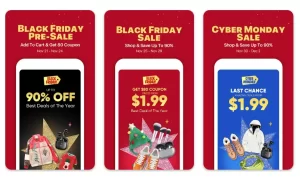
Wholesale Central
Wholesale Central is a website designed for wholesale business, acting as an information hub that connects buyers with suppliers. It doesn’t handle transactions directly but helps buyers and suppliers communicate.

Key features include:
Wide industry coverage: You can find suppliers for industrial goods, consumer products, and business services. Supplier profiles are detailed, offering product catalogs, company size, years in business, and contact info, making it easier for dropshippers to vet potential partners.
Industry updates: Wholesale Central also provides news on industry trends and wholesale prices, helping dropshippers stay informed and adjust their purchasing and sales strategies accordingly.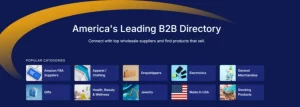
Social Media
Social media platforms like LinkedIn and Facebook are great tools for finding dropshipping suppliers. They not only offer direct contact but also let you assess suppliers’ credibility through reviews and interactions.
On LinkedIn, you can check suppliers’ company pages to learn about their background, team, and industry experience. Many suppliers share news, success stories, and customer feedback, giving you useful insights. Network recommendations and customer reviews help you evaluate their reputation and find suppliers that fit your product category.
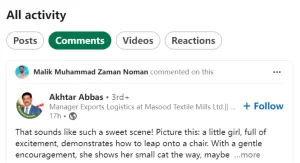
Facebook provides a look into a supplier’s social interactions. Customer comments and ratings on their pages give you real feedback on products and service. Their activity, response time, and interactions can reveal their service quality. Facebook’s search function can help you find suppliers that match your business needs by product category.
Using these platforms helps you understand a supplier’s reputation and find the right partners for your product line, setting the stage for business growth.
Assessing Supplier Reliability
It’s crucial to ensure that the supplier can deliver quality products and services. In this section, we’ll cover key aspects to help you assess supplier reliability and make informed partnership decisions.
Research Reputation
Researching helps you understand other businesses’ experiences and avoid risks. Use search engines to check for blogs, forums, or news reports on their performance, especially regarding product quality, shipping, or customer service. Frequent negative reviews or legal issues are red flags.
Social media platforms like LinkedIn, Facebook, and Twitter also offer authentic customer reviews and insights. Check their activity—frequent updates and quick responses indicate good service, while inactivity may signal poor communication.
By combining search engine research with social media reviews, you can make an informed decision on partnering with a reliable supplier.
Requesting Samples
Before making bulk purchases, ordering samples is a smart strategy. It serves as a “test run” to evaluate the supplier’s product and service quality.
Ordering samples is that you can see and feel the product firsthand, rather than relying solely on online pictures and descriptions. With samples, you can directly assess product quality, such as whether it matches the description, how well it’s made, and how comfortable it is to use.
How to Spot Fake Suppliers
It’s important to spot potential issues when choosing reliable suppliers. Here are some tips to avoid common pitfalls:
Be cautious when searching for suppliers, as high rankings don’t always mean reliability. Some suppliers use tactics to boost their rankings without focusing on quality.
1.Pay attention to the minimum order quantity (MOQ). If it’s too high, it could strain your cash flow, especially if you’re just starting. Ensure the MOQ fits within your budget for flexibility.
2.Check for recurring fees, like membership or management costs, which could eat into your profits. Clarify these upfront to ensure they won’t impact your margins.
By considering these factors, you can find a supplier that’s a good fit for your dropshipping business.
Understanding Return and Refund Policies
Understanding your supplier’s return and refund policies in advance can help you handle these unexpected situations more effectively, avoiding unnecessary complications. Let’s take a closer look at how to check and evaluate a supplier’s return and refund policies.
Ensure Policies Are Reasonable
Unreasonable return and refund policies could lead to delays in resolving issues, or even a refusal to accept returns, ultimately affecting your reputation and customer experience.
When reviewing a supplier’s return policy, focus on the following aspects:
Return Conditions: Understand under what circumstances returns are allowed. Does the supplier accept return requests due to product quality issues or shipping delays?
Time Limits: What is the time limit for returns? Some suppliers require return requests to be made within a specific timeframe, so ensure this aligns with your customers’ expectations.·Refund Process: Clarify how the supplier handles refunds, how long it takes to process, and whether refunds are issued to the original payment method or through other means like store credits or vouchers.
Understanding these policies in advance allows you to prepare, ensuring you can handle customer requests in an organized way if shipping issues arise, minimizing disputes.
Handling Returns and Creating Response Plans
Having a structured process to handle return issues helps you quickly resolve problems, maintain customer satisfaction, and protect your own interests.
First, ensure clear communication with your supplier to understand their return process. You need to know whether they cover return shipping costs, if their handling time is reasonable, and what condition the product must be in for a return. If a supplier’s return process is slow or unclear, this could strain your relationship with customers. Therefore, selecting a supplier with a fast and transparent return process is critical.
Next, implement some internal strategies:
Quickly Respond to Customers: When a customer submits a return or refund request, a timely response boosts trust. Even if the supplier’s return process is slow, good communication can ease the customer’s concerns.
Problem Assessment Mechanism: Establish a system to quickly assess whether the issue is due to shipping, product quality, or user error, and then apply the appropriate solution.
Diverse Compensation Options: Depending on the situation, consider offering partial refunds, exchanges, or vouchers. This protects the customer’s interests while reducing the loss from product returns.
In conclusion, finding the best dropshipping suppliers requires careful research. By reviewing platforms, checking feedback, testing samples, and evaluating service quality, you can build reliable partnerships that boost your business. A great supplier is key to ensuring customer satisfaction and long-term success, so take the time to choose wisely.