En
En
 8 min read
Starting a dropshipping business is exciting — low startup costs, flexible operations, and global selling opportunities make it one of the most accessible e-commerce models today. But one critical factor determines whether your store succeeds or fails: product selection.
Choosing the right products is the foundation of profitable dropshipping. To make better decisions, many beginners rely on product research tools. However, a common question arises:
Should you use free product research tools or invest in paid software?
For beginners with limited budgets, the choice can feel overwhelming. Free tools promise cost savings, while paid tools claim deeper insights and faster results. But which option truly delivers the best value for someone just starting out?
This comprehensive guide explores the differences between free and paid product research tools, their strengths and limitations, and how beginners can choose the best option based on their goals, budget, and experience level.
Why Product Research Tools Matter in Dropshipping
Before comparing free and paid solutions, it’s important to understand why product research tools are essential.
Successful dropshipping depends on identifying products that:
-
Have strong market demand
-
Face manageable competition
-
Offer healthy profit margins
-
Solve real customer problems
-
Show consistent sales potential
Without reliable data, beginners often choose products based on guesswork or trends that are already saturated.
Product research tools help analyze:
-
Market demand
-
Pricing trends
-
Competitor performance
-
Advertising data
-
Consumer interest patterns
They reduce risk and improve decision-making.
What Are Free Product Research Tools?
Free product research tools are platforms or resources that provide basic market insights without subscription fees. They typically offer limited features but can still help beginners understand market trends.
Common Types of Free Research Tools
Trend Analysis Platforms
Tools like Google Trends show how search interest changes over time, helping identify seasonal demand and rising products.
Marketplace Browsing
Beginners often research products by exploring:
-
Amazon best sellers
-
AliExpress trending products
-
eBay hot items
These platforms reveal consumer demand directly.
Social Media Trend Discovery
Platforms like TikTok and Facebook help identify viral products through user engagement and advertising content.
Browser Extensions (Free Versions)
Some tools offer limited free versions showing:
-
Estimated sales volume
-
Product ranking data
-
Pricing history
Advantages of Free Product Research Tools
Zero Financial Risk
Beginners can start research without spending money.
Good for Learning Market Basics
Free tools help users understand:
-
Market behavior
-
Customer demand
-
Competitive environments
Simple and Easy to Use
Most free tools require minimal technical knowledge.
Ideal for Testing Business Ideas
They allow beginners to explore product niches before committing financially.
Limitations of Free Tools
Limited Data Depth
Free tools typically provide surface-level information.
Manual Research Requirements
Users must gather data from multiple sources, which takes time.
Lack of Competitor Insights
Advanced analytics like ad tracking and sales estimation are often unavailable.
Slower Product Discovery
Manual research may cause beginners to miss fast-moving trends.
What Are Paid Product Research Tools?
Paid product research tools provide advanced analytics, automation, and deeper market insights through subscription-based services.
These platforms are designed to help sellers identify profitable products quickly and efficiently.
Popular Paid Dropshipping Research Tools
Well-known paid tools include:
-
Minea — focuses on social ad tracking
-
Pipiads — short video ad analysis
-
Jungle Scout — marketplace analytics
-
Helium 10 — comprehensive product data
These tools automate research and provide deeper insights.
Features of Paid Research Tools
Advanced Sales Estimates
Predict product demand based on historical data.
Competitor Tracking
Monitor successful stores and products.
Advertising Intelligence
Analyze trending ads and marketing strategies.
Automated Product Discovery
Algorithms identify potential winning products.
Profit Calculation Tools
Estimate margins and pricing strategies.
Advantages of Paid Tools
Faster Product Discovery
Automation saves time and identifies opportunities quickly.
More Accurate Data
Advanced analytics improve decision quality.
Competitive Advantage
Users access data not easily available through free tools.
Scalable Research Process
Ideal for growing businesses managing large product catalogs.
Limitations of Paid Tools
Monthly Subscription Costs
Fees can range from $20 to $200+ per month.
Learning Curve
Advanced features may require training.
Over-Reliance on Data
Some beginners depend too heavily on software without understanding markets.
Free vs Paid Tools: Side-by-Side Comparison
Cost
Free tools: No cost, low risk
Paid tools: Recurring subscription fees
Data Depth
Free tools: Basic information
Paid tools: Detailed analytics and predictions
Ease of Use
Free tools: Simple but manual
Paid tools: Automated but more complex
Speed of Research
Free tools: Slower process
Paid tools: Faster product discovery
Competitive Insights
Free tools: Limited
Paid tools: Comprehensive competitor analysis
Best For
Free tools: Beginners testing ideas
Paid tools: Growing businesses scaling operations
Which Option Is Best for Beginner Dropshippers?
The answer depends on several factors.
When Free Tools Are the Better Choice
Free tools are ideal if you:
-
Have a very limited budget
-
Are learning how dropshipping works
-
Want to test business ideas
-
Are exploring different niches
-
Prefer manual research
Beginners often benefit from building research skills before investing in paid solutions.
When Paid Tools Make Sense
Paid tools become valuable when you:
-
Already understand basic research
-
Want faster results
-
Plan to scale quickly
-
Need deeper data insights
-
Have a marketing budget
They help reduce uncertainty and accelerate growth.
A Smart Strategy: Start Free, Then Upgrade
Many successful dropshippers follow a hybrid approach.
Step 1: Learn Market Fundamentals With Free Tools
Use free resources to:
-
Understand customer behavior
-
Analyze demand trends
-
Explore niche opportunities
Step 2: Validate Product Ideas
Test products using small ad budgets.
Step 3: Invest in Paid Tools When Revenue Grows
Upgrade to paid software once your business generates income.
This approach minimizes risk while maximizing learning.
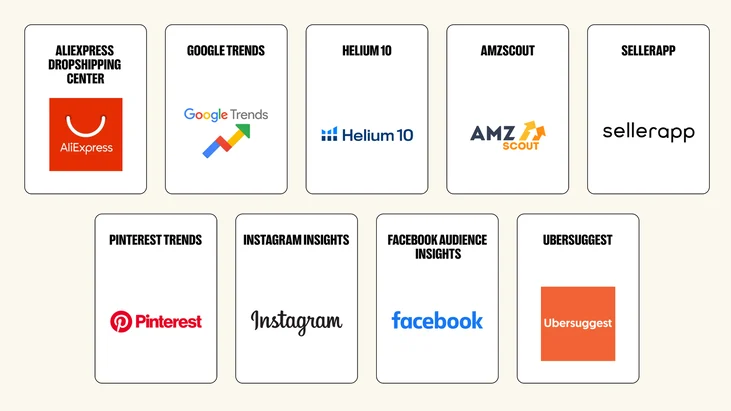
How Beginners Should Evaluate Product Research Tools
Not all tools deliver equal value.
Check Data Accuracy
Reliable data improves product selection.
Compare Pricing vs Value
Choose tools that justify their cost.
Look for Ease of Use
Beginner-friendly interfaces reduce learning time.
Assess Market Coverage
Ensure the tool supports your target platform.
Test Free Trials
Many paid tools offer trial periods.
Hidden Costs Beginners Often Overlook
Time Cost of Manual Research
Free tools require significant effort.
Risk of Choosing Poor Products
Limited data increases decision risk.
Subscription Waste
Paying for advanced tools without using features wastes money.
Common Mistakes New Dropshippers Make
Buying Expensive Tools Too Early
Investing before understanding basics often leads to wasted budget.
Relying Only on Free Data
Limited insights may cause poor product selection.
Ignoring Market Validation
Tools support decisions but do not guarantee success.
Following Trends Too Late
Speed matters in dropshipping markets.
Budget Planning for Product Research
Beginners should treat research tools as an investment.
Suggested Budget Strategy
-
Month 1–2 → Use free tools
-
Month 3+ → Consider paid tools if revenue grows
This reduces financial risk.
Hybrid Research Workflow for Beginners
The most effective approach combines free and paid resources.
Example Workflow
-
Identify trends using Google search data.
-
Validate demand on online marketplaces.
-
Analyze social media engagement.
-
Use paid tools for detailed analysis if needed.
This method balances cost and accuracy.
Do Paid Tools Guarantee Winning Products?
No tool guarantees success.
Successful dropshipping still requires:
-
Strong branding
-
Effective marketing
-
Customer service
-
Competitive pricing
-
Market understanding
Research tools only improve decision quality.
How the Product Research Landscape Is Evolving
Technology continues transforming product discovery.
AI-Powered Product Prediction
Artificial intelligence increasingly identifies trends automatically.
Real-Time Market Monitoring
Future tools will track consumer behavior instantly.
Integrated Business Platforms
Research, marketing, and analytics may combine into unified systems.
Who Should Invest in Paid Tools Immediately?
Some beginners may benefit from starting with paid tools if they:
-
Have prior e-commerce experience
-
Possess sufficient startup capital
-
Plan aggressive scaling strategies
-
Understand data-driven decision making
For most new sellers, however, starting free is safer.
Final Verdict: Free or Paid — What’s Best for Beginners?
For new dropshippers, free product research tools provide a strong starting point. They help build foundational knowledge, reduce financial risk, and teach how markets behave.
Paid tools offer powerful insights and efficiency, but they are most valuable after gaining experience or generating revenue.
The smartest path for beginners is gradual progression:
-
Start with free tools
-
Learn market fundamentals
-
Validate product ideas
-
Upgrade to paid tools when ready
This balanced strategy maximizes learning, minimizes risk, and builds a sustainable foundation for long-term dropshipping success.