En
En
 8 min read
Product selection is the single most important decision in any dropshipping business. You can run perfect ads, build a beautiful website, and optimize your checkout flow—but if your products are wrong, none of it matters. Among all the strategic questions dropshippers face, one debate never seems to go away:
Should you focus on “small and beautiful” products, or aim for a “big and complete” product lineup?
In other words:
-
Do you build a brand around a narrow, highly curated set of products, or
-
Do you try to offer many products and cover an entire category?
Both strategies have produced successful stores. Both have also caused countless failures when used incorrectly.
In this in-depth guide, we’ll break down the philosophy, advantages, disadvantages, and real-world applications of both approaches. By the end, you’ll know exactly which path fits your current stage, budget, and long-term goals—and how to avoid the most common traps.
1. Understanding the Two Product Selection Philosophies
Before choosing sides, let’s define what these two strategies really mean in the context of dropshipping.
1.1 What “Small and Beautiful” Really Means
“Small and beautiful” doesn’t mean selling cheap or low-quality products. It means:
-
A small number of SKUs (often 1–10 core products)
-
Highly focused on one problem or use case
-
Carefully selected, tested, and optimized
-
Strong emphasis on branding, storytelling, and positioning
These stores often:
-
Look premium
-
Feel specialized
-
Convert well with targeted traffic
Examples include:
-
A store selling only ergonomic desk accessories
-
A brand focused solely on pet heating solutions
-
A single-product store with variations (sizes, colors, bundles)
1.2 What “Big and Complete” Really Means
“Big and complete” refers to stores that:
-
Offer dozens or hundreds of products
-
Cover an entire niche or category
-
Aim to be a one-stop shop
-
Rely on variety and breadth to capture demand
These stores often:
-
Look like mini marketplaces
-
Rely more on SEO and repeat purchases
-
Have broader customer bases
Examples include:
-
A general home & kitchen store
-
A pet store covering food, toys, grooming, and accessories
-
A beauty store with many subcategories
2. The Case for “Small and Beautiful” Product Selection
Let’s start with the approach most beginners are drawn to today.
2.1 Faster to Launch, Easier to Test
With fewer products:
-
Website setup is simpler
-
Product pages get more attention
-
Testing ads is cheaper and faster
You’re not spreading your time and budget thin.
For new dropshippers, this is often the difference between launching in one week versus getting stuck for three months.
2.2 Clear Brand Identity
A focused product range allows you to answer clearly:
-
Who is this brand for?
-
What problem does it solve?
-
Why should customers trust you?
Clear positioning leads to:
-
Higher conversion rates
-
Stronger emotional connection
-
Easier ad messaging
Customers don’t feel overwhelmed. They feel guided.
2.3 Lower Operational Complexity
Fewer products mean:
-
Fewer suppliers
-
Less quality control
-
Fewer shipping variations
-
Fewer customer support issues
This is especially important in dropshipping, where you don’t control inventory directly.
2.4 Easier Marketing and Advertising
With a small product set:
-
You can create better ads
-
Messaging stays consistent
-
Creative testing becomes more focused
Many high-performing dropshipping ads succeed because they tell one clear story, not ten.
2.5 Higher Per-Product Optimization
You can:
-
Rewrite product descriptions multiple times
-
Improve images and videos
-
Test pricing and bundles
-
Add upsells and cross-sells strategically
Each product becomes a “hero.”
3. The Limitations of the “Small and Beautiful” Approach
While powerful, this strategy isn’t perfect.
3.1 Risk Concentration
If:
-
Your main product stops converting
-
A competitor enters aggressively
-
Ads become too expensive
Your entire business can slow down overnight.
3.2 Scaling Can Plateau
Single-product or narrow stores sometimes hit a ceiling:
-
Limited upsell opportunities
-
Fewer repeat purchases
-
Heavy dependence on paid ads
Without expansion, long-term growth can stall.
3.3 Seasonal Vulnerability
Many “small and beautiful” products are:
-
Seasonal
-
Trend-driven
-
Weather-dependent
When demand drops, revenue drops with it.

4. The Case for “Big and Complete” Product Selection
Now let’s look at the opposite philosophy.
4.1 Capturing More Demand
A wider catalog allows you to:
-
Serve different customer needs
-
Catch more long-tail searches
-
Reduce dependence on a single product
You’re not betting everything on one winner.
4.2 Higher Customer Lifetime Value
With multiple related products:
-
Cross-selling becomes natural
-
Repeat purchases increase
-
Email marketing becomes more powerful
Customers come back because you offer more solutions.
4.3 Stronger SEO and Organic Traffic Potential
Large catalogs are better suited for:
-
Blog content
-
Category pages
-
Long-term Google rankings
This can reduce reliance on paid ads over time.
4.4 Greater Brand Authority
Being “complete” signals expertise:
-
You look like a serious business
-
Customers trust you more
-
The store feels established
This is especially important for niches like pets, fitness, or home improvement.
5. The Downsides of “Big and Complete” Stores
This strategy also comes with serious challenges.
5.1 Higher Setup and Maintenance Cost
More products mean:
-
More product pages
-
More supplier coordination
-
More chances for errors
For solo founders, this can become overwhelming fast.
5.2 Diluted Brand Message
When you sell everything:
-
It’s harder to stand out
-
Messaging becomes generic
-
Ads lose focus
Customers may feel confused rather than convinced.
5.3 Harder to Optimize
With many products:
-
Some will always underperform
-
You’ll struggle to give each one attention
-
Inventory issues become more frequent
Not every product will justify the effort it requires.
6. Which Strategy Is Better for Beginners?
For most beginners, the answer is clear:
Start Small and Beautiful.
Why?
-
Lower risk
-
Faster learning
-
Easier execution
-
Better focus
Once you understand:
-
Your audience
-
Your traffic sources
-
Your supply chain
You can expand confidently.
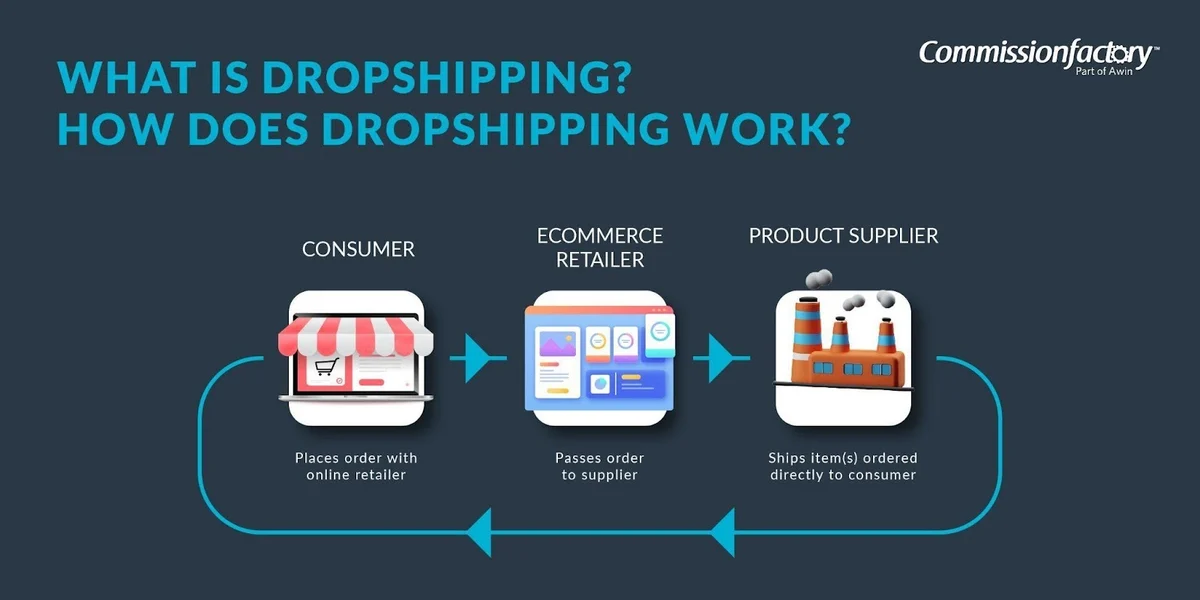
7. The Hybrid Strategy: The Best of Both Worlds
The most successful dropshippers don’t choose extremes. They evolve.
7.1 Phase 1: Small and Beautiful
-
Launch with 1–3 core products
-
Focus on ads and conversion
-
Validate demand and messaging
7.2 Phase 2: Controlled Expansion
-
Add complementary products
-
Introduce bundles and accessories
-
Increase average order value
7.3 Phase 3: Big but Focused
-
Expand into a full niche
-
Maintain clear categories
-
Keep branding consistent
This approach reduces risk while enabling long-term growth.
8. How to Decide Which Path Is Right for You
Ask yourself these questions:
-
How much startup capital do I have?
-
How experienced am I with ads and suppliers?
-
Do I want fast testing or long-term SEO?
-
Can I handle operational complexity?
-
Do I want a brand or a testing lab?
Your answers will point you in the right direction.
9. Common Product Selection Mistakes to Avoid
Regardless of strategy, avoid these traps:
-
Copying competitors blindly
-
Choosing products without real demand
-
Ignoring logistics and shipping costs
-
Offering too many products too early
-
Focusing on trends without validation
Product selection is not about luck—it’s about systems.
10. Final Thoughts: Strategy Beats Size
There is no universally “right” number of products in dropshipping. What matters is alignment:
-
Alignment between product and audience
-
Alignment between store size and your resources
-
Alignment between short-term goals and long-term vision
A small, beautifully executed store will always outperform a large, poorly focused one. But a well-structured, complete store can dominate a niche once the foundation is strong.
Start focused. Grow intentionally. Expand strategically.
That’s how sustainable dropshipping brands are built.