En
En
 8 min read
In 2026, digital advertising has entered a new era. Google Ads, long a cornerstone of online marketing, is evolving beyond traditional keyword targeting and display strategies. The game changer? AI Mode—a revolutionary approach designed to optimize campaigns in real-time, align with conversational search trends, and capture opportunities that advertisers may have overlooked in the past.
As users increasingly rely on conversational AI, voice queries, and context-aware search experiences, marketers who understand and embrace this shift will be positioned to reap significant advantages. Ignoring it is no longer an option. This article provides an in-depth look at the 2026 Google Ads landscape, explains how AI Mode works, and outlines actionable strategies for capturing the conversational search advantage.
The Shift to Conversational Search
Historically, search engine marketing has been structured around static keyword queries: “best running shoes” or “affordable home security systems.” These queries are linear, typed, and transactional in nature. However, the way users interact with technology is changing rapidly:
- Voice Search: Smart speakers, virtual assistants, and mobile voice queries are increasingly prevalent. Users speak in natural sentences rather than fragments. For example, “What are the safest running shoes for rainy weather?” replaces “running shoes safe rain.”
- Contextual Awareness: Modern AI search engines consider user intent, past behavior, location, and preferences. The query becomes part of a broader conversational flow.
- Multi-Turn Queries: Users expect follow-ups. For instance, after asking about running shoes, they may continue with, “Which ones are best for flat feet?”
The implications for advertisers are profound. Campaigns designed for single keywords or isolated search terms will struggle to capture the nuance of conversational intent.
Enter AI Mode in Google Ads
Google’s AI Mode represents a paradigm shift in campaign management. Rather than requiring marketers to predict every possible keyword or phrase, AI Mode uses machine learning to optimize bids, ad copy, and targeting dynamically.
Key Features
- Conversational Intent Recognition: AI Mode analyzes search queries in real time, understanding user intent beyond the surface-level keyword.
- Dynamic Copy Generation: Ads can be automatically tailored to match conversational context, improving relevance and engagement.
- Predictive Audience Targeting: AI Mode anticipates which users are most likely to convert based on behavioral patterns.
- Real-Time Bid Optimization: Instead of manual adjustments, AI Mode reallocates budget dynamically to the most promising queries.
- Multi-Channel Integration: AI Mode seamlessly incorporates display, video, and YouTube campaigns into the same predictive framework.
In essence, AI Mode allows advertisers to stay ahead of the curve, capturing attention in a world dominated by conversational interactions.
Understanding the Conversational Search Advantage
Conversational search presents unique opportunities compared to traditional search:
- Higher Engagement: Queries framed as questions or full sentences often indicate strong purchase intent.
- Lower Competition: Traditional keyword auctions are often saturated. Conversational phrases may be underserved, leading to lower cost-per-click.
- Better Targeting Accuracy: Contextual understanding allows ads to match user intent more precisely, improving conversion rates.
- Enhanced Cross-Selling Opportunities: AI-driven campaigns can identify related queries in real time, promoting complementary products automatically.
For example, consider a user asking, “What’s the best lightweight backpack for a 3-day hiking trip?” AI Mode can identify both the intent (hiking, short trip, lightweight) and related upsell opportunities (hydration packs, trekking poles, portable chargers), creating a more holistic advertising experience.
How AI Mode Works in Practice
- Data Ingestion: AI Mode continuously ingests real-time search data, including voice queries, typed searches, and user interactions across Google properties.
- Pattern Recognition: Advanced algorithms identify emerging conversational trends and intent clusters.
- Dynamic Ad Assembly: Instead of static ads, AI Mode generates copy that responds to query context, tone, and urgency.
- Performance Feedback Loop: Every interaction informs the AI model, improving predictions, refining targeting, and adjusting budget allocation automatically.
This dynamic approach contrasts sharply with pre-2026 campaigns, which relied heavily on manual keyword research, ad copy creation, and fixed bid strategies.
Preparing Your Campaigns for AI Mode
Transitioning to AI Mode requires strategic preparation:
1. Audit Existing Campaigns
- Identify high-performing keywords.
- Analyze query patterns and landing page engagement.
- Determine which campaigns can be enhanced with dynamic copy.
2. Define Conversational Goals
- Map the customer journey for common queries.
- Anticipate multi-turn conversations.
- Identify opportunities for cross-selling and retargeting.
3. Align Assets with AI Mode
- Ensure high-quality ad creatives are available for dynamic insertion.
- Structure landing pages to accommodate variable ad messaging.
- Integrate structured data to help AI Mode understand product attributes.
4. Monitor and Iterate
- Track conversion rates across conversational queries.
- Adjust creative and budget allocations based on AI performance feedback.
- Use insights from AI-driven analytics to refine broader marketing strategies.
Optimizing for Voice Search
Conversational search is inseparable from voice search:
- Natural Language Queries: Users often speak in complete sentences. Ads optimized for voice queries may perform differently than text-based campaigns.
- Local Intent: Many voice searches are location-specific, e.g., “Where can I buy eco-friendly running shoes near me?”
- Mobile Interaction: Voice search occurs frequently on mobile devices, emphasizing the importance of responsive landing pages and fast load times.
AI Mode helps bridge the gap by dynamically adapting ad copy to match natural language patterns and mobile behavior.
Ethical Considerations and Privacy
As AI Mode leverages user behavior and real-time data, ethical marketing practices are critical:
- Transparency: Be clear about data usage and targeting.
- Compliance: Ensure campaigns adhere to privacy regulations, including CCPA and GDPR where applicable.
- User Experience: Avoid overly intrusive or manipulative ad placements. Conversational search thrives on trust, and AI-driven ads must respect user intent.
Case Study: A 2026 AI Mode Success Story
Consider a mid-sized outdoor gear retailer:
- Challenge: Competing for broad keywords like “backpacks” and “hiking gear” was prohibitively expensive.
- Solution: Activated AI Mode, targeting conversational search queries like “best lightweight backpack for 3-day camping trips” and “affordable waterproof hiking gear for beginners.”
- Outcome: Within 60 days:
- Click-through rates increased by 45%
- Cost-per-conversion decreased by 30%
- AI Mode suggested complementary products (camping stoves, hydration packs), increasing average order value by 25%
This example demonstrates the tangible benefits of adopting AI Mode in a competitive market.
Future Trends to Watch
- Conversational Commerce: AI-driven search may integrate directly with purchase platforms, enabling transactions without leaving the search environment.
- Personalized Ad Experiences: AI Mode may increasingly tailor ads based on individual browsing and purchase history.
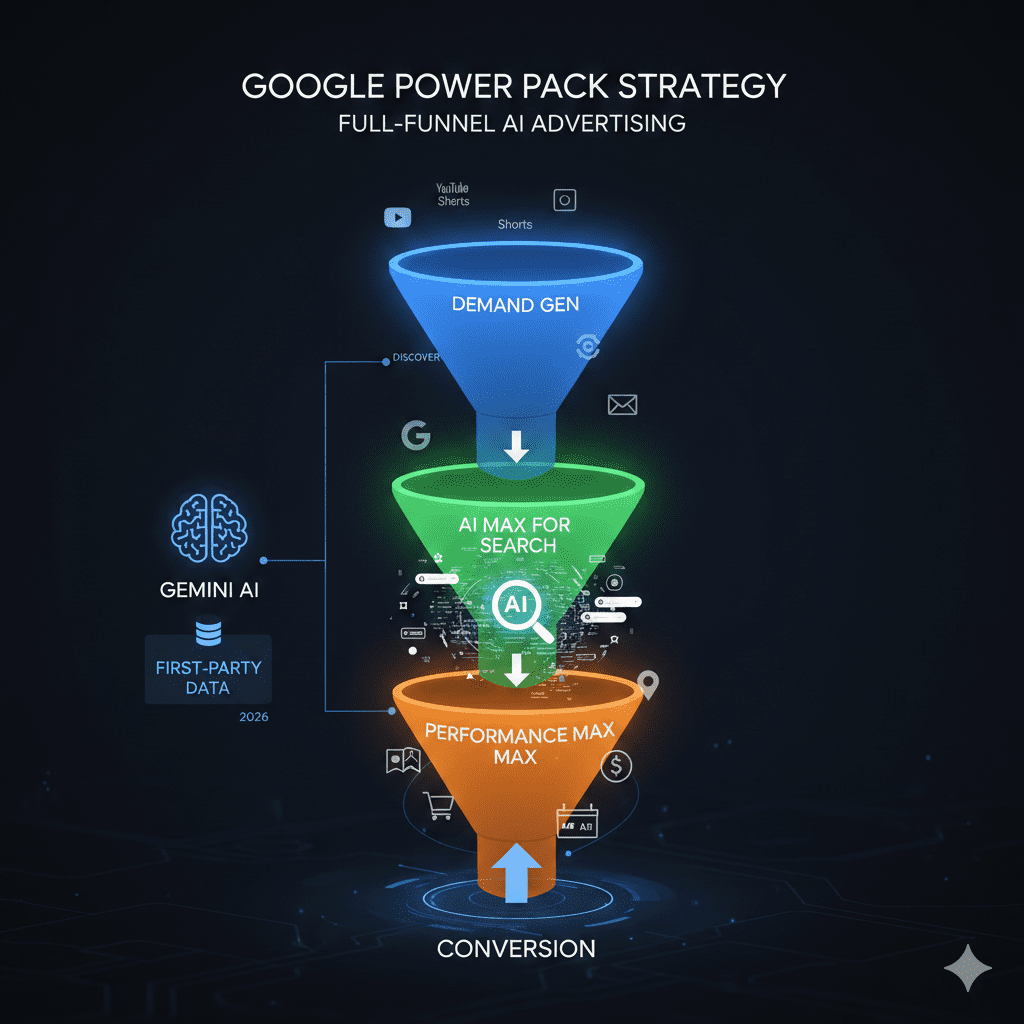
- Cross-Platform AI Integration: Expect AI Mode to unify Google Search, YouTube, Gmail, and Display campaigns into a seamless predictive ecosystem.
- Emerging Query Formats: Visual search, AR/VR search, and mixed-media queries will further expand the conversational search landscape.
Actionable Tips for Marketers
- Invest in High-Quality Creative Assets: The AI generates dynamic ads, but quality source material is essential.
- Focus on Multi-Turn User Journeys: Map likely question sequences to capture long-tail intent.
- Test Conversational Copy Variations: Even AI-driven campaigns benefit from human-curated input.
- Monitor Emerging Trends: Use Google Trends, Analytics, and AI Mode insights to detect new conversational patterns.
- Prioritize Landing Page Relevance: Dynamic ads perform best when landing pages align seamlessly with user intent.
Conclusion
2026 represents a transformative year for Google Ads. AI Mode is more than just a new feature—it is a paradigm shift, reflecting the rise of conversational search, voice queries, and context-driven advertising. Marketers who embrace AI Mode and optimize for conversational intent stand to capture higher engagement, reduce wasted spend, and maximize conversions.
Conversational search is no longer a niche trend. It is reshaping how consumers interact with search engines and how advertisers must approach digital marketing. The advertisers who act decisively now will be the ones who thrive in the next generation of Google Ads.
The bottom line: AI Mode allows you to meet users where they are, speak in the language they use, and deliver meaningful results—turning a shift in search behavior into a tangible competitive advantage.