< Blogs

Dropshipping from China – Complete Guide

Vivan Z.
Created on November 13, 2024 – Last updated on February 6, 20255 min read
Written by: Vivan Z.

In China, dropshipping has become a significant trend in the e-commerce industry. According to statistics, in 2023, the total value of China’s cross-border e-commerce imports and exports reached 2.2 trillion RMB, with a large portion of this trade driven by the dropshipping model. Platforms like Alibaba and AliExpress allow Chinese suppliers to directly ship products to global sellers, significantly reducing their operational costs. Compared to traditional inventory models, dropshipping eliminates the need for holding stock, allowing sellers to enter the market with lower startup capital. For example, sellers can access products directly from Chinese suppliers without having to purchase large quantities upfront, making it possible to sell globally. Furthermore, China’s advantages in product cost, manufacturing capabilities, and logistics have made it a central hub for global dropshipping.

China

What is Dropshipping?

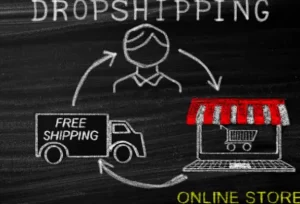
Dropshipping is a business model where you don’t need to hold inventory. When a customer places an order, you simply forward the order to the supplier, and the supplier ships the product directly to the customer. No warehouse, no inventory management, and no shipping hassles. Platforms like Dropsure make it easy by streamlining the process, so you can focus on marketing and sales, leaving the rest to us.

To learn more about dropshipping, check out our What is Dropshipping & How to Start article.

How to Dropship from China?

Success in dropshipping is no accident. Follow these steps to get your business started:

Step 1: Choose Reliable Suppliers

Choosing unreliable suppliers means delays, refunds, and unhappy customers. That’s why finding a trustworthy supplier with a good track record is crucial. Using a platform like Dropsure helps you easily find verified Chinese suppliers.

Step 2: Pick Hot-Selling Products

Stop second-guessing your product choices. Use market analysis tools like Google Trends to identify trending products with low competition and high demand. Your product selection directly impacts your future profits.

Step 3: Target the Right Audience

Understanding who’s buying your products is key. Use social media analytics tools and market research to figure out your potential customers’ age, interests, and buying habits. Precise targeting boosts conversion rates.

Step 4: Track Orders, Keep Transparency

Using your supplier’s order management system or tools provided by Dropsure, stay updated on order status. Customers expect timely delivery, and any delay could cost you their trust.

Step 5: Handle After-Sales Efficiently

Don’t let bad reviews drag you down. Establish clear return and exchange policies, and maintain good communication with customers. Promptly addressing issues is key to customer satisfaction and maintaining a positive reputation.
Dropshipping from China 3

Benefits of Dropshipping from China

Dropshipping from China offers several significant advantages:

1. Low Cost, High Profit

Products from China are typically inexpensive, which means lower sourcing costs and higher profit margins—helping you get a competitive edge in the market.

2. Wide Range of Products

Whether you’re selling electronics or fashion, you’ll find a wide variety of products from Chinese suppliers. The broad selection makes it easier to find products that suit your niche.

Dropshipping from China 2

3. Robust Supply Chain

China has one of the world’s most advanced supply chain infrastructures, ensuring efficient operations from production to logistics. Whether you’re selling in the U.S. or Europe, deliveries will arrive on time.

4. Strong Technical Support

Many Chinese suppliers offer advanced manufacturing capabilities and customization. Strong technical support ensures you get high-quality products, avoiding common quality issues.

How to Find Reliable Dropshipping Suppliers in China?

Finding reliable dropshipping suppliers isn’t hard if you know where to look. Here are a few tips:

1.Attend online or offline trade shows to meet suppliers face-to-face.

2.Use directories and platforms specifically designed to connect dropshippers with Chinese suppliers.

3.Check for supplier certifications or quality control measures. At Dropsure, we provide a curated list of trusted suppliers to make your search easier.

If you’re serious about finding the best suppliers, don’t miss out! Click here to read our article How Do Dropshippers Find Their Best Dropshipping Suppliers? and discover the top strategies that can take your business to the next leve
Dropshipping from China 1

Conclusion

Dropshipping from China presents a wealth of opportunities for entrepreneurs. By following the right steps, you can leverage low-cost products, a wide variety of choices, and a robust supply chain. At Dropsure, we’re dedicated to helping you succeed in your dropshipping journey. We provide the tools, connections to top suppliers, and support to help your business thrive. Start your dropshipping adventure with us today!


DropSure

DropSure is Your Best Partner
22 Years Experience
Affiliate Rebates
100% Quality Guarantee
Top-Up Rewards
10+ Global Warehouses
Custom Branding Support
Smart inventory System
24/7 Customer Support
Get a Quote in 24 Hours
Start Sourcing for Free

Keep Learning

For years, advertisers structured Google Ads accounts around geography. A typical account looked something like this: United States Campaign Canada Campaign United Kingdom Campaign Australia Campaign Germany Campaign Inside each campaign, advertisers duplicated keywords, ads, audiences, and landing pages while adjusting budgets and bids according to regional performance. This model made sense when automation was limited, audience signals were weak, and campaign management relied heavily on manual optimization. But in 2026, Google Ads operates very differently. Smart Bidding systems process billions of signals in real time. Search intent has become more valuable than physical location in many industries. Performance Max, broad match evolution, first-party audience signals, predictive conversion modeling, and AI-driven campaign optimization have fundamentally changed how successful advertisers structure accounts. Today, many high-performing advertisers are moving away from geographic segmentation and toward intent layering. Instead of organizing campaigns around where users are located, they organize campaigns around why users are searching. This shift creates cleaner data, stronger machine learning signals, better budget allocation, and often significantly higher return on ad spend. Let’s explore why intent-based account architecture is becoming the dominant framework for Google Ads in 2026. The Problem with Traditional Geographic Segmentation Historically, geographic segmentation solved several challenges. Advertisers wanted to: Control budgets by country Adjust bids based on regional performance Customize messaging Account for currency differences Measure market-specific results However, modern advertising environments expose the limitations of this structure. Consider a company selling premium outdoor mosquito repellents globally. Under a geographic model, the account might contain: USA Campaign UK Campaign Australia Campaign Canada Campaign Each campaign targets similar keywords: mosquito repellent insect repellent bug spray tick repellent The result? The same intent is fragmented across multiple campaigns. […]

In the fast-paced world of global eCommerce, one business model has opened the door for countless individuals to start their own ventures without the traditional barriers of entry — dropshipping. It’s lean, scalable, and perfect for those who want to turn their spare time into profit. But what happens when a “side hustle” grows beyond your expectations? When your small after-work project starts generating serious income and demands your full attention? This article dives deep into the entrepreneurial journey of transitioning from part-time to full-time dropshipping, exploring the mindset, challenges, financial strategies, and operational changes required to succeed. Whether you’re just starting or scaling up, you’ll find practical lessons and real insights here. 1. The Modern Appeal of Dropshipping Dropshipping has become synonymous with modern online entrepreneurship. It allows anyone with internet access, creativity, and persistence to build a brand without holding inventory. 1.1 How Dropshipping Works The model is simple yet powerful: You set up an online store and list products from suppliers. When a customer places an order, you purchase the product directly from the supplier. The supplier ships it to your customer — you never handle the product yourself. This means: Low startup costs (no inventory needed). Minimal risk (you only pay for items after you sell them). Flexibility (work from anywhere, anytime). For many people, this starts as a side hustle — a way to earn extra income while keeping their day job. But for others, it becomes the first step toward full-time entrepreneurship. 2. The Side Hustle Stage: Building the Foundation Before you can think about quitting your job, you must learn the fundamentals. The early phase is all about testing, learning, and persistence. 2.1 […]

In 2025, dropshipping is a crowded marketplace—everyone wants a slice of the market. The competition is tough, and making a mark could take an Everest-sized effort. But, hey, don’t be intimidated by that. It’s not so much luck in this game, it is working smart. So whether you’re newly carnival qualified in dropshipping, or ready to take your one-woman show to the next level, we’ve got the strategies you need to increase sales, scale like a boss, and remain top of the queue. Let’s dive in! What is Dropshipping?        Alright, let’s break it down. Dropshipping is one of the simplest ways to launch an online store—you don’t have to keep inventory, you don’t need a large warehouse space, and you don’t purchase stock in advance. Here’s how it works: You build an online store, put a few products for sale, and then when a customer makes an order, your supplier ships the products directly to them. That’s right, you don’t ever touch the product. You’re essentially serving as a middleman — you connect the customers to the suppliers, and you get to keep the profit margin. Why is this model so popular? You only pay for the products after you’ve sold them, so it’s low risk. It’s also low risk — no piles of unsold products collecting dust. Plus, its flexible! So long as you have an internet connection, you can run your establishment — anywhere. Sounds dreamy, right? But like any business, it has its headaches — managing suppliers, controlling costs, competing. But don’t worry; we have suggestions to help you shine in 2025. 15 Best Dropshipping Tips to Boost Your Dropshipping Business  Focus on a […]

Recommended for you