
















< Blogs

Cross-Border E-commerce Dropshipping: Compliance, IP & Consumer Protection

Vivan Z.
Created on March 28, 2025 – Last updated on April 1, 202513 min read
Written by: Vivan Z.

In the ever-changing landscape of international trade, cross-border e-commerce is seizing unprecedented development opportunities. The dropshipping model, with its low start-up barrier and financial cost advantages, is gradually becoming a popular choice among e-commerce entrepreneurs. Sellers do not need to pre-stock inventory or rent warehouses, but can instead focus solely on product promotion and sales, while suppliers handle production and shipping, significantly reducing initial risks.

However, while enjoying the convenience of dropshipping, cross-border e-commerce also faces a complex and dynamic international market and regulatory environment. Varying consumer preferences and regulatory requirements across countries make compliance operations key to ensuring robust business development. Only by strictly adhering to all regulations can sellers effectively manage risks and achieve long-term success.

This article will explore compliance operation methods for cross-border e-commerce dropshipping, analyze the model’s advantages and potential risks in detail, and provide you with practical compliance recommendations.

What is Dropshipping?

Dropshipping is a retail model where the seller (also known as the dropshipper) does not directly hold or manage inventory. In this model, the seller showcases products on an online store or e-commerce platform. Once a customer places an order, the seller forwards the order details directly to the supplier or manufacturer. The supplier or manufacturer then ships the product directly to the customer.
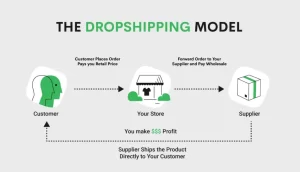
dropshipping model

So, what are the advantages of dropshipping?

Imagine you are the owner of an online clothing store. You don’t need to rent a warehouse to store thousands of pieces of clothing or worry about unsold inventory. Instead, you simply display photos and descriptions of the clothing on your website, and once a customer orders, you notify the supplier to ship the product. This is the freedom that the dropshipping model offers.

Additionally, when a customer sees an item on your website and places an order, the order information is immediately relayed to your supplier. The supplier then picks the product from their warehouse based on the order details and ships it directly to the customer. This process is fast and efficient, reducing intermediaries and improving response times.

In the dropshipping model, your profit comes from the difference between the selling price and the supplier’s wholesale price. For example, if the wholesale price of an item is $20 and you sell it for $40, once the customer places an order, you pay $20 to the supplier and keep the remaining $20 as profit. This model enables you to make sales with minimal upfront costs.

Compliance in Operation: Key Points for Dropshipping in Cross-Border E-commerce

When operating a dropshipping business in cross-border e-commerce, compliance is critical. To conduct your business legally and in accordance with regulations, please consider the following points:

Avoid Infringing Intellectual Property Rights 

Unauthorized use of another party’s brand name or trademark 

This refers to the use of another party’s brand name, logo, or trademark without obtaining proper authorization. Whether it’s on product packaging, promotional materials, or website displays, using protected brand elements may confuse consumers into mistakenly believing that the product is associated with a well-known brand. Such actions not only harm the reputation of the original brand but may also lead to legal disputes, resulting in high compensation and administrative penalties for the company.
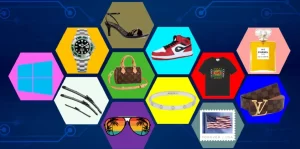
Unauthorized use of another party's brand name or trademark

Selling Products That Are the Same or Similar to Popular Brands  

Selling items with a highly similar appearance, design, or style to those of popular brands can easily mislead consumers into believing that the products are genuine or officially licensed. Even if the product quality differs, an overly similar design may infringe on the original brand’s design rights or patents, potentially leading to legal disputes. Once consumers’ trust in authentic products is undermined, it not only damages the brand’s image but also disrupts market competition, resulting in significant economic losses and reputational crises.

Sourcing Products from Unregulated Channels 

Purchasing products through unregulated channels often lacks proper documentation of legitimate sourcing. This increases the likelihood that the products are counterfeit, substandard, or of poor quality. Selling such products not only causes direct economic and safety losses for consumers but also exposes the business to infringement and fraud risks. Regulatory authorities impose strict penalties on counterfeit and substandard products, and businesses may face severe sanctions, potentially leading to the collapse of their commercial reputation and brand image.

Selling Products with Copyrighted Designs 

Using copyrighted design elements in the production and sale of products without authorization constitutes direct infringement. For example, printing Disney characters or other well-known copyrighted images on items such as T-shirts and hats without permission can easily lead consumers to assume that the product has official endorsement. Such actions not only severely violate the legal rights of the copyright holders but, once discovered, may result in lawsuits with heavy compensatory damages and market bans, among other adverse consequences.

Recommendations to Avoid Infringement Risks 

In actual business operations, to avoid legal risks and commercial losses associated with intellectual property infringement, it is essential to verify the credentials of your suppliers. Businesses should ensure that suppliers possess valid business licenses, brand authorization certificates, and other relevant documents, thereby reducing the risk of procuring infringing products. Before listing products for sale, it is advisable to have thorough communication with suppliers, clearly conveying the intention to sell products through overseas online channels and discussing related intellectual property issues in detail, ensuring that both parties have a clear understanding of their responsibilities and obligations.

Additionally, tools such as Google’s “reverse image search” can be utilized to compare product appearances and designs to detect any high similarity to well-known brands, thus identifying potential infringement risks early. If there is any uncertainty during information gathering and assessment, it is important to consult with a professional lawyer familiar with the relevant laws and regulations. A lawyer can not only interpret specific intellectual property laws but also assist the business in formulating compliant sales strategies, ensuring that all applicable intellectual property laws and standards in foreign markets are adhered to, thereby safeguarding the business’s legal rights and market competitiveness.

reverse image search

Common Behaviors That Harm Consumer Rights

Abusing Consumer Personal Information
The personal information provided by consumers during the shopping process is sensitive data and should not be misused. Some sellers may use consumer information for unauthorized marketing activities or sell it to third parties, thereby infringing on consumers’ privacy rights. To protect consumer privacy, sellers should clearly inform consumers of the purpose when collecting information and obtain their consent to receive marketing emails. Additionally, providing a clear link to the privacy policy on the platform ensures that the handling of information is transparent and secure. 


Implementing Unreasonable Return and Exchange Policies and Concealing Costs 

Unreasonable return and exchange policies can make it difficult for consumers to assert their rights when issues arise. Hiding information about associated costs can also lead to misunderstandings in purchasing decisions. To safeguard consumer rights, sellers should establish a dedicated returns and exchanges policy page that details all terms and fees, ensuring transparency. Clear policies not only help consumers understand their rights but also contribute to establishing the company’s image of integrity.

Lack of Accurate or Updated Logistics Tracking Information 

Timely and accurate logistics tracking information is a key part of the consumer experience. Some sellers, due to choosing unreliable logistics service providers, may leave consumers without the latest logistics status during the waiting period, thereby affecting the shopping experience. Selecting a logistics provider that offers comprehensive tracking services, ensuring that consumers can always check the delivery progress, is an important measure to protect consumer rights.

Insufficient After-Sales Support or Difficulty Reaching Customer Service 

After-sales service is crucial for consumers when they encounter issues after purchasing a product. Insufficient after-sales support or difficulty reaching customer service can easily lead to consumer dissatisfaction and complaints. An effective after-sales service system should not only promptly address consumers’ questions and complaints but also establish multi-channel customer contact mechanisms so that consumers can receive effective assistance when issues arise. This, in turn, improves the overall shopping experience and enhances the company’s reputation.

Insufficient After-Sales

Accurate Advertising Should Reflect the Actual Product 

In all marketing activities, the advertising content must truthfully reflect the actual products being sold. If there is a significant discrepancy between the advertised product and the actual product received, consumers will be severely misled, which may lead to legal actions and a crisis of trust. Sellers should ensure that advertisements, images, and descriptions are consistent with the actual product, avoiding exaggeration or false advertising. This approach not only effectively reduces legal risks but also helps in building long-term, stable customer relationships.

Common Advertising Errors

Exaggerating Product Features or Effects 

Exaggerating a product’s features or effects in advertising copy can lead consumers to develop unrealistic expectations, resulting in disappointment when the product is actually used. To build long-term trust, sellers should use precise and objective language to describe product functions, ensuring that marketing content accurately reflects the product’s real performance. This helps avoid consumer complaints or legal disputes arising from discrepancies between the promotion and the actual product.

Over-Enhancing Images 

Using overly enhanced product images may mislead consumers, who might later discover significant differences between the promoted appearance and the actual product. Therefore, sellers should opt to display genuine images, or re-photograph and edit images in a realistic setting, to ensure that the visual representation accurately reflects the product’s true condition. This approach enhances customer satisfaction and trust.

Inaccurate Product Descriptions 

Inaccurate or vague product descriptions can lead to doubts about the product’s functions, specifications, and quality. After thorough communication with suppliers, sellers should ensure that all product details—such as materials, ingredients, and certification marks—are accurately reflected on the product page. This helps consumers make informed purchasing decisions and reduces the risk of disputes caused by information asymmetry.

Manipulating Product Reviews 

Some sellers attempt to manipulate product reviews to enhance the product’s image. This behavior not only violates principles of honest business practices but can also result in a poor consumer experience after purchase, ultimately damaging the company’s reputation. Maintaining genuine product reviews helps consumers obtain objective feedback. Sellers should encourage honest evaluations from buyers and avoid any form of deceptive promotion, thereby establishing a robust system of customer trust.

Manipulating Product Reviews 

Exaggerating Discount Offers 

While exaggerating discount offers in promotional activities can quickly attract consumer attention, discrepancies between the advertised and actual discounts can lead to consumer dissatisfaction and complaints. Reasonable pricing and transparent disclosure of discount information not only prevent issues of false advertising but also maintain the company’s image and market integrity, helping sellers build a strong reputation in a competitive environment.

Adhering to Tax and Licensing Regulations  

In cross-border dropshipping, it is not only important to maintain accuracy and truthfulness in advertising and product descriptions, but also to strictly comply with tax and licensing regulations. In mainland China, sellers need to hold a valid business license and timely declare VAT and corporate income tax; while operating in overseas markets, it is even more critical to pay attention to the tax requirements and licensing regulations of the target market. Properly managing tax issues and licensing compliance can help avoid account suspensions, website bans, or hefty fines due to violations, and lays a solid foundation for the long-term, stable development of the business.In summary, through the content above, you should have gained a more comprehensive understanding of the dropshipping model in cross-border e-commerce. This model, while having low barriers to entry and minimal capital costs, offers you an excellent opportunity to enter the international market. However, it also comes with complex legal regulations and market supervision risks.

Summery

To ensure your business develops steadily, you need to pay attention to intellectual property protection, consumer rights maintenance, truthful and accurate advertising, and strict compliance with tax and licensing regulations.

DropSure is Your Best Partner
22 Years Experience
Affiliate Rebates
100% Quality Guarantee
Top-Up Rewards
10+ Global Warehouses
Custom Branding Support
Smart inventory System
24/7 Customer Support
Get a Quote in 24 Hours
Start Sourcing for Free

Keep Learning

In today’s fiercely competitive cross-border e-commerce landscape, advertising costs are soaring, and acquiring new customers is becoming increasingly expensive. If you’re a dropshipping seller looking to boost profits without blindly increasing your ad budget, then increasing your Average Order Value (AOV) is one of the most worthwhile optimization strategies you can invest in. This blog will break down in detail:● What AOV is and why it’s critical for profitability● 6 practical strategies to increase AOV● Tool recommendations and real case studies● Data references and actionable tips What is AOV?  AOV stands for Average Order Value. It refers to the average revenue generated from each customer order and is a key metric for evaluating your store’s profitability. The formula is quite simple:Total revenue during a given period ÷ Total number of orders = AOV For example, if your store made $10,000 in revenue this month from 200 orders, your AOV would be:$10,000 ÷ 200 = $50 That means, on average, each order brought in $50 of revenue. Why Increasing AOV Is Essential for Your Business  Increasing AOV is not just a fancy trick — it’s a key metric in e-commerce operations that directly impacts profit, efficiency, and sustainable growth. Here are four core reasons why you should focus on boosting your AOV right now. Increase Profit Without Raising Order Volume  First, increasing AOV means you can boost overall profit without needing to increase the number of orders. You don’t have to rely on “fake orders” or price wars to push volume — simply getting customers to buy a bit more each time will expand your profit margin. This is especially practical and direct leverage for sellers with inventory pressure or limited […]

In the world of digital advertising, few combinations spark as much debate as Broad Match keywords paired with Smart Bidding. Some marketers swear by the pairing, claiming it unlocks hidden demand, improves campaign scalability, and allows machine learning to outperform human optimization. Others see it as a dangerous recipe for wasted ad spend, irrelevant clicks, and a loss of control over campaign performance. If you’ve spent any time managing paid search campaigns, you’ve probably heard both sides of the argument. One expert says Broad Match plus Smart Bidding is the future of Google Ads. Another warns that it can drain your budget faster than almost any other strategy if it’s implemented incorrectly. So who’s right? The answer, as with most things in performance marketing, isn’t black and white. Broad Match and Smart Bidding can be incredibly effective, but only when the right conditions are in place. Without a solid account structure, reliable conversion tracking, and a clear understanding of how Google’s automation works, the same combination can quickly become an expensive experiment. This guide takes a deep dive into how Broad Match and Smart Bidding function individually, why Google encourages advertisers to use them together, the benefits and risks of this strategy, and how to decide whether it’s the right fit for your business. What Is Broad Match? Broad Match is the default keyword match type in Google Ads. Unlike Exact Match or Phrase Match, Broad Match allows your ads to appear for a wide variety of search queries that Google considers related to your target keyword. For example, if your keyword is: ultralight camping tent Your ad could potentially appear for searches such as: lightweight backpacking shelter compact hiking […]

Dropshipping has become one of the most accessible online business models in the world. With low startup costs, no inventory risk, and the ability to sell globally, it attracts thousands of new entrepreneurs every month. But while dropshipping looks simple from the outside, the learning curve is much steeper than most newbies expect. Many beginners rush in with unrealistic expectations, poor strategies, or the wrong mindset—leading to slow growth, wasted money, and early burnout. If you’ve been running a dropshipping store and feel stuck…If your ads aren’t converting…If suppliers are letting you down…Or if you simply want to avoid the classic mistakes most first-time sellers make… This guide is for you. In this comprehensive article, we break down the 10 most common mistakes beginners make in dropshipping, why they happen, and most importantly—how to fix them immediately. Whether you’re selling through Shopify, WooCommerce, TikTok Shop, or other platforms, these lessons apply universally. Let’s dive in. 1. Choosing Products Based on Personal Preference Instead of Market Demand One of the most common beginner mistakes is choosing a product simply because: “I think this looks cool.” “I would buy this.” “My friends like it.” But dropshipping is NOT about what you like. It’s about what the market wants. Why it’s a mistake Your personal taste has zero correlation with: consumer demand search volume competition level profitability scalability Beginners often fall in love with their product idea, but the market doesn’t feel the same way. How to avoid it Use data—not emotion—to pick products. Analyze: Search volume (Google Trends, TikTok search, Amazon data) Past performance (AliExpress, Amazon bestseller lists) Engagement on social media (TikTok, Instagram, Pinterest) Competitor ad performance (Meta Ad Library, TikTok […]

Recommended for you