















 En
En
 8 min read
In today’s crowded marketplace, it often feels like everything has already been done. Scroll through any online store, and you’ll see rows of nearly identical products—same features, same materials, same promises. Whether it’s kitchen tools, home decor, lighting devices, or outdoor gadgets, the problem of product homogeneity has become one of the biggest barriers to growth.
If you’re a seller, brand owner, or product developer, you’ve probably faced this question: How do I stand out when everyone is selling the same thing?
The answer isn’t always inventing something entirely new. In fact, that’s often the hardest and riskiest path. A more practical, scalable, and proven approach is something called differentiated improvement—taking an existing, saturated product category and systematically enhancing it in ways that customers actually care about.
This article breaks down how to do exactly that. You’ll learn why products become homogeneous, what customers really respond to, and how to transform “ordinary” into “must-have” through thoughtful, strategic upgrades.
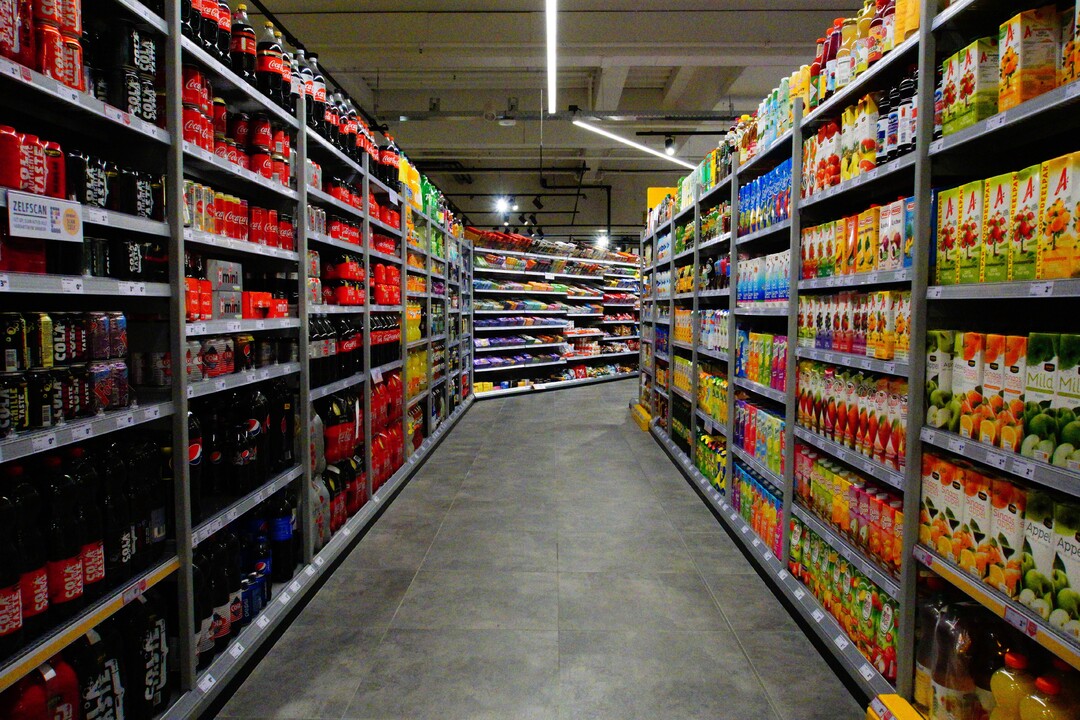
Why Product Homogeneity Happens
Before solving the problem, it helps to understand why it exists.
1. Low Barriers to Entry
With global manufacturing and dropshipping, launching a product has never been easier. Suppliers often offer the same base product to hundreds of sellers, which leads to marketplaces filled with identical items under different brand names.
2. Trend Chasing
When one product starts performing well, competitors rush in. They replicate the design, copy the features, and compete on price. Over time, differentiation disappears.
3. Lack of Customer Insight
Many sellers focus on what’s easy to source rather than what customers actually need. This leads to products that look similar because they were never designed with real user pain points in mind.
4. Over-Reliance on Price Competition
When products are indistinguishable, price becomes the only differentiator. This creates a race to the bottom, shrinking margins and weakening brand value.
The Real Opportunity Hidden in “Saturated” Markets
Here’s the surprising truth: a saturated market is often a validated market.
If many sellers are offering similar products, it usually means:
- There is proven demand
- Customers are actively searching for solutions
- The category has stable purchasing behavior
The problem isn’t demand—it’s lack of meaningful differentiation.
That’s where differentiated improvement comes in.
What Is Differentiated Improvement?
Differentiated improvement is the process of enhancing an existing product by focusing on:
- Better functionality
- Improved usability
- Enhanced aesthetics
- Added emotional value
- Clearer positioning for a specific audience
Instead of reinventing the wheel, you refine it—making it smoother, more durable, and better suited for a specific journey.
Step 1: Identify Real Customer Pain Points
Most products fail to stand out because they solve generic problems in generic ways.
To differentiate effectively, you need to go deeper.
Where to Find Insights
- Customer reviews (especially 3-star reviews)
- Q&A sections on product listings
- Social media comments
- Community forums
- Competitor feedback
Look for patterns like:
- “This works, but…”
- “I wish it had…”
- “The biggest issue is…”
These are signals of unmet needs.
Example
Instead of seeing a mosquito lamp as just a bug killer, customers might complain about:
- Noise at night
- Harsh light disrupting sleep
- Ineffective coverage area
- Difficult cleaning process
Each complaint is an opportunity.
Step 2: Redefine the Target User
A “general audience” product is almost always a weak product.
Differentiation becomes much easier when you narrow your focus.
Ask Yourself
- Who is this product really for?
- What environment will they use it in?
- What matters most to them?
Examples of Narrow Positioning
- Families with young children
- Apartment dwellers with limited space
- Outdoor enthusiasts
- Pet owners
- Minimalist design lovers
When you design for everyone, you resonate with no one. When you design for someone specific, every detail becomes clearer.
Step 3: Improve Functionality Where It Actually Matters
Adding more features doesn’t automatically create value. In fact, it often creates confusion.
Instead, focus on meaningful functional upgrades.
Types of Functional Differentiation
1. Performance Enhancements
- Stronger power output
- Faster results
- Wider coverage
2. Efficiency Improvements
- Lower energy consumption
- Longer battery life
- Faster charging
3. Reliability Upgrades
- Better materials
- Weather resistance
- Longer lifespan
Key Principle
Don’t add features for the sake of marketing. Improve what users already care about.

Step 4: Upgrade the User Experience
Many products fail not because they don’t work—but because they’re frustrating to use.
Areas to Improve
1. Ease of Use
- Simplified controls
- Clear instructions
- Intuitive setup
2. Maintenance
- Easy cleaning
- Replaceable parts
- Minimal upkeep
3. Portability
- Lightweight design
- Compact storage
- Multi-use flexibility
Why This Matters
A product that is slightly better but significantly easier to use will almost always win.
Step 5: Design for Emotional Impact
Customers don’t just buy functionality—they buy feelings.
Elements of Emotional Differentiation
1. Visual Design
- Modern aesthetics
- Color options
- Premium finishes
2. Brand Story
- Purpose-driven messaging
- Relatable positioning
- Clear identity
3. Lifestyle Alignment
- Fits into the customer’s daily life
- Enhances their environment
- Reflects their values
Example
Two identical products can perform the same function, but the one that feels better—looks better, aligns with identity, and tells a story—will win.
Step 6: Bundle Value Instead of Competing on Price
When products are similar, many sellers lower prices to attract buyers. This is rarely sustainable.
A better strategy is to increase perceived value.
How to Do It
- Include useful accessories
- Offer extended warranties
- Provide better packaging
- Add digital guides or tutorials
Result
Instead of being the cheapest option, you become the smartest choice.
Step 7: Optimize the First Impression
Customers often decide within seconds whether a product is worth considering.
Key Touchpoints
1. Product Title
Clear, benefit-driven, and specific.
2. Images
- Show real-life use cases
- Highlight improvements
- Compare with standard versions
3. Descriptions
Focus on outcomes, not just features.
Important Shift
Don’t just show what the product is. Show what it does for the user.
Step 8: Build Trust Through Transparency
In a crowded market, trust becomes a major differentiator.
Ways to Build Credibility
- Honest product descriptions
- Real customer testimonials
- Clear usage instructions
- Responsive customer support
Why It Works
Customers are more likely to choose a brand that feels reliable—even if it costs slightly more.
Step 9: Create a Feedback Loop for Continuous Improvement
Differentiation isn’t a one-time effort—it’s an ongoing process.
How to Stay Ahead
- Monitor new reviews regularly
- Track common complaints
- Test incremental improvements
- Update your product accordingly
Long-Term Advantage
While competitors copy your current version, you’re already working on the next iteration.
Step 10: Position Your Product Clearly
Even the best product can fail if it’s poorly positioned.
Strong Positioning Answers
- Who is it for?
- What problem does it solve?
- Why is it better?
Weak Positioning Sounds Like
- “High quality”
- “Best performance”
- “Great value”
These are vague and overused.
Strong Positioning Sounds Like
- “Quiet, sleep-friendly mosquito control for bedrooms”
- “Compact outdoor lighting for small balconies”
- “Pet-safe pest control for family homes”
Specificity creates clarity. Clarity drives conversions.
Common Mistakes to Avoid
1. Overcomplicating the Product
Adding too many features can dilute the core value and confuse users.
2. Ignoring Customer Feedback
Your customers are telling you exactly what to improve—if you listen.
3. Copying Competitors Blindly
Replication without understanding leads to more sameness.
4. Focusing Only on Price
Lower prices attract attention, but they don’t build lasting businesses.
Real Transformation: From Commodity to Brand
When done correctly, differentiated improvement transforms a product from:
- Generic → Purpose-driven
- Replaceable → Preferred
- Price-based → Value-based
Over time, this shift allows you to:
- Build stronger margins
- Create brand recognition
- Develop customer loyalty
Final Thoughts
Product homogeneity isn’t the end of opportunity—it’s the beginning of it.
When everything looks the same, even small improvements can make a big difference. By focusing on real user needs, refining functionality, enhancing experience, and building emotional connection, you can turn an ordinary product into something that stands out.
You don’t need to invent something entirely new. You just need to make something meaningfully better.
Start with one improvement. Then another. Then refine again.
That’s how ordinary products evolve into exceptional ones—and how businesses grow in even the most competitive markets.