















< Blogs

Best Dropshipping Websites for Dropshippers

Vivan Z.
Created on November 12, 2024 – Last updated on February 6, 20256 min read
Written by: Vivan Z.

Have you ever dreamed of running your own online store without worrying about inventory or shipping? That’s exactly what dropshipping offers—a low-risk, high-reward path for entrepreneurs. Whether you’re new to e-commerce or looking to level up an existing business, finding the right dropshipping platform can make all the difference. In this post, I’ll walk you through the unique features and benefits of some popular dropshipping sites, so you can get started smoothly and see real growth quickly.

What is Dropshipping? A Quick Overview

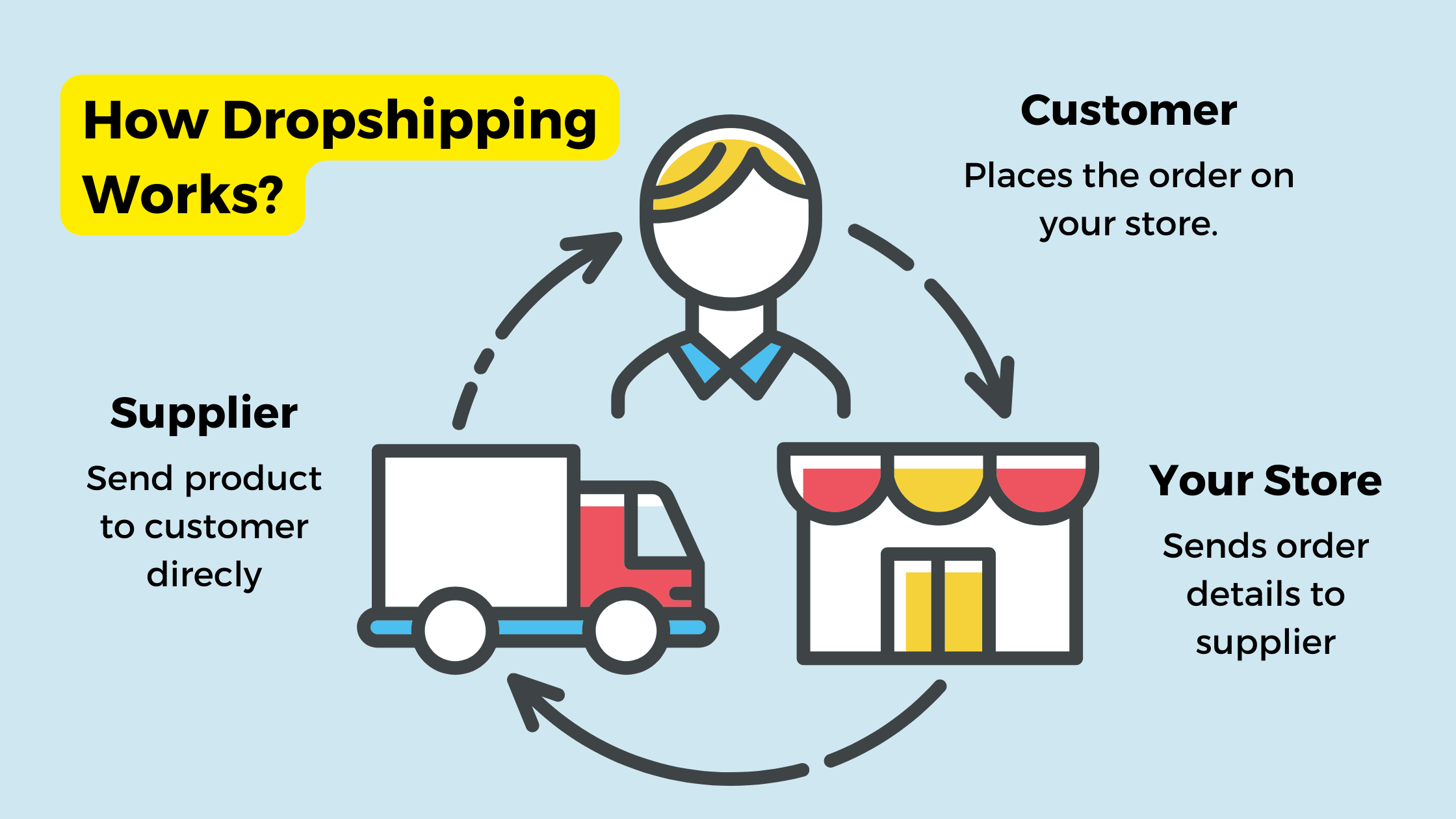
Dropshipping is a type of e-commerce business model where you don’t need to keep inventory. Instead, when a customer places an order, you work with a supplier who ships the product directly to them. This setup means you don’t have to handle stock, shipping, or logistics, making it a low-risk choice for people starting a new business. If you’re curious about how dropshipping works, check out our article What is Dropshipping & How to Start – Beginner Guide to dive deeper into the basics of the industry.
Dropshipping

Best Dropshipping Websites to Know About

Choosing the right dropshipping platform is essential, especially since each one has its own strengths and unique features. Below, I’ve rounded up some of the top dropshipping websites and compared them to help you decide which one best fits your needs.   
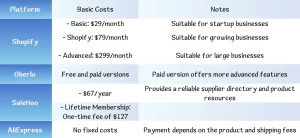
Dropshipping Platform

The table above breaks down the costs of different dropshipping platforms, making it easier for you to pick the one that best suits your needs.
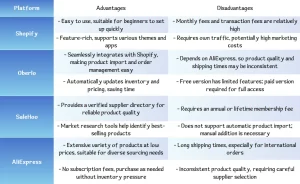
Platform Advantages&Disadvantages

This table provides a clear comparison of the advantages and disadvantages of various dropshipping websites, helping you make a more informed decision.

Finding the Right Dropshipping Platform to Start Your Business

If you’re ready to start your dropshipping journey, choosing the right platform is essential. As a professional dropshipping supplier and platform, DropSure offers low costs, a wide product selection, and efficient logistics services. With DropSure, you can easily kickstart your e-commerce business while receiving continuous tech support and assistance. For more details on DropSure, check out our recommended article. You can also find valuable insights in articles like How Dropshippers Find Their Best Dropshipping Suppliers and The 8 Tips to Know When Choosing Dropship Products.

FAQ

When choosing a dropshipping platform, many people have similar questions. To help you make an informed decision, I’ve put together some of the most common questions and answers about dropshipping. These should give you a clearer picture of the industry and guide you toward finding the right platform for your business.

1.What is Dropshipping, and How Does It Work?
Dropshipping is an e-commerce model where you don’t hold inventory yourself. Instead, you partner with suppliers who handle the storage and shipping. When a customer places an order, the supplier ships the product directly to them, allowing you to focus on sales, marketing, and customer service.
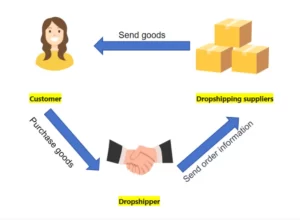
What is Dropshipping

2.What Are the Benefits of Dropshipping?
Dropshipping offers a low-risk way to enter e-commerce. You don’t need to invest in inventory upfront, and you can run your business from anywhere. It also allows you to test different products and niches without much financial commitment. This model is ideal for beginners as well as seasoned business owners looking to diversify their offerings. Portugal Finance

3.How Do I Choose the Best Dropshipping Platform?
Picking the right platform depends on your specific needs. Look for platforms that offer the products you want to sell, provide reliable suppliers, and have tools that integrate with your store smoothly. Platforms like Shopify and Oberlo are popular for their ease of use, while others like SaleHoo focus on supplier vetting. Consider your budget, product niche, and target market to make the best choice.

4.Are There Any Hidden Fees with Dropshipping Platforms?
Each platform has its own fee structure, which may include subscription fees, transaction fees, or additional service costs. Make sure to read the fine print and understand all costs involved. This will help you avoid surprises and better manage your budget. 

Dropshipping3

5.Can I Customize the Products or Branding?
Some platforms and suppliers allow you to add custom branding or labels, a practice known as “private labeling.” However, not all suppliers offer this option, so if branding is important to you, make sure to choose a platform or supplier that provides it.

6.Is Dropshipping Profitable?
Dropshipping can be profitable, but success depends on various factors, such as your product selection, marketing strategy, and pricing. Margins can be thin for some products, so choosing unique, high-demand items and understanding your market is crucial.

7.What Should I Watch Out For in Terms of Product Quality?
Since you’re not handling the products directly, it’s essential to work with reputable suppliers who have quality control measures in place. Check for reviews, request samples if possible, and pay attention to any feedback from customers about product quality. Good suppliers can make or break your business reputation.

8.How Do I Handle Customer Service Issues?
In dropshipping, you act as the intermediary between your customers and suppliers. While suppliers handle shipping, you’re responsible for addressing any customer service issues that arise, such as returns, refunds, and delays. Building a good relationship with your suppliers will help you resolve issues quickly and keep customers happy.

Dropshipping 2

Conclusion

Choosing the right dropshipping platform is a big step toward building a successful online store. I hope this article has given you a clearer idea of each platform’s features so you can decide which one fits your needs best. If you’re after an affordable, efficient dropshipping solution, consider DropSure. With a variety of products and reliable shipping, DropSure can help your business grow.

For more details, just click the chat box below to reach our team. We’re here to offer personalized advice and support to help you get started and keep growing your e-commerce business.

DropSure

DropSure is Your Best Partner
22 Years Experience
Affiliate Rebates
100% Quality Guarantee
Top-Up Rewards
10+ Global Warehouses
Custom Branding Support
Smart inventory System
24/7 Customer Support
Get a Quote in 24 Hours
Start Sourcing for Free

Keep Learning

If you’re starting a dropshipping business, Shopify and WordPress are two popular platforms to choose from. Both have their strengths and weaknesses, but the right one depends on your skills, business needs, and future plans. Let me break it down in simple terms to help you decide. Shopify: Easy and Perfect for Beginners Shopify is made for e-commerce, and it’s super simple to use. Don’t know coding? No problem! Shopify has tons of ready-to-use templates. It’s like building with Lego blocks—you just drag, drop, and create your store. It comes with built-in tools for payments, shipping, and managing orders. This saves you time and lets you focus on selling. Shopify also has a massive app store. You’ll find tools like Oberlo and Importify to quickly add products, Klaviyo and MailChimp for email marketing, and Privy or Upsell to boost sales. These apps make dropshipping smooth and stress-free. But Shopify isn’t cheap. The basic plan starts at $29/month, and as your store grows, you might pay more, especially if you use third-party payment gateways. Also, if you want very specific designs or functions, Shopify can feel limiting. WordPress: Flexible and Powerful, but Needs Tech Skills WordPress, on the other hand, is a powerful option if you want more control. By adding the WooCommerce plugin, you can turn WordPress into a full e-commerce platform. The biggest advantage? Flexibility. You can design your store however you like and customize features such as payment methods or shipping options. WordPress is open-source, meaning there are endless plugins and resources available. It’s also cheaper—just pay for hosting and a domain, which costs less than Shopify’s monthly fees. But here’s the catch: WordPress is not beginner-friendly. If […]

In today’s highly competitive cross-border e-commerce landscape, the accuracy of product selection directly determines your profitability. Choosing the wrong product could lead to slow sales and losses, but selecting the right one allows you to seize market trends and achieve explosive orders. With the vast number of products available in the global market, how can you quickly identify best-sellers? This is where professional product research tools come into play. Whether you’re a new seller or an experienced merchant, leveraging data-driven product selection strategies can make your decisions more informed and reduce trial-and-error costs. Today, we’ve curated seven powerful product research tools to help you gain precise market insights and boost your success in cross-border e-commerce! PickFu Want to know if your product will be a hit overseas? Don’t guess—ask the consumers! PickFu eliminates the need for complex data analysis by providing direct feedback from real buyers, making your decision-making process easier. On PickFu, you can launch open-ended surveys or A/B tests to ask your target audience directly. Their shopping habits, interests, and preferences—everything is laid out for you. Plus, you can filter respondents to ensure the feedback aligns with your target market. If you’re an Amazon seller looking to validate a product’s market potential or struggling to choose between designs, PickFu is your go-to solution. Run a poll and let consumers tell you what they prefer—no more gambling on the market. With 15 million global consumers, PickFu allows you to refine your audience selection based on age, interests, shopping location, and more, ensuring you receive the most relevant insights. That way, every decision you make is backed by real data, not just gut feelings. Don’t let market trends dictate your […]

In dropshipping, product selection often gets the spotlight. Sellers obsess over trending items, ad creatives, and profit margins. But behind every successful product is a far less glamorous—and far more critical—factor: the supplier. A weak supplier can destroy a winning product. Late shipments, inconsistent quality, poor communication, and unstable inventory can turn strong demand into refunds, chargebacks, and negative reviews. On the other hand, a reliable supplier can elevate an average product into a sustainable, scalable business. In the world of dropshipping, you don’t control inventory, packaging, or fulfillment. What you do control is who you partner with. That makes supplier evaluation one of the most important skills any dropshipper can develop. This article provides a deep, practical framework for judging supplier strength—before you invest time, money, and traffic into a product. 1. Why Supplier Strength Is the Real Barrier to Scaling 1.1 Dropshipping Is a Trust-Based Model Unlike traditional e-commerce, dropshipping relies on: Third-party inventory Remote fulfillment Limited direct oversight Your supplier becomes an extension of your brand—whether you like it or not. 1.2 Common Supplier-Related Failures in Dropshipping Many dropshipping stores fail not because of: Bad ads Poor websites Lack of demand But because of: Shipping delays Quality inconsistencies Inventory shortages Unresponsive suppliers Evaluating supplier strength early prevents these problems later. 2. Understanding What “Supplier Strength” Really Means Supplier strength is not just about price. It’s a combination of multiple capabilities working together. Key dimensions include: Manufacturing or sourcing capacity Quality control systems Inventory stability Fulfillment speed Communication efficiency Business reliability A cheap supplier without operational strength is a liability, not an asset. 3. Factory vs. Trading Company: Know Who You’re Dealing With 3.1 Factories Advantages: Better pricing […]

Recommended for you