En
En
 8 min read
Selecting products is the heart of every dropshipping business. You can build a beautiful Shopify store, write persuasive copy, and run ads with perfect targeting, but none of that will save you if your product selection is wrong. Product selection is responsible for more than 70% of a store’s long-term profitability, and yet—ironically—it is also the area where beginners make the most mistakes.
If you’ve ever asked yourself:
-
“Why don’t my ads convert?”
-
“Why are my margins so low?”
-
“Why does my competitor sell the same product successfully, but I can’t?”
-
“Why do all my suppliers recommend the same items?”
…then you’ve probably already fallen into one of the common traps this guide will help you avoid.
This in-depth, 4000-word guide breaks down the most common product selection mistakes in the dropshipping world—plus the psychology behind why beginners unknowingly repeat them. More importantly, it gives you actionable frameworks that help you evaluate any product objectively, so you have a real chance of finding your first winning item.
Let’s dive in.
1. Mistake #1: Choosing Products Based on Personal Preference
One of the biggest beginner traps is believing your personal taste equals market demand. New sellers often choose products because:
-
“I think this design looks cool.”
-
“I want this product myself.”
-
“My friends said they like it.”
These signals are emotion-driven, not data-driven.
Why it’s a problem
You are not the market. Dropshipping requires tapping into large audiences, not niche groups that share your personal interests. A product only succeeds when it aligns with:
-
actual demand
-
clear audience segments
-
proven purchasing behavior
Your preferences don’t reflect any of these.
✔ What to do instead
Use real data:
-
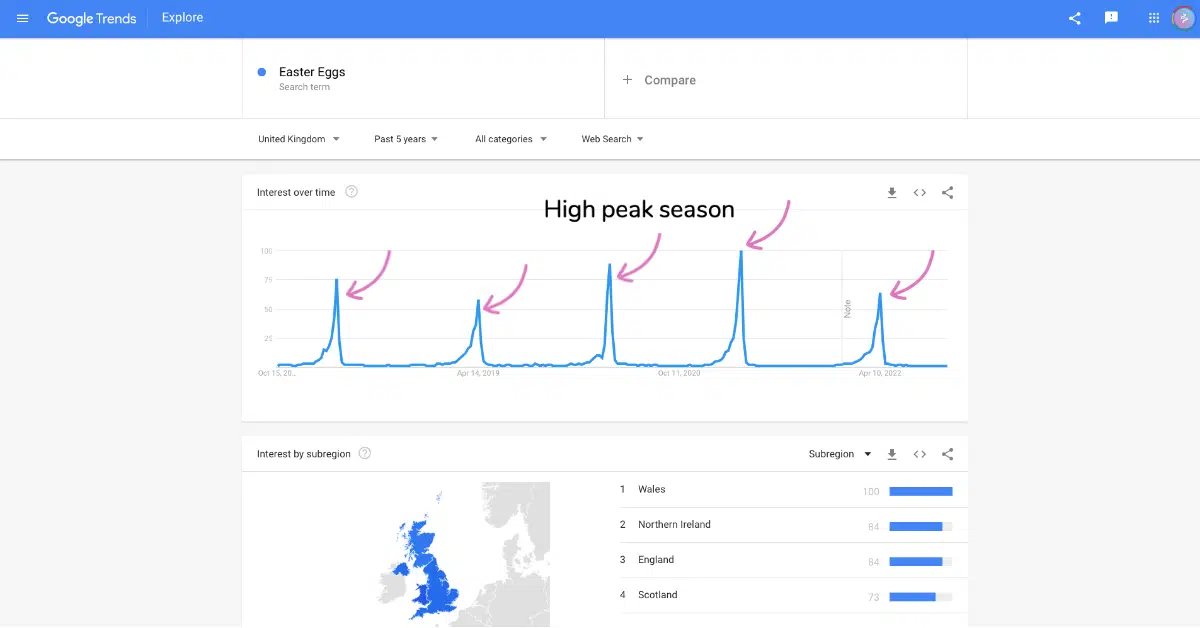
Google Trends
-
Amazon Best Sellers
-
TikTok Creative Center
-
Facebook Ad Library
-
AliExpress Order Data
-
Market research tools (Jungle Scout, Helium10)
Rely on validated demand, not gut feelings.
2. Mistake #2: Picking Overly Saturated “Viral” Products
Because of TikTok and YouTube, beginners love to chase products that went viral last month. But if you are seeing it everywhere, it is already too late.
Symptoms of an oversaturated product
-
Multiple stores selling the exact same item
-
Many existing Facebook ads with millions of impressions
-
Tons of AliExpress suppliers pushing it aggressively
-
Low margins because competitors race to the bottom
Why saturation kills profitability
When everyone sells the same product:
-
ad costs rise
-
margins shrink
-
CPM becomes too expensive
-
customers become blind to your ads
-
suppliers raise prices due to demand
-
shipping times get delayed
You end up competing on price, not value, and dropshipping becomes unprofitable.
✔ What to do instead
Look for early-stage trends, not past virality.
Tools to use:
-
TikTok trend insights
-
Google Trends “rising queries”
-
Etsy monthly increase in search volume
-
TikTok hashtag growth analysis
The best time to launch a product is before competitors catch on—not when everyone else is selling it.
3. Mistake #3: Ignoring Product Quality and Supplier Reliability
A common trap among new dropshippers is assuming “if it looks good in photos, it must be good.”
Huge mistake.
Why beginners skip quality checks
-
They don’t want to wait for samples
-
They believe supplier reviews are trustworthy
-
They want to launch quickly
-
They underestimate how much returns affect profitability
The consequences
Poor quality leads to:
-
chargebacks
-
PayPal account limitations
-
Shopify payment holds
-
bad reviews
-
customer complaints
-
higher refund rates
-
ad account shutdowns
Your store can literally die overnight.
✔ What to do instead
Always:
✔ Order a sample
✔ Test the product for durability
✔ Evaluate packaging
✔ Test any moving parts, electronics, or mods
✔ Assess supplier communication speed
Remember: If a supplier fails during low volume, they will collapse during scale.
4. Mistake #4: Not Checking Profit Margins Carefully
Many beginners choose products based on selling price alone. But selling price is irrelevant unless margins are healthy.
Ideal margin structure
For sustainable scaling, you need:
-
2.5×–4× markup
-
$20–$40 minimum net profit per order
-
Ad costs below 30–40% of product price
If your margin is only $5–$10 per sale, Facebook ads will eat it instantly.
✔ What to do instead
Calculate all costs:
-
product cost
-
shipping
-
transaction fees (Shopify, PayPal, Stripe)
-
ad spend
-
packaging (if any)
If the math doesn’t work at scale, drop the product.
5. Mistake #5: Choosing Products Without Clear Target Audiences
A product with no clear buyer is the fastest way to waste ad money.
Dangerous products include:
-
“Everyone can use it” items
-
generic gadgets
-
home supplies with no niche audience
-
household tools
Why unclear targeting is fatal
Facebook and TikTok work best with defined interests.
If your audience isn’t specific, your ads will reach the wrong people, causing:
-
high CPM
-
low CTR
-
low add-to-cart rate
-
poor conversion
✔ What to do instead
Ask:
-
Who exactly would buy this?
-
What problem does it solve?
-
What emotion does it trigger?
-
Is there urgency or impulse potential?
A product must fit a psychologically clear buyer persona.

6. Mistake #6: Ignoring Shipping Times and Fulfillment Issues
Long shipping times are one of the biggest killers in dropshipping.
Why beginners ignore logistics
-
They trust AliExpress too much
-
They think customers won’t notice
-
They underestimate how fast consumers expect delivery
Problems caused by long shipping
-
bad reviews
-
chargebacks
-
Shopify holds
-
angry emails
-
“item not received” disputes
-
rising customer service workload
✔ What to do instead
Use reliable fulfillment solutions:
-
CJdropshipping
-
Zendrop
-
HyperSKU
-
SourcinBox
-
Private agents
Aim for:
5–10 day shipping, maximum.
7. Mistake #7: Selling Forbidden or High-Risk Products
Some products will get your ad account or Shopify store banned instantly.
Examples
-
weapons
-
adult products
-
certain supplements
-
medical claims (FDA issues)
-
copyright-protected toys or characters
-
branded or trademarked goods
Once banned, it is extremely difficult to recover accounts.
✔ What to do instead
Always check:
-
Facebook Ad Policies
-
TikTok Ad Guidelines
-
Shopify Prohibited Products List
If the product is risky, walk away.
8. Mistake #8: Following Supplier Recommendations Blindly
Suppliers often push products they want to sell, not products that customers want to buy.
The trap
Suppliers sell data — they don’t have marketing insight.
If they say “this is our best-selling item,” it usually means:
-
thousands of stores already sell it
-
competition is extremely high
-
margins are low
✔ What to do instead
You pick the product first.
Then find the supplier—not the other way around.
9. Mistake #9: Not Understanding the Product’s Problem-Solving Value
Good dropshipping products solve a problem.
Bad ones don’t.
The three types of winning products
-
Problem solvers
-
High emotional value items
-
Products with “wow factor”
Products with no value proposition rarely succeed.
✔ What to do instead
Evaluate using the “3S Framework”:
-
Solve — Does it fix a real pain point?
-
Satisfy — Does it delight emotionally?
-
Surprise — Does it stand out instantly?
If it doesn’t meet at least one of these, skip it.
10. Mistake #10: Not Testing Enough Products
Beginners often test one product, fail, and think dropshipping doesn’t work.
But success comes from volume.
Why testing more products works
-
More chances to find winners
-
More learning data
-
Higher probability of discovering niches
-
Faster scaling opportunities
Winning stores often test 20–50 products before finding one golden item.
✔ What to do instead
Adopt a consistent weekly testing routine:
-
3–5 products per week
-
small testing budgets
-
rapid kill/keep decisions
This creates predictable progress.
Conclusion: Avoiding These Mistakes = Faster Success
Finding winning dropshipping products is not luck—it is strategy.
By avoiding the common traps outlined in this guide, you instantly leap ahead of 90% of beginners who fail because they approach product selection emotionally instead of analytically.
Remember the core principles:
-
Follow data, not feelings
-
Focus on early trends, not saturated trends
-
Avoid low margins
-
Verify supplier reliability
-
Prioritize problem-solving products
-
Test consistently
If you follow these guidelines, going from 0 to 1 becomes not just achievable—but predictable.